

Have you ever wondered if a quick mood check might change your day? With apps that test for depression, you simply tap a few times on your phone and get a snapshot of how you're feeling. They use easy quizzes to look at everyday moods like tiredness or sadness, almost like a friend asking, "How are you really doing?" Today, we look at user-friendly apps that offer instant self-assessments, helping you understand your mood and work toward feeling better.
Top Depression Test-Apps for Quick Self-Assessment
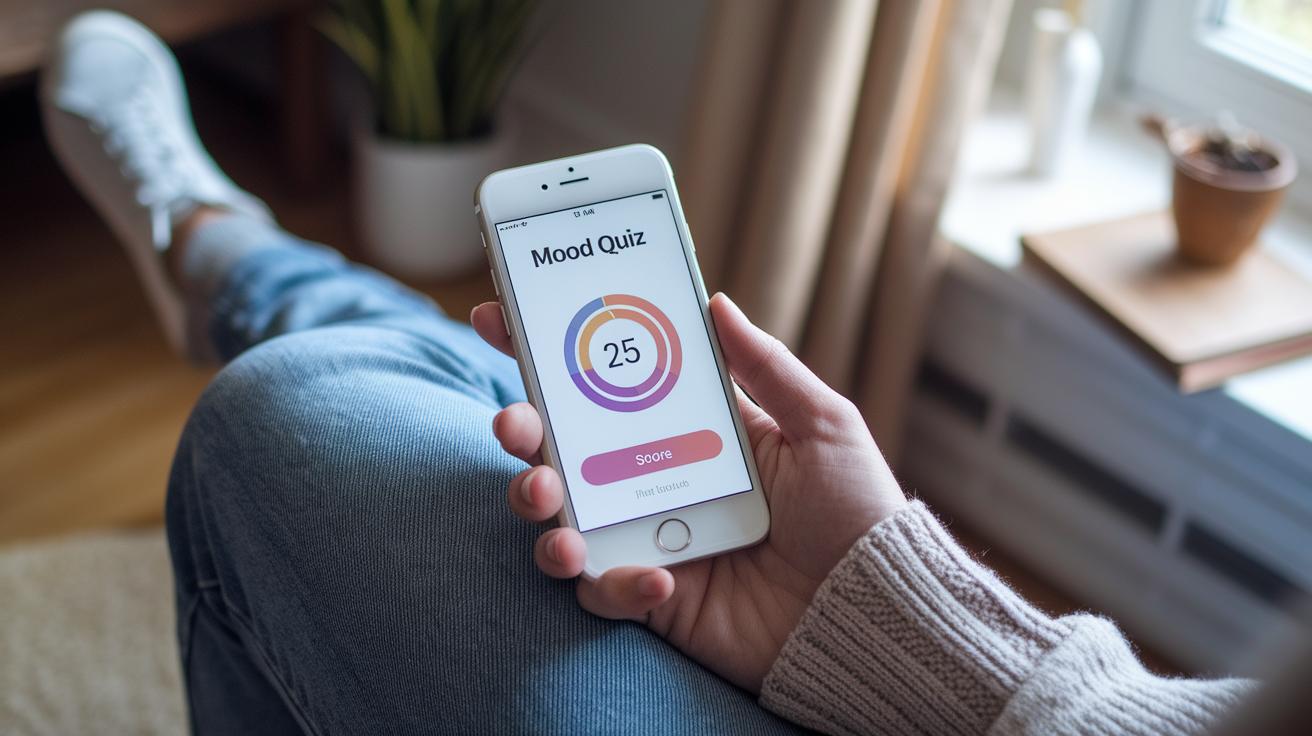
These mobile health tools let you check your mood fast and easily right from your phone. They use simple, interactive questions that help you see how you’re feeling in just a few taps. It’s like taking a quick, friendly quiz about your feelings.
Take Depression Test for example. It asks questions about everyday feelings like tiredness and sadness, then gives you a quick score that hints at your current mood. Hiwell Therapy & Mental Health works similarly by offering suggestions based on your answers. BetterHelp even goes a step further by letting you connect with professionals if you need extra help. MDCalc Medical Calculator uses a scientific approach to review your symptoms, and Talkspace wraps everything into a user-friendly design that connects you with a supportive community.
Imagine tapping a button and getting instant feedback, much like the joy of finishing a fun quiz in school. It guides you toward a better understanding of your emotional state.
| App Name | Key Feature | Accuracy | EHR Integration |
|---|---|---|---|
| Depression Test | Custom Questionnaires | 75% early-detection | Optional |
| Hiwell Therapy & Mental Health | Tailored Recommendations | 75% early-detection | Optional |
| BetterHelp | Professional Advice Integration | 75% early-detection | Optional |
| MDCalc Medical Calculator | Scientific Analysis | 75% early-detection | Optional |
| Talkspace | Community Support | 75% early-detection | Optional |
These top apps turn self-checking for depression into a straightforward process, giving you quick insights and handy next steps for taking care of your mental health.
Test Validity and Professional Disclaimers for Depression Test-Apps

These apps ask you to fill in a simple questionnaire with clear statements about your feelings, such as feeling hopeless, constantly tired, or even having thoughts of self-harm. They use a checklist based on the DSM-5 guidelines (a set of rules used in mental health) so that the questions match what clinical tests look for. For example, you might see a statement like "I often feel completely drained even after resting," which helps you see how your own feelings line up with known mental health signs. Then, a quick scoring system gives you feedback in seconds about your current emotional state.
It's important to note that these depression checkers come with strict disclaimers. They say that while the test is a good first step to checking your mood, it is not meant to replace a full clinical diagnosis. As noted in content published in 2025 by Sussex Publishers, LLC, these tests are meant to be an initial look at your mental health rather than a final answer. If you have ongoing worries about your mood, you should speak with a mental health professional for a detailed evaluation to ensure you receive the best support.
Using a Depression Test-App: Step-by-Step Instructions

First, fire up the app and choose the survey that suits your needs. The app walks you through questions in a friendly, easy way. You’ll see about 10 to 20 short statements, and you reply using a simple agree/disagree scale. For example, you might read, "I feel low energy throughout the day," and then select your level from “strongly disagree” to “strongly agree.”
- Pick the right questionnaire for you
- Answer each statement honestly with the 4-point scale
- Hit submit to see your score right away
- Check out detailed feedback and handy resource links
Once you submit your answers, the app quickly crunches your responses and gives you immediate feedback. It’s not just a number; you get insights that explain what your answers mean. As you answer more honestly, the app adjusts to offer even more helpful feedback.
The clear, step-by-step instructions feel like a friendly chat, guiding you through each moment. Think of it like moving smoothly from a question such as, "I often wake up feeling exhausted," all the way to getting tips that might help you sleep better.
Data Privacy and Integration in Depression Test-Apps

These apps care about your privacy while helping you understand your mood with smart technology. They use data from wearables, like devices that track your sleep, heart rate, or daily movement, to spot trends in how you feel over time. This information works together with phone-based monitors to give you a simple, everyday view of your well-being.
They also let you connect your data with electronic health records. That means you can choose to share your insights safely with your doctor. This secure connection helps mix digital details with traditional care. Behind the scenes, smart algorithms (or computer systems that learn from data) review long-term trends, making the feedback even better each time.
Data protection is a top priority. All the personal information you provide is safely locked with encryption, and you give your permission before any data is collected or shared. This careful approach follows strict rules, like those in the Data Privacy Laws. It means you are in charge of who sees your sensitive information.
Some developers are even testing new virtual reality therapy tools. These early programs use immersive experiences to help improve how your symptoms are analyzed. In other words, combining everyday mobile health tracking with connected devices creates a clever system where your daily habits build a fuller picture of your mental well-being.
After Your Depression Test-App Results: Next Steps for Support

Seeing your depression test-app results can feel overwhelming, but taking action now might help brighten your future. If your score shows warning signs, like feeling low, tired, or hopeless, it’s a good idea to talk with a mental health professional. Remember, these tests are just a starting point and not a final diagnosis.
Many of these apps let you join community groups where others share similar stories. It can feel really comforting to be in a space where you’re not alone. And if you’d rather speak with someone face-to-face, look into treatment centers in places like Austin, TX; Brooklyn, NY; Chicago, IL; Denver, CO; or San Diego, CA.
Start with these simple steps: first, schedule a visit with a mental health expert; next, get involved in a support group; and then, explore local treatment options. Each step helps build a stronger foundation for your emotional health. It's all about keeping the conversation open with the right professionals who care.
Taking these steps may feel a bit daunting, but they’re small moves that can lead to big changes in your well-being. Trust in the process, you deserve to feel better.
Final Words
In the action, we explored top depression test-apps, walked through self-assessment steps, explained the test validity, and covered key details on data privacy and clinical follow-up. Each section provided clear instructions, a helpful disclaimer, and insights into how your information is protected. You learned how a depression test/app quickly gives you a snapshot of your mood with immediate feedback. This article offers practical support to help you manage your mental health confidently and positively. Stay informed and empowered with every tap on your screen.
FAQ
Is there an app that can detect depression?
The app that detects depression offers self-assessment tools and custom questionnaires that evaluate your mood along with biometric data from wearables, providing instant insights to help you understand your emotional state.
Can I test myself for depression and check if I am depressed?
Testing yourself for depression is possible with digital self-assessment apps that guide you through a series of questions, scoring responses based on clinical criteria to help highlight potential symptoms.
How to snap out of a depressive episode?
Snapping out of a depressive episode often means seeking support through professional guidance, joining community support groups, and using mental health apps designed to provide helpful resources and immediate self-care tips.