


Ever feel like chronic pain has you in a tight grip? Many people in the U.S. deal with pain that lingers for weeks. Instead of depending solely on medicine, why not mix in some gentle movement, quiet moments, and balanced meals? Think of it like a recipe where every healthy choice adds a special flavor. A short walk or a calm pause might be just the spark you need today. Let’s explore a few simple tips that could help you manage your pain and take back your day.
Comprehensive Wellness Strategies for Managing Chronic Pain

About 50 million U.S. adults struggle with pain that lasts more than 12 weeks. This pain touches every part of life, affecting the body, emotions, and mind. It calls for a plan that goes beyond just medicine. Think of it like a recipe where every ingredient matters, gentle exercise, stress relief, good nutrition, and plenty of rest. For instance, you might kick things off with a simple tip: try taking a gentle 10-minute walk to get started.
Another important step is putting together a small team of experts. This team can include a pain doctor, a psychologist, a physical therapist, and even an occupational therapist. Their goal is to help you move away from habits that rely too much on opioids and guide you toward safer, non-drug options. Each expert brings their own ideas to help you see your pain in a new light through calming routines and purposeful activity.
Next, try mixing in gentle exercise, mindful moments, balanced meals, and steady sleep routines. This combination helps you take care of both your body and your mind. In truth, this method not only brings quick relief but also sets you on a steady path to long-term wellness.
Gentle Exercise Techniques to Alleviate Chronic Pain

When you move gently, you can help ease your pain without putting too much strain on your body. Activities like walking, swimming, and cycling offer a calm, steady way to keep moving. Try starting with short, 10-minute sessions and slowly build up to about 150 minutes each week. This lets you find a comfortable pace that helps your joints stay flexible and keeps flare-ups at bay.
Warm-Up and Stretching
Before jumping into any exercise, take a few minutes to warm up with slow, natural movements. Think about doing simple arm swings, lifting your legs gently, or twisting your torso a bit. These moves get the blood flowing and lower the chance of feeling uncomfortable later on.
Low-Impact Cardio Activities
For a gentle boost in endurance, try low-impact cardio like a brisk walk, light cycling, or easy swimming. Start with just a few minutes at a time. As you begin to feel at ease, you can slowly add more time. This way, you build endurance without pushing yourself too hard.
Strength and Stability Drills
Adding basic strength exercises can also help manage pain. Use your own body weight or try some resistance bands to get started. These moves not only build muscle in a gentle way, but they also improve your balance and stability. It might help to ask a physical therapist to guide you in choosing exercises that work best for your needs.
Here’s a simple plan to try:
- Start with a 5-minute warm-up using easy, dynamic stretches.
- Follow up with a 10-minute low-impact cardio session.
- Try some gentle strength exercises with advice from a professional.
- Add a few more dynamic stretches to boost your flexibility.
- Gradually extend your workout time, always checking in on how you feel.
Mindfulness and Breathing Practices for Chronic Pain Relief
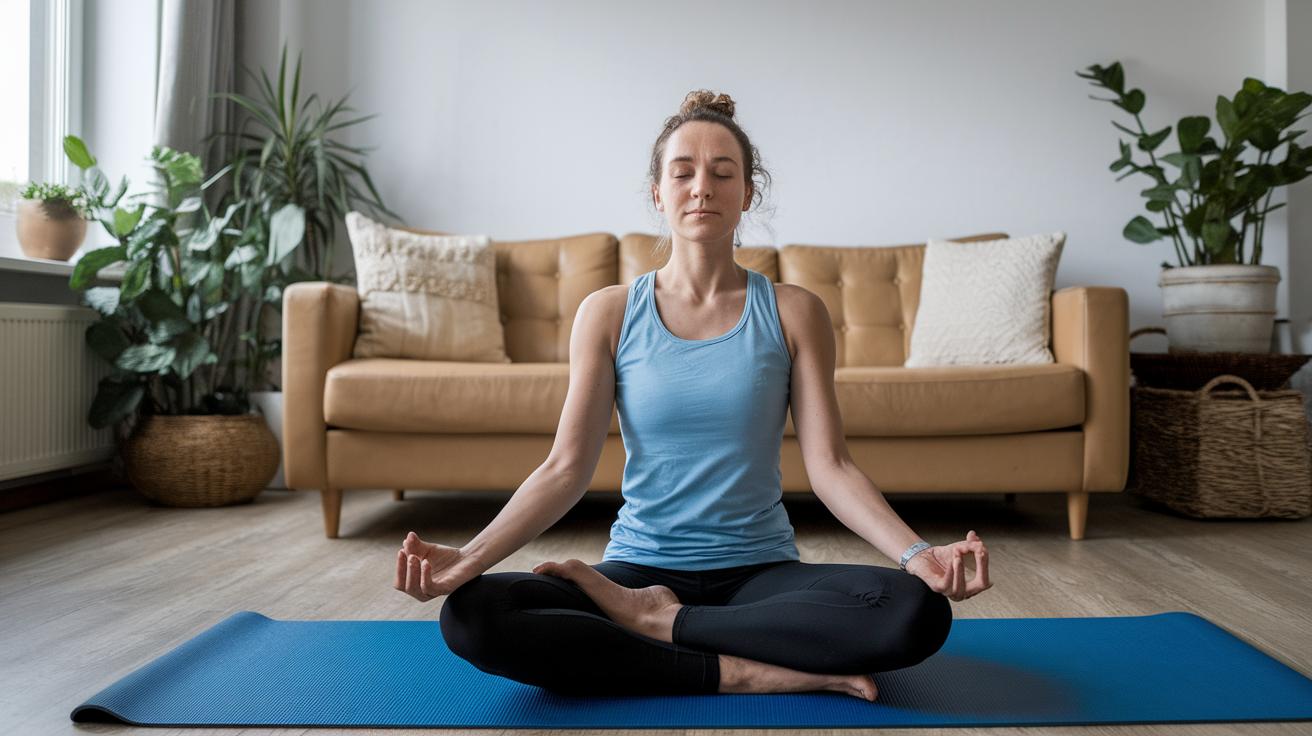
Living with chronic pain can feel heavy. Yet taking a few mindful moments each day can truly change how you experience discomfort. Studies show that when you focus on your breath and body, your brain begins to view pain in a new way. Try setting aside 10–20 minutes for gentle exercises that mix deep breathing with a simple awareness of your body. For example, the 4-7-8 breathing technique can ease stress, and mindfulness can help your mind stay calm and balanced when pain hits.
Guided Breathwork
Find a comfy spot and sit up straight with your hands resting lightly in your lap. Start by taking a deep breath in for 4 seconds, hold it for 7 seconds, and then exhale slowly for 8 seconds. As you do this, pay attention to the soft sound and steady rhythm of your breathing. This simple pattern can help ease tension and invite your mind to settle into a peaceful state, making pain feel a bit less intense.
Progressive Muscle Relaxation
Now, try this gentle exercise: slowly tense each muscle group for just a few seconds, and then release the tension. Begin with your toes and move upward, all the way to your head. This easy cycle of tensing and releasing helps let go of built-up stress in your body. Notice the change in sensation as you relax, it's a nice way to reconnect with your body and feel more at ease.
Anti-Inflammatory Nutrition for Chronic Pain Management

Choosing a diet full of natural, whole foods can help keep inflammation low and ease your chronic pain. Fruits and vegetables, like crisp apples and leafy greens, pack in antioxidants that act like a little shield for your body. When you add in nutrient-rich items such as berries and spinach, you're not only fighting inflammation but also boosting your overall well-being. A bit of good protein right along with these foods can make these benefits even stronger. And yeah, cutting back on sugary snacks and refined carbs really helps keep inflammation under control. Fresh, whole foods give you the vitamins and minerals, like vitamin D and magnesium, that your body needs to ease discomfort and keep your joints happy.
A balanced, mindful way of eating can really change how you feel. Adding Omega-3 rich choices, such as salmon and chia seeds, might lower inflammation while making your meals taste even better. Drinking enough water smooths out joint movement and cuts down on pain, too. Think of these nutritional tips as small, daily investments in your well-being.
Below is a handy guide to some top foods known for their anti-inflammatory benefits:
| Food | Anti-Inflammatory Benefit |
|---|---|
| Blueberries | High in antioxidants |
| Spinach | Rich in vitamins and magnesium |
| Salmon | Great Omega-3 source |
| Chia Seeds | Helps with fatty acid absorption |
| Almonds | Provides healthy fats and magnesium |
Wellness Tips for Managing Chronic Pain: Feel Great Today

Every day, try a few small self-care habits that help your body relax and feel better. Maybe give yourself a gentle shoulder or foot massage after a long day, or keep a simple journal to note the moments when you feel uplifted. Sometimes, a bit of sketching or soft background music can take your mind off the discomfort. Even just a few minutes of self-kindness can feel like pressing a reset button on your day.
Connecting with others can really boost your daily self-care routine. Consider joining online forums or local groups where sharing experiences feels natural and supportive. A habit tracker might be a fun way to keep your routines going. And if you’re after budget-smart ideas, check out budget-friendly wellness routines at home for tips that fit right into your everyday life.
Remember to carve out some time just for you. Schedule short breaks to focus only on calming your emotions and boosting your mood. Try simple self-compassion exercises or light creative activities, self care ideas could offer some inspiration to ease any lingering tension. These small practices are like daily hugs for your mind, body, and heart.
Sleep and Rest Techniques to Enhance Pain Recovery

Making your bedroom a sleep-friendly zone can really help when pain messes with your nightly rest. Try keeping your room cool and dark so it feels like a calming retreat. Dim the lights and lower the temperature, letting your brain know it’s time to settle down. Use soft, cozy bedding and keep noise to a minimum. This simple setup builds a solid foundation for easing pain and boosting resilience.
A gentle bedtime routine works wonders, too. About 30 minutes before bed, put your screens aside and do a few light stretches. This little ritual helps melt away the day’s tension and makes the transition to sleep smoother. It’s a small habit that supports a steady 7- to 9-hour sleep cycle, all of which plays a big part in your journey to feeling better.
Tracking Progress and Building a Support Network

Keeping a daily pain journal can really change how you feel about managing pain. Write down how intense your pain is, what might have triggered it, and what helped make it better. Even a small note each day can reveal patterns over time. For example, you could jot down, "Felt a little pain in the afternoon after my walk," and then add what eased it. A simple app or a basic logbook for weekly tracking makes spotting trends and tweaking your routine much easier.
Regular check-ins with your healthcare provider or a trusted peer mentor add extra support too. Meeting every 4 to 6 weeks gives you a chance to review your progress and adjust your care plan. Sharing what works and talking about challenges with someone who understands can boost your commitment to these healthy habits. It feels good to know you're not alone on this journey.
Final Words
In the action, this article presents a clear plan for easing chronic pain through self-care, gentle exercise, mindful breathing, and balanced nutrition. It highlights the benefits of building a supportive network and tracking your progress with simple tools. The focus stays on practical steps that keep your health moving forward. Let these wellness tips for managing chronic pain remind you that small, daily practices can brighten your outlook and improve your well-being. Enjoy taking these steps toward a healthier, happier day.
FAQ
When chronic pain becomes too much and feels overwhelming
When chronic pain seems unbearable, it means your body and mind are signaling a need for extra care. Consider holistic strategies, professional guidance, and supportive communities to lighten the load.
How to deal with and control chronic pain mentally
Dealing with chronic pain mentally means using techniques that shift focus and reframe stress. Guided breathing, mindfulness practices, and cognitive strategies can help ease your mental burden and reduce pain intensity.
Is life worth living with chronic pain
Viewing life with chronic pain can feel challenging, but many find purpose through support, new routines, and self-care. Talking with professionals and loved ones may reveal pathways to a fulfilling life despite pain.
How to live with chronic pain and depression
Living with both chronic pain and depression involves caring for your emotional and physical health. Combining therapy, self-care practices, and peer support may help ease symptoms and improve everyday well-being.
How to handle chronic pain without relying on medication
Managing chronic pain without medication can involve gentle exercise, mindfulness, and balanced nutrition. Working with a diverse care team may open up non-medical paths to relief.
What coping skills resources, like PDFs, can help manage chronic pain
Finding coping skills for chronic pain means exploring practical guides that offer exercises, journaling ideas, and mindfulness techniques. These resources can provide step-by-step help to build your daily management routine.