


Ever wonder how your phone became a tool for checking your health in real time? It started with simple text reminders, but now it tracks your vital signs and even connects you with a doctor from home. This change makes care easy to reach and puts real power in your hands.
It’s amazing to see mobile health evolve. Soon, staying healthy might be as simple as tapping your screen.
How Mobile Health Technology Has Transformed Healthcare Delivery
Mobile health tech has changed how we get care, and it's really impressive. In 2020, over a billion smartphones were shipped around the globe, and by 2021, more than 350,000 health apps were available. Now, people can check their health in real time, like tracking vital signs on your phone, with just a tap. Have you ever checked your stats before visiting the doctor? It’s a game changer.
Think about how we used to get simple SMS appointment reminders. Today, we have interactive telemedicine systems that let you monitor your health and even have virtual check-ups. In 2020, these services jumped by 63%, which shows many people now trust these tools for their care. With the global mHealth market valued at nearly $50 billion in 2020 and growing steadily, smartphone apps are making life easier by saving time and money for both patients and doctors.
This new way of care especially helps folks in rural areas and busy cities, too. When you use a health app to set up an appointment or check your vital signs, you feel safe and cared for at every step. More than just numbers, it's about real people enjoying better day-to-day health and feeling connected to their care providers. Mobile health tech is fast becoming a key part of modern care, giving us a peek into a future where digital tools keep us feeling our best every day.
Key Milestones in the Evolution of Mobile Health Technology
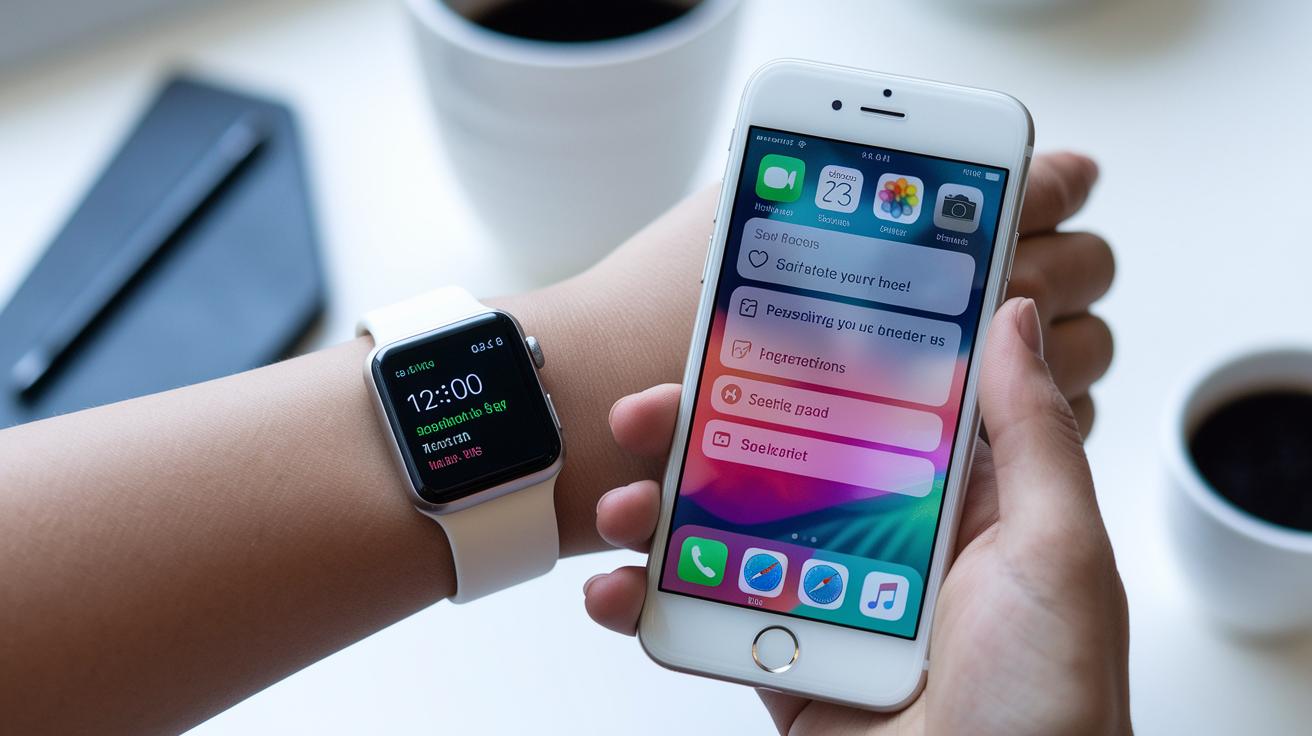
Mobile health started with a simple but powerful idea. Back in 2003, SMS appointment reminders first connected patients with their healthcare teams through text messages. Then, in 2007, the original iPhone hit the scene, sparking a surge of smartphone apps designed to help people keep track of their health.
Next came 2008 when Apple launched its App Store. This opened new doors for health apps on smartphones. The following years brought even more change. In 2011 the FDA shared its first advice for mobile medical apps, setting an important rule for the industry. Between 2010 and 2012, wearable gadgets like fitness bands and smartwatches stepped in. These devices mixed everyday activities with digital tracking, showing us how far mobile health had come.
In 2013, the Department of Health and Human Services introduced HIPAA texting guidelines to protect patient privacy during SMS communications. After 2015, remote patient monitoring devices grew in popularity. In fact, during the 2020 pandemic, telehealth visits jumped by 154%. This impressive surge clearly marked how mobile health has evolved into a key part of modern healthcare.
Core Components Driving Mobile Health Technology Evolution
Smartphone apps and wearable sensors now help you track your vital signs in real time. Imagine getting an instant update on your heart rate during your morning walk. It feels like having a personal coach by your side.
At the heart of mobile health is cloud data storage paired with smart analytics. These AI tools work on data, like reading your heart's signals, and can even detect irregular heartbeats with about 92 percent accuracy. With sensors syncing every 5 to 15 minutes, you get up-to-date insights whenever you need them.
Telemedicine has come a long way. You can now chat with a doctor, join a live video call, or schedule an appointment right from your home. This means fewer wait times and no extra trips to the clinic. It really brings patients and providers closer together.
Standardized APIs such as FHIR and HL7 connect electronic records seamlessly to this new mobile health system. This smooth flow of information ensures that even as technology evolves, you have personalized care just a tap away.
Benefits and Challenges in Mobile Health Technology Adoption
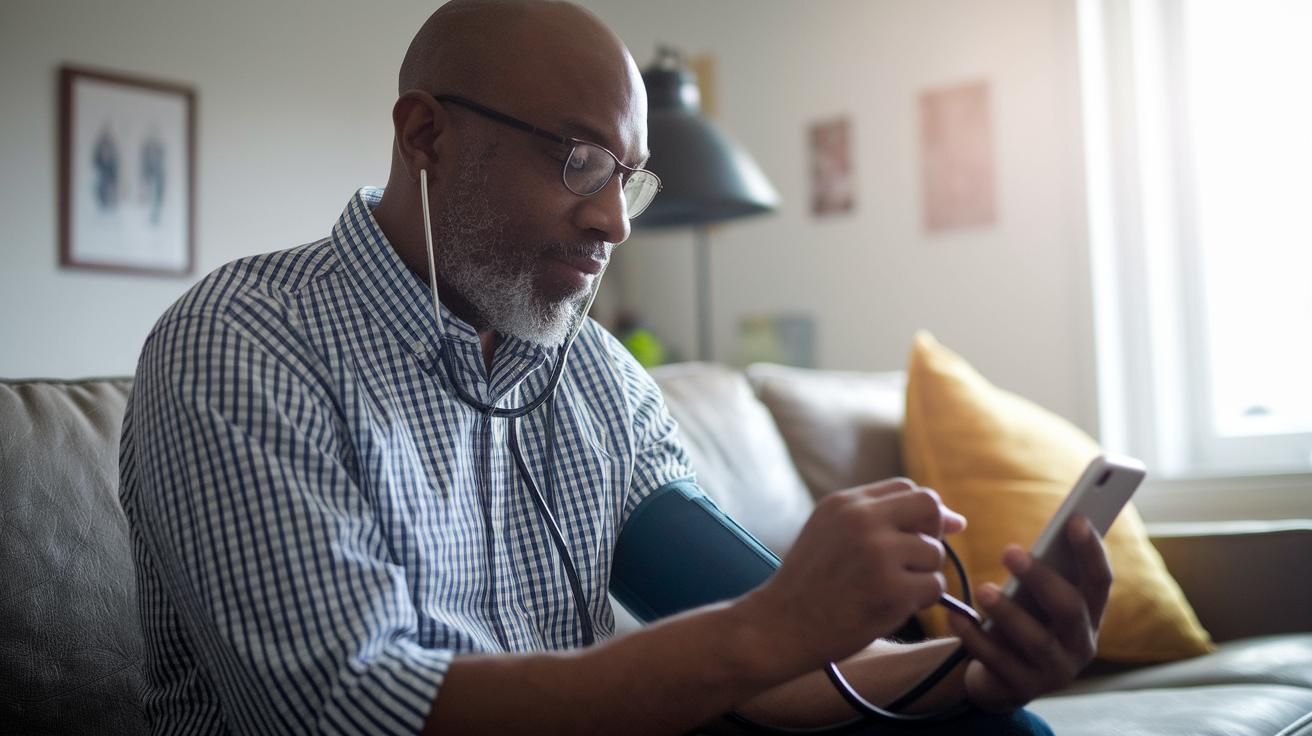
Mobile health brings clear advantages. For instance, health tech has helped cut hospital readmissions by 30%. It also expands care to those living in rural areas. In our everyday lives, about 70% of users keep track of their health stats, feeling confident with real-time updates. Picture a simple notification reminding you to check your blood pressure just before your doctor's visit. In a small town, one timely app reminder even helped avoid an emergency visit. That shows how mobile health can make a real difference.
But there are challenges too. Many health apps still struggle with security; nearly 60% do not provide clear privacy policies. This makes users worry about who might see their personal data. On top of that, about half of healthcare providers find it hard to connect different digital systems. And then there is the digital divide: roughly 25% of low-income patients do not have smartphones, which makes using these tools difficult.
There are a few more bumps on the road. Clinicians sometimes get overwhelmed by too much data, and the payment systems for these services aren’t always reliable. All these issues highlight the need for strong policies to protect patient information. As excitement for mobile health grows, solving these challenges will be key to a safer and more connected healthcare future.
Impact of Mobile Health Technology on Patient Outcomes and Health Systems
Mobile health tech is really changing lives for the better. Apps that help with diabetes have been known to lower average HbA1c by about 0.5%, and tools that keep an eye on blood pressure can reduce systolic numbers by roughly 8 mmHg. That’s not just a small win; it means people feel more in control of their day-to-day health. One user even shared, "I feel more in control when my app reminds me to check my blood pressure."
On the system side, these tools are a game changer too. In 2020, telehealth visits stopped nearly 13 million emergency visits, saving around $6 billion. When routine check-ups moved online, hospitals found they could cut costs by up to 15%. Even in rural areas, SMS reminders and check-in apps have boosted follow-up rates by 40%.
Basically, when clinics use these digital tools, everyone wins. They keep patients healthier and help the whole system run more smoothly. Next time you think about mobile health, remember it’s not just about saving money, it’s about making everyday life a bit easier for all of us.
Regulatory and Security Considerations in Mobile Health Technology

Secure mobile health tech starts with clear rules that keep our digital care safe. In 2015, the FDA rolled out its first guidance for mobile medical apps. This guidance helps ensure that devices are designed well and work properly, forming a strong base for trusted mHealth tools.
In 2013, updated HHS HIPAA rules touched on texting and other digital communication. This move made it easier for providers to protect patient info when they share data. Developers and healthcare teams now work side-by-side to meet these important standards.
GDPR Article 4 also steps in by naming health data as a special category. That means everyone must follow strict privacy rules. Best practices include using AES-256 encryption for data at rest, secure TLS 1.2+ for data in transit, two-factor authentication to control access, and doing risk checks every year.
Even with these measures, nearly 79% of healthcare records were breached in 2021. That tells us how crucial it is to have strong HIPAA mobile health security and solid data privacy rules as digital care grows and changes.
Regular updates to these security guidelines help protect our systems better, ensuring trust and safety in our digital health care.
Interoperability and Data Integration in Mobile Health Technology
Seamless data exchange is a key part of mobile health interoperability. Standards like FHIR work like a simple instruction manual that lets your phone app chat with hospital systems. In fact, about 65% of health systems have adopted FHIR since 2015.
Real-time data sharing gets a boost when 30% of electronic health record systems support public APIs. That means records from telemedicine, wearable devices, and hospitals can come together in one complete file. Picture your wearable sending live vital signs straight to your clinic. This shows why FHIR and APIs are so important for accurate, timely care. Imagine being on a live video call and your doctor seeing your most current health values, it really makes a difference.
Other efforts, like TEFCA and Epic’s App Orchard, help third-party apps join the mix. With a unified way to combine data, health providers can offer safer care through quick, real-time updates. Modern systems use standards like FHIR to make this integration happen. For more details, check out health technology interoperability.
Future Trends in the Evolution of Mobile Health Technology
Imagine your phone quickly spotting a health issue. Mobile health technology is growing fast and changing the game. One big shift is using AI that looks at images with over 95% accuracy. In truth, a smartphone app once flagged a warning for skin cancer. Isn't that amazing?
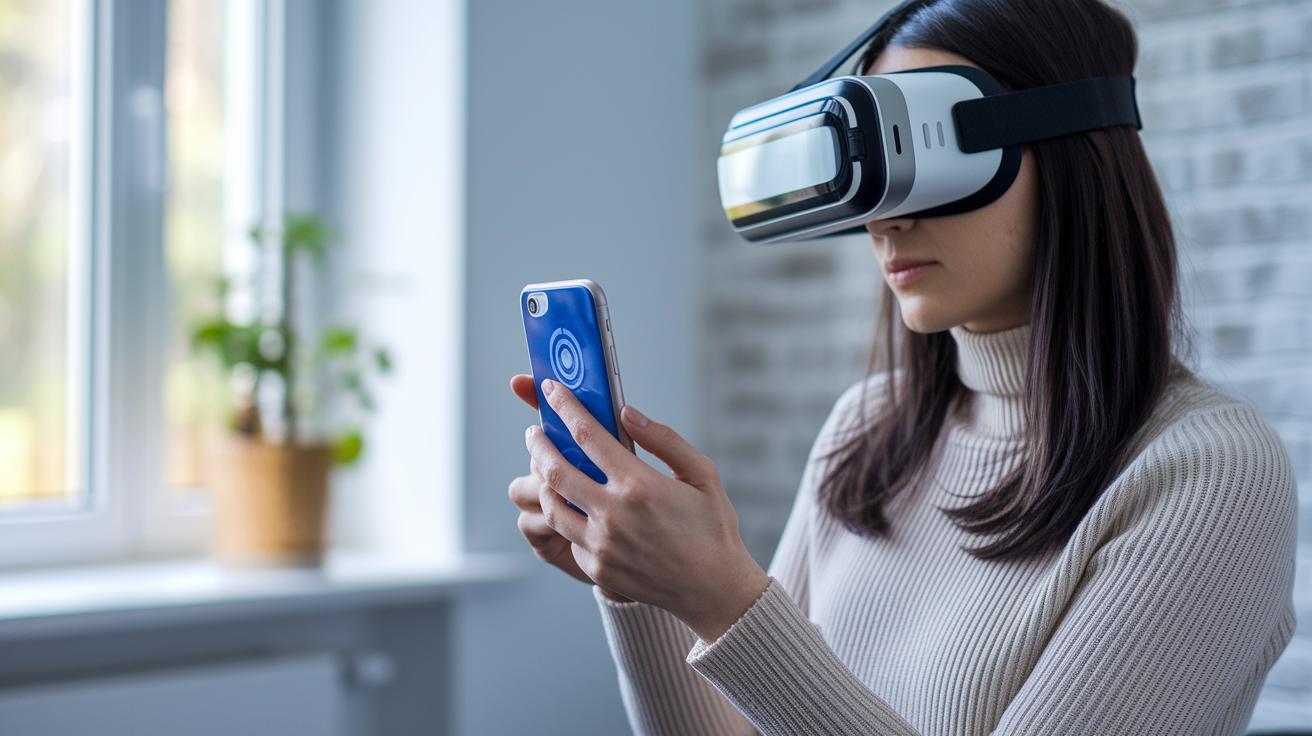
Next, 5G makes remote doctor visits feel almost as real as sitting down with someone face-to-face. And have you seen how AR and VR are making physical therapy from home possible? It’s like having a friendly guide who walks you through your daily routine with gentle reminders.
Then there are implantable glucose sensors that check your levels every five minutes. This kind of tech helps create care plans just for you. With exciting advancements happening every day, experts predict mobile health could become a $100 billion field by 2025.
Really, it’s transforming health care by blending smart technology with personal care. Digital therapeutics and AI are turning remote check-ups and treatments into everyday realities, and that gives us a lot of hope for better care ahead.
Final Words
In the action, mobile health technology has reshaped care by moving from early SMS reminders to today’s advanced telemedicine platforms. The evolution of mobile health technology in healthcare has brought reliable apps, wearable sensors, and real-time data exchange into everyday health management. These improvements empower patients and support efficient care models, even as challenges like data privacy and integration are addressed. With a bright road ahead and ongoing trends making health management easier, the future feels promising for secure, accessible care.
FAQ
How has mobile health technology transformed healthcare delivery?
Mobile health technology has transformed healthcare delivery by providing remote monitoring, app-based scheduling, and virtual consultations. This shift boosts patient engagement, lowers hospital readmissions, and makes care more accessible.
What are the key milestones in the evolution of mobile health technology?
The evolution of mobile health technology began with SMS appointment reminders in 2003 and the first iPhone in 2007. Later, the App Store launch, official FDA guidelines, and broad remote monitoring adoption marked significant breakthroughs.
What core components drive mobile health technology?
The core components of mobile health include smartphone apps, wearable sensors for tracking vital signs, cloud data storage with AI analytics, and telemedicine platforms featuring live video chat and in-app appointment scheduling.
What benefits and challenges come with mobile health technology adoption?
Mobile health technology benefits users with reduced hospital readmissions and enhanced patient engagement, while challenges involve privacy gaps, data overload, and limited access to smartphone technology for some populations.
How does mobile health technology impact patient outcomes and health systems?
Mobile health technology enhances patient outcomes by supporting chronic disease management through apps and wearables, reducing emergency department visits, and decreasing care costs for health systems with remote follow-up strategies.
What regulatory and security measures are essential in mobile health technology?
Mobile health technology relies on FDA guidelines, updated HIPAA rules, and GDPR provisions alongside robust measures such as strong encryption, two-factor authentication, and regular risk assessments to protect patient data.
How does interoperability and data integration work in mobile health?
Interoperability in mobile health means systems share information using standards like FHIR and HL7 APIs. This creates integrated digital records from apps, wearable sensors, and hospital systems.
What future trends might shape mobile health technology?
Future trends in mobile health technology include AI-driven diagnostics, ultra-fast 5G telehealth, AR/VR for therapy, digital therapeutics, implantable sensors, and genomics-based care, which could expand the market significantly.