


Have you ever realized your smartphone might actually help save your life? Mobile health is changing the way we get care, making it feel more personal and always available. Experts now predict the market could grow from about 95 billion dollars to more than 329 billion soon.
New apps and devices, like smartwatches, let us keep an eye on our health in real time. Imagine having a little toolkit in your pocket that tells you how you're doing throughout the day.
This article takes you through the latest trends and future forecasts. It shows how mobile health is making care easier and more connected for all of us.
Mobile Health Market Overview: Size, Growth Drivers, and Future Forecasts
The mobile health market is showing us what tomorrow's healthcare could look like. In 2025, the market hit around USD 103.71 billion, and experts expect it to climb to roughly USD 329.75 billion by 2030. In 2024, its value was about US 95.3 billion, and predictions point to a rise past US 294.5 billion by 2035. Really, these numbers show that mobile health is changing how we get care.
Smartphones are a major reason behind this growth. Think of it like making a healthy meal: the better your ingredients, the tastier the dish. New wearable devices and health apps let you track your fitness and health in real time, like checking how your heart is doing on a brisk walk. There’s also a growing focus on keeping people healthy and managing long-term conditions, which means more doctors and patients are turning to mobile platforms.
Advances in technology, along with a push for taking charge of our health, are fueling these trends. Companies are quickly jumping in to build apps and services that fit our needs today. Fun fact: before Marie Curie became famous, she used to carry around test tubes with radioactive material in her pockets, imagine that surprise!
All in all, this clear market analysis tells us that mobile health isn’t just a fleeting trend. It’s a fast-growing sector that’s making healthcare more personal and within reach for everyone.
Technological Innovations and Digital Healthcare Trends in the Mobile Health Market
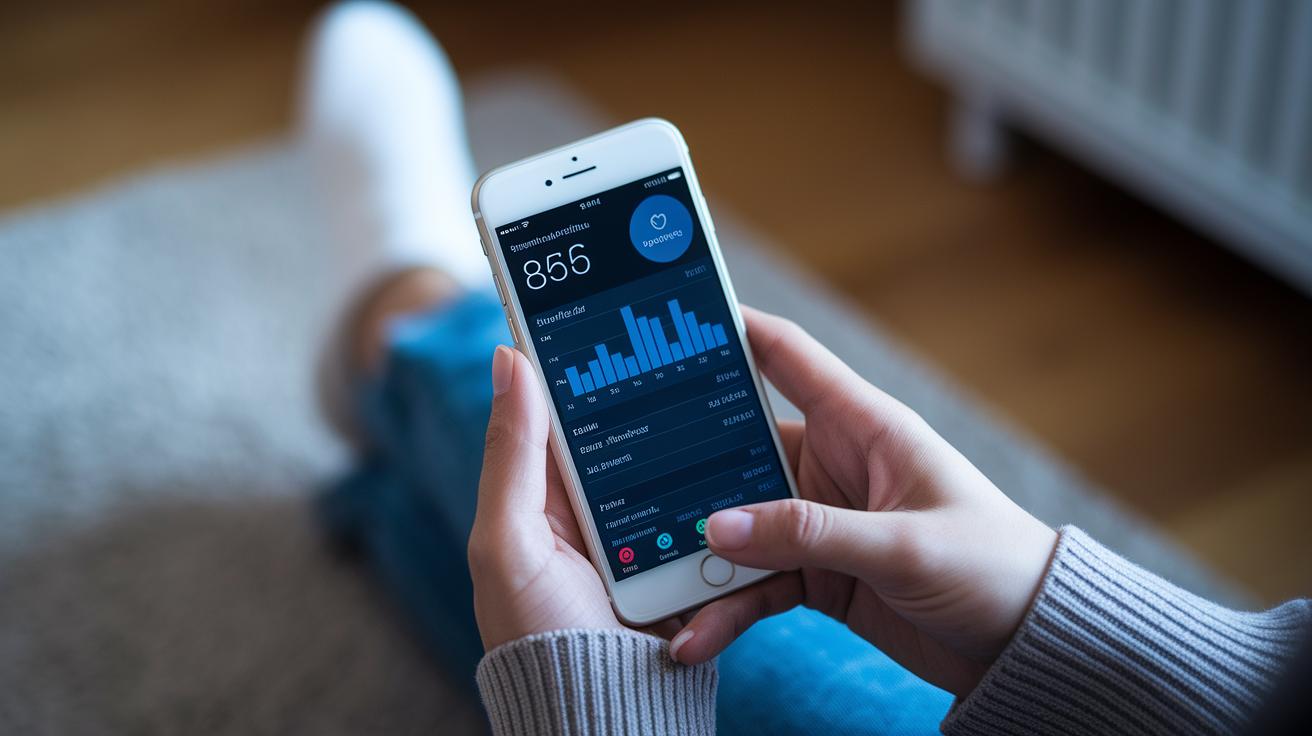
Mobile health services now offer everything from tracking your fitness and managing medications to keeping an eye on you at home and even arranging remote doctor visits. It’s like carrying a little health hub in your pocket. Thanks to more people using smartphones and cheaper data plans, real-time check-ups are now a reality. For example, if your heart rate monitor picks up something off, your phone might buzz to let you know.
AI is making these apps even smarter and more personal. Imagine your app picking up on your daily habits and suggesting small tweaks to boost your energy. It’s like having a friendly coach who really gets you.
The part of mobile health that checks your body is growing even faster than the monitoring side. Sensors that once only lived in hospitals are now in wearables you can sport every day. This means you get accurate health info right when you need it.
In truth, digital health trends are changing the way we care for ourselves, making advanced care as simple as checking your phone.
Segmenting the Mobile Health Market: Services, Devices, and Applications
Think of the mobile health market as a handy multi-tool for everyday wellness. It offers a mix of devices and services that help with treatment, diagnosis, and monitoring. It’s like having a smartphone that does more than just let you chat with friends, it checks your heart rate, reminds you to take your medication, and keeps an eye on your blood sugar.
Take a blood glucose monitor, for example. It’s not just a simple gadget; it works as part of a larger network that includes remote doctor visits and custom treatment plans. Picture this: you open your favorite health app and, in one go, you see your doctor’s advice and your latest sugar levels. Sometimes, your app might even say, "Good morning! Ready to conquer your day?"
Recent trends from 2023 show that mHealth apps brought in over half of the revenue. That tells us people love health options they can use on the go. Meanwhile, diagnostic tools are growing faster than monitoring services because sensors once found only in hospitals are now small enough for everyday wearables.
The market also sorts itself by different players, like mobile network operators who help connect these devices smoothly. Overall, the mobile health market is like a complex puzzle where every part, from treatment to diagnosis, helps create a richer experience for you.
Regional Dynamics in the Mobile Health Market: North America to Asia Pacific

North America is still leading the way in mobile health. In 2023, it grabbed 38% of the global market share. With about 82.2% of Americans owning smartphones and policies that help pay for digital health services, it feels like health updates are always just a tap away. It’s as if your phone becomes a constant companion for your well-being.
Europe is also stepping up its game. People there are increasingly turning to apps that help manage chronic conditions and support aging well. Imagine an elderly neighbor who gets a simple reminder on their phone to take their medicine, it’s small but can truly change lives. With a population nearing 450 million, digital health is making care easier than ever.
Asia Pacific is set to grow the fastest, with forecasts showing a 15.2% rise through 2030. Mobile subscriptions jumped from 1.73 billion in 2022 to 2.11 billion in 2023. This means millions more can access health information whenever they need it. Isn’t it amazing how a little increase in connectivity can change the way we manage our daily health?
In the Middle East and Africa, better internet access and government-supported telemedicine projects are opening up new opportunities. These efforts are allowing advanced health services to reach more communities, making quality care more accessible across diverse regions.
Competitive Landscape and Investment Trends in the Mobile Health Market
Big companies are stepping up their game in mobile health. Apple, Google, Philips, Medtronic, Samsung, Cisco, Qualcomm, Veradigm, Practo, HealthifyMe, and Netmeds are all racing to secure their spot in this fast-changing field. For example, Samsung bought Xealth in July 2025, showing just how eager top firms are to invest in connected care platforms. And even smaller players are getting in on the action, Mobile-health Network Solutions snapped up Indopacific Health Technology back in October 2023 to round out their services.
Mergers like these mix broad reach with special know-how. They spark fresh ideas and push companies to spend more on keeping data safe from breaches. It’s almost like they’re locking up your details as carefully as a secret shared among friends.
Partnerships are growing too, especially ones that link mobile health tools with national health record systems. This smooth data-sharing, sometimes called health technology interoperability (which simply means different health systems working well together), helps make care more connected. Companies are now focused on more than just making sensors accurate, they’re also building solid dashboards for clinicians and secure ways to share data. In this exciting arena, established giants and new startups alike are teaming up to push the limits of what mobile health can do.
Regulatory Impacts, Data Privacy, and Security in the Mobile Health Market

Mobile health platforms are coming under more scrutiny as privacy issues rise after high-profile data breaches. Surveys show that 56% of adults have not tried a health app because they don’t fully trust them. This caution is pushing companies to put more money into strong security measures to protect sensitive information. With personal health records rapidly moving online, keeping patient data secure has become a more complex task.
Linking mobile health systems with nationwide electronic health record systems brings extra compliance challenges. Think of it like locking up a treasure chest with several keys, every part must work together perfectly to keep data away from those who shouldn’t see it. Many healthcare organizations are now using smart strategies such as data privacy compliance to meet new standards and build stronger trust with users.
Rules and regulations are constantly evolving, which has a noticeable impact on the mobile health market. Companies now collaborate closely with regulators, adjusting their internal policies to handle legal and security challenges. This continuous fine-tuning helps pave the way for mobile health solutions that are both steady and secure. As technology keeps advancing, keeping patient privacy and cybersecurity top-of-mind remains a priority, creating a digital health space that not only grows but also honors and protects personal privacy.
Future Outlook: Emerging Trends and Forecasts in the Mobile Health Market
Experts predict that mobile health will grow rapidly as we head toward 2030 and beyond. In the near future, the spotlight will move from focusing on sensor detail to creating easy-to-use dashboards for clinicians. Imagine a tool that not only gathers your health data but also shows it simply so your doctor can quickly know what’s happening.
More companies are putting their money into virtual care, which means online consultations are becoming a common way to connect with your doctor. AI-powered tools are also on the rise; these smart systems give you tips that might help you avoid health issues early on. It’s like when your phone softly reminds you to check your heart rate during your morning walk.
Digital therapies are catching on too. In simple terms, apps and connected devices are being made to provide treatment you can use at home. With more than 350,000 mobile health apps around, fresh startups are always working on ways to make care simpler and more modern.
At the same time, bringing together electronic health records from different providers is making the whole healthcare system work better together. This improved connection is likely to change the payment models and make these innovations even more common. All of these trends point toward a future where mobile health is smarter, more connected, and ready to offer care that fits your life perfectly.
Final Words
In the action, we explored the size, growth drivers, and forecasts of digital health solutions. We talked about key technology trends and how smart wearables and monitoring reshaped healthcare. We broke down services, devices, and regional differences while highlighting competitive and regulatory factors. The blog gives a clear view of where the mobile health market: current trends and forecasts is headed with robust investment and innovation. The future looks bright, and each insight invites a smarter, healthier tomorrow.
FAQ
What do trends and forecasts in the mobile health market for 2021 and 2022 indicate?
The trends and forecasts in the mobile health market for 2021 and 2022 indicate notable growth fueled by broader smartphone adoption, innovations in wearable tech, and a focus on preventive care, which supports strong market expansion.
How is the mHealth market defined and what drives its growth?
The mHealth market is defined by digital health solutions like smartphone apps and wearables, with growth driven by increased connectivity, innovations in monitoring, and an enhanced focus on managing chronic care.
What is the current size of the health apps market?
The current size of the health apps market shows a significant revenue share in digital health as increased usage and solid investment point to a steadily expanding market.
What key statistics shape the healthcare app space?
The key statistics in the healthcare app space highlight rising user engagement and improved health outcomes, as mobile apps have become central to delivering monitoring, diagnostics, and remote care services.
What insights do digital health market statistics provide?
Digital health market statistics offer valuable insights into growing consumer demand and adoption of innovative mHealth solutions, emphasizing increased accessibility and personalized patient care across various regions.