


Have you ever thought about whether your online doctor visit is as safe as an in-person one?
When your personal health information travels over the internet, keeping it secure is like guarding a precious treasure.
Data safety uses smart tools, like encryption, which scrambles your details so no one unauthorized can read them, and strict rules about who can access your information. They even run regular safety check-ups to make sure everything stays protected.
Next, we'll explain how these digital safeguards work, much like a secure safe keeping your private items hidden. Know that every step is taken to shield your sensitive details, giving you peace of mind during your online consultations.
Essential Data Protection Strategies for Virtual Consultation Platforms
Data protection builds trust in virtual consultations. When patient information travels over the internet, keeping it safe isn’t just a law, it shows real care. Strong encryption and secure platforms work like a digital safe, keeping your health details as private as face-to-face chats. Plus, being clear about how data is used helps patients feel at ease, like knowing a trusted friend is always looking out for them.
There are a few key building blocks here. First, advanced encryption acts like a secure lock for your data, protecting it from start to finish. Next, strict access controls with strong passwords and multi-factor authentication make sure that only the right people see your information. Regular checks catch any odd activity, and ongoing staff training helps everyone spot and deal with risks right away.
And as telehealth grows (some experts say it might hit $286 billion by 2030), these safety steps become even more important. With more people using virtual consultations, more data gets exchanged, so strong security measures are a must. Providers follow tough data privacy rules to keep your information safe, building trust and making sure that digital care feels as safe and personal as seeing a doctor in person.
Encryption and Secure Transmission Protocols for Virtual Consultation Platforms
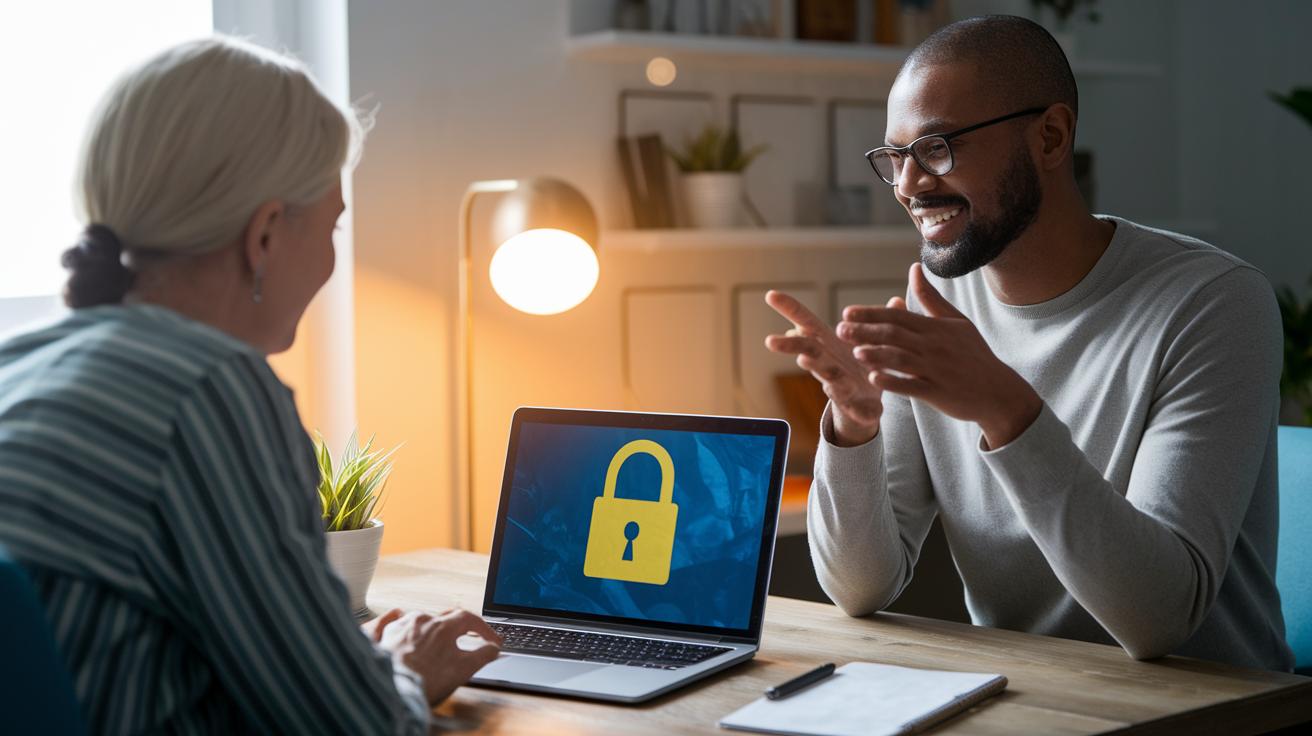
Virtual consultation platforms need strong encryption to keep your chats and video calls private. These systems use tools that meet HIPAA rules and wrap your conversations in end-to-end encryption, making sure only you and your care provider are in the loop. Think of it as a secure envelope that carries your video and messages without anyone peeking.
Modern standards like TLS 1.3 keep real-time chats safe, while protocols such as SRTP protect voice and video streams during calls. For stored data, powerful algorithms like AES-256 act like a heavy-duty lock on your information. They even refresh session keys regularly and use strict SSL/TLS certificates, which adds extra layers of trust to each connection.
| Protocol | Encryption Level | Use Case |
|---|---|---|
| TLS 1.3 | High | Securing real-time data transmission for video consultations |
| AES-256 | Very High | Encrypting data at rest within databases |
| SRTP | High | Protecting voice and video streams during communication |
Choosing the right encryption methods really comes down to what your healthcare setting needs. It’s like finding that perfect balance between strong security and a smooth, easy-to-use experience. When advanced protocols work together, your data stays safe and sound, letting you focus on what matters, taking care of your health.
Imagine every virtual session as a secure, comforting conversation where your privacy is always in check.
Access Control and Authentication Measures for Virtual Consultation Platforms
Managing who sees sensitive information is really important. Digital healthcare platforms use strong access controls and careful checks to keep your patient data safe. Think of these measures as a trusty lock on your virtual door that only lets the right people in. If you want to dig deeper into access policies and privacy tips, check out this guide on information privacy.
- Role-based permissions let each team member see only what they need.
- Multi-factor authentication adds extra steps to prove your identity.
- Smart session management includes regular logouts and session refreshes.
- Routine audits help spot any strange access patterns early.
- Biometric verification uses personal markers like fingerprints or retina scans.
- Adaptive authentication changes based on your behavior and any potential risk.
Providers need to review user access all the time. They should keep an eye on logs to catch any odd activity and adjust the checks as needed. This focus on security helps catch problems early and keeps the system strong and trustworthy for everyone.
Role-Based Access Control Implementation
Defining clear roles, setting custom permissions, and doing quarterly reviews keeps the environment secure. Each role is documented so that as job duties change, the permissions get an update to match current needs.
Regulatory Compliance Frameworks Impacting Data Protection in Virtual Consultations

GDPR sees health data as extra sensitive, so providers must have a strong legal reason to use it. Under Article 9(2)(h), health records must be managed with extra care and only used when truly needed. Patients are given clear, simple notices about how their data is collected, stored, and deleted according to national rules. It’s like having a transparent rulebook that builds trust during every virtual visit.
When sharing data beyond the EU or EEA, GDPR demands that the same level of protection is in place. Providers need to keep documented policies, perform regular audits, and sometimes appoint a Data Protection Officer. This shows ongoing accountability. Formal data processing agreements with third-party vendors help protect patient information during every digital exchange.
HIPAA requires solid technical safeguards such as end-to-end encryption and complete audit trails. These steps ensure that every digital conversation and data transaction stays secure and can be tracked, minimizing risks of unauthorized access. Breach notification protocols are also crucial, so any issues are quickly managed to maintain patient trust.
For HIPAA compliance, technology vendors must sign data agreements that clearly outline their roles. Regular audits and timely updates ensure encryption and audit trails remain accurate. In short, these measures work hand in hand to keep patient data safe during virtual consultations.
Risk Assessment and Incident Response Planning for Secure Virtual Consultations
Regular privacy checks help spot risks early. Providers need to look closely at where systems might be weak and how private details can be exposed during online consultations. Using trusted risk management frameworks, teams can set up automatic checks and monitor logs in real time for any signs of trouble. This hands-on approach helps keep problems small before they grow bigger.
Every year, vulnerability tests and expert penetration reviews show where systems can be improved. Following a structured plan and sticking to a regular testing schedule not only finds common issues but also reveals hidden gaps in your digital defenses. Routine testing means you can tackle new risks as they emerge, making the system stronger and more resilient.
Creating a clear incident response plan is key. Each team member should know their role, and the plan must spell out simple steps for who to contact if something goes wrong. It should also outline quick notification methods that follow state data breach rules (state data breach notification laws – https://ourmobilehealth.com?p=748), so you can respond fast and openly. A well-practiced plan reduces damage and helps keep trust intact for your virtual consultation services.
Operational Best Practices and Ongoing Monitoring for Virtual Consultation Security

When you run virtual consultations, keeping everything safe is a top priority. Real-time monitoring tools, like SIEM tools (they help watch system logs and network details), are always on the lookout to catch any unusual activity as it happens. With so much information coming in, checking the logs regularly feels like a quick safety check to make sure every part of the platform is doing its job.
Training is another big piece of the puzzle. It’s important to chat with your team about data protection, so everyone knows how to spot phishing attempts and use the platform securely. We suggest holding these sessions every few months to keep everyone up to speed on the latest practices and potential risks.
Then there’s endpoint security. Keeping devices, whether for clinicians or patients, protected against malware and other threats is like putting an extra lock on your door. Regular updates and patching play a big role in making this extra layer of defense even stronger.
Finally, regular compliance checks help ensure everything stays in line with evolving rules. Automated tools take care of these checks while techniques like careful firewall setup strengthen your platform’s overall safety. This combined approach makes sure your virtual consultations remain secure and reliable every day.
Emerging Technologies and Future Trends in Data Protection for Virtual Consultations
Emerging technologies are totally changing how we protect data during online consultations. New security tools mix modern safeguards with easy-to-use features, keeping your health details safe every day. Think of them as digital guardians that work around the clock.
AI-powered systems are like digital watchmen. They spot unusual data patterns in real time and quickly alert support teams when something feels off. It’s a smart way to keep an eye on your information without missing a beat.
Quantum-resistant encryption is a next-generation solution. This technology uses tough codes, imagine unbreakable locks, to guard your data even against powerful future attacks. It adapts as digital threats change, always keeping your sensitive details secure.
Blockchain audit trails act like permanent, tamper-proof diaries for your data. Every transaction is recorded clearly, which makes it easy to check that everything is in order and to spot any unauthorized changes right away.
Market trends show a big surge in telehealth, with the industry expected to reach $286 billion by 2030. This boom pushes health providers to constantly find smarter, next-level security solutions and plan for resilience every day.
Final Words
In the action, we broke down key ways to protect patient data during virtual consultations. Robust encryption, strict access controls, regulatory compliance, and continuous monitoring were examined in detail.
We also touched on risk assessment and the real impact of emerging tech trends. Data protection strategies for virtual consultation platforms were front and center.
Embracing these measures helps keep health care secure, clear, and positive for everyone.
FAQ
Privacy and security concerns in telehealth?
Privacy and security concerns in telehealth focus on protecting sensitive patient data during virtual sessions. Using robust encryption, strict access controls, and secure transmission methods helps keep patient information safe.
What is remote monitoring in telehealth?
Remote monitoring in telehealth means using technology to track patients’ health from afar. Providers can review real-time data to manage conditions effectively without requiring in-person visits.
How can providers assess and protect privacy during telehealth sessions?
Providers assess and protect privacy by verifying secure connections, using encrypted platforms, and confirming patient identity through multi-factor authentication. This reassures patients that their information stays confidential.
How can one build a strong therapeutic relationship during a telehealth session?
Building a strong therapeutic relationship in telehealth involves clear, warm communication. Providers can connect via video, listen actively, and use friendly body language to foster trust and comfort.
What is the most effective way to achieve data security in telehealth and ensure confidentiality in virtual recruiting environments?
Achieving data security in telehealth and virtual recruiting relies on robust encryption, role-based access controls, and regular audits. These strategies work together to safeguard data and maintain confidentiality.
What are the 4 P’s of telehealth?
The 4 P’s of telehealth typically refer to patient, provider, privacy, and protection. These aspects ensure that care is delivered securely while keeping both patient needs and data security in focus.
What are the 7 data protections in telehealth?
The 7 data protections in telehealth include strong encryption, confidentiality measures, secure access controls, adherence to regulations, ongoing staff training, continuous monitoring, and regular risk assessments.