


Ever wondered if you could talk to a doctor without leaving your home? Video consultations let you connect with caring experts using your computer or smartphone. It’s like having a friendly chat with someone who truly gets your concerns. This modern approach makes handling minor health issues both simple and stress-free. You can feel safe and cared for right in your own living room. Read on to discover how video consultations can bring ease to your everyday care.
Get Non-Emergency Medical Advice via Video Consultation
Telehealth connects you with caring healthcare professionals using your computer, tablet, or smartphone. It brings real medical advice straight to your screen so you don’t have to step out of your house. With a virtual visit, you chat with a doctor or nurse about a minor problem as if you were talking face-to-face.
Imagine not feeling well on a cold day. You open your favorite app, choose a doctor, and shortly after, you’re getting helpful advice to ease your discomfort. One patient shared, “I felt relief when a clinician accurately assessed my symptoms and recommended a remedy, all from my living room.” It’s like having friendly, expert advice right at your fingertips.
Your provider also adds key details of your visit into your electronic health record, which keeps a clear log of your care. This means you can trust that your treatment stays on track, even if you need more help later. Keep in mind that the services you get might change based on where you live and the state rules on provider licensing.
Video consultations make it super easy to snag non-emergency medical advice exactly when you need it. You can schedule an appointment for a time that fits your day or use on-demand services available any time, day or night. It’s a smart and simple way to manage health issues that aren’t urgent but still need quick, quality care.
Scheduling Your Telehealth Advisory for Minor Conditions
Setting up your virtual consultation is as simple as sending a quick text. You can book your appointment through a secure website, a mobile app, or even over the phone. This way, you can choose the option that feels best to you when it comes to non-urgent health needs.
Some providers offer care around the clock. It’s a bit like being able to grab your favorite snack whenever you want. In these cases, you don’t need to book ahead. Just log in whenever you feel you need help. Sometimes, you might even fill out an online form to tell a clinician about your symptoms at your own pace. I remember entering my symptoms and feeling instantly reassured that help was coming.
Keep in mind that appointment times might change based on local rules and provider hours. And if you’re traveling abroad, you can always call a travel hotline to get connected with care.
| Feature | Description |
|---|---|
| Booking Options | Secure web portals, mobile apps, or phone calls |
| 24/7 Access | Some services let you connect without an appointment |
| E-visit Forms | Submit your symptoms for later review |
Plus, your appointments might sync with your personal health records, keeping your care notes safe and in one trusted spot.
Technology and Privacy in Your Virtual Doctor Visit
Make sure your device, a phone, tablet, or computer, has a working camera, microphone, and speakers. You’ll need a fast, secure Wi-Fi or wired connection for a smooth video call with your doctor. Clear visuals and crisp sound make your virtual check-up feel as natural as being in the same room.
Your privacy matters a lot. That’s why modern platforms use strong encryption and follow strict HIPAA rules to keep your details safe. Using secure patient portals, you can send messages and check your health records with ease. These tools let your doctor understand your symptoms while keeping your personal information private.
Sometimes, your doctor might even loop in a specialist in real time and share their screen to explain treatment plans better. While telehealth has a lot of benefits, remember it can’t replace hands-on exams for conditions that require a detailed physical check.
By combining quality technology with tight security, every virtual visit becomes smooth, private, and supportive. Enjoy clear, safe, and easy telemedicine every time.
Verifying Provider Credentials in Your Digital Health Advisory

When you book a video consultation for a non-emergency issue, it really helps to know your provider is properly licensed and certified. Check out the details, like where they went to school, what they specialize in, and how many years of experience they have. Many websites proudly show off board certifications and state licenses, which makes it easier to trust the advice you get. This kind of openness helps you feel safe, whether you’re chatting with a doctor, a nurse practitioner, or an assistant working under supervision.
Take a moment to look at provider profiles to see user ratings and patient reviews. These reviews can give you a good snapshot of others’ experiences. For example, one patient said, "Seeing clear credentials makes all the difference and reassures you about the quality of care." Plus, every e-consult you have is safely recorded in your electronic health record, which makes it easier to follow up if you need more care.
Here are a few simple tips to double-check a provider’s credentials:
- Look for details about state licenses and board certifications.
- Check out their medical training and specialties.
- Read user ratings and patient reviews for extra insight.
Using these quick checks can help you pick a provider for your non-urgent health concerns with confidence and peace of mind.
Understanding Costs and Insurance for Remote Non-Urgent Care Evaluation
Video calls for non-emergency advice are pretty simple and easy to understand. Many doctors charge a set fee or a standard co-pay that is much like the cost of an office visit. For instance, you might pay anywhere from $X to $Y per session depending on your plan. This straightforward setup makes choosing a video visit feel as natural as booking a regular check-up.
Insurance for these services varies a lot. Some plans, whether from private insurers, Medicare, or Medicaid, cover most or all of the fee. Others might have you pay a little extra. You might also come across self-pay options, subscription models, or even programs provided by your employer that offer telehealth. In cases where you only need quick advice without a full appointment, lower-cost e-visits are sometimes available. Knowing these details will help you pick the best option. Be sure to check with your provider or insurance carrier to see what fits your needs best.
When to Choose a Virtual Consultation Service vs In-Person Visits
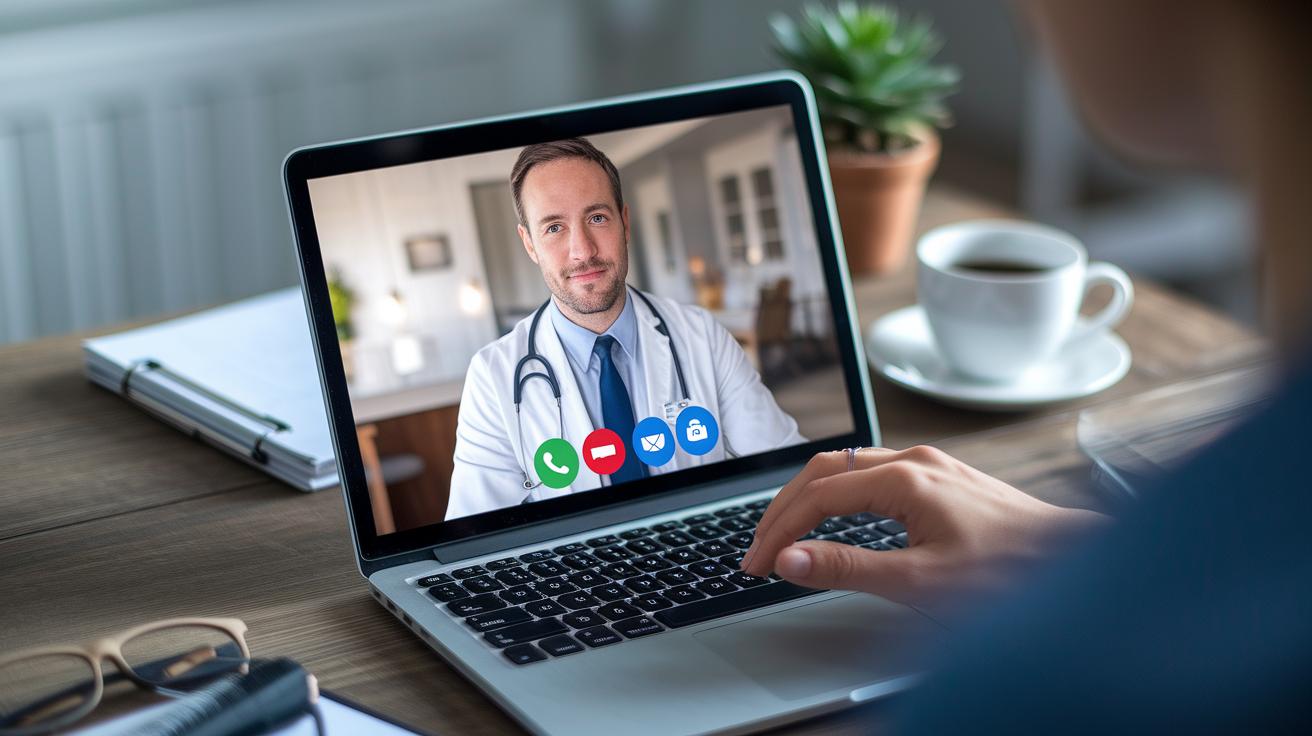
Choosing the right care starts with matching your symptoms to the best service. Virtual visits work great for light issues like allergies, small skin irritations, or routine follow-ups. They let you chat quickly with a provider, save you travel time, and help you avoid crowded waiting rooms.
Imagine you have a minor skin irritation or need a check-up after a brief cold. A video consultation can be a simple, hassle-free way to get advice. But if you need lab tests, imaging, a procedure, or a thorough physical exam, sticking with an in-person visit is usually safer. And if you’re feeling chest pain, suffering from a serious injury, or dealing with urgent mental health issues, it’s best to see a provider face-to-face as soon as possible.
One handy fact is that your virtual visit details automatically update your electronic health record. This means your doctor can keep track of your progress easily.
If you’re curious about how these options differ, check out this overview: "video consultation vs in-person doctor visits" (https://ourmobilehealth.com?p=270). Just remember, whether you can use a virtual visit might depend on state licensing laws, so your options can vary by location.
Final Words
In the action, this post explores how video consultation for non-emergency medical advice connects you with trusted healthcare professionals. We covered what a virtual visit looks like, from scheduling your call to checking tech needs and confirming provider credentials. Each step helps you feel secure when discussing everyday health issues, like colds or minor rashes. The breakdown also touches on costs and when a virtual service suits your needs best. Stay positive and feel confident in using modern ways to care for your health.
FAQ
What is available with 24-hour virtual urgent care?
The 24-hour virtual urgent care means you can connect with a doctor anytime via video to address non-emergency issues and receive prompt advice from the comfort of home.
How can I get an online doctor visit for free if I have no insurance?
The option for a free online doctor visit if you have no insurance allows you to access virtual care without charge, offering immediate medical advice for minor conditions without out-of-pocket costs.
How do low-cost telehealth options like a $20 online doctor visit or the cheapest telehealth for no insurance work?
These low-cost telehealth options offer fixed-fee video consultations designed for users paying out-of-pocket. They provide affordable access to basic medical care and advice for minor health concerns.
Is virtual urgent care available if I’m on Medicaid?
Virtual urgent care Medicaid means some platforms accept Medicaid for video consultations, allowing eligible patients to receive non-emergency care remotely without additional financial burden.
Why would a doctor choose to do a video call?
A doctor chooses to do a video call to offer quick, convenient care by assessing symptoms and providing advice without requiring patients to visit the office, reducing waiting time and exposure.
Can I get a doctor’s note from a video visit?
Getting a doctor’s note from a video visit is possible if the provider deems it necessary. They review your symptoms via video and can issue a note if it meets state and clinical guidelines.
What is a virtual medical consultation?
A virtual medical consultation is a video visit where you speak with a healthcare professional for non-emergency guidance. This service includes symptom review, medication advice, and self-care tips through secure platforms.