
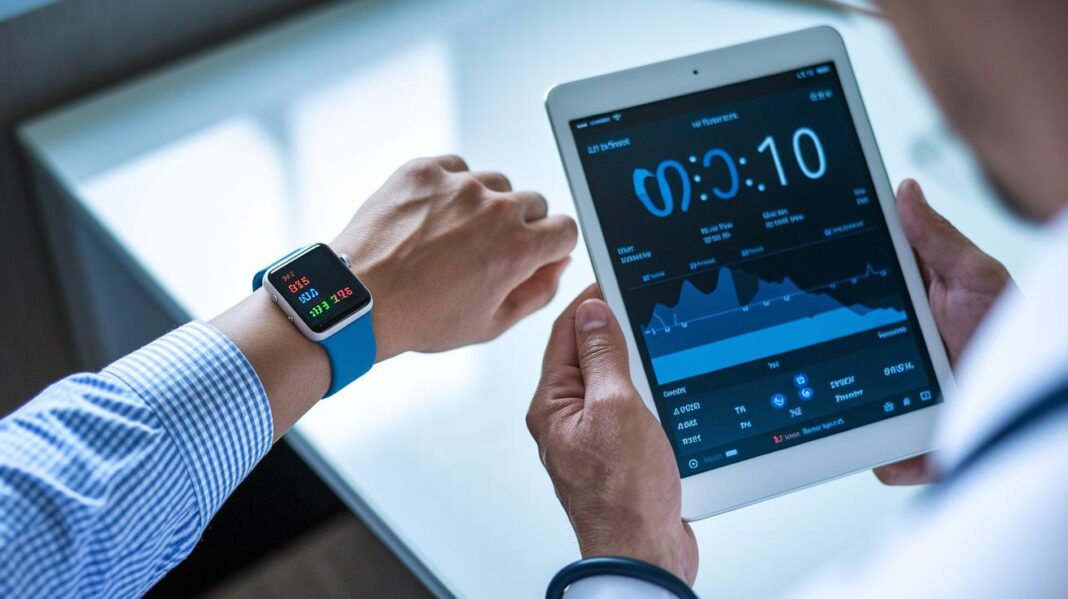

Ever wonder if a small gadget on your wrist might change how you care for your health? Wearable tech now does more than just count your steps; it also checks your heart rate, sleep, and stress levels, giving you real-time feedback.
It feels like having a friendly nudge that helps you find the right pace throughout the day. In this post, we uncover how these devices shape your daily habits by revealing useful patterns. Everyday moments become chances to make smart health choices thanks to this clever technology.
Key Ways Wearable Tech Influences Health Management
Wearable tech is so much more than just a step counter these days. Smartwatches and fitness trackers now keep an eye on your heart rate, sleep, blood oxygen, stress levels, and even spot irregular heartbeats. They give you real-time data so you can tweak your activity as you go. Imagine your watch giving you a gentle buzz when it notices your heart rate is climbing too high during a brisk walk – a little nudge to slow down.
These devices do more than just show numbers. They gather information all day, which helps you see patterns over weeks or even months. This lets you spot habits that might need a little adjustment. For instance, you might realize that your sleep quality drops after days filled with stress, prompting you to wind down sooner in the evening.
One study with 400,000 participants found that smartwatches can spot atrial fibrillation really well. Detecting these irregular heartbeats early can be crucial, helping doctors take action before problems get worse. Still, it’s important to note that sometimes these gadgets can trigger false alarms, which might give you a bit of unnecessary worry.
The future looks bright, too. Experts say the wearable healthcare market could be worth $69.2 billion by 2028. This growth reflects a big shift toward keeping a close eye on our health in real time, making it easier for everyone to take charge of their well-being every day.
Smart Device Influence on Wellness Oversight Through Real-Time Wearable Data

Real-time wearable data lets you adjust your everyday habits while building a full picture of your health. Imagine tracking your heart rate, sleep quality, and activity over many months. You might notice things like a quicker heart rate on busy days or better sleep on nights with some light exercise. One user even shared that a bit of evening activity helped her sleep scores get better with a regular bedtime routine.
Continuous tracking goes beyond just the day-to-day. It spots trends over time, making it easier for you and your doctor to see the full story of your health, like how your heart and sleep patterns change. This information can spark useful chats about lifestyle changes that make a lasting difference.
Connecting your wearable with established health systems can be a bit tricky. The system needs to handle lots of your personal data safely and ensure everything works together. When it all clicks, your health check-ups become smoother and more efficient.
| Aspect | Insight |
|---|---|
| Long-Term Tracking | Reveals trends that help guide care over time. |
| System Integration | Needs secure data handling and smooth compatibility. |
New trends are coming that blend wearable data with extra health details like your environment or even genetics. These advances give you a more customized look at your well-being, showing how technology and everyday life can work together to boost your health.
Digital Tracker Effect on Medical Administration and Telemedicine Integration
Wearable trackers are now a big part of how health care works. For example, Apple HealthKit lets your Apple Watch send your heart rate, sleep data, and daily activities straight to a clinic's digital record. This quick update means doctors can see what’s happening with your health right away and adjust your care fast.
Telemedicine gets a real boost from these devices, too. Remote monitoring lets doctors check your health details anytime, which can cut down on extra trips to the clinic. It makes managing your care from home simpler and helps ease the busy schedules of health teams. Fast and clear updates mean consultations can be more focused and treatments more precise.
Tech companies are teaming up with trusted institutions like Johns Hopkins Medicine to build smarter care systems. These partnerships blend robust technology with real clinical expertise. Secure data transfers through the Internet of Medical Things (that is, connecting various health devices) allow for quick analysis that helps personalize care plans. Plus, consumer health informatics offers smart insights that keep decision-making timely and well-informed.
In short, digital trackers merge everyday health details with modern telemedicine practices, making care more accessible and efficient for everyone.
Wearable Tech’s Role in Exercise Optimization and Recovery with Portable Monitors

Portable monitors are changing the game when it comes to working out and bouncing back afterward. With wearable ECG monitors like the Apple Watch or KardiaMobile, you can check your heart rate in real time. Imagine powering through a high-intensity workout and then catching a quick glimpse of your wrist to see your heart rhythm, it really feels like your own personal coach giving you instant feedback.
Blood pressure bands add another layer by showing you both the top and bottom numbers in real time. This helps you know if a fierce workout might be pushing you too far. Plus, continuous glucose monitors, like the Abbott Freestyle Libre 2, send you alerts if your blood sugar levels drop too low or spike unexpectedly. This means you can keep an eye on your energy and recovery needs as you move through your routine.
Integrated activewear steps in too. These smart clothes have tiny sensors that check your posture and even notice if you stumble, gently giving you a little nudge to prevent injuries. While these devices offer lots of useful details, they aren’t always 100% perfect. Readings like calorie counts or oxygen levels might sometimes vary, so it’s smart to chat with your doctor now and then. All in all, this blend of monitoring and feedback helps you fine-tune your workouts and recovery for better overall fitness.
Sensor-Based Wearable Gadgets Empowering Chronic Disease Control
Sensor-based devices quietly notice the small changes in your body that you might miss. They can pick up on unusual heartbeats or even a disrupted sleep. One user mentioned, "A quick alert from my device caught a potential issue before it got serious." It’s like having an extra set of caring eyes on you.
Remote monitors for blood sugar keep track of your levels in real time. These devices send alarms when things stray from normal. Hypertension trackers work similarly. They help folks manage diabetes or high blood pressure by letting them tweak their routines right away.
Special wearables focus on one condition at a time. They send friendly reminders when trends suggest it’s time to adjust your treatment plan. Larger health programs use these gadgets to piece together a bigger picture of community health. Of course, strict safety rules keep everything secure.
Each quick reading adds a bit more to your overall health puzzle. This growing picture helps you and your doctor make smart decisions fast. As these sensor-based gadgets improve, they promise even better control of chronic conditions by giving you insights right when you need them. Ultimately, this means you have more control over your health.
Integrated Well-Being Wearable Gadgets in Personalized Treatment Improvement

Wearable gadgets are great for keeping an eye on your health all day. They send real-time info, like your heart rate and steps, to your doctor so changes in your care can happen fast. Imagine a gentle buzz on your phone telling you that your blood pressure has gone up and it’s time to take action.
These devices help both you and your care team stay connected between visits. One patient said, "Receiving timely alerts and watching my trends made me feel secure about my care." That kind of feedback can really make you feel at ease.
The steady flow of data also makes virtual check-ups much more useful. It helps you and your doctor adjust your treatment together, which means fewer office visits and a better handle on long-term health challenges.
Addressing Data Privacy and Accuracy Challenges in Wearable Health Management
Wearable devices gather loads of personal health info, and that can feel a bit unsettling. They track your heart rate, your sleep, and other health details that we all want to keep private. When so much sensitive data is on the move, the chances of identity theft or insurance issues can quickly become a real worry. Remember the 2018 Strava incident at a military base and other global data breaches? They really show how vulnerable our systems can be. If you're curious about privacy problems, you might want to check out what is data privacy.
Then there’s the issue of sensor accuracy. Many wearables use a one-size-fits-all approach that doesn’t really catch your unique health details. This can result in alerts that turn out to be false alarms. And let's be honest, receiving a bunch of inaccurate warnings can cause undue stress or even make you ignore alerts when they really matter.
On top of all that, the steep cost of these devices and the difficulty of connecting them with older healthcare systems make it harder to use this technology widely. Older clinical systems often struggle to work with modern, cloud-connected tools that offer deep lifestyle insights. The big challenge here is to find the right balance, keeping a watchful eye on your health with advanced monitoring while ensuring your data stays secure and accurate. It’s clear that manufacturers and healthcare providers need to work closely together to make this a safe and effective technology for everyone.
Future Trends in Wearable Tech: Cutting-Edge Biometrics for Proactive Treatment
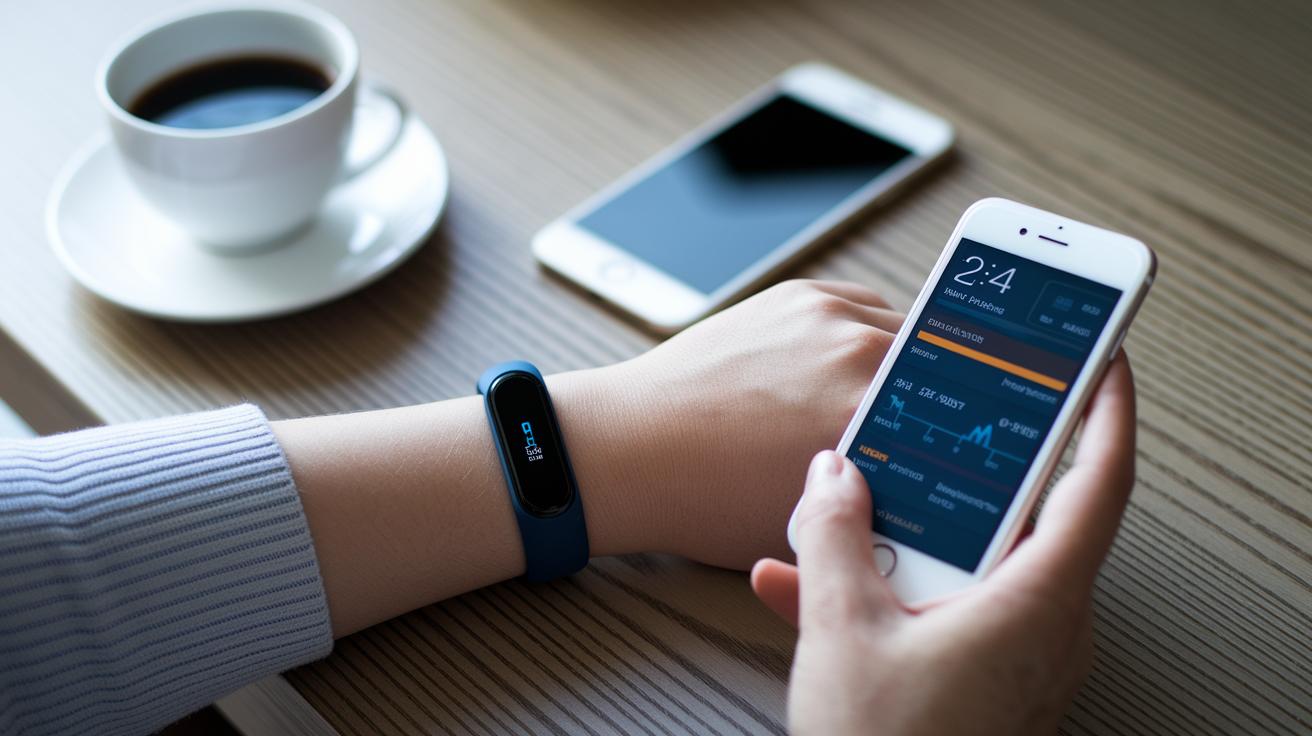
Next-generation sensors are changing the way we look after our health. Picture a small, comfortable band that keeps track of your water levels and blood sugar without any needles. It gently monitors your body, kind of like a friendly nudge reminding you to stay hydrated. Plus, smart tools help sort through the data so you get tips that feel just right for your day.
In addition, these clever devices are being built to help in emergencies. They can send out alerts with your location if something goes wrong. That means if you have a condition like heart issues or diabetes, help could be just a tap away. And with these gadgets connecting to your health records, your doctor can stay in the know, helping you feel secure and supported each day.
Final Words
In the action, we dove into the many ways wearable tech shifts health management into a real-time, personalized experience. The article showed how smart devices check vital signs, track sleep and activity, and even support remote care. Each section highlighted the role these gadgets play in streamlining everyday wellness and chronic care management. The impact of wearable tech on health management points to a future of more informed, user-driven care. All this leaves us feeling optimistic about a healthier, more connected tomorrow.
FAQ
How does wearable tech impact health management according to research papers?
The research shows wearable tech tracks vital signs like heart rate and sleep patterns, enabling users and providers to make timely adjustments and improve overall wellness.
What positive impacts does wearable tech have on health management?
Wearable tech offers real-time monitoring that supports personalized feedback, early detection of irregularities, and better management of chronic conditions through proactive care.
How do research PDFs describe the impact of wearable tech on health management?
Research PDFs detail how wearables monitor key metrics and provide data that empower patients and clinicians to adjust routines and treatments with greater precision.
What negative impacts can wearable tech have on health management?
Negative impacts include occasional inaccuracies and false alerts that may trigger undue anxiety, along with concerns about data privacy and secure handling of personal health information.
What benefits does wearable technology offer in healthcare?
Wearable technology delivers benefits like continuous monitoring of health metrics, early warnings for potential issues, and personalized insights that help guide better daily health decisions.
What disadvantages are associated with wearable technology in healthcare?
Disadvantages include potential sensor inaccuracies, high device costs, and risks related to data security, which can sometimes limit its broader use in patient care.
Which wearable health devices are considered top in the market?
Top wearable devices include smartwatches, fitness trackers, portable ECG monitors, and continuous glucose monitors, each providing valuable real-time health data for users.
What does the future hold for wearable technology in healthcare?
The future features advanced sensors, AI-driven improvements for greater accuracy, and deeper integration with health records, setting the stage for more proactive and personalized care.