
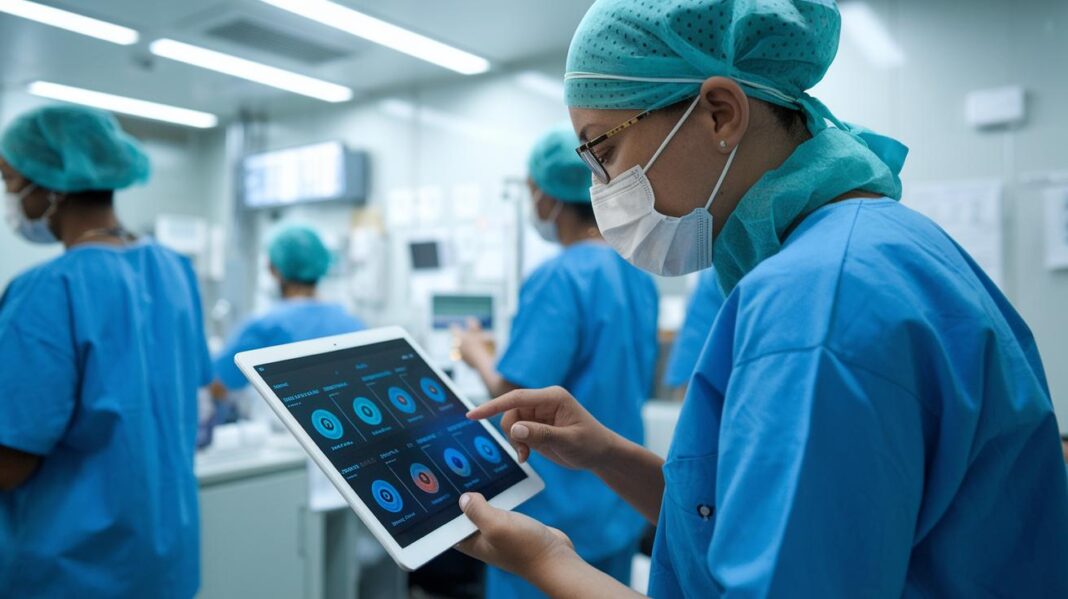

Ever wonder if your smartphone could help you feel amazing? Mobile health analytics does just that. It takes everyday numbers from wearables and apps and turns them into simple tips for you.
Imagine your phone looking at your heart rate, counting your steps, and checking your sleep patterns. It then acts like a friendly health coach, giving you clear signals to make better choices. This approach makes self-care much easier and helps connect raw data to real, helpful advice for both you and your care team.
How Mobile Health Analytics Transforms Raw Data into Actionable Insights
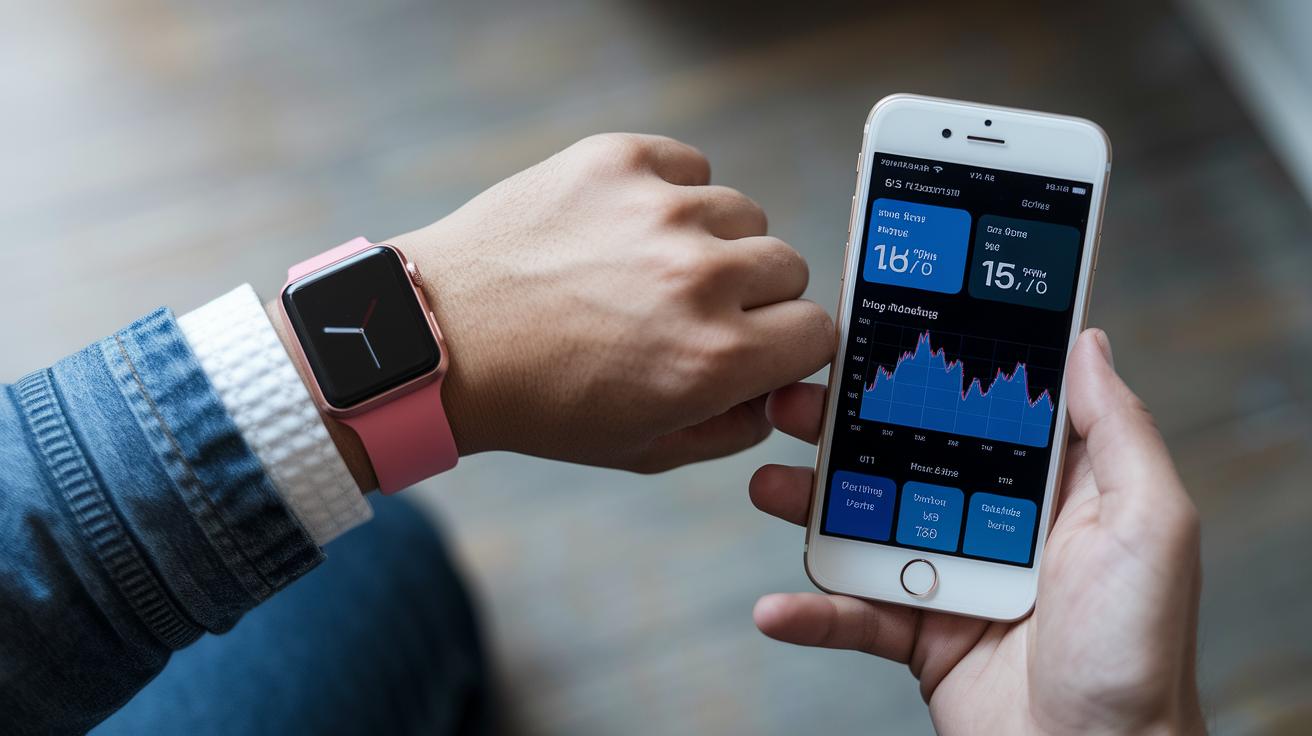
Mobile health analytics takes loads of raw data from smartphones, wearables, and connected devices and turns it into clear, helpful insights. Using smart tools and simple algorithms, it sifts through info like heart rate, sleep patterns, and step counts. This means that everyday numbers become a handy guide for care decisions.
For example, a mobile app might track your daily steps and pulse. These figures give you a quick snapshot of your overall wellness. With remote monitoring, you get regular updates on your health, and doctors can spot trends easily with telemedicine data. This process helps care teams work efficiently and lets patients see changes as they happen.
This approach smooths out clinical routines while bridging the gap between raw data and care strategies that truly work. Whether used for personal treatment or larger health projects, mobile health analytics transforms everyday numbers into actionable insights, helping to shape a care system that is both quick and responsive to your needs.
Key Technologies Powering Mobile Health Analytics Innovation
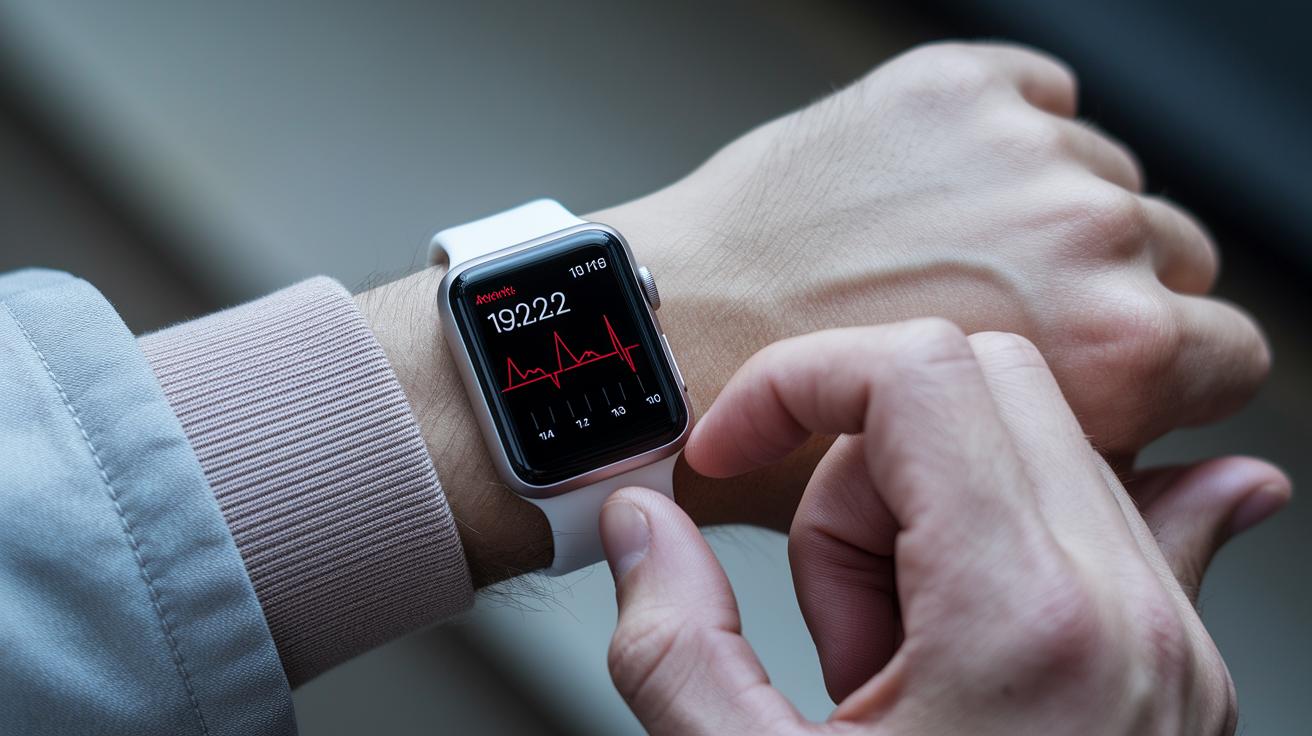
AI and machine learning are turning everyday health numbers into real care signals. Think of wearable sensors that give a gentle, steady pulse of information. When you mix that with smart devices, it paints a clear picture of your personal health. Even simple data like your heart rate or steps help adjust how we monitor your well-being from a distance.
Imagine checking your daily heart rate and watching clear patterns appear on your screen. Did you know that nearly 70% of new mobile apps use sensor tracking to keep an eye on health in real time? These smart systems not only handle tasks automatically but also predict health problems before they get serious. They dig through lots of health data to spot little changes that might otherwise go unnoticed.
At the same time, smart devices collect data all day, so real-time checks are possible. This helps doctors act quickly, especially in emergencies. For instance, if a wearable spots something off, it can alert a care provider right away, making sure help is always close by.
By putting these advanced tools together, mobile health analytics creates an easy flow: data is captured, processed, and turned into quick insights. The mix of AI, machine learning, and simple sensor tracking is a big reason digital health works so well and adapts to what patients need.
This innovation keeps growing and improving every day.
Analytical Frameworks and Reporting Methods in Mobile Health Analytics

Healthcare teams lean on smart, modern systems to turn huge heaps of data into useful insights. They use tools that help guide care decisions by spotting trends hidden in everyday numbers. For example, every day, special methods zero in on thousands of data points so that only the key facts steer important decisions. Fun fact: Data scientists can sift through over 10,000 data points in just a few minutes, picking out the details that make a real difference in patient care.
Detailed reports are another big player in this process. These reports take raw information and transform it into clear visuals and summaries that both doctors and administrators can easily understand. They help uncover changes in patient behavior and system performance, which paves the way for better care plans and overall health strategies. It’s like turning a jumble of numbers into a friendly map that leads to smarter decisions.
Secure data systems connect all these parts smoothly. They work well with tools like electronic health records technology (this means digital systems that keep track of your medical history), making sure everything stays safe and flows nicely between platforms. By using these organized approaches, mobile health analytics changes raw numbers into practical insights that support everyday care with clear, actionable information.
Real-World Case Studies in Mobile Health Analytics
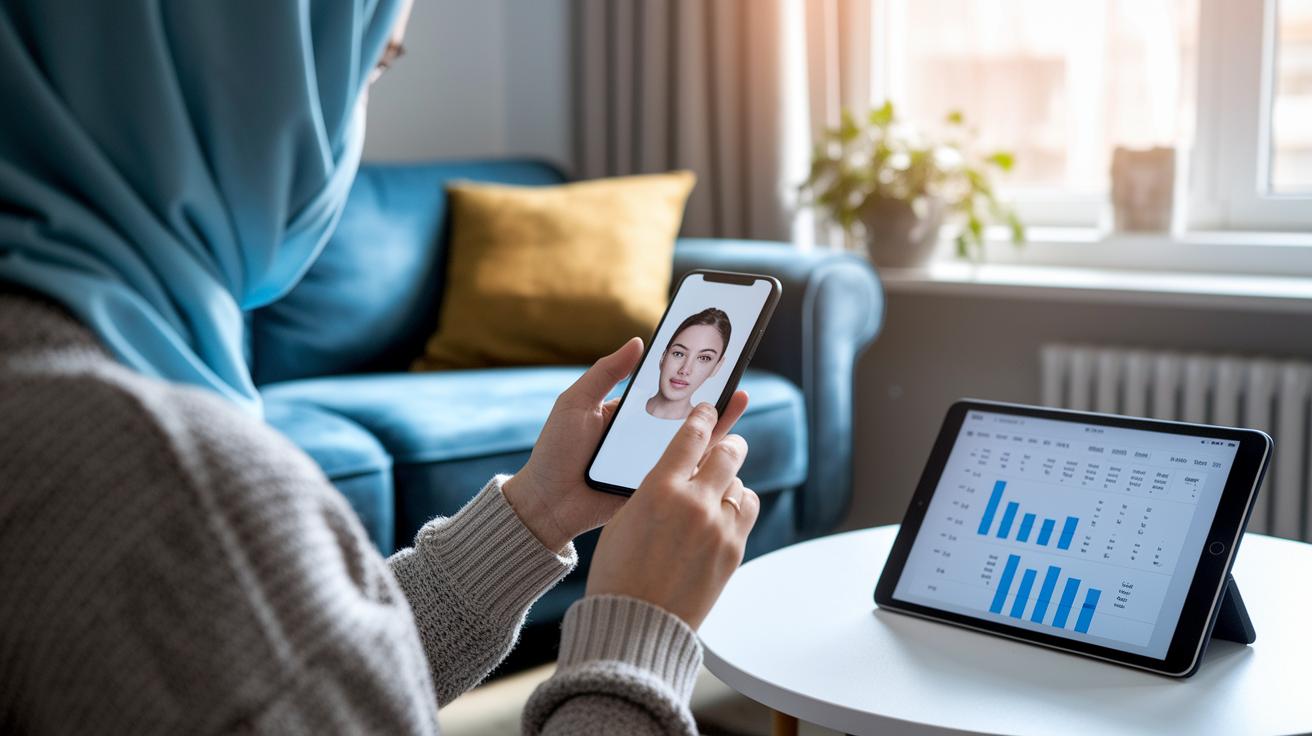
AiCure is a great example of mobile health analytics in action. They use smart facial recognition powered by artificial intelligence and machine learning tools on your phone to help patients take their medications on time. Imagine an app that gives you a gentle nudge and checks if you’re taking your pills correctly – like a caring friend who helps you stick to your routine.
Mount Sinai Health System is doing amazing work too. They mix together digital health records with tools that predict health risks to quickly spot patients in danger. This clever use of data means doctors can step in sooner and lower the odds of another hospital visit. Think of it as a system that reviews thousands of records and signals when someone might need extra care – that’s what smart predictive wellness looks like.
Tempus goes a step further by blending genetic information with standard clinical records. Using machine learning, they design treatment plans for cancer that are as unique as you are. It’s like having a personal health coach who understands your distinct needs and suggests treatments that really fit.
Mobile health analytics isn’t just about individual care. These tools also help public health teams work smarter. For example, some projects have mapped out areas more likely to see overdoses so doctors can send life-saving medicines exactly where they are needed. Other efforts have looked at local data to figure out which communities might be at higher risk for youth tobacco use.
These examples show just how real and helpful digital health insights can be. By turning data into practical care, mobile health analytics is truly changing how we manage well-being in our fast-moving world.
Addressing Challenges and Ensuring Privacy in Mobile Health Analytics
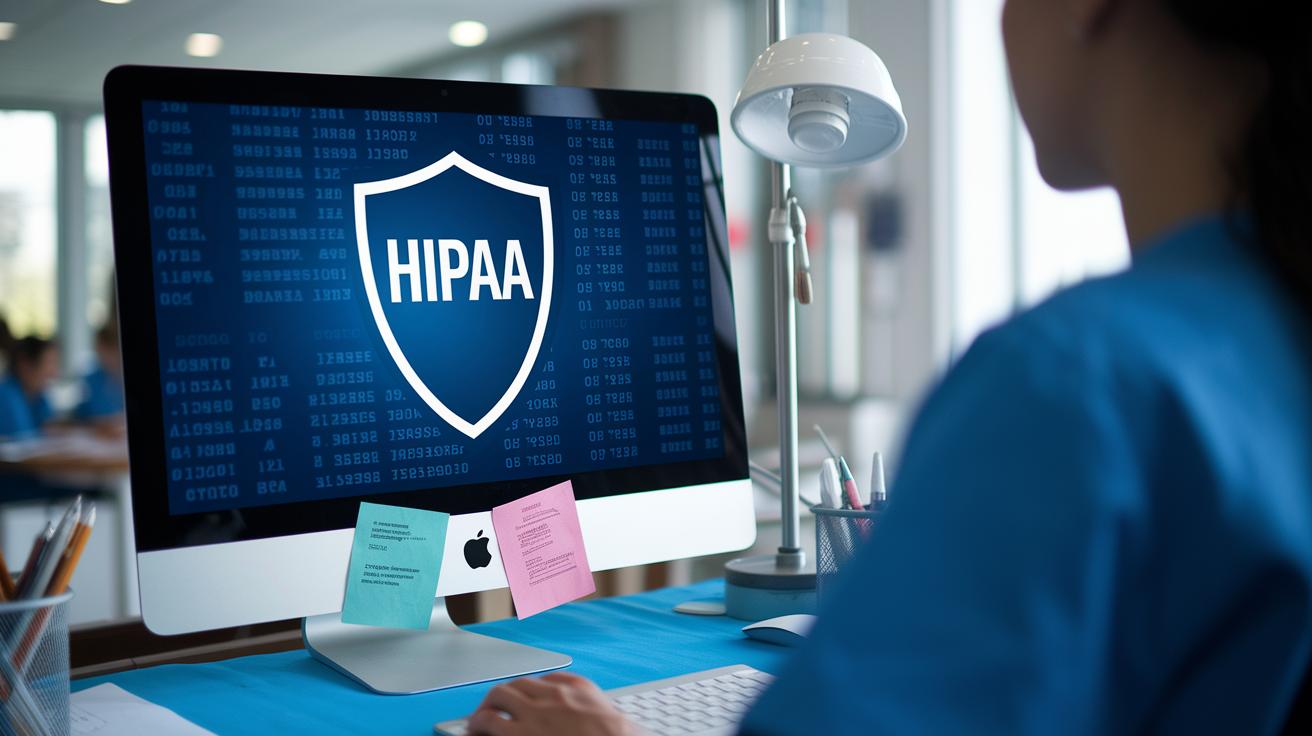
Sometimes mobile health data can get caught up in delays or errors. Data from devices and wearables often flows in quickly, but even a brief lag in processing can mean that important insights come too late. A small pause might slow down the care team when they need to act quickly.
Keeping patient information safe is a top priority. Health data must be well-protected, so teams work with tools that follow HIPAA rules (these are guidelines to keep your health information private). New methods for gathering and checking patient details help ensure that sensitive info stays secure.
Regulations are a big deal too. Healthcare providers use secure systems that let data move smoothly while still meeting strict guidelines. With the right steps in place, delays are cut down and the data stays clear and up-to-date.
Data security in mobile health is more than just having strong passwords. It means running systems that continuously check for weak spots and fix problems right away. This way, the data you depend on remains both trusted and private all along its journey.
- Use secure analytic frameworks
- Try advanced ways to capture patient details
- Check on your compliance regularly
These simple strategies help turn raw health data into useful insights without ever sacrificing your privacy or breaking the rules.
Future Directions in Mobile Health Analytics and Predictive Care
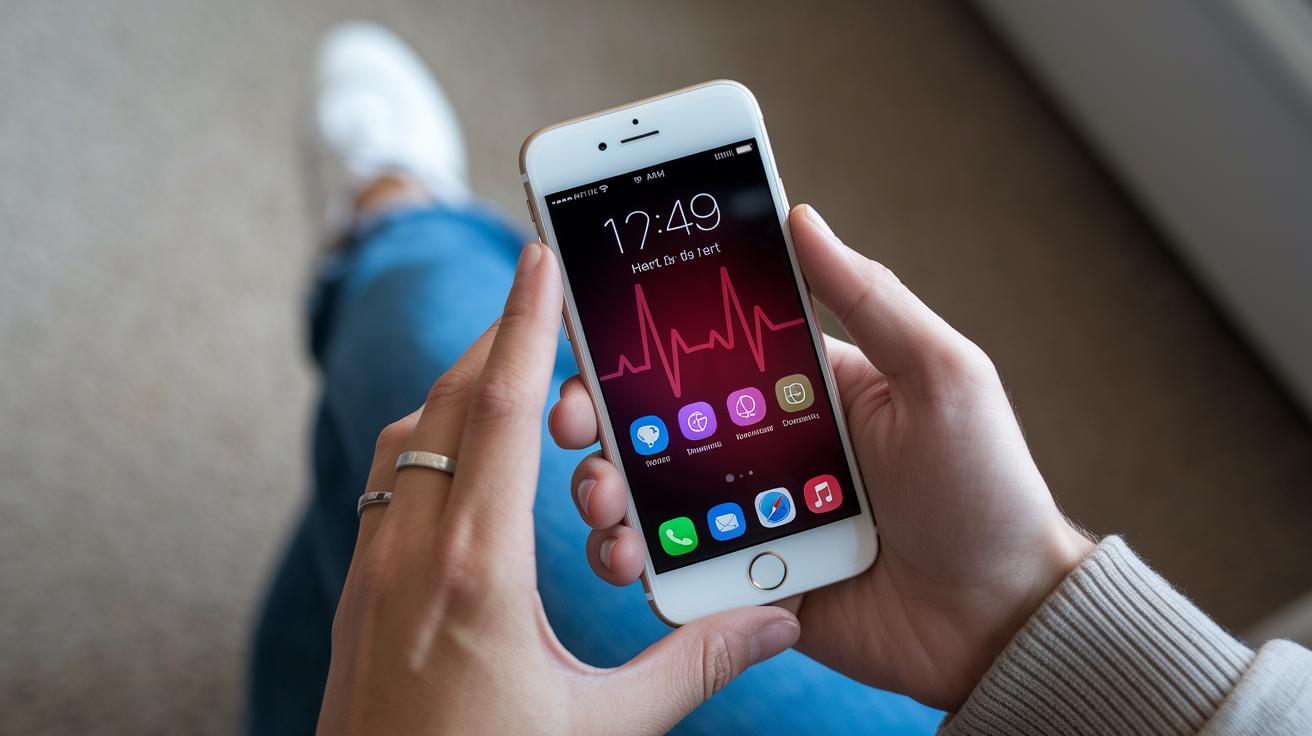
Mobile health analytics is breaking new ground, opening up fresh ways to take care of our well-being. New techniques, like edge AI (smart computer programs that work right where data is created) and federated learning (a way to keep your data private while still using it to help many people), are speeding up how we process information. Predictive modeling, powered by advanced algorithms, helps spot health trends before they turn into bigger issues, which means doctors can plan better care right from the start.
Imagine your phone gently nudging you with, "Hey, your heart rate seems a bit off, maybe give your doctor a quick call?" Simple alerts like these not only calm your mind, but they also guide you through everyday wellness choices in real time.
Next, new digital therapies and sensor tech are making monitoring both smooth and spot-on. They offer live feedback to help you tweak your daily health habits, so you stay on top of things as they happen. These smart tools take everyday data and turn it into clear, actionable advice, paving the way for a future where care is always a step ahead.
This fresh approach transforms routine check-ups into a more intuitive, forward-thinking way to stay well.
Final Words
In the action, mobile health analytics transform everyday health data into clear, actionable insights. The discussion walked through advanced sensors, AI, and secure frameworks that convert raw information into practical steps for improved care.
Real-world examples highlighted how these tools support quick, personalized decisions while protecting privacy. Mobile health analytics: turning data into insights truly empower care teams and patients alike. It's uplifting to see technology work hand in hand with health for a brighter, more connected tomorrow.
FAQ
Frequently Asked Questions
What do mobile health analytics examples show about turning data into insights?
The mobile health analytics examples illustrate how raw data from devices and wearables transforms into clear insights, like improving care and boosting operational efficiency. Recent examples even from 2021 demonstrate this practical shift.
How does real-time data analysis work in health monitoring systems?
Real-time data analysis in health monitoring systems uses advanced tools to process health information instantly from devices. It supports quick decision-making and helps caregivers act fast when changes in patient status occur.
What benefit does real-time charting offer in healthcare?
Real-time charting offers the benefit of instant data updates, which means nurses and clinicians can immediately view changes in patient data. This helps in making timely decisions and enhances overall care.
How does real-time nursing documentation improve patient care?
Real-time nursing documentation improves patient care by allowing nurses to quickly record and access patient data during shifts. This immediate update ensures that the care team works with the most current information available.
What are the key advantages of incorporating real-time charting in nursing practices?
The key advantages of incorporating real-time charting in nursing practices include faster documentation, improved communication among care teams, and a better overview of patient conditions, thus supporting safer, more informed care delivery.