


Ever feel caught in a storm of worries? You're not the only one. Over 40 million adults face anxious thoughts every day, and that can feel really tough.
Simple actions like taking slow, deep breaths, going for a quick walk, or writing down a single happy moment can change your mood. These little habits may seem small, but they create pockets of calm that help you feel more in control.
Today, let's talk about how a few mindful moments can ease anxiety and help you feel better. Take a deep breath and give these routines a try, you might be surprised at how much they brighten your day.
Key Daily Practices for Anxiety Relief
More than 40 million U.S. adults live with anxiety, so it makes sense to find daily ways to calm your mind. Start with just a few minutes of slow, deep breathing to ease tension. Then, take a short break to move your body, a brisk walk or some simple stretches can really lift your energy.
Another great idea is to jot down one good moment from your day. This little journaling habit helps shift your focus away from worries, even if it’s just a small note. Lastly, try setting a tech curfew, turning off your devices one to two hours before bed. This gives your mind a chance to wind down and get ready for a peaceful sleep.
Morning Centering Activities in Your Daily Anxiety Routine
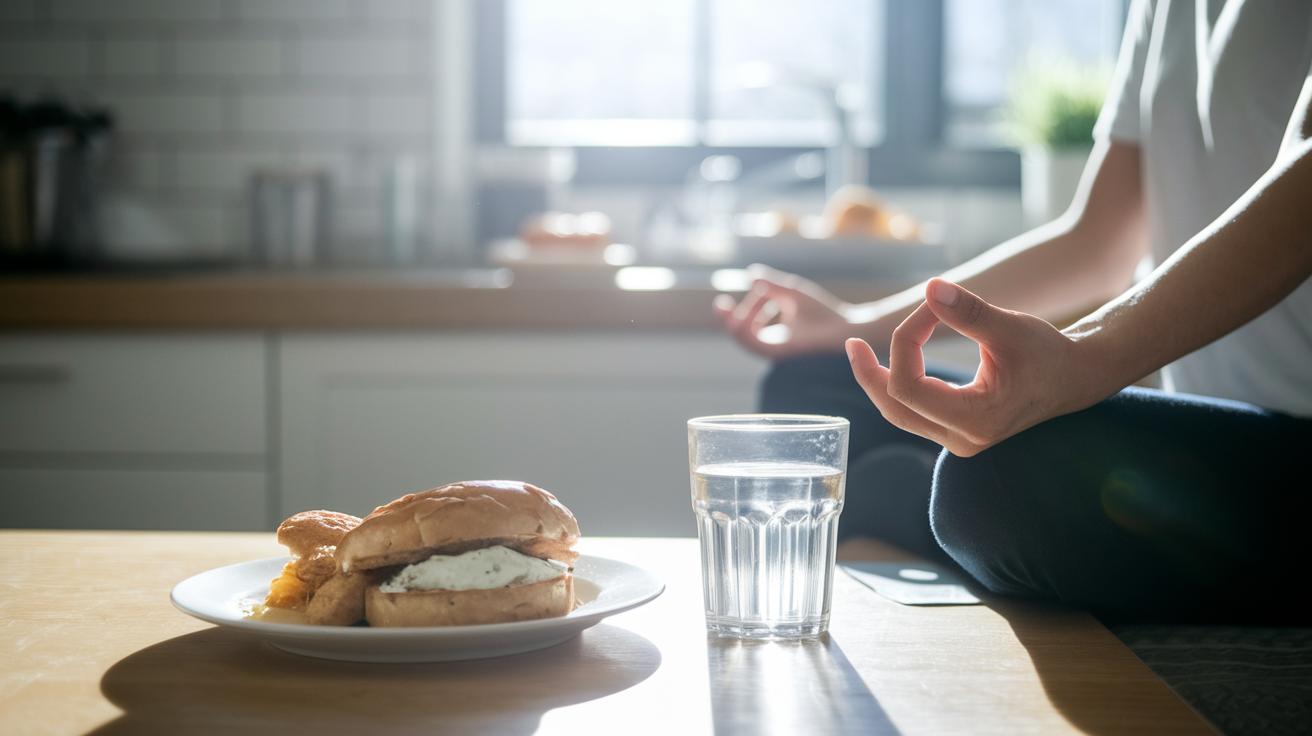
Wake up at the same time every day to steady your internal clock and quiet those early jitters. Before you check your devices, try spending 15 to 20 minutes in meditation or simply focusing on your breath. Deep belly breathing, where you slowly fill your lungs, can lower your stress hormones in under five minutes. For example, sit comfortably, take a deep breath in through your nose, and exhale slowly through your mouth while paying attention to your breath’s rhythm. This little practice sets a calm tone, so you can ease into your day feeling focused.
After that mindfulness break, drink a full glass of water to wake up your brain and boost your energy. Staying well hydrated helps keep your body and mind alert, especially when you follow up with a healthy breakfast within an hour of waking. Eating balanced meals every three to four hours can then help keep your mood steady throughout the day. If you need more tips on hydration and finding calm before you dive into your devices, check out our guide on a morning wellness routine for a productive day. This routine lays the foundation for calm, giving you the energy and clarity you need to tackle daily stress with ease.
Midday Stress Alleviation Methods to Sustain Daily Calm
Taking a few minutes in the middle of your day can really clear your head and help you stay on track during a busy work period. One great trick is the Pomodoro method, where you focus on a task for 25 minutes and then take a short break. Even a quick five-minute walk or some gentle stretching at your desk can melt away built-up tension and leave you feeling refreshed. Research even shows these tiny breaks can ease stress almost as well as a light dose of anti-anxiety help.
Besides these structured work sessions, why not sneak in a little mindful breathing when you switch tasks? A few minutes of guided deep breaths can calm your mind and relax your body, almost like a reset button during your hectic day. And don’t forget to check if you’re staying hydrated, you might be surprised how much a sip of water can perk you up both physically and mentally.
- 25-minute focused work sessions
- 5-minute walks or desk stretches
- Simple desk-based muscle releases
- Brief guided breathing breaks
- Regular hydration check-ins
These easy steps can become your go-to routine for keeping calm and focused throughout the day, helping you turn stress into a gentle, manageable energy.
Evening Serenity Rituals for Nighttime Anxiety Relief

At night, it really helps to have a simple routine that calms your mind and prepares your body for sleep. You might start by turning off your screens about one or two hours before bed. This little change cuts down on blue light that can mess with your natural sleep hormone, melatonin, and helps signal your body that it’s time to wind down.
Maybe you choose a relaxing ritual, like soaking in a warm bath, trying some gentle yoga, or enjoying a bit of light reading. These activities create a soft, peaceful vibe that gently tugs your mind away from stress. Have you ever noticed how a quiet moment can change your whole evening?
Next, give reflective journaling a try. Simply jot down three positive moments from your day that fill you with gratitude. This small act helps quiet anxious thoughts while easing you from your busy day into a calm night.
Finally, set the stage for rest by making your bedroom cool, dark, and quiet. This setup tells your body that it's time to relax deeply, making sleep more inviting and refreshing. With these gentle practices, you leave anxiety behind and welcome deep, calming sleep.
- Set a device curfew by turning off screens 60 to 120 minutes before bed.
- Engage in a relaxing activity like a warm bath, light reading, or gentle yoga.
- Write down three positive moments from your day to focus on gratitude.
- Create a cool, dark, and quiet sleep environment to support uninterrupted rest.
Journaling and Self-Talk Exercises for Inner Tranquility
Targeted journaling and positive self-talk exercises help clear your mind after a busy day. Spending just a few minutes writing lets you track your feelings, notice what sets off your stress, and slowly build your resilience. Pairing a bit of reflective journaling with simple mindful meditation (learn more at https://siluk.net?p=1092) brings a touch of clarity and breaks the loop of anxious thoughts. Setting aside a few calm minutes for self-reflection not only grows your sense of gratitude but also makes you better at coping with stress, paving the way to lasting inner calm.
Here are some easy prompts to get you started:
- What went well today?
- How did I manage today’s stress?
- What am I grateful for right now?
- How can I turn a worry into something positive?
- What self-care step will I take tomorrow?
- Which breathing trick helped me relax the most?
Using these prompts regularly reminds you of your inner strength. Affirmative self-talk serves as a friendly nudge, letting you remember your good points during tough times. Over time, this approach not only eases your anxiety but also builds a steadier mindset, so you can welcome tomorrow with fresh optimism and a newfound sense of inner strength.
Building a Consistent Relaxation Schedule and Tracking Progress

Planning a little time every day to unwind can really help ease your anxiety over time. Research suggests that it takes about 66 days to form a new habit, so sticking to a regular relaxation routine is super important. Think about spending a few minutes daily on mindful practices like deep breathing or light stretching, and then jotting down your feelings in a journal or using an app. On weekends, when you're extra flexible, try out different calm-down techniques to see what works best for you. This way, you can keep track of what helps reduce your tension and tweak your routine with confidence.
Adjusting your routine day by day can boost your resilience and help you build strong, lasting habits. Mix in activities that feel fun, like a gentle nature walk or listening to calming music (check out this anxiety reduction music if you like: https://worthykaws.com?p=2794). Writing down your daily practices is a handy way to spot patterns and make small improvements as you go. Tracking your progress not only gives you a little motivational boost but also shows you the timeline of your habit forming in a clear way.
- Write down your daily relaxation practices and note what works best.
- Try mixing up your routine on weekends to discover what triggers your anxiety.
- Add enjoyable activities like nature walks or audio-guided calm sessions.
- Go back over your journal entries regularly to see how your habits are evolving.
Final Words
In the action of tackling anxiety, we've covered simple yet effective practices, morning centering activities, brief midday movement breaks, and calming evening rituals that include screen curfews and journaling. Each step builds towards a consistent routine that makes daily life feel lighter.
These ideas help you embrace daily mental wellness routines for anxiety relief. The small, steady changes you make can lead to a brighter, calmer tomorrow. Keep moving forward and savor each mindful moment.
FAQ
How to relieve stress quickly and reduce anxiety immediately?
Quick stress relief includes deep diaphragmatic breathing, a short walk, and brief mindfulness breaks. Focusing on these simple actions can calm your mind and body almost instantly.
Mindfulness exercises for anxiety PDF?
A mindfulness exercises for anxiety PDF provides structured steps with clear meditation prompts and guided breathing techniques, making it easy to follow and quickly calm anxious thoughts.
Can a daily routine help with depression and anxiety?
A set daily routine—featuring consistent wake-up times, hydration, mindful breaks, and light exercise—creates predictability that can ease depression and anxiety by promoting a sense of stability.
What exercises can relieve stress and anxiety for adults?
Combining mindful movement with desk stretches and brief walks helps relieve tension and stress. These exercises direct your focus to your body and breath, offering quick relief from anxiety.
How can a woman relieve stress effectively?
Women can relieve stress with simple self-care strategies like deep breathing, short mindful pauses, light movement, and journaling. These steps promote balance and calm during busy or challenging times.
What should a morning routine for anxiety include as suggested on Reddit?
A morning routine might include hydrating, a short meditation or breathing exercise, and some light movement. Starting your day with these steps can reduce morning jitters and set a calm tone.
What is the 3-3-3 anxiety rule?
The 3-3-3 anxiety rule encourages you to name three things you see, listen for three sounds, and move three parts of your body to help ground your focus and ease anxious feelings.
What is the 555 rule for anxiety?
The 555 rule involves inhaling for five seconds, holding your breath for five seconds, and then exhaling for five seconds. This breathing exercise can slow your pace and ease anxiety symptoms.
What is the 3/2:1 rule for anxiety?
The 3/2:1 rule is a quick breathing exercise where you inhale for three seconds, hold for two seconds, and exhale for one second. It aims to regulate your breathing and quickly reduce anxious tension.