


Ever wonder if your personal info is really safe under US law? State and federal rules differ all over the map, so companies often find it tricky to protect your data.
It can feel like trying to follow a changing map every day. In this article, we break down what the rules mean and share simple tips to help you understand your privacy rights in our fast-changing digital world.
Overview of the US Data Privacy Laws Landscape

In the United States, data privacy laws form a patchwork quilt rather than one neat, all-encompassing rule. Businesses must juggle a mix of state-level guidelines and federal oversight, all while knowing that no single law tells them exactly what to do. The Federal Trade Commission, or FTC, keeps an eye out and steps in when practices seem unsafe or misleading.
Each state plays its own role in setting guidelines. Right now, 19 states have detailed laws, and 12 more are set to join in over the next two years. This shift means that companies need to stay on their toes, updating how they collect, store, and share personal information as both tech and legal expectations evolve.
Remember, in 2022, an important law called the American Data Privacy Protection Act didn’t make it through, highlighting how challenging it is to create one standard for everyone. As digital information grows, it’s more important than ever for businesses to keep up with these changes and protect customer data every step of the way.
Key Federal US Data Privacy Laws and Their Provisions

Federal law acts like a safeguard for your personal information. It all started with the Privacy Act of 1974, which set clear standards for how federal agencies handle your data. Picture a caring office, treating your records as carefully as a local library treats its treasured books.
HIPAA, passed in 1996, focuses on protecting your health details. Imagine the comfort you feel when your doctor checks your test results using a secure app. Then there’s COPPA from 1998, which safeguards children's online information by asking for parental permission first. And finally, GLBA, enacted in 1999, makes sure financial institutions manage your money-related information securely.
All these laws work together to create a strong safety net for your data. Each law has a special role, but they all share one goal: to handle your information with care. Companies and agencies must follow these strict rules to keep your data safe.
| Law | Year Enacted | Scope |
|---|---|---|
| Privacy Act of 1974 | 1974 | Federal agency data |
| HIPAA | 1996 | Medical records and health info |
| COPPA | 1998 | Children’s online data |
| GLBA | 1999 | Financial institutions and data |
us data privacy laws: smart compliance insights
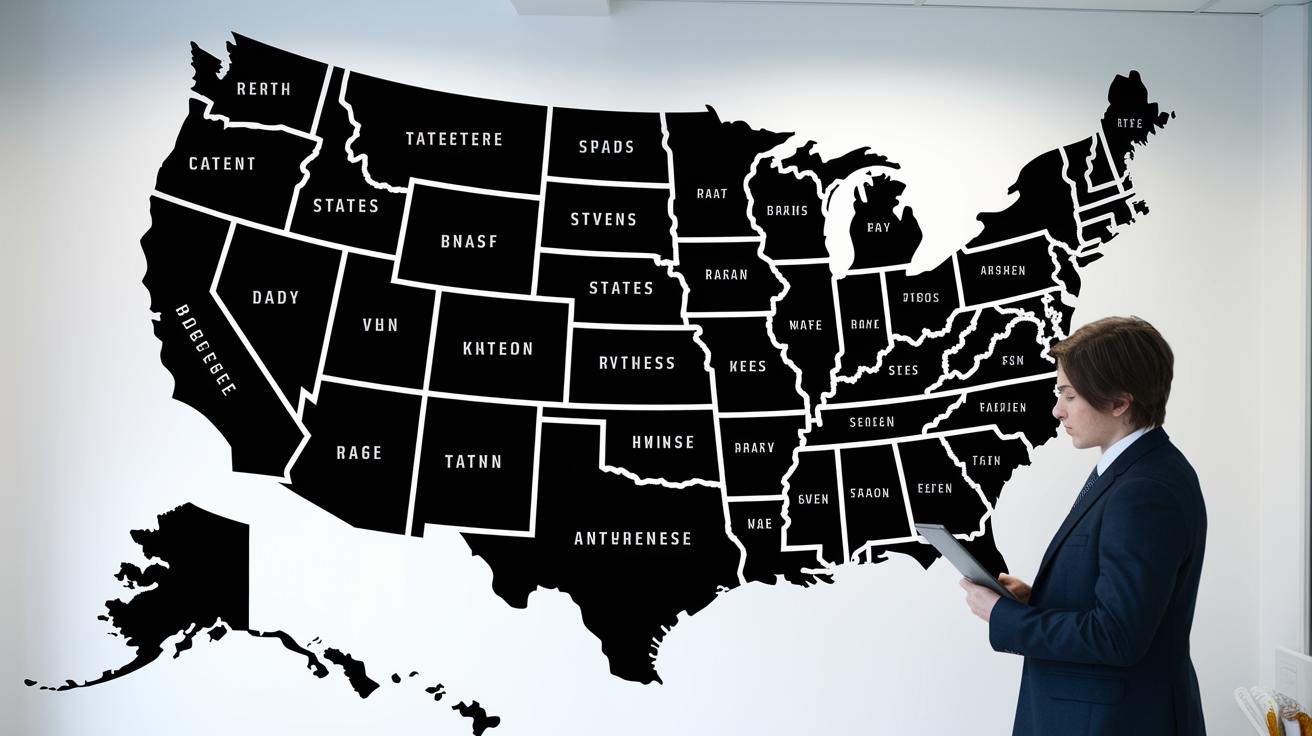
Privacy laws are different in each state, and that means businesses need smart strategies to stay on track. For example, in California, companies quickly changed how they handle data to meet the tough rules of the CCPA and CPRA. Some states require immediate action, while others give companies time to adjust without too much disruption. Knowing these timelines helps organizations plan ahead and keep things running smoothly.
This mix of laws means firms must shape their data security methods to match each state's schedule. In states like Virginia and Colorado, clear deadlines push companies to update their processes quickly. Meanwhile, states such as Tennessee and Indiana offer later start dates, giving businesses a bit more time to catch up. These differences act as a practical guide, helping companies align their compliance efforts across many regions. Next, take a look at the table below for a quick comparison of key state privacy rules and their timelines, a handy resource for planning your compliance tasks.
| State | Law Abbreviation | Effective Date |
|---|---|---|
| California | CCPA/CPRA | Current |
| Virginia | CDPA | 1/1/2023 |
| Colorado | CPA | 7/1/2023 |
| Montana | SB 384 | 10/1/2024 |
| Tennessee | SB 73 | 7/1/2025 |
| Oregon | SB 619 | 7/1/2024 |
| Texas | DPSA | 7/1/2024 |
| Iowa | ICDPA | 1/1/2025 |
| Indiana | INCDPA | 1/1/2026 |
| Delaware | DPDPA | 1/1/2025 |
Enforcement Mechanisms and Penalties under US Data Privacy Laws

Federal and state agencies work hand in hand to keep companies on the right track with your personal data. The FTC acts much like a friendly watchdog that steps in when businesses use unfair practices, making sure they follow clear rules and treat your information responsibly.
State Attorneys General are on the case too, and they take rule-breaking very seriously. They pursue violations vigorously, which can result in fines, lawsuits, or even hurt a company’s reputation. For instance, under CPRA rules, fines can stack up to as much as $7,500 for each violation. This pressure encourages organizations to review their data policies often and make sure their security stays tight.
Breach reporting steps are also a key part of the system. Since rules for data breach notifications change from state to state, companies have to be ready to alert people quickly if something goes wrong. This variety makes it important for businesses to have strong internal checks to catch and address issues fast.
When companies don’t comply, they face steep fines, long legal battles, and lasting damage to their reputation. It shows that keeping data safe is a top priority, and everyone must work hard to protect our digital lives every day.
US Data Privacy Laws in a Global Context: GDPR vs CCPA

The GDPR, which came into effect on May 25, 2018, gives you broad control over your personal data. It means companies must ask for your clear permission and take care with your information. If they mess up, they might face fines of up to 4% of their global earnings. Think of it as a detailed rulebook to keep your data safe.
Across the pond in the United States, laws like the CCPA and CPRA focus more on giving you a direct say – letting you opt out, see your data, and even request its deletion. Companies have to provide clear ways for you to manage your information. Even though the penalties here aren’t as steep as those under the GDPR, these rules still encourage businesses to make changes that protect consumer trust. It’s like having a trusty safety net tuned to what matters most for everyday users.
Then there’s the EU AI Act, introduced on December 9, 2023, which uses a risk-based approach to keep an eye on artificial intelligence. While the GDPR sets up a broad system of protection, the CCPA and CPRA take a more focused approach with specific consumer rights. This shows how different parts of the world balance strict safety measures with flexible rules that fit their own markets and legal traditions.
Emerging Trends in US Data Privacy Laws and Future Outlook

In recent years, laws around data privacy have been getting stricter. Back in 2018, the CCPA changed the game, and when the pandemic hit in 2020, businesses scrambled to boost their data protection quickly. The ADPPA proposal in 2022, even though it didn't pass, reminded everyone that a single rule for everyone is hard to achieve. Then in 2023, updates like the NY SHIELD Act and new state rules from Utah and Connecticut further improved consumer rights and compliance.
Keep a close watch on these shifts. Experts are hinting that a federal privacy law might show up in 2024. Imagine an IT team setting a reminder, "update data safeguards every quarter," just like you’d schedule routine maintenance for your car.
Smart steps to consider include doing regular audits, holding staff training sessions, and investing in flexible security systems. These actions help businesses stay on top of changing laws while keeping consumer data safe.
Final Words
In the action, we explored how us data privacy laws shape both federal and state rules, highlighting major benchmarks like HIPAA and CCPA. The blog broke down core regulations, enforcement methods, and international comparisons with clarity. Small, focused insights on emerging trends reminded us that staying well-informed isn’t just smart, it’s necessary. It’s encouraging to see ongoing efforts that simplify how we manage our personal data in our fast-paced digital world.
FAQ
How do US data privacy laws compare to the GDPR?
The US privacy framework differs from GDPR, as it relies on a mix of state-level and federal rules focused on specific sectors rather than a single, all-encompassing regulation.
What are some global data privacy laws outside the US?
Global privacy laws include the EU’s GDPR, Brazil’s LGPD, Singapore’s PDPA, and Australia’s Privacy Act, each setting standards for data protection in their regions.
What do state-level data privacy laws in the US cover, and how many states have them?
US state laws vary, with 19 states having robust privacy regulations. These laws address consumer rights, data security, and specific industry needs through unique, localized rules.
How are consumer data privacy laws structured in the US, including those for financial services and other sectors?
US consumer data privacy is shaped by federal guidelines enforced by the FTC, along with sector-specific laws like those protecting financial and health information, ensuring fair data practices.
What is considered the US equivalent of the GDPR?
There isn’t a direct US counterpart to the GDPR; instead, the country uses a patchwork approach with various state statutes and federal sectoral laws to protect personal data.
What does the proposed data privacy regulation 2025 entail?
The proposed regulation for 2025 aims to update privacy protections to keep pace with technology, setting fresh standards for data handling and boosting consumer rights.
What are the seven general principles of data protection regulations?
The seven principles commonly include lawfulness, fairness, transparency, purpose limitation, data minimization, accuracy, and accountability, laying the foundation for robust data protection practices.