


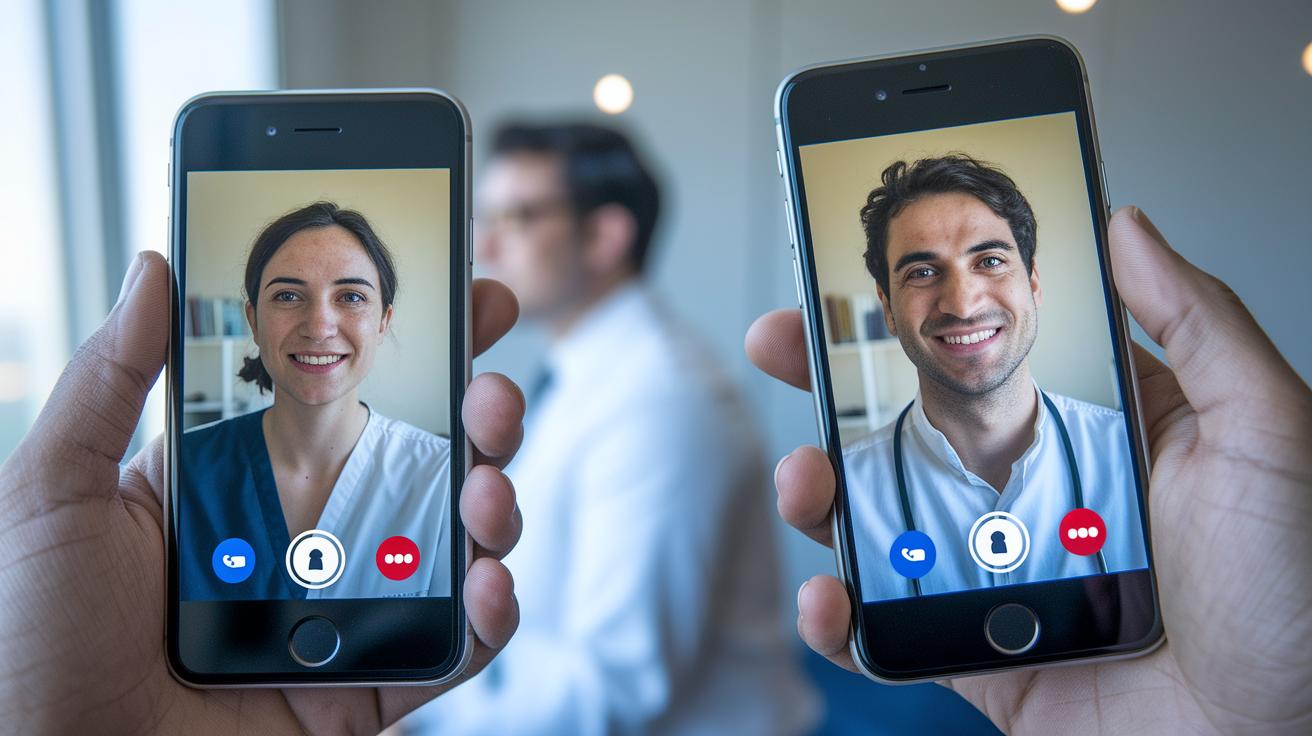
Have you ever thought about whether a video call can capture the warm, friendly touch of an in-person doctor visit? It might sound surprising, but checking in with your doctor over video can make you feel truly connected. Imagine seeing your doctor’s kind smile or a reassuring nod with just one tap on your screen.
Digital check-ins like these let you experience real, personal care even when you're far away. The conversation flows naturally and feels almost like chatting face-to-face. It's a simple, effective way to bring modern technology together with genuine care.
Video consultations aren’t just a handy tool; they help build a stronger bond between you and your doctor, turning routine check-ups into a more familiar, comforting experience.
How Video Consultations Transform Patient–Doctor Communication Quality
Telehealth means using everyday devices like smartphones, tablets, or computers to connect you with your doctor. Video calls let you talk face-to-face with your doctor from the comfort of your home. This system is really handy when visiting a clinic in person is tough. Some patients even say, "I felt at ease knowing my doctor was just a tap away." That simple remark shows how reassuring digital care can be.
Virtual visits do more than just make care easy to reach. They let you see your doctor and pick up on small cues like a friendly smile or a gentle nod. These details help build trust and make the conversation feel real. When your doctor can see your expressions and body language, it adds a fresh layer to your talk. One patient shared, "Watching my doctor explain things face-to-face made all the difference." With these visual cues, your care feels warmer and more personal.
In short, video consultations are changing how we experience healthcare. They bridge the gap of distance while keeping that essential human touch. Isn't it amazing how a simple video call can make you feel so connected and cared for?
Comparative Analysis of Video vs In-Person Consultations on Communication Dynamics

Between October 2017 and June 2018, a team studied 50 colorectal outpatients to see how video calls stack up against phone consultations. They wanted to know if being familiar with video tools made a difference in how smoothly patients and doctors talked. Patients picked their own method, which helped mirror everyday clinical practice.
Really, 22 out of 50 patients, or 44%, chose video calls. Their past experience with video tools made them feel more comfortable during these sessions (p<0.001). Surgeons also found that the visual element was a big help. In video calls, doctors got clear visual feedback in 20 out of 22 cases, compared to just 14 out of 28 phone calls. Looking back, clinicians preferred 21 out of 22 video sessions, showing that seeing each other builds trust and helps with accurate assessments.
In short, video consultations make it easier to share information and create a meaningful connection. Still, there are times when the extra visuals aren’t needed, like when giving good news about test results. The added visual contact can really boost dialogue and mutual understanding.
| Key Factors | Considerations |
|---|---|
| Patient comfort and preference | Ease of use and past video experience |
| Clarity of information | Better exchange with visual cues |
| Physician assessment | Feedback from seeing patients |
| Consultation duration | Efficiency of interactions |
| Rapport and trust | Visual contact builds connection |
| Limited benefit scenarios | Instances where visuals aren’t needed |
Visual Feedback and Nonverbal Cues in Remote Clinical Conversation Outcomes
Video calls give doctors a chance to pick up on little hints that tell a bigger story. For example, a patient might furrow their brow or quickly look away, which can show discomfort or stress even if they don't say so. One doctor noted, "That brief pause and small grimace might point to pain or worry that we should talk about."
Sometimes, these quiet signals can shape how a doctor makes a decision. A slow nod or a small shift in body position can mean a patient is unsure about their treatment or hiding symptoms. I remember one consultation where a doctor saw a quick wince and asked more questions, which helped spot early signs of inflammation.
These nonverbal clues also boost the overall quality of communication during video calls. With this extra visual feedback, doctors can fine-tune their approach on the spot. For instance, noticing a gentle head tilt might hint at balance issues or other health concerns, guiding the next steps in care.
Technological Factors Shaping Telehealth Discourse Efficiency

Telehealth visits need a steady, clear connection so patients and doctors can easily talk. Often, these sessions start with a quick test call over Wi-Fi or 4G. This check makes sure the connection is strong before the main appointment begins. A solid connection helps everyone feel relaxed and keeps interruptions low.
Another key part is how user-friendly the platform is. The system scored 84 on a well-known usability test, and roughly 73% of users rated it as excellent. That kind of positive feedback boosts confidence, making digital interactions smoother and more effective.
Timing is also important for remote consultations. Doctors have noticed that video visits don't take much extra time compared to regular phone calls. The conversation stays on track thanks to reliable technology and an easy-to-use interface. In each session, both patients and doctors remain focused and engaged, which deepens the mutual care they share.
Patient Satisfaction, Trust, and Empathy in Video-Based Care Relational Dynamics
Video consultations keep getting positive feedback from patients who enjoy the warm, personal touch in every session. They often say they feel truly listened to and cared for. One patient mentioned, "My doctor’s gentle smile and calm tone made me feel safe during a very hard time." These stories show that seeing a friendly face, along with a thoughtful approach, can help ease worries and boost satisfaction.
Doctors and nurses say that chatting face-to-face over video creates a trusting space. They notice that even small cues, like a kind smile or a gentle nod, help build a more real connection. Even surgeons have seen that clear facial expressions and honest talk lead to more engaging visits and follow-up care that feels full of care.
Some key factors include:
| Key Factor | Description |
|---|---|
| Facial Expressions | Showing warmth and care through your face |
| Tone and Pace | Speaking in a steady and kind way |
| Simulated Eye Contact | Keeping the look of direct, caring attention |
| Personal Verbal Cues | Using words that let patients know they matter |
| Smooth Tech Experience | Having a video setup that works seamlessly |
Ensuring Privacy and Communication Integrity in Digital Consultations
Digital care platforms offer patient portals for secure messaging, lab result checks, and record reviews. They use strong encryption and multi-factor authentication to keep your details safe, making these portals much better than regular email. This secure approach is essential because a privacy breach could lead to worries or misuse of your information. Even though telehealth brings great benefits, it also means data security must be handled carefully.
Best practices for secure video consultations help keep both your privacy and the conversation clear. Providers stick to strict guidelines and update system protocols frequently to prevent unauthorized access. Detailed instructions, like those shared in best practices for secure video consultations in telemedicine (https://ourmobilehealth.com?p=246), guide both developers and users on how to protect sensitive health details. With these measures in place, both patients and providers can feel confident that their conversations stay private and protected.
Remote Diagnosis Exchange Analysis: Case Study in Surgical Outpatient Care
We looked at 50 patients after their colorectal surgery. Some had video calls while others chatted by phone. In 22 video sessions, doctors picked up on small facial changes in 20 of them. These visual hints helped them spot issues faster. One doctor said, "I noticed a slight change in expression that made me look closer," which helped catch problems early for a few patients.
The numbers told a clear story. Almost every doctor preferred video calls, with 21 out of 22 choosing this method. Even though the overall call lengths stayed the same, video calls captured nonverbal cues that made examinations clearer and more effective. Patients also felt good about the technology. On average, the platform scored 84 out of 100 for usability, and about 73% of users rated it as excellent.
| Metric | Result |
|---|---|
| Visual Feedback Benefit | 20 out of 22 sessions |
| Time Efficiency | No change in duration |
| Preference Rate | 21 out of 22 surgeons preferred video consultations |
| System Usability Score | 84, with about 73% rating it as excellent |
In short, video consultations offer special benefits by capturing tiny details that help doctors make quick, informed decisions.
Final Words
In the action, video consultations have reshaped how doctors and patients connect. Our discussion walked through their role in remote care, showing how visual cues uplift communication quality. We saw comparisons of video versus in-person visits, how tech factors boost session efficiency, and insights on trust and privacy. These findings highlight the real impact of video consultation on patient-doctor communication and invite us to embrace reliable, convenient care. The future of digital healthcare looks bright and full of promise.
FAQ
What is the impact and effectiveness of telemedicine?
Telemedicine uses digital tools to improve access and care quality. Studies show virtual visits boost communication efficiency, making remote care an effective option for many patients.
How does telehealth enhance patient engagement and care quality?
Telehealth improves client care by facilitating video sessions that highlight nonverbal cues and build trust. This clear communication uplifts patient engagement and strengthens the doctor–patient relationship.
How does telehealth improve patient safety?
Telehealth enhances patient safety by reducing exposure to risks associated with in-person visits. Secure digital platforms offer lab-result access and messaging, keeping sensitive information protected.
How can telehealth impact healthcare on a global scale?
Telehealth broadens care access across borders and communities. It supports diverse patient needs by delivering remote consultations, which spur collaboration and improved outcomes worldwide.
Are there recent articles discussing telehealth in healthcare?
Recent articles from the past year highlight telehealth’s role in improving care quality and safety. They compare digital and face-to-face consultations to illustrate the benefits of remote care.
Where can I find articles about telehealth?
Articles on telehealth are available on several trusted health sites, including our platform. They cover topics such as video consultations, secure messaging, and patient satisfaction.