


Have you ever thought that talking to your doctor from home could feel just as natural as a visit in person? Imagine skipping the long drive to the office and simply making a quick video call. That small change has given many people a whole new view of healthcare. Virtual consultation platforms let you connect safely and comfortably, saving you time and energy. In this post, we’ll walk you through how these systems work and why they are making it so easy for everyone to get the care they need.
Virtual consultation platforms: Operational overview for digital health
Virtual consultation platforms are no longer just a small idea. They have grown into a key part of how we get health care. During the COVID times, many doctors started using these virtual systems, and now they help connect patients with professionals from anywhere. They make it easier for people to get care without always having to travel to a doctor’s office, especially in places where there aren’t many options.
These digital health tools mix different technologies to keep everything running smoothly, securely, and easy to use. They combine many features into one place, which makes talking with your doctor feel natural. The design focuses on live conversations and a simple flow that fits into everyday routines. For example, the way scheduling for video calls works shows how clear, engaging systems can change old habits.
Here are the five main features that make these platforms so useful:
- Video conferencing
- E-prescribing
- Scheduling
- Patient portal
- Remote monitoring
Privacy and ease of access come first in these systems. Health platforms use strong security methods, like end-to-end encryption, to protect your information at every step. These efforts meet rules like HIPAA and help build trust with users. Plus, you can join a virtual consultation from any device with internet. This constant access means you can get help when you need it, making care quicker and more effective.
Technological components of virtual consultation platforms

Virtual consultation platforms bring healthcare to you using smart software combined with reliable hardware. They mix live video chats, easy data sharing, and strong security to make every session safe and clear.
| Component | Function | Benefit |
|---|---|---|
| Video Engine | Manages live video calls using tools like WebRTC (a tech that lets browsers talk directly) | Makes face-to-face chats possible |
| EHR Connector | Links patient records from different systems | Keeps health information organized and up-to-date |
| Encryption Layer | Uses TLS/SSL and other secure methods to encrypt data | Keeps all sensitive health details safe during transfers |
| Monitoring API | Collects data from devices like wearables that check blood pressure, heart rate, and sugar levels | Provides real-time stats to support timely care |
| AI Triage | Uses simple chatbots and AI tools for a first look at your symptoms | Quickly sorts out initial concerns and guides care decisions |
When these tools work together, everything flows smoothly. For example, pairing a live video feed with connected patient records means doctors see real-time images along with your full history. This not only speeds up the consultation but also keeps every bit of health data neatly organized.
Security features and constant updates from monitoring tools give the whole system a big boost. They guard your information and ensure it meets all the rules. Plus, AI triage quickly checks symptoms, helping guide the next steps in care. In truth, joining these elements creates a digital health setup that is both smart and secure.
Benefits of virtual consultation platforms for patients and providers
Virtual consultation platforms make it easier for people who live far away or have a hard time traveling to a clinic. They cut down the need to travel long distances or wait ages for an appointment. This means you can get the care you need more quickly, saving time and keeping stress to a minimum. Plus, with clear video calls and simple follow-up messaging, you'll feel close to your care team even when you're not in the same room.
Doctors and nurses also benefit. Virtual appointments let them see more patients and reduce the number of times people miss their visits. This extra flexibility means clinics can handle more appointments without feeling rushed. It also helps them keep a closer watch on important health details. And with built-in messaging and tools for self-assessment (a way to check your own health from home), everyone stays in sync.
Another big win is saving money. These platforms help cut costs by lowering the number of emergency visits and hospital stays. With real-time monitoring (keeping track of your health from afar) and quick follow-ups, patients often end up healthier and more satisfied with their care. All of this shows just how smart and accessible healthcare can be when we use digital tools to bridge the gap.
Challenges and solutions in deploying virtual consultation platforms
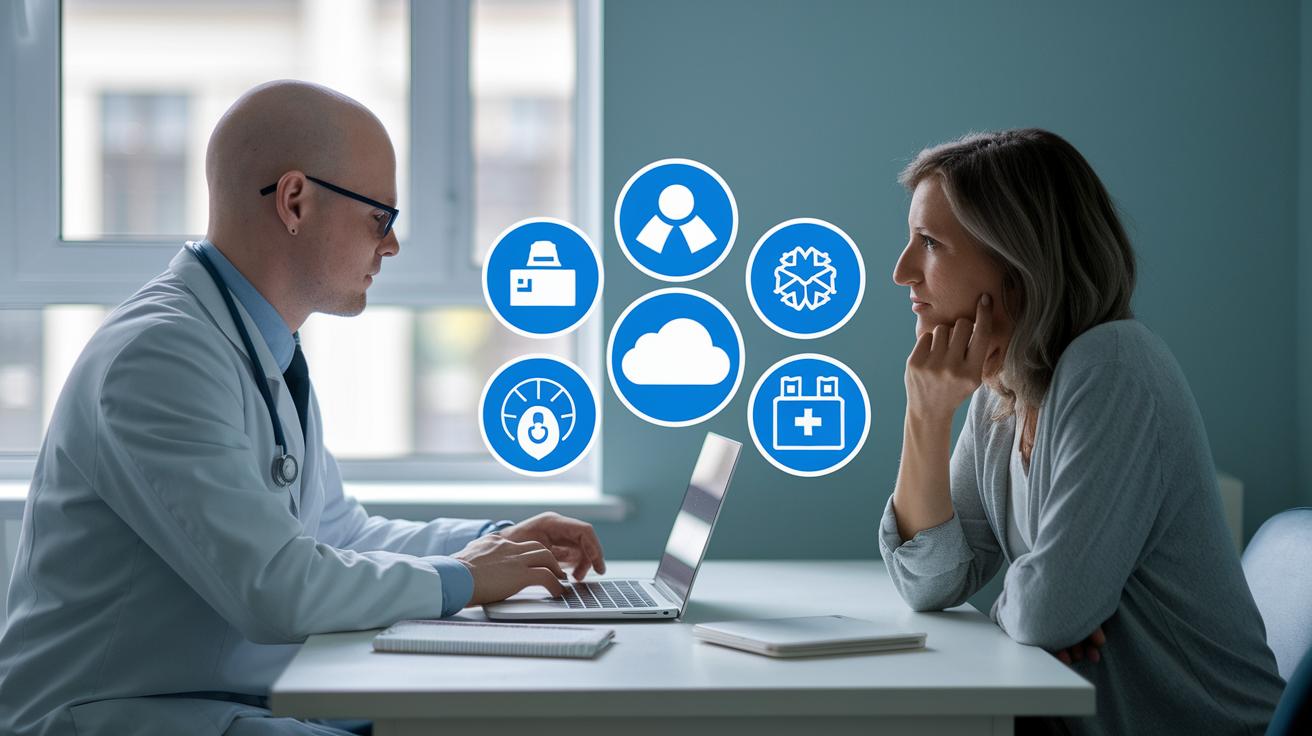
Virtual consultation platforms can run into roadblocks that slow things down. Sometimes, shaky internet or devices that don’t play well together cause a bit of chaos when patients try to join in. And then there are the strict privacy rules and safety checks needed for patient records, which add extra hassle. Plus, both doctors and patients might feel unsure about new digital tools, and that can make everything even trickier.
To tackle these issues, clinics can hold simple training sessions that make the tech feel much less intimidating. Cloud scaling and network tweaks can help handle spikes in online users and smooth out connections. Next, by sticking closely to clear rules, healthcare providers can keep patient information safe while making the system easier to use.
Building a steady virtual consultation setup often means investing in new technology and rethinking old workflows. Providers need to upgrade outdated systems so they work better with modern tools. Regular training, caring customer support, and routine updates help ease the worries of both patients and clinicians. All these measures make digital consultations more reliable and accessible, creating a smoother care experience for everyone involved.
Integrating virtual consultation platforms with healthcare systems
EHR Integration
Virtual consultation platforms use standard health data formats, like HL7 and FHIR (which help share information clearly), to connect patient records easily. They use trusty software tools to match details, from lab results to visit notes, accurately. This means health care providers can quickly see a patient's full history, making care more connected and smooth.
Appointment Scheduling Integration
These systems link with office scheduling tools using standard APIs that sync calendars in real time. This automatic process matches virtual visit times with a clinic’s records, cutting down on mistakes. It keeps both providers and patients in the loop, so setting or adjusting appointments becomes fast and reliable.
Remote Device Connectivity
Using common IoT standards, data from wearable devices like heart rate or blood pressure monitors flows right into patient records. When remote monitoring tools send their readings directly, health teams see updates in real time. This fresh data encourages prompt responses, helping ensure patients get care that matches the moment.
Case studies of virtual consultation platform implementations
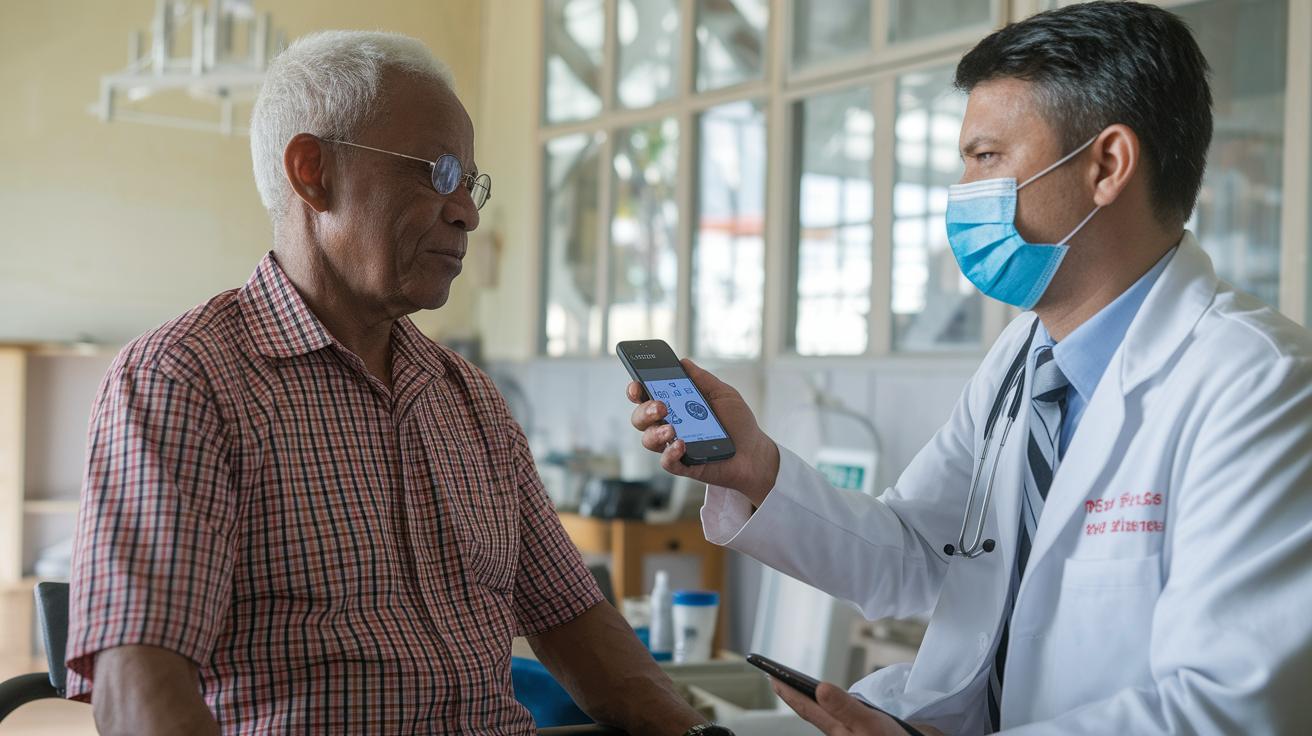
At a regional clinic, switching to virtual consultations made a huge difference. They increased patient reach by 40%, and missed appointments dropped by 25%. It’s pretty clear that this change opened up access to care for many more people.
Then, a cardiology practice took a step further. They added wearable health devices (small gadgets that monitor your heart rate and activity) to their system. Thanks to this move, early detection rates improved by 30%. It shows that using everyday digital tools can really help doctors catch problems early and adjust treatments in time.
Experts say that a smooth rollout really depends on good training and ongoing support. When the staff feels comfortable with the new system and patients know their way around it, everything runs more smoothly. In truth, solid training makes all the difference when new tech joins the mix.
Looking at the numbers, the benefits speak for themselves. Average consult times are better, patient satisfaction now hits 4.8 out of 5, and operational costs are down by 20%. These results remind us that digital health platforms can boost both care quality and cost-effectiveness.
Final Words
In the action, this post showed how virtual consultation platforms have stepped into the spotlight. It outlined their role in offering secure video calls, e-prescribing, scheduling, patient portals, and remote monitoring. We explored the rise of online consults after health challenges, and how tech builds trust with privacy and ease-of-use.
We touched on integrating these tools with healthcare systems and boosting care access. Remember, a better understanding of virtual consultation platforms for digital health leads to smoother, more secure care every day.
FAQ
How does a virtual consultation work?
The virtual consultation works by connecting patients with providers through secure video calls and digital check-ins. It offers real-time communication and easy appointment scheduling for personalized, remote care.
What are digital health platforms?
Digital health platforms blend video conferencing, e-prescribing, scheduling, patient portals, and remote monitoring into one system. They allow patients to access care from any internet-connected location securely and conveniently.
What are the four types of telehealth?
The four types of telehealth include video conferencing, remote patient monitoring, mobile health applications, and store-and-forward imaging. Each type uses technology to facilitate remote diagnosis, care, or patient data review.
What are the five basic requirements for telemedicine?
The five basic requirements for telemedicine include secure video communication, e-prescribing capabilities, appointment scheduling, patient data analysis tools, and adherence to privacy regulations for safe remote care.