
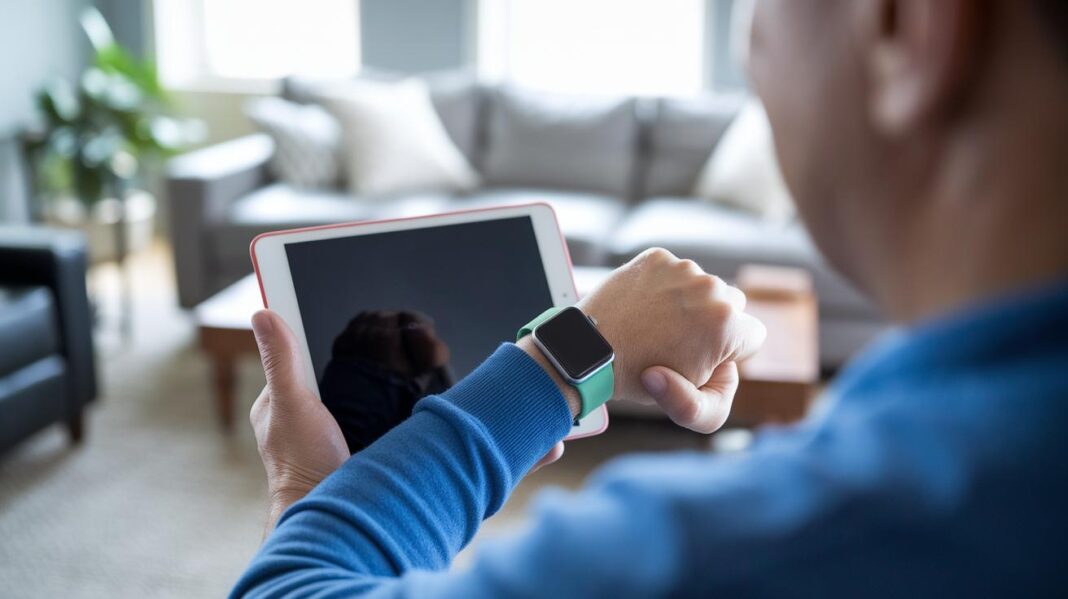

Have you ever wondered if a tiny gadget could change how you take care of your health? It might sound surprising, but remote patient monitoring apps are making that possible.
These apps use simple tools to track things like your heart rate and blood pressure almost in real time. You set up a small device that sends your readings safely to a secure server, where caring professionals can take a look.
Then, if your numbers aren’t quite right, they adjust your care plan to help you feel better. This post breaks down how these apps work and why they are changing everyday health care management.
How Remote Patient Monitoring Apps Work: Empowering Health
Remote patient monitoring apps help you take control of your well-being using simple, wearable gadgets and sensors. These gadgets include things like glucose meters, blood pressure monitors, and even digital pills. You’ll get clear, easy instructions on how to use them, making it simple to check important numbers like blood pressure, heart rate, oxygen levels, and body temperature. Plus, they can track your movement using tools like accelerometers and gyroscopes.
First, you learn how to set up your device. Someone guides you through wearing it, turning it on, and keeping it in good shape.
Next, the device collects your health data. It uses built-in sensors to read your body signals and even picks up on your movements.
Then, this information is sent right away through Bluetooth, Wi-Fi, or mobile networks to a secure cloud server. This data is safe and encrypted.
After that, the data joins your electronic health records (EHR/EMR). Experts make sure everything fits just right, with careful technical checks and quality reviews.
Finally, healthcare professionals look at your information. They spot trends and then chat with you, either online or in person, to adjust your care plan as needed.
This process is like a two-way street. While your device keeps sending updates, your doctor watches over the trends and tweaks your treatment to suit your needs. It builds trust and lets you feel more in control of your health. Isn't it amazing how technology can help make your care feel so personal and secure?
Core Features and Architecture of Remote Patient Monitoring Apps
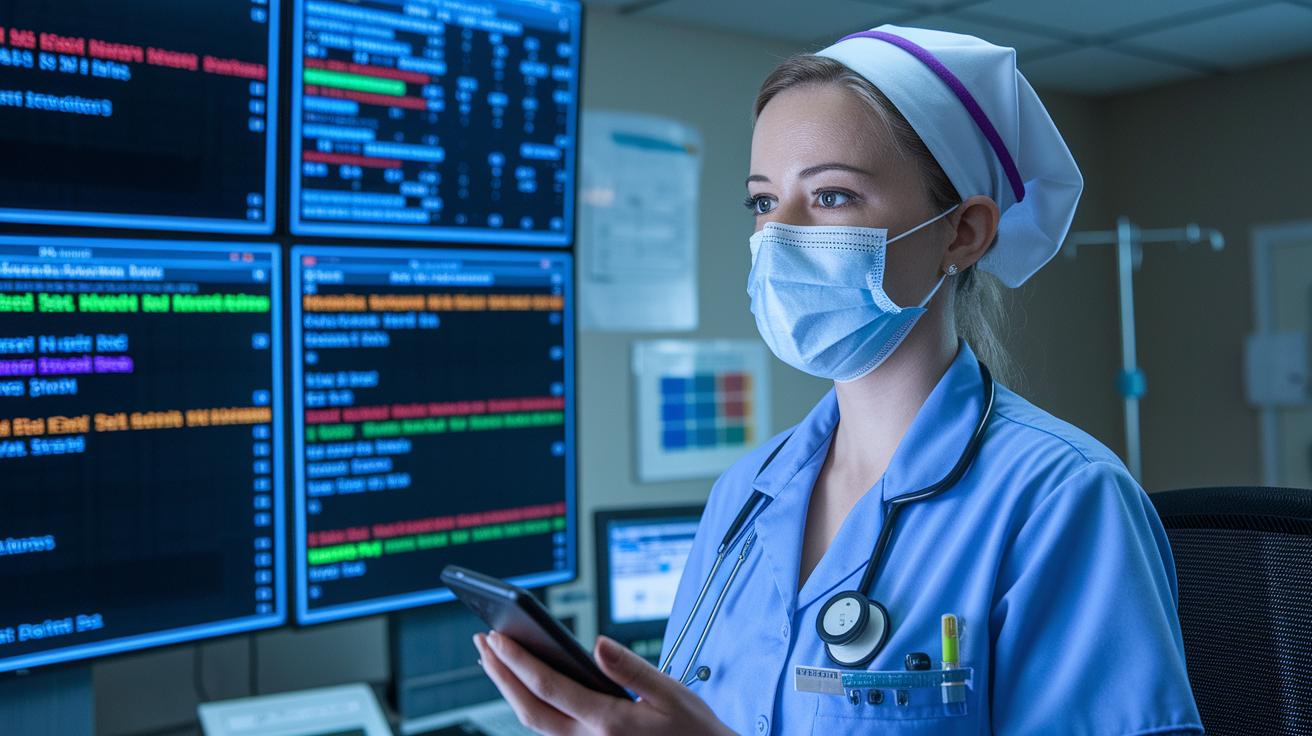
One big part of these apps is a patient management portal like ClinicianConnect®. Created by clinicians, it helps smoothly work with electronic records and existing workflows. It lets health teams find patient details quickly and accurately, bringing together data from devices that are FDA-cleared and HIPAA-compliant for heart, diabetes, and cancer care. Imagine it as a control room where all your health info is right at your fingertips.
Analytics modules are at the heart of these systems. They keep an eye on incoming data and flag any unusual readings. Smart reporting tools then send out alerts when things stray from the normal range. So, if your oxygen levels drop suddenly, your care team can jump into action right away.
The setup also depends on user alerts, like automated health warnings and special dashboards for tracking logistics and inventory. Built with a license-based SaaS model, this platform works right out of the gate with electronic health records and comes with 24/7 customer support. To top it off, there are tools to help with taking medications on time and making healthy lifestyle changes, all powered by remote patient monitoring technology.
Integration and Data Flow in Remote Patient Monitoring Apps
Remote patient monitoring gadgets use Bluetooth, Wi-Fi, or cell networks to send secure, encrypted data straight to cloud servers that follow HIPAA rules. This means that information from devices like blood pressure monitors, glucometers, and pulse oximeters gets to a secure digital record really fast. The cloud setup, like the one you can read about at Cloud Technology in Healthcare, helps store loads of data and lets care teams check info right away.
Integration with electronic health records (EHR/EMR) takes careful planning. It needs a solid API setup, lots of testing, and quality checks so everything works together nicely.
| Device Type | Connectivity Method | Integration Standard |
|---|---|---|
| Blood Pressure Monitor | Bluetooth | FHIR |
| Glucometer | Cellular | HL7 |
| Pulse Oximeter | Wi-Fi | FHIR |
| Wearable ECG | Bluetooth | HL7 |
Data sync happens in real time, which means that the readings from all devices show up neatly on a clinical dashboard. This fast integration makes sure that doctors and nurses can see the latest info right away and spot changes early. It all helps in giving patients quick and coordinated care.
Security, Compliance, and Privacy Standards in Remote Patient Monitoring Apps
Security is the backbone of these remote patient monitoring apps. Protecting your health details is something we just can’t compromise on. These systems follow strict rules to make sure your information stays private and secure.
These platforms use AES-256 encryption (a strong way to scramble data so outsiders can’t read it) to guard your info when it’s sent over networks and when it’s saved. They also use role-based access controls and multi-factor authentication, which means only people with permission can access your data. Regular checks, like vulnerability assessments and tests that try to break the system, keep everything in line with important regulations. This helps everyone feel confident that the right safeguards are in place.
Data backups are kept safe too. They follow state and federal rules by encrypting all backups in secure cloud environments. Every time data is accessed or changed, patient consent workflows and detailed audit logs make a clear record. This extra care creates a trusted setup where digital monitoring works reliably and keeps your privacy protected every step of the way.
Clinical Applications and Outcomes of Remote Patient Monitoring Apps
Remote patient monitoring helps people manage conditions like diabetes, high blood pressure, heart issues, lung problems, and even high-risk pregnancies. With RPM, patients check their vital signs each day so health teams can spot trends and step in when needed. Many providers mix RPM with services like Chronic Care Management, Behavioral Health Integration, and Transitional Care Management under Medicare. This setup means specialists can adjust care quickly based on real-time data, making home monitoring a smart choice.
One great example is an RPM program that let patients keep an eye on their own health at home, which reduced the need for frequent office visits. In one 12-month program for chronic care patients, the effort saved $2.3 million and reached an 88% adherence rate. These numbers show how regular checks and timely changes to care really make a difference. With more than 83,000 clinical team members involved, this solution has proven its worth over time.
RPM tools help improve clinical outcomes by combining secure, ready-to-use EHR integrations with simple reporting systems. This blend helps lower readmission rates and overall costs. The use of real-world data along with smart clinical decision support makes patient diagnostics more precise and care strategies even better. And this evolving approach is a big part of today's digital health innovations, keeping the focus on safe, effective care and good management of chronic conditions.
Challenges and Best Practices for Implementing Remote Patient Monitoring Apps
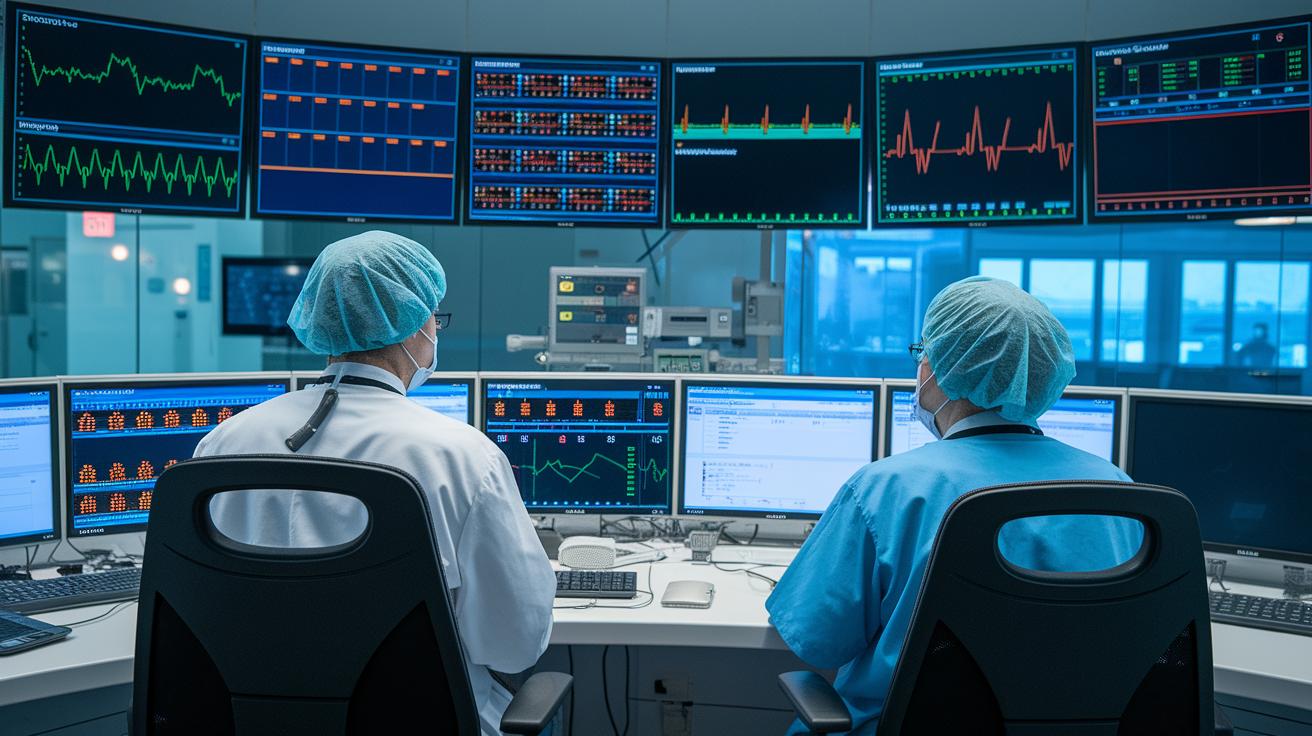
Building remote patient monitoring apps comes with its share of bumps along the way. Companies might face problems like making electronic health records work together, spotty network signals in rural areas, or devices that need extra tweaking. These issues can slow down the system and make it tough to keep everything running smoothly.
A good way to start is by rolling out the app in phases. For example, pilot studies can catch little hiccups before the app is fully launched. Training teams on standards like FHIR and HL7 (which help tech tools talk to each other) is key. Running network stress tests and quality checks makes sure the system holds up even when things get busy. And a hands-on approach with patient education builds trust, so everyone feels comfortable using the devices.
Next, setting up clear feedback loops and offering round-the-clock support helps keep the system on the right track. This method fixes integration issues and reduces device calibration errors. Regular patient engagement paired with targeted training and real-world trials smooths out the process, making the app easier to use. In truth, this focused approach ensures that patient monitoring works well and helps build a stronger link between patients and providers. Regular updates and new strategies also boost the system's strength against new challenges, keeping patient care effective and reliable.
Final Words
In the action, we explored how remote patient monitoring apps work by breaking down the process, from device setup and data collection to provider intervention. We reviewed the app's design, thoughtful data flow, security measures, and real-life clinical benefits.
Each section painted a picture of a system where technology meets care, making health management easier. It leaves us hopeful about the future of digital healthcare and how technology can support a healthier life.
FAQ
What is remote patient monitoring and how does it work?
Remote patient monitoring is a system where patients use sensor-enabled devices to collect health data, which is sent in real time to healthcare providers. This allows timely review and care adjustments.
What guidelines exist for remote patient monitoring?
Guidelines for remote patient monitoring cover device standards, data privacy rules, patient education on device use, and practices for integrating this data into routine healthcare, keeping care safe and effective.
Which companies provide remote patient monitoring solutions?
Companies offering remote patient monitoring solutions create technology platforms that combine sensor data with user-friendly interfaces, meeting compliance standards and supporting effective, ongoing patient care.
What benefits does remote patient monitoring offer?
Remote patient monitoring offers benefits such as quick health insights, better patient management, fewer hospital readmissions, improved care coordination, and added convenience for both patients and providers.
What types of jobs are available in remote patient monitoring?
Careers in remote patient monitoring include roles in device management, data analysis for clinical decision-making, and IT positions focused on maintaining secure, efficient digital health platforms.
What are wearable remote patient monitoring devices?
Wearable remote patient monitoring devices are sensor-enabled tools like ECG patches, blood pressure monitors, and pulse oximeters. They collect vital signs and activity data to support ongoing health assessments.
How does virtual monitoring work?
Virtual monitoring works by using digital platforms to review patient health data remotely. Clinicians check trends and adjust care plans without needing in-person visits, making care more flexible and immediate.
How does remote therapeutic monitoring work?
Remote therapeutic monitoring works by tracking a patient’s therapy progress and related health metrics using digital tools, which helps providers tailor treatment plans based on continuous, measurable feedback.
What is remote neuromonitoring?
Remote neuromonitoring is a process where digital tools track neurological signals or events, allowing clinicians to consistently monitor brain-related conditions and respond quickly when needed.
What type of data is collected through remote patient monitoring?
Remote patient monitoring collects data like blood pressure, heart rate, oxygen levels, body temperature, and movement patterns, all gathered by sensor-enabled devices for a comprehensive view of patient health.