


Have you ever noticed how a little buzz on your phone can help you take better care of yourself? In 2023, mobile health trends are showing just how powerful this idea can be. Two big trends are growing, putting smart tech right into your hands so you can check your health quicker and get care that feels personal.
Every day, more people use apps to manage their well-being, and the market is booming with billions of dollars behind it. It’s pretty cool to see how simple technology is reshaping our everyday health routines. Read on to discover how these innovations are making health care feel smarter and more tailored just for you.
Overview of 2023 Mobile Health Technology Trends

The mobile health market reached $62.73 billion in 2023 and is only getting bigger. Experts predict it will grow to $81.71 billion by 2025 and hit $268.46 billion by 2034. It’s like a small spark that reminds us how quickly a simple idea can transform the way we take care of ourselves.
In the United States, nearly 43% of people used health apps in 2024. This shows that more folks are trusting their phones to help them manage their health. Imagine tapping your phone to check your heartbeat and then easily scheduling your next appointment. It’s a blend of care and convenience that feels almost like magic.
All these numbers weave into the larger story of digital health. New tech tools such as artificial intelligence (a method to help computers learn and make decisions), the Internet of Medical Things (which connects devices like fitness trackers to your health records), and cloud computing are making healthcare smoother and more personal. These advances let medical systems share information and diagnose issues more smartly. In short, the steady rise in market size and app use shows that health care is becoming more connected, easy to use, and tailored to our needs.
AI and Analytics Impacting Mobile Health Technology in 2023

Artificial intelligence is changing mobile health in big ways. It can now perform real-time checks and help plan treatments based on what it sees right away. Your phone might even come with AI built right in, quickly scanning your health data for any signs of trouble before things get worse. Think about your health app giving you a gentle buzz when it finds an unusual pulse, it could be that small nudge telling you it’s time to call your doctor. This smart ability comes from machine learning, where algorithms sift through loads of data to spot even tiny shifts in your health. And having these advanced checks right on your phone makes it easier than ever to stay on top of your wellbeing.
Predictive models are stepping into the spotlight as well. These AI-powered tools look at huge amounts of data to forecast what might happen next with your health. Imagine receiving a text-like alert on your phone saying, "Your health numbers just shifted a bit; maybe it’s time to check your routine!" Both patients and doctors benefit from this insight, getting a unique glimpse into what might come next.
Real-time analytics help doctors decide faster and give you early warnings so you can act quickly.
Wearable and IoT Innovations in Mobile Health Technology Trends 2023
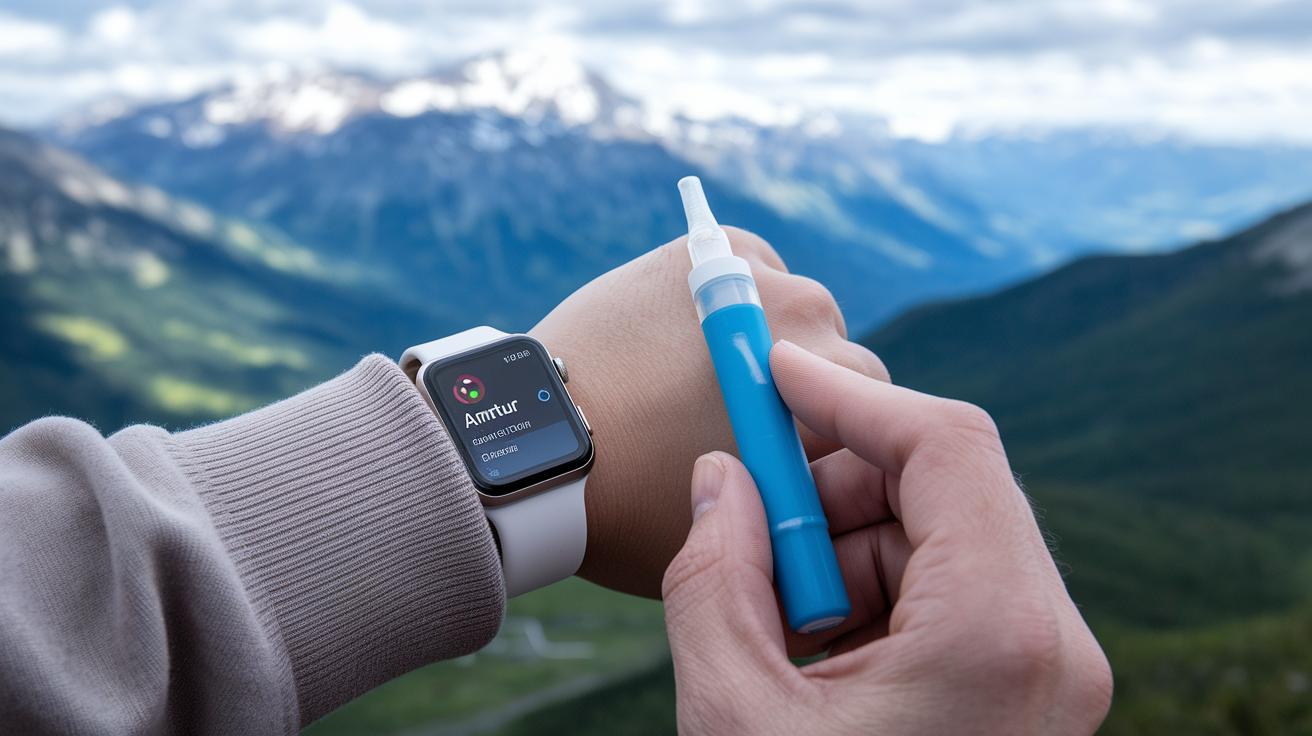
Wearable health devices are becoming more popular every day thanks to the Internet of Medical Things. These cool gadgets, like smart inhalers and connected insulin pens, go beyond simple tech, they bring steady health checks into our everyday lives. Imagine your watch giving you a gentle buzz when it picks up an odd heartbeat, kind of like a caring nudge from a friend.
Smart inhalers help track your medication so your breathing stays in check.
Connected insulin pens make managing diabetes easier by sharing how much medicine you've used.
Fitness trackers count your steps and cheer you on with friendly reminders.
ECG-enabled smartwatches keep an eye on your heart rhythm, warning you early if something’s off.
Portable monitors record your vital signs and let your doctor know right away if there’s any trouble.
There’s more to it than just gadgets. Studies have found that using these devices can lower hospital readmissions by 15% and boost how well patients stick with their care by 25%. With sensors that watch your health around the clock, you get a chance to spot little changes before they turn into big issues. It’s not just tech, it’s about blending support with simplicity, making health care safer and more proactive.
Telemedicine Advancements and Remote Patient Monitoring in 2023

Virtual consultations let you chat with your doctor over secure video calls while your whole health record is right there on the screen. Imagine logging in from your living room and feeling like you're in the same room as your doctor, almost as if you were sitting in a waiting room but without leaving home. In the United States, about 43% of people are using these virtual care services. For instance, you might see a note that says, "Your follow-up is scheduled," and the system instantly shows your latest health details.
Remote patient monitoring is all about using everyday gadgets like wearable devices and home sensors. Picture your smartwatch giving you a gentle buzz if it notices something unusual with your heart rhythm. This kind of real-time data helps doctors catch potential problems early on. Just so you know, we cover more about sensor details in the Wearable and IoT Innovations section.
| Feature | Example |
|---|---|
| Virtual Consultations | “Review your health record during a video call” |
| Remote Monitoring | “Smartwatch alerting you to a change in heart rhythm” |
Digital Therapeutics, Gamification, and Patient Engagement Apps

Digital therapeutics apps bring therapy and health tracking right to your phone without any intrusive procedures like constant glucose monitoring. They offer everything from friendly coaching to handy self-management tools. Picture an app that walks you through a calming meditation while it quietly checks in on your glucose levels, gently reminding you to keep up your healthy habits. It’s like having your own personal health guide available anytime you need a bit of support.
Mental health apps work in a similar way. They feature easy tools for stress relief, mood tracking, and even connect you with virtual counseling. Imagine getting a soft reminder on your screen to take a deep breath during a hectic day. These apps create small moments of care throughout your routine, blending expert advice with everyday check-ins to help you feel thoroughly supported.
Meanwhile, gamification turns health care into a fun challenge. With reward points, badges, and mini-challenges, these apps make managing your health feel more like playing a rewarding game. Even simple tasks like booking appointments or asking for e-prescriptions become a breeze when a voice assistant handles about 30% of your routine questions. It’s a playful nudge that keeps you engaged and motivated every day.
Cloud-Based EHR Access and Mobile Data Integration
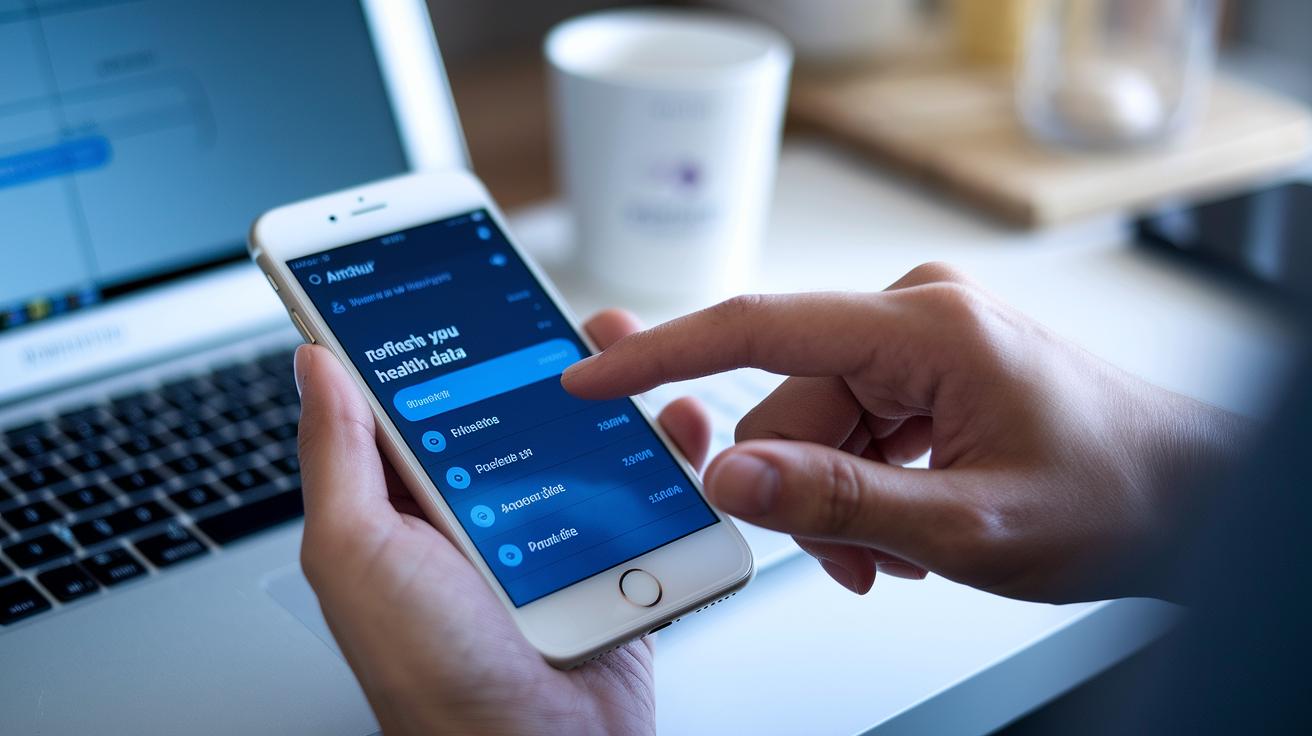
Imagine your phone as a smart health buddy that keeps your records up to date. Cloud-based systems let doctors and care teams view patient details safely from anywhere. They use secure codes, simple connectors called APIs (tools that help different apps work together), and HL7/FHIR standards (set rules to share health info clearly). Really cool, right?
Picture this: a quick tap on your device and your health record refreshes immediately. This technology quietly ensures that sensitive information moves safely between clinics and hospitals. It builds trust and gives both doctors and patients easy, on-the-go access to important data.
Mobile apps also help cut down on extra paperwork. They combine real-time updates with smart digital tools that streamline workflows. This means clinicians spend less time sorting through old files and more time caring for you. Isn’t it amazing how modern tech makes health care simpler?
Security, Privacy, and Regulatory Compliance in Mobile Health Technology

When it comes to keeping our health data safe, technical controls really matter. End-to-end encryption scrambles information so only the right people can see it, and multi-factor authentication adds an extra check to confirm who you are. Plus, secure cloud storage is always on guard, keeping patient records safe as they travel across different systems. Imagine your health app sending you a quick code to verify your identity, that little moment of peace of mind is priceless.
New tools like blockchain and federated learning are shaking things up in digital health security. Blockchain makes records tamper-proof, so every change to your health history is set in stone. And federated learning lets AI review detailed health data right on your device instead of sending it to a central server. It’s like getting smart health tips while your personal info stays secure on your phone.
Lastly, compliance rules tie everything together. Health apps stick to strict data protection laws, following clear policies set by regulations like HIPAA and GDPR. These rules control how sensitive information is shared and make sure patient privacy is always looked after. It's comforting to know that while your care is running smoothly, the safeguards are hard at work in the background.
Next-Gen Connectivity, Mobile Diagnostics, and On-the-Go Management

Today’s 5G networks are shaking up health care by letting data zoom around fast and smooth. This means real-time video chats and quick sharing of big files like MRI scans. Imagine hopping on a video call with your doctor, where crisp images and clear voices come through instantly, even if you're far from a clinic. Such speedy, steady connections let doctors and patients chat easily, bringing the feel of an in-person check-up to remote settings and helping doctors act fast when it matters most.
Mobile diagnostic tools and portable monitors are also changing the game. They let you get quick check-ups even when you're not at a hospital. Picture a small device that snaps a detailed picture of your condition or sends live health data straight to a doctor’s tablet during an emergency call. These handy gadgets make managing your health on the go much easier, allowing for fast decisions and timely treatment. In short, these breakthroughs ensure top-quality care is always within reach.
Case Studies of Mobile Health Technology Trends 2023
| Case Study | Technology | Impact |
|---|---|---|
| Wearable IoT Pilot | Smart Devices | Reduced readmissions by 15% |
| AI Chatbot Integration | Artificial Intelligence | Handled 30% of routine inquiries |
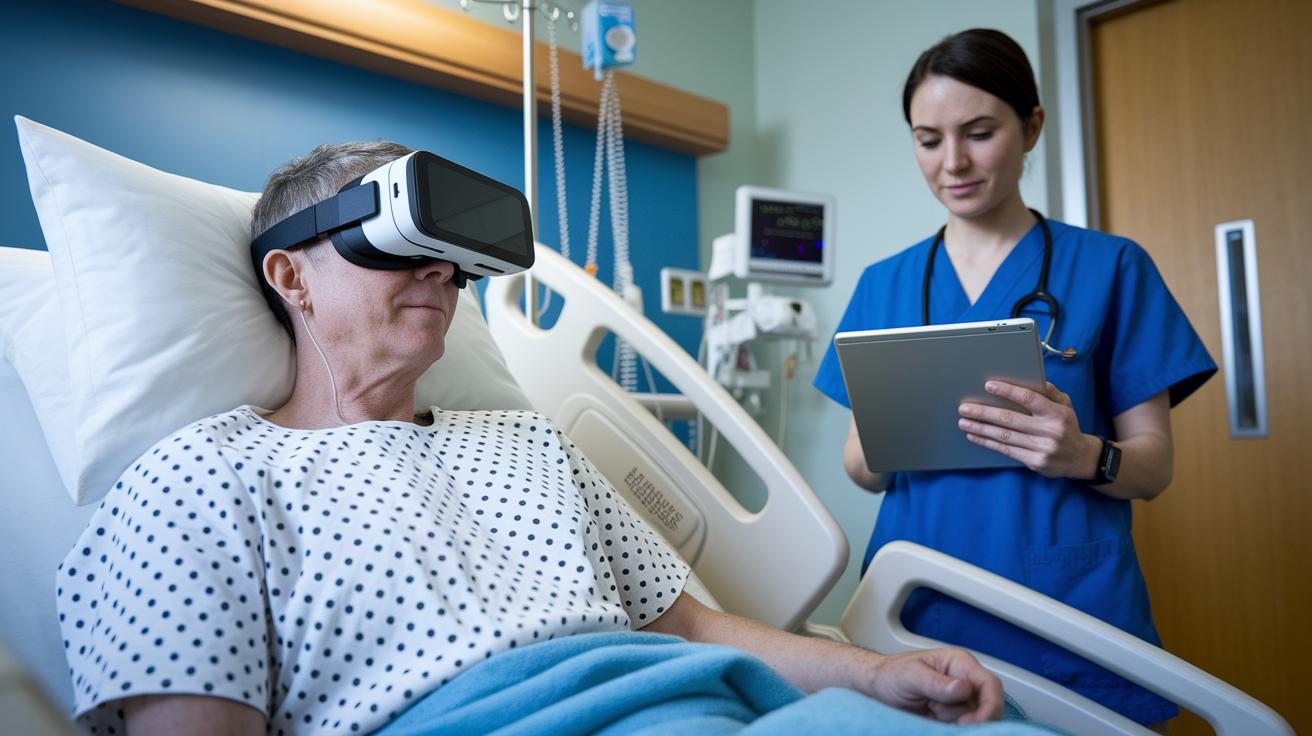
| VR Rehab Program | Virtual Reality | Accelerated recovery times at a regional hospital |
These case studies really show how new tech is changing health care. The wearable IoT pilot, for example, uses smart devices to keep a constant eye on patients. This kind of continuous monitoring cuts hospital readmissions significantly.
Then there’s the AI chatbot in a large health system. It takes care of many everyday questions, which means staff can focus on more complex issues. And isn’t that a relief?
The VR rehab program is equally impressive. It uses virtual reality to create immersive therapy sessions that speed up recovery. This not only makes treatment more engaging but also shows that technology can truly make a difference in patient care.
In truth, these examples highlight how smart tech can improve everyday health services and enrich the remote patient experience.
Final Words
In the action, we explored how mobile health technology trends 2023 shape patient care through market growth, advanced AI insights, innovative wearables, and smarter remote monitoring. We connected statistics and real-world examples to show a dynamic digital health ecosystem that brings care closer to you. The insights and case studies remind us that mobile technology is making healthcare more accessible, secure, and personalized. We’re excited to see what comes next as this field continues to positively impact our everyday lives.
FAQ
How is technology impacting the healthcare industry?
The impact of technology in healthcare spans AI tools, wearables, telemedicine, and mobile apps. These innovations improve diagnostics, remote monitoring, and overall patient care, with trends projecting further growth through 2025.
How do healthcare articles and scholarly articles discuss technology in the field?
Healthcare and scholarly articles cover topics like AI in diagnosis, telemedicine advancements, and IoMT devices. They offer research-backed insights that help readers understand the benefits and evolution of digital health solutions.
How does AI healthcare technology influence medical care?
AI healthcare technology uses computer-driven insights to analyze data, support diagnostics, and send timely alerts. This approach improves accuracy, speeds up decision-making, and enhances patient care across various settings.
What is the newest medical technology in 2023?
The newest medical technology in 2023 features advanced wearables, AI-driven diagnostic tools, and smart mobile apps that enable continuous monitoring and streamlined care, all of which are enhancing patient-centered treatment.
What is the mobile health trend?
The mobile health trend emphasizes the increasing use of health apps, connected wearables, and telemedicine platforms. These tools allow patients easier access to their health information and support on-the-go well-being.
What is the next big thing in healthcare technology?
The next big thing in healthcare technology involves expanded use of AI, IoMT, and 5G connectivity. These advancements promise more precise diagnostics, faster remote monitoring, and improved overall care efficiency.
What are the top three trends in the healthcare industry?
The top three trends include AI-powered decision support, the growth of telemedicine paired with remote patient monitoring, and the rise of connected wearables that enable continuous health tracking and personalized care.