
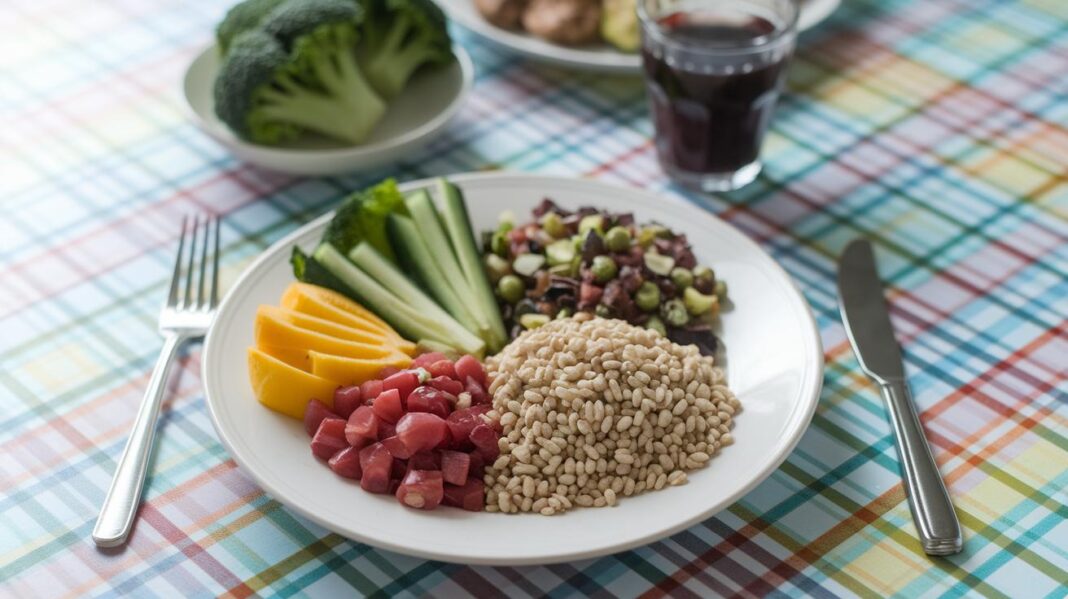

Have you ever wondered why some meals leave you feeling full while others just don’t do the trick? In this guide, we share simple ideas for a balanced diet you can enjoy every day using Smart Meals.
Imagine your plate loaded with crisp, fresh greens, lean proteins, and juicy seasonal fruits. Each bite brings a burst of flavor and energy that carries you through the day.
By planning your meals and really savoring every bite, you can gently steer your day toward better health. Ready to dive into easy, smart tips that make healthy eating fun and effective?
wellness tips for a balanced diet: Smart Meals

Try easy strategies to make healthy meals a part of your day. Watch your portions, using a smaller plate can make your food seem larger, even if you’re eating a moderate amount. For example, use a 9-inch plate and notice how much fuller your meal looks.
Plan your meals ahead. Create a simple grocery list each week featuring seasonal fruits, vegetables, and lean proteins to help you dodge those last-minute snack temptations.
Take your time when you eat. Savor each bite so your body realizes when it’s time to stop. Start your plate with leafy greens and add proteins like eggs or Greek yogurt for a balanced mix.
Remember, a healthy lifestyle goes hand-in-hand with good eating. Keep yourself hydrated, get some movement daily, and sleep well to help your balanced diet shine.
Together, these tips lay the foundation for a simple, everyday guide to eating well.
Designing Your Meal Planning Blueprint for a Balanced Diet

Planning your meals ahead sets you on the right path to healthy eating. It helps to spend a few minutes writing a simple grocery list before you head out, because being hungry can lead you to pick foods that aren’t as healthy. Try to plan your week with a mix of proteins, fruits, vegetables, and whole grains. This approach cuts out the guesswork, reduces stress, and makes shopping easier, just like checking your list twice to ensure you have everything to support your health goals.
Seasonal produce is a real win too. Fresh, local fruits and veggies not only add natural flavor to your meals but can also save a bit on your budget. Also, why not carve out one day a week to try a new healthy recipe? It’s a fun way to build your cooking skills and mix up the flavors and textures on your plate.
Then, consider using a meal planning schedule or a simple app to keep your plan in order. For example, an app at OurMobileHealth.com can simplify weekly menu planning, helping you track your progress without overwhelming you with choices. Start small by planning one day at a time, and soon enough, you'll be ready to map out an entire week. Each step builds a routine that boosts your energy and helps bring balance to your diet.
Mastering Portion Control Methodology for a Balanced Diet

Using smaller plates and bowls is a neat trick that makes your meal look larger, even with modest portions. Imagine serving dinner on a 9-inch plate so your food appears abundant while keeping your calorie count in check.
Eating slowly helps your body send the right signals that it's full. Try a little mindfulness exercise: after each bite, pause and really notice the taste and texture. For example, after biting into your snack, take a moment to enjoy the aroma before you go for another bite. This simple pause can help you stay focused on your meal.
Some science even backs up using a self-rating scale to check how full you feel. One way is to rate your hunger on a scale from 1 to 10 while eating, and stop when you hit a comfortable level. This method pairs well with the trick of using smaller dishes, making it easier to keep your portions just right.
Choosing Wholesome Foods for a Balanced Diet

Eating nutrient-rich meals can be fun and simple. Instead of overcomplicating things, why not start with a handful of leafy greens like spinach or kale? Picture a crisp, fresh salad tossed with just a sprinkle of herbs; it gives you a burst of vitamins and makes the meal feel light and exciting.
Switch out refined grains for whole-grain options. Brown rice or whole-wheat bread comes loaded with fiber to keep you full and satisfied. Imagine a warm bowl of brown rice sitting next to a plate of steamed vegetables, hearty, wholesome, and really comforting.
Lean proteins are key, too. Eggs or Greek yogurt, for example, work wonders to keep hunger at bay while supporting strong muscles. A simple scramble or a cool yogurt parfait can be just the little pause you need amid a busy day.
When you're cooking, try using olive or avocado oil instead of heavily processed ones. These oils lend a natural, gentle flavor to your dishes. Think about drizzling a bit of avocado oil over a mix of stir-fried veggies to enhance the subtle, fresh taste.
Lastly, add some nutrient-dense ingredients like fatty fish or chia seeds. They pack essential omega-3 fatty acids that are great for your heart and brain. Layering your plate with these choices turns every bite into a delightful mix of textures and flavors that nourish both body and mind.
Integrating Mindful Dining into Your Balanced Diet

Take a moment to pause after every bite. It helps you catch the little flavor changes and notice just how full you feel. For example, stop briefly in the middle of your meal so that you can let the spice of that bite gently settle in and boost your awareness.
Also, try keeping your condiments and dressings on the side. This way, you get to see exactly what you're adding to your food, without any sneaky extras. It really lets you control the flavors in a natural, pure way.
And hey, be cautious about those "low-fat" items when they hide processed ingredients. Choosing whole, natural foods helps preserve their true taste and supports a healthier way of eating.
Supporting a Balanced Diet with Supplementation and Lifestyle Habits

Supplements and healthy habits really go together. Adding a bit of omega-3 in your day can give your heart some extra care and keep your mind alert. For example, why not try a little fish oil capsule with breakfast? It might just help your body handle everyday stress a bit easier.
Vitamin D is another superstar. It helps keep your bones strong and gives your immune system a little boost. Think of it like a dose of sunshine on a cloudy day. Especially when it's cold and dark outside, a vitamin D supplement can make a big difference.
Then there are the everyday routines that support a balanced diet. Drinking plenty of water throughout the day helps with digestion and keeps your body in tune. Even a short, brisk walk or a few simple stretches during a break can keep you moving and curb your appetite. And don’t forget your sleep. A regular, good night’s rest gives your body time to recover so you wake up feeling ready to face the day.
Put all these tips together and you have a natural support system for your body and mind.
Sustainable Culinary Practices and Superfood Innovations for a Balanced Diet

Try baking or roasting instead of frying to keep your meals full of flavor but lower in extra fats. For example, imagine your favorite vegetables roasted with a light drizzle of olive oil and a sprinkle of spices. This method not only reduces added fats but also makes the natural flavors pop. Using seasonal, locally grown produce can make every dish feel fresh and exciting, much like changing up your outfit every week for a fun twist.
Think about building your plate like a Mediterranean meal, start with lots of fruits and veggies, add a bit of protein, and round it out with whole grains. A few superfoods can really lift a meal too; try tossing in a handful of berries, some nutrient-rich leafy greens, or a pinch of turmeric for a bright flavor boost. And why not plan ahead? Batch cooking and reusing whole-food leftovers can save you time and help cut down on waste. Each meal then becomes a little celebration of health, creativity, and caring for our planet.
Final Words
In the action of embracing a balanced diet, we looked at smart portions, thoughtful meal planning, mindful dining, and careful food choices. Each tactic offers a clear, simple way to enjoy nutritious meals that support a healthy lifestyle. Adding small changes like using smaller plates or savoring your meal can make a big difference. These wellness tips for a balanced diet set you on a path toward feeling energized and nurtured every day. Embrace these ideas and step confidently into a healthier life.
FAQ
How can I eat healthy everyday with a balanced diet plan that includes a 7-day healthy eating plan?
The plan means choosing a balanced diet food list filled with fruits, vegetables, whole grains, and lean proteins while planning meals ahead to keep your week’s nutrition on track.
What is a balanced diet and can you give an example?
A balanced diet offers proper portions from each food group. For example, a meal might include leafy greens, whole grains like brown rice, lean proteins, and a small amount of healthy fats to support overall health.
What are some wellness tips for a balanced diet?
Wellness tips include planning meals before shopping, using smaller plates for portion control, and purposely choosing nutrient-rich foods like fresh produce and lean proteins to create a satisfying, balanced meal.
What are the 7 essential elements needed for a balanced diet?
A balanced diet usually means including fruits, vegetables, grains, proteins, dairy or its alternatives, healthy fats, and water. These components combine to give you a complete mix of essential nutrients.
What do the 3-3-3 and 5-2-1-0 diet rules mean?
These rules serve as simple eating guidelines. The 3-3-3 rule helps you split meals into balanced portions from key food groups, while the 5-2-1-0 rule offers reminders to keep servings and snacks in check for a nutritious diet.
What are ten healthy eating tips to guide balanced nutrition?
Ten healthy eating tips include planning your meals, using smaller dishes, savoring each bite, starting with vegetables, picking whole foods over processed options, and staying hydrated to support overall balanced nutrition.