


Ever thought your smartphone might change how we handle chronic diseases? Mobile health tools let you check your health in real time. They send you gentle reminders, almost like a friendly tap on the shoulder, to keep an eye on your vital signs.
These innovations are saving the day. With more chronic conditions stretching our families and health systems, these tools are taking some pressure off. They make getting help feel less overwhelming.
In this post, we dive into how these mobile solutions make managing chronic diseases easier. They give patients simple, quick access to support, so care feels just a little bit more personal and a lot less daunting.
How mobile health innovations are transforming chronic disease management outcomes
Chronic diseases cause 70% of US deaths and use up 75% of the nation’s healthcare dollars. This huge burden affects both families and our healthcare system. With more baby boomers aging, we really need fresh, engaging ways to improve care. Many people are turning to everyday mobile health apps to help manage their health, even as the costs and emotional toll of chronic disease keep rising.
Mobile technology is showing lots of promise in making chronic disease management easier. It lets you check your health in real-time (like having a gentle nudge from your phone) and helps with remote monitoring. Research from the mHealth Innovation Lab hints that adding simple telemedicine solutions to regular care can bring both upsides and challenges. New digital health platforms now give users easy, evidence-based tools to track vital signs and remember to take medication, making management feel a bit more approachable.
Public-private partnerships are really important in building strong mobile health networks. When schools, private companies, and government agencies work together, they create solutions that improve patient access without compromising data safety. These teamwork efforts help shape digital health tools that meet immediate needs and also pave the way for smarter, more integrated care systems in the future.
Essential mobile health apps and wearable devices for chronic condition monitoring

Mobile health apps and wearable gadgets help track chronic conditions in real time. They let you keep an eye on your vital signs all day and even connect you with doctors when you need support. For example, Canary Health’s Diabetes Prevention Program shows that a well-made app can boost results and even lower costs. Devices like continuous glucose monitors and blood pressure trackers make checking your numbers super easy. And telehealth platforms add extra help with virtual visits, simple remote tests, and secure messaging.
| Tool Type | Example | Primary Function |
|---|---|---|
| Mobile Health Apps | Canary Health Program | Self-management and behavior tracking |
| Wearable Devices | [wearable tech for health](https://ourmobilehealth.com?p=324) | Real-time sensor monitoring |
| Telehealth Platforms | Virtual Consult Portal | Remote diagnostics and secure messaging |
Using these tools every day gives you real power over your health. Apps remind you to note symptoms, take your meds, and watch trends. Wearable devices offer quick feedback, so you can catch unexpected changes early. And telehealth makes chatting with your doctor easier than ever, without a trip to the office. All together, these tools turn managing your health into a smart, simple part of your daily routine.
Clinical benefits and cost outcomes of mobile health innovations in chronic disease management
Mobile health tools are making life easier for people dealing with long-term illnesses. They help you keep your blood sugar in check and lower the chances of ending up in the hospital. It’s like having a friendly nudge on your phone to take care of yourself.
These tools also support you in managing your health day by day. For example:
- They send easy-to-understand reminders so you never miss your medications.
- They help catch problems early by keeping an eye on your health from afar.
- They cut overall healthcare costs, much like the digital Diabetes Prevention Program, which managed to reduce new cases of Type 2 diabetes and save money.
Studies are still working on the finer details. Researchers are looking into digital treatments, cloud-based care, and smart data analysis to make telehealth even better for managing chronic diseases.
Designing patient-centered mobile health platforms for chronic care engagement
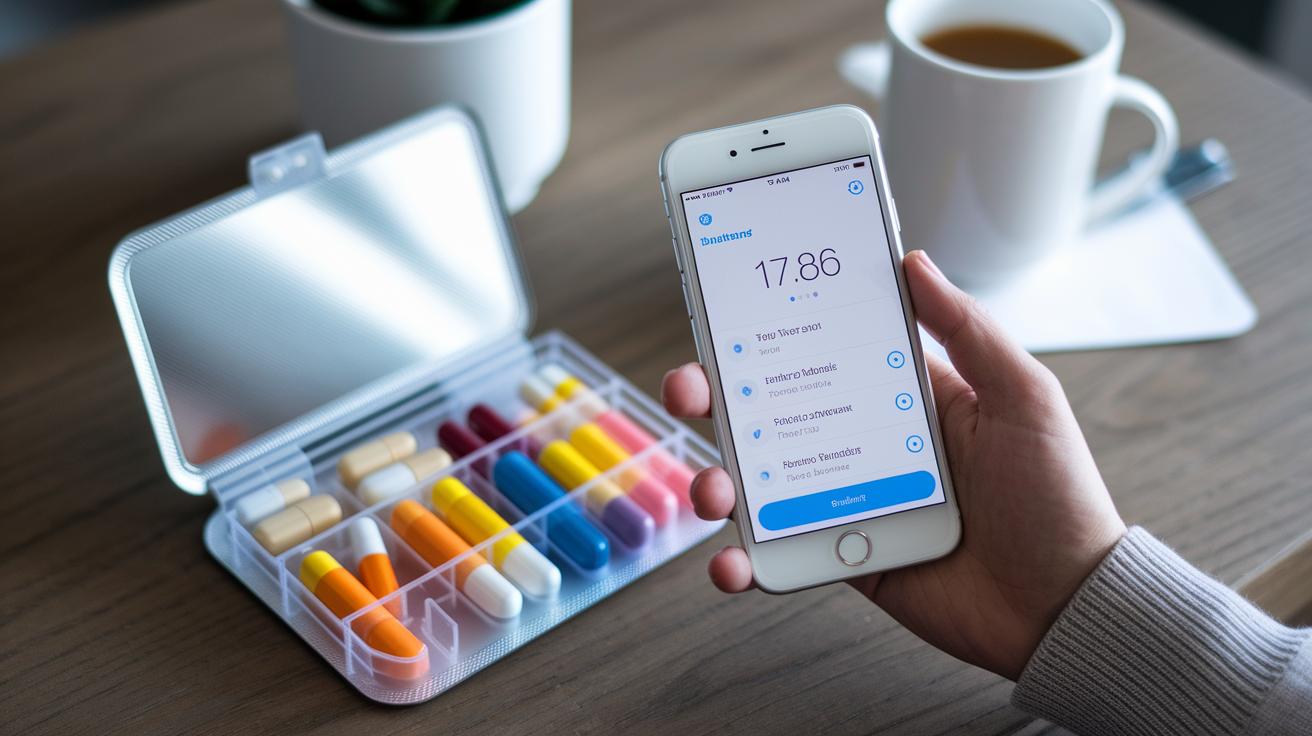
Mobile health platforms are growing into a friendly helper for people dealing with long-term conditions. Designers work hard to make these apps straightforward and clear while following trusted care tips. The aim is to blend useful technology with everyday health needs without losing the personal touch or safety.
Evidence-Based Frameworks
Good mobile health apps build on solid, proven ideas. They use trusted clinical guidelines as their backbone. For example, the app might give you a clear reminder when it's time to check your numbers or take your medicine. This clear structure helps both patients and doctors feel confident about the care provided.
Personalization and Usability
Another key part is making the experience personal. Apps are built around the user, with content and screens that fit your daily habits and beliefs. Imagine it as a friendly assistant that learns your routine and adjusts its reminders just for you. The design is kept simple, so even if you're new to technology, you can easily manage your daily tasks without feeling lost.
Working with healthcare providers is also essential. When patients join forces with their care teams using these platforms, goals can be tracked more closely and progress seen in real time. This teamwork not only improves how you manage your condition but also builds a strong connection between you and your health team, blending personal know-how with expert care.
Challenges and regulatory considerations for mobile health in chronic disease management
Many patients prefer not to pay out of pocket for mobile health apps. Because of this, health providers and insurers end up covering the costs of developing these tools. This shift makes it tough for developers to secure funding and prove that their apps really help, especially when the health benefits are just starting to show. In truth, everyone involved has to think carefully about whether the long-term gains for patients outweigh the initial expense. It also shows how important it is to create business models that keep things affordable while moving digital health forward.
Protecting patient data is another major issue. To build secure systems, teams need to work closely with security experts right from the start to set up safeguards that protect sensitive information. With different systems and standards all over the place, linking data from electronic health records, wearables, and telehealth tools can be a real headache. Strong standards and safety measures help fill these gaps, making data sharing smoother and safer. This way, privacy rules and smart system integration can support digital care that grows along with patients' needs.
Future directions: AI, predictive analytics, and personalized mHealth strategies for chronic care

AI and predictive analytics are changing the way we look after long-term health conditions. They sort through massive amounts of health data, spotting trends and warning patients before small issues turn into bigger problems. For example, AI is helping in pediatric cancer research by using machine learning (computers learning from data) to tailor treatment plans just for each child. Other areas even use similar tools to catch fraud before it escalates.
Sensors in everyday devices are also playing a key role. They gather health information around the clock so patients can get alerts and advice instantly. Public and private research teams are coming together to blend real-life needs with new telehealth tools. These new systems are easy to use, letting patients talk to their care teams as simply as sending a text message. This coordinated approach extends care well beyond a clinic visit.
Researchers are now focusing on smarter, more efficient mobile health solutions. In time, we can expect even more personalized strategies that connect patients, caregivers, and technology for better chronic care management.
Final Words
In the action, we explored how mobile technology transforms chronic care. We examined true impacts, from improved self-management to effective remote monitoring, while highlighting the clinical benefits and design methods that place patients first.
We also tackled obstacles like financial pressures and data protection. Exciting future directions with AI and IoT promise even better care. Mobile health innovations for chronic disease management continue to create positive change step by step.
FAQ
What is mobile health technology for chronic disease management?
Mobile health technology for chronic disease management means using digital tools like apps and wearables to track conditions, provide real-time feedback, and help both patients and providers manage care effectively.
How do mobile health apps support chronic disease management?
Mobile health apps support chronic disease management by allowing users to track symptoms, set medication reminders, and access personalized insights, which encourages proactive self-care and improves overall treatment outcomes.
What role does remote patient monitoring play in chronic disease management?
Remote patient monitoring plays a key role by capturing vital health data continuously, enabling healthcare providers to detect changes quickly and intervene when needed to manage chronic conditions more effectively.
How does telehealth improve chronic disease management?
Telehealth improves chronic disease management by facilitating virtual consultations and diagnostics, ensuring patients receive timely advice and care without needing to visit a clinic, which increases convenience and continuity.
What does current digital health implementation look like for chronic disease management?
Current digital health implementation incorporates mobile apps, wearables, and telehealth platforms to improve patient engagement, streamline data collection, and provide a more coordinated approach to managing chronic diseases.
What are the foundations of telemedicine interventions for managing chronic disease?
Telemedicine interventions are built on evidence showing that virtual care improves patient monitoring, increases medication adherence, and reduces hospital visits, all of which are essential for effective chronic disease management.
What are key features of the best health trackers for chronic illnesses?
The best health trackers for chronic illnesses offer continuous monitoring, user-friendly displays, and dependable data transmission, allowing patients to track their vital signs easily and share information with their care team.
What characteristics define the best apps for chronic illness management?
The best apps for chronic illness management combine easy-to-use interfaces with powerful tracking features, personalized insights, and timely reminders, all of which help users better manage their daily health routines.