


Have you ever wondered if your phone could help protect you? AI now lets your phone use data from your wearable devices to offer smart, everyday care. Imagine your phone quietly checking your heart rate or blood pressure and giving you a nudge, alerting you or even your doctor before a small hiccup becomes a big problem. It’s a bit like carrying a friendly helper in your pocket. In this article, we break down how AI makes your health care both more personal and quick to respond, making daily life just a little easier.
Comprehensive Overview of AI Mobile Solutions in Health
Artificial intelligence is changing how our mobile health apps work. It helps fix everyday problems like crowded hospitals, long wait times, and delays in getting a diagnosis. Chatbots, or virtual health helpers, can give you quick advice and even guide you through basic care steps. Fun fact: before Marie Curie became famous, she once carried test tubes with radioactive material in her pockets. Pretty wild, right? It shows how a quick, smart insight can really change things.
Remote patient monitoring uses simple gadgets like wristbands, patches, or rings. These devices quietly check your heart rate, blood pressure, and oxygen levels all day. When something feels off, they send an alert straight to your healthcare team so help can come fast. Plus, smart tools look at your past and present health info to guess if any issues might be coming. This way, care can be even more on point.
AI also helps create treatment plans that feel like they were made just for you. It considers your age, habits, health history, and even the medicines you take. With this approach, your care fits you perfectly. And by quickly checking complex medical stuff like images, lab tests, and past records, AI speeds up diagnosis and helps doctors decide on the best steps forward.
By keeping a close watch on you and offering personalized advice, AI-powered mobile health apps mix smart technology with genuine care. This friendly blend not only improves how you’re treated but also eases the load on busy hospitals. Check out Advantages of Mobile Health Technology for more on how these tools are helping brighten the future of health care.
Machine Learning Diagnostics and Remote Patient Monitoring in mHealth
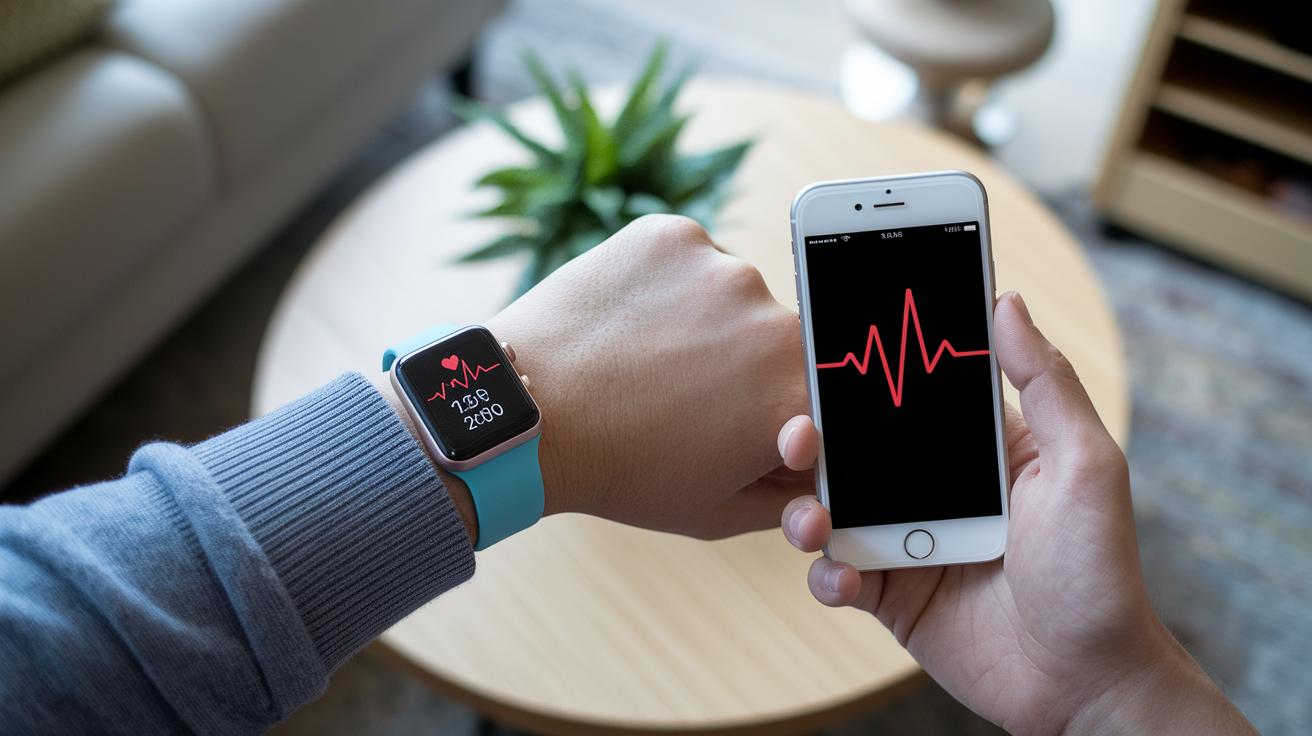
Machine learning in mobile health is changing the way we take care of our well-being. It does this by constantly checking data from everyday wearables like wristbands, patches, and rings. These devices watch your heart rate, blood pressure, and oxygen levels in real time. When something seems off, say, a sudden drop in oxygen, smart models quickly flag issues like irregular heartbeats or early signs of disease by looking at thousands of data points.
For instance, a health monitor might send an alert straight to your doctor when a reading goes past a safe limit. Imagine your device gently saying, "Hey, your heartbeat looks unusual; maybe it's time to call your doctor." This kind of live checking gives both you and your healthcare team useful information before things get really serious.
Cloud-based tools also play a huge part by gathering and storing sensor data all day and night. They use well-known HL7 and FHIR rules (which are simply a way to make sure your health info is organized neatly) so that everything ends up safely in your electronic health record. This means doctors can review your data easily and without any fuss.
By blending machine learning with data from wearables, remote patient monitoring becomes a handy way to spot problems early and keep up with ongoing care. Curious about how this all works together? Take a look at Wearable Tech for Health. In truth, this smart mix of technology makes personal health tracking mesh smoothly with professional care, ensuring that you stay on top of your health in a clear and effective way.
Personalized Care Technology: AI-Driven Treatment Plans
AI takes a close look at what makes you, you. It reviews details like your age, background, and everyday habits to build a care plan that fits your life perfectly. Think about it like this: if your app notices you often skip your afternoon walk, it might give you a gentle nudge when your energy dips.
Your treatment plan isn’t set in stone, it grows with you. When you share updates about how you’re feeling or when your wearable sends new data, the plan shifts. That means things like your dose schedule or follow-up needs can change on the fly, using smart methods that learn from your input. Imagine after a week of steady progress, your tracker suggests a small tweak in your exercise routine.
Interactive dashboards let you see your progress and deliver reminders that feel truly personal. These real-time adjustments and friendly alerts make it seem as if the care is built just for you. Next, check out Inside Precision Medicine to see how everyday data transforms into clear steps toward better health.
Clinical Decision Support and Automated Symptom Checkers on Mobile

AI scribes quietly catch conversations between patients and doctors, turning spoken words into neat, structured notes. Imagine a doctor mentioning, "I noticed your blood pressure was a bit high last visit," and the AI quickly recording it in your chart. This smart listening helps make sure no important detail gets missed.
Automated symptom checkers walk you through a simple set of questions, like asking, "Are you experiencing any shortness of breath?" They help spot warning signs such as sudden chest pain or severe dizziness so you know when to get help fast. Plus, decision support tools work with your mobile health records to pull up trusted advice. They even suggest things like diagnostic codes, medication options, or lab tests, making the journey from checkup to care feel smooth and clear.
Technical Implementation of Intelligent mHealth Apps
When it comes to creating smart health apps, everything starts with clear goals and essential features. Developers first decide if they'll use native iOS/Android tools or a cross-platform framework to simplify the work. The next step is designing an interface that follows easy-to-read health app rules with big buttons and clear text so everyone feels comfortable.
Then, the app lets you personalize your experience. You can adjust thresholds, set your own reminder times, and pick themes that match your style. It's a bit like fine-tuning a car dashboard, simple changes that make the app feel just right for you.
Testing is taken very seriously. Developers check how well the app works, put it through heavy use, and run detailed security checks to keep your data safe. They even look at clinical accuracy to ensure it meets strict medical standards.
Finally, the app connects with electronic health records using HL7 and FHIR protocols, making data exchange smooth and secure. Building a basic version usually costs between $40,000 and $100,000, depending on complexity and the team's skills. Many teams also use cloud-based tools and deep learning software to get the most out of health data, as highlighted in Health Technology Innovations.
Challenges and Data Privacy Considerations for AI in Mobile Health
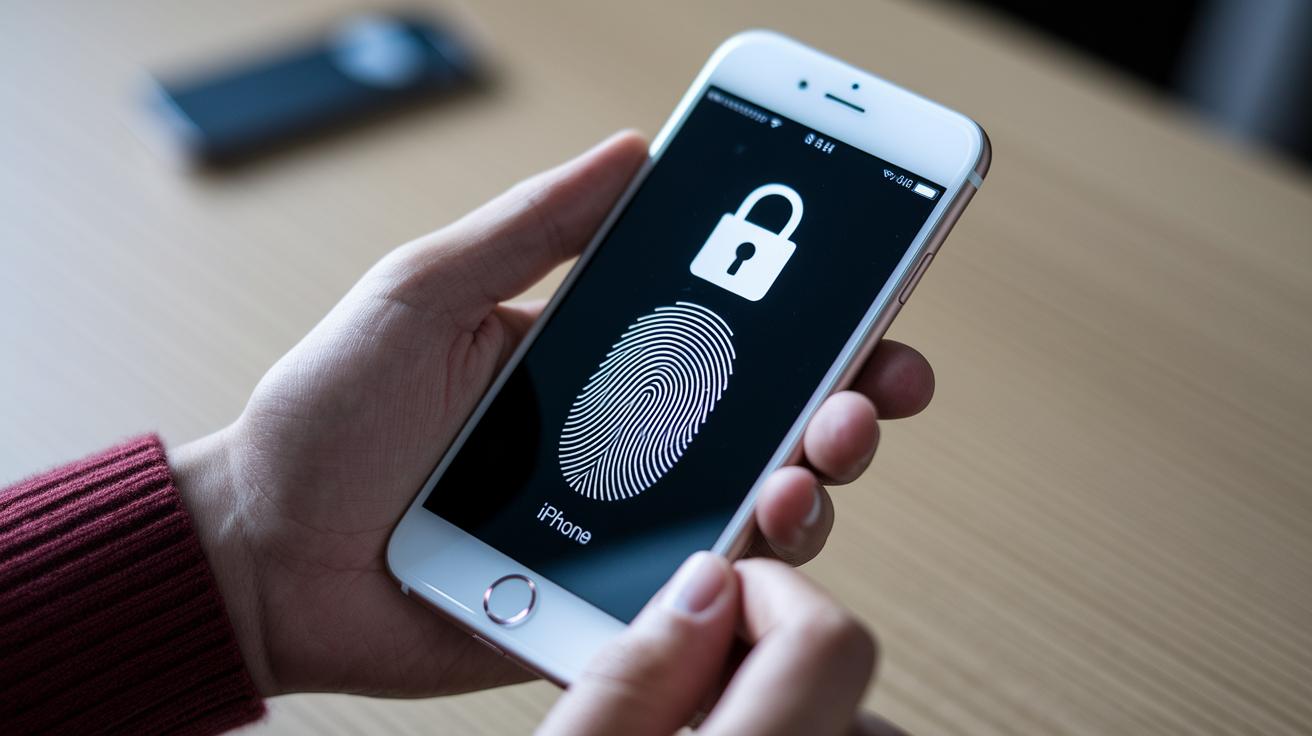
When adding AI to mobile health apps, keeping your data safe comes first. HIPAA rules mean we use tough encryption like AES-256 (a method that scrambles data so only authorized people can read it). We also rely on strong logins such as OAuth 2.0 and even biometric checks like fingerprint scans. Plus, we keep detailed logs of who views your information so you know it’s protected.
It’s also important to use data ethically. Developers write clear privacy policies so you understand how your details are used. They include straightforward disclaimers that explain AI advice isn’t a substitute for a doctor’s opinion. Most apps also offer an opt-in process, letting you decide if and how your data is shared, keeping everything open and honest.
Then there’s the challenge of making different systems work together. That’s why information is mapped to trusted standards like HL7 and FHIR. This step helps electronic health records connect smoothly with mobile apps, so your data stays consistent and secure.
Finally, to avoid confusion, AI health insights are designed only to support a doctor’s judgment rather than replace it. This approach helps prevent self-diagnosis and makes sure you always get real medical guidance when needed.
Future Trends: Predictive Analytics and Virtual Care Assistants in Mobile Health
By 2025, mobile health will see a big change thanks to AI, which helps offer real-time support and personalized advice like never before. Sensors and devices will work closely together to keep an eye on your health around the clock. Imagine your smartwatch giving you a little buzz when it notices something off with your heart, while your phone quietly updates your digital health records.
Virtual care assistants are ready to shake up everyday health management. These smart helpers will take care of routine check-ins, send friendly reminders about your medication, and even alert you when something urgent comes up. For example, think of a virtual assistant that not only nudges you to take your pills but also asks, "How are you feeling today?" and adjusts its advice based on your answer.
Predictive analytics will use huge amounts of data to spot trends and even forecast outbreaks or your personal health risks. Your health app might soon alert you to early signs of an epidemic or warn you if your vitals hint at a coming health issue. Augmented reality overlays could even guide you through simple home tests or gentle exercise routines, turning your living room into your own mini clinic.
Remote care integration will tie all these features together. Apps, devices, and clinical records will work in harmony to create a treasure trove of information that empowers you and your healthcare team. Imagine a future where technology makes proactive, caring health management feel truly personal.
Final Words
In the action, the article explored AI mobile solutions like quick diagnostics, real-time monitoring, and personalized care strategies. It walked you through smart apps, secure data handling, and even the challenges of maintaining privacy. Each part painted a picture of how artificial intelligence is used in mobile health to create a friendly, secure, and improved patient experience.
These insights show that mobile health isn't just about technology, it’s about making care easier and more personal. Embrace these ideas and look forward to a future where smart care meets simplicity.
FAQ
Explain how artificial intelligence is used in mobile health
The role of AI in mobile health is to analyze data from wearables and apps, speeding up diagnoses, creating personalized treatment plans, and offering real-time health monitoring for improved care.
What are mHealth apps examples
mHealth app examples include virtual health assistants, remote monitoring tools with wearable sensors, and symptom checkers, which together help users manage care and track vital signs easily.
How effective are mobile health applications
Mobile health applications are effective by reducing wait times and supporting early detection, improving patient outcomes through real-time monitoring, personalized advice, and easier access to care.
Where can I find scholarly articles on mobile health apps
Scholarly articles on mobile health apps offer research on their design, performance, and outcomes, helping both clinicians and developers understand how these tools impact patient care.
How is mobile health app use among older adults
Mobile health app use among older adults is rising as these apps offer user-friendly interfaces and remote monitoring features that simplify health management and boost confidence in self-care.
What information is available in mobile health PDF formats
Mobile health PDFs provide detailed guides and research findings, offering step-by-step insights into app functionalities, technical specifications, and the benefits of AI-driven health tools.
What is a mobile health application
A mobile health application is a digital tool on smartphones or tablets that tracks health data, provides personalized advice, and supports overall well-being by integrating various monitoring features.
What does mobile health technology entail
Mobile health technology entails using digital devices, sensors, and AI analytics to monitor health in real time, deliver personalized care, and continuously collect data for proactive health management.
How is artificial intelligence used in healthcare
Artificial intelligence in healthcare expedites diagnosis by analyzing complex data like images and lab results and helps create treatment plans by evaluating patient histories and current conditions.
How is AI used in mobile phones
AI in mobile phones powers features like voice assistants, facial recognition, predictive text, and image processing, all of which simplify daily tasks and personalize user experiences.
Which AI tool is used in healthcare
In healthcare, commonly used AI tools are machine learning algorithms that review medical images, patient records, and sensor data to support diagnostics and treatment recommendations.
What are five common uses of AI in our daily lives
Five common uses of AI in daily life include voice recognition, personalized recommendations, fraud detection, predictive text, and image analysis, each enhancing everyday tasks with smart technology.