


Ever thought about how a smart tool could help your doctor save lives faster? Imagine a helper that looks at messy health records and turns them into clear clues about your condition.
This clever assistant, called machine learning, finds hidden patterns in data. That means your doctor can quickly pick the best treatment for you. In this post, we’re exploring five ways this smart technology makes care more personal and easier to manage. It’s a simple glimpse into how innovative ideas are making our health care work better every day.
Understanding machine learning in healthcare ecosystems

Machine learning is a way for computer systems to learn from data on their own, without needing constant direction from us. It turns messy information into insights that are clear and easy to use. For example, when computers use natural language processing (a tool that helps make sense of written records), they can take unstructured health record data and spot important trends. Imagine scanning thousands of records and instantly finding what really matters.
Data science in clinical research now plays a big role too. These systems process huge amounts of healthcare data almost in real-time, letting experts see outcomes as they happen. Wearable devices track your everyday activities and feed that data straight into machine learning models for a quick look. When patient files come from different places and cover various conditions, the models sort and analyze them to create useful insights that shape treatment plans. It’s a real game changer for medical teams who need a fast, accurate response.
Thanks to AI-driven diagnostic systems, screening and early detection keep getting better. These models learn from past cases and pick up risks that might slip past the human eye. Digital decision support systems, like the ones you can explore on our health tech solutions page, guide healthcare providers when it matters most. In addition, techniques from consumer health informatics help turn patient data into clear, easy-to-understand insights that lead to better choices.
Here are some of the benefits:
- Faster, more reliable data collection
- Timely, personalized treatment suggestions
- Deeper, actionable insights from daily health metrics
Overall, these innovative systems bring a whole new level of efficiency to modern health care, making every step more focused on the patient.
Advanced diagnostic applications of machine learning in healthcare

Deep learning is now checking X-rays, MRI scans, and pathology slides almost as well as a seasoned radiologist. These smart systems scan images automatically and catch details that might be overlooked. For example, one tool can spot early signs of lung trouble on a chest X-ray, making what used to be a slow process both quick and reliable.
Radiographic segmentation is a big part of this progress. The method breaks images into smaller parts so the system can highlight unusual spots. This helps doctors quickly focus on areas that might need more attention, like in screenings for diabetic eye problems or skin cancer.
Neural network systems work like a trusty second opinion, analyzing complex imaging data to predict how a disease might progress. This not only speeds up the diagnosis but also helps with making fast treatment decisions. It’s like having a caring partner that keeps getting better, always learning to improve patient care.
Tailoring treatment and patient care with machine learning algorithms

Machine learning is changing how we create treatment plans. It learns from your medical history and genetic details to suggest steps that fit you just right. In plain terms, it checks your records and picks options that match your unique profile.
Real-time patient data is a game changer. Wearable sensors keep an eye on your vital signs, sending info straight to ML systems that update your care plan in a flash. For example, if your device picks up something unusual, the system tweaks its tips or lets your provider know. Isn’t it neat how a steady stream of data can guide your health?
Other smart algorithms focus on spotting key biomarkers. They help decide the right medication dose and fine-tune your care path so the treatment works better. U.S. regulators are on board too, blending machine learning into medical device software for non-stop monitoring. In short, using live data from your wearables and records means your care is as personalized as possible, while your doctor gets the latest scoop every step of the way.
Real-world case studies of machine learning in healthcare

Real-world case studies show how machine learning is changing the way we take care of patients. Big companies around the world have seen real benefits by using simple yet powerful tools like predictive analytics (using math to guess what might happen) to forecast patient outcomes, set off early alerts for complications, quickly assess images, and compare ways to track chronic conditions. These groups mix hands-on clinical know-how with clever algorithms to turn complex data into clear, useful insights. For example, early warning systems now spot potential problems before they turn into emergencies, so treatment teams can jump in fast.
Consider these examples:
- Tech that spots signals early is making it easier to predict patient outcomes.
- Automated tools for checking images help speed up the detection of lesions.
- Studies comparing how patients are tracked improve strategies for long-term care.
| Company | Founding Year | Use Case |
|---|---|---|
| Novo Nordisk | 1923 | Accelerated drug discovery |
| Pfizer | 1848 | Outcome prediction in trials |
| Asimov | 2017 | Predictive analytics for patient care |
| Strive Health | 2018 | Comparative research on patient tracking |
| Subtle Medical | 2017 | Pilot projects in image assessment |
| PathAI | 2016 | Automated lesion detection pilots |
| Tempus AI | 2015 | Patient outcome forecasting in clinical trials |
| Tebra | 2022 | Remote patient monitoring via ML |
| Plenful | 2021 | Comparative research on remote activity tracking |
These stories clearly show that machine learning is making a real, positive difference in healthcare. Before advanced ML came into play, doctors often waited days for complete data. Now, they can receive clear, detailed forecasts in just moments.
Pilot projects have revealed that these smart tools not only speed up image analysis but also cut down on diagnosis mistakes. Studies confirm that improved tracking of patient activities leads to more personalized and effective care. In short, by working alongside traditional methods, machine learning is helping create a healthcare system that's both smarter and more responsive.
Navigating machine learning challenges, ethics, and regulatory frameworks in healthcare
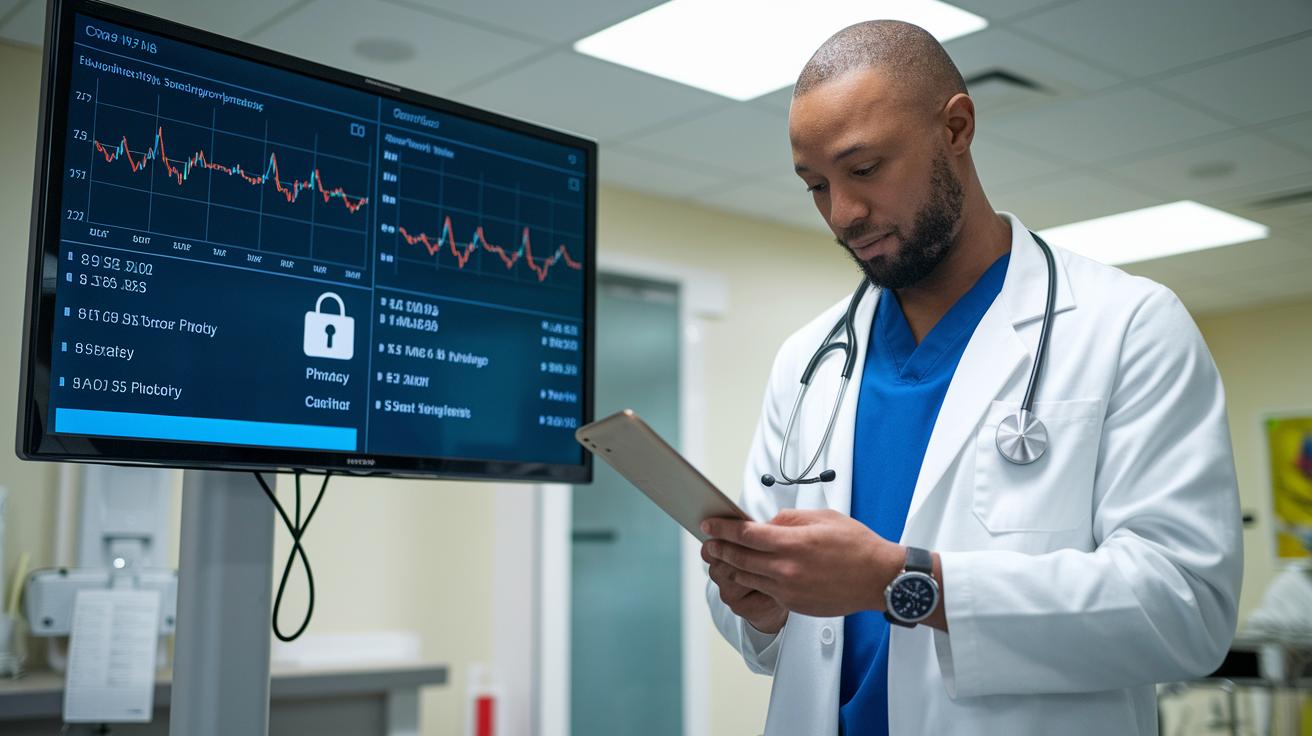
Machine learning in healthcare works with doctors instead of replacing them. It helps keep patient records secure by using strong privacy measures and smart alerts. Imagine a system that gently notifies the tech team whenever it spots something odd, so they can quickly check on things. Organizations follow strong rules, like those from the U.S. FDA for medical software, to build trust with both care providers and patients.
Ethical choices are equally important. Developers design these models to show clearly how decisions are reached, making it easier to spot and reduce any bias. The algorithms update their predictions step by step, ensuring fairness in every move. Some key focus areas include:
- Best practices for data security and privacy
- Ways to boost the clarity of how algorithms work
- Ethical methods to reduce bias
These efforts blend innovative care with careful regulatory standards, helping healthcare professionals count on reliable and secure systems every day.
Emerging trends and future directions for machine learning in healthcare
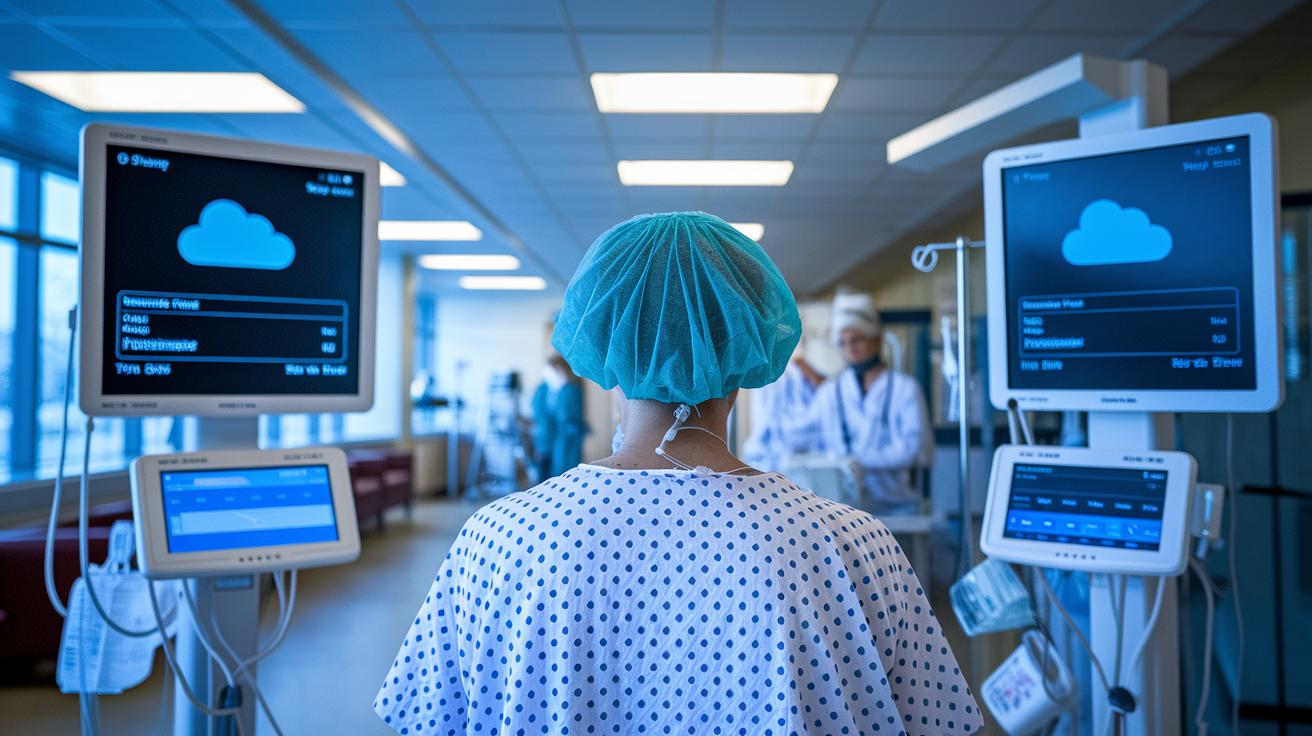
Cloud-enabled platforms are making it easier for healthcare systems to get quick insights. Moving data to the cloud means patient information is processed fast, giving providers the chance to change treatment plans almost immediately. And with edge computing, some analysis happens right by a patient's side so that alerts, like a sudden jump in heart rate during exercise, get to caregivers without delay.
Interdisciplinary work now brings together signals from digital devices, clinical records, and imaging data. This mix creates richer models that are shaping the future of digital diagnostics. Imagine a device that quietly monitors your breathing and instantly sends a warning if something seems off. Open-source platforms and frequent academic meet-ups are boosting these innovations. In time, telemedicine and IoMT analytics will connect even more closely, changing how quickly care adjusts to help you feel your best.
Final Words
In the action, we saw machine learning in healthcare reshape patient care. We touched on its role in turning unstructured records into clear insights, boosting diagnostic accuracy and tailoring treatments. Case studies brought these ideas to life, proving that ML speeds up patient care decisions while keeping data safe and ethical. With new trends emerging, this smart technology continues to create a path to simpler, more secure healthcare. All in all, machine learning in healthcare is lighting up our way toward a positive and connected future.
FAQ
Q: What are some examples of how machine learning applies in healthcare?
A: The machine learning in healthcare examples show automated image analysis, real-time patient monitoring with wearable sensors, personalized treatment recommendations based on patient history, and accelerated drug discovery by processing vast amounts of patient data.
Q: What do machine learning healthcare research papers explain and provide in PDF format?
A: The machine learning in healthcare research papers explain methods for breaking down complex patient data, automating diagnostics, and supporting clinical decisions, with many available in PDF format for detailed academic review.
Q: What topics are covered in a machine learning in healthcare course?
A: The machine learning in healthcare course covers basic ML concepts, applied techniques in radiographic analysis, treatment optimization, and use of live wearable data to bolster personalized care in clinical settings.
Q: What projects showcase machine learning applications in healthcare?
A: The machine learning healthcare projects feature diagnostic automation, predictive patient outcome modeling, and digital platforms that support customizable treatment plans by analyzing real-time data from extensive patient records.
Q: What are the types of machine learning used in healthcare?
A: The types of machine learning in healthcare include supervised methods using labeled data, unsupervised models that seek hidden patterns, reinforcement learning driven by trial feedback, and deep learning that excels in diagnostic imaging.
Q: What career roles are available in machine learning in healthcare?
A: The machine learning in healthcare jobs span roles for data scientists, clinical informaticists, biomedical engineers, and research professionals who apply advanced algorithms to improve patient care and streamline clinical operations.
Q: What are the four categories of machine learning?
A: The four categories of ML typically include supervised learning, unsupervised learning, semi-supervised learning, and reinforcement learning, each differing in how algorithms process data and refine decision-making.
Q: What is the most common form of AI used in healthcare?
A: The most common AI in healthcare is based on deep learning algorithms that drive image analysis for diagnostics, support clinical decision-making, and assist in monitoring patient health with data-driven insights.