

Have you ever noticed how your phone can act like a caring friend, guiding you through your daily health routine? Mobile health tools blend user-friendly apps with quick alerts, putting important health details right at your fingertips. They give you up-to-the-minute info and gentle reminders to help you stick to your care plan. With a clear design and easy steps, these tools connect you to trusted advice like a familiar guide. Next, we’ll explore how using these platforms can boost your care and make managing your health feel natural and engaging.
How mobile health platforms boost patient engagement effectively
Mobile health platforms bring together apps, telehealth, and patient portals into one smooth experience. They let you check your health records, view treatment plans, and securely message your care team. Imagine feeling a gentle buzz on your phone reminding you to review your medicine schedule, it really makes managing your health feel effortless.
These platforms help you stay on top of your health by:
- Giving you real-time access to your personal health details
- Making it easy to schedule appointments and set up medication reminders
- Offering a secure way to chat directly with your healthcare providers
The design is all about you. Picture an app with clear, high-contrast buttons and simple navigation, as if a friendly guide were showing you each step of your self-care journey. It's like having a little helper in your pocket, always ready to lend a hand.
Some platforms even send quick automated messages when you sign up, such as when a larger practice wants a demo or uses self-service checkout. You get an immediate note saying a team member will be in touch soon. This quick follow-up builds trust and makes starting out feel comfortable.
Plus, personalized health apps deliver content made just for you. They might include fun educational videos or progress bars that motivate you to stick to your care plan. Together, these features create a cozy and supportive environment, helping you be more active in your health journey and feel truly connected to your care.
Key features of mobile health platforms for patient engagement

Real time notifications aren’t just about reminding you of appointments or medications. They help cut down on missed care moments. One study even showed that patients became 15% more likely to stick to their care plan when they got immediate alerts. It’s like your phone is giving you a little nudge, shortening your waiting time by about 20%.
Mobile health platforms also strive to connect all your apps smoothly. In one case, when systems for scheduling, messaging, and notifications were combined, data mistakes dropped by 25%. This means your health information gets handled more accurately.
| Feature | New Insight |
|---|---|
| Real time notifications | Boosted patient adherence by 15% in one study |
| Integration of mobile apps | Cut data errors by 25% in a unified system |
Interactive patient portals are getting smarter too. They let you send secure messages, check your test results quickly, and explore a wealth of digital health info, all in one easy spot.
Push reminders and playful gamification features aren’t just about collecting points anymore. They now offer live feedback that helps you manage your health goals more effectively. These upgrades bring fresh benefits and better insights into how mobile platforms can support your well-being.
Integrating mobile health platforms with healthcare systems
Mobile health platforms now buddy up with electronic health records using secure, privacy-first APIs that follow HIPAA and GDPR rules. Clinical systems like Radiology Information Systems can share data safely with your mobile app just like sending a quick text. Think of it as your health details syncing in a smooth, step-free way.
Wearable devices and home sensors plug into these apps, so you get real-time updates on your vital signs. Imagine a gentle buzz from your phone after a brisk walk, telling you your heart rate is in check. It feels a bit like having a friendly health coach checking in with you during your day.
Cross-platform tools also bring mobile health together with everyday apps like WhatsApp and basic phone calls. For instance, you might look at your test results on the app and then chat quickly with your healthcare provider about them. This neat system helps every bit of your health info slide into your regular routine with ease.
Bringing these platforms into daily clinical use not only sharpens digital monitoring but also builds a safe, connected space where both care teams and patients know they are well looked after.
Enhancing user interface and design for mobile health engagement
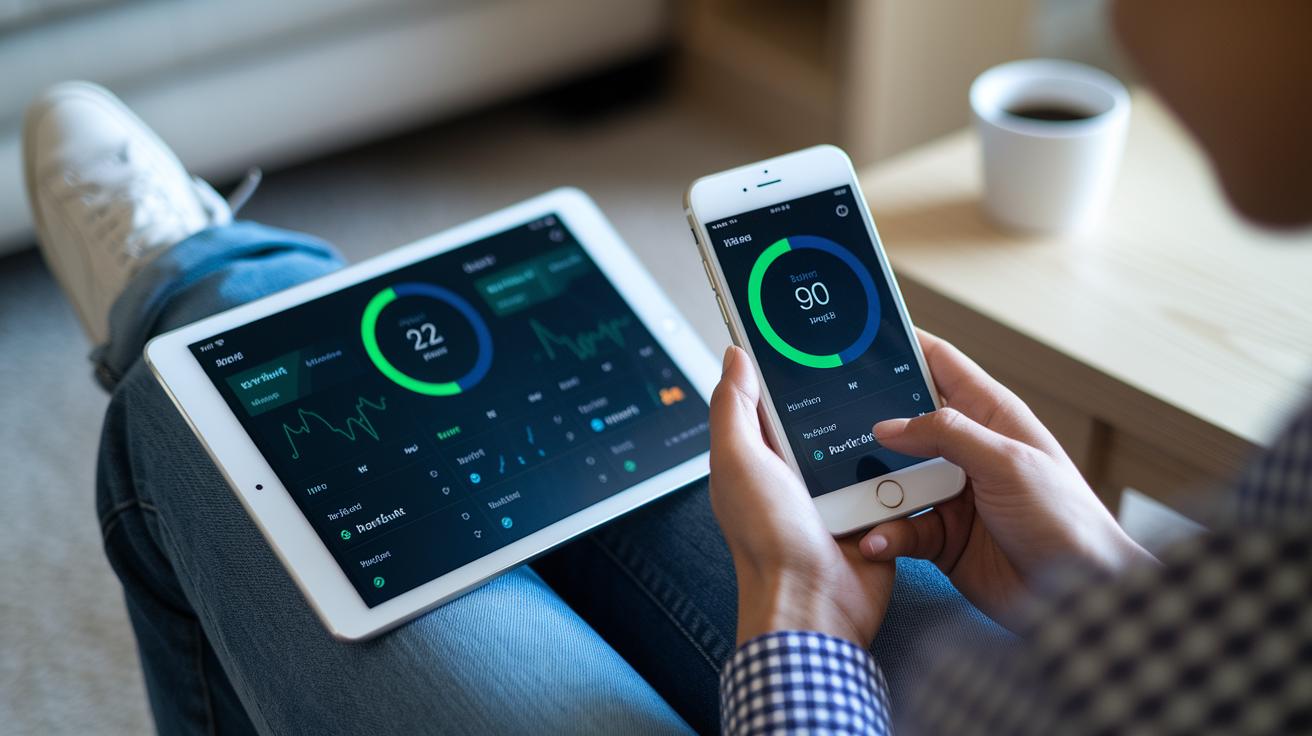
Mobile health apps should feel like a natural part of everyday life. They need to be easy to use so you can quickly check appointment tools, test results, or medication reminders with a simple tap. Imagine your go-to app where every option is clear, and everything feels just right.
A responsive design matters on every device, whether you're on a phone or a tablet. A smart layout adjusts smoothly to your device, making it simple for anyone to check and manage their health details. For instance, apps like Smart Clinic and Smart Patient show that well-designed interfaces can attract hundreds of daily logins by adapting to individual needs.
The goal is simple: a smooth experience that lets you confidently explore your health journey. When interfaces are clear, accessible, and adaptive, mobile health platforms not only meet your expectations but also keep you engaged day after day.
Leveraging mHealth analytics to optimize patient engagement
Providers use mHealth analytics like a personal health helper that keeps an eye on you in real time. Think of it as a dashboard that tracks your vital signs, your heart rate, blood pressure, and more, as they happen. This real-time info helps catch any changes quickly, so you can take action before things get out of hand. For example, you might see a little note saying, "Your heart rate just spiked after your walk," prompting you to check in with your care team. These live updates let your providers adjust your treatment while giving you the support you need to manage your own care. And with clear graphs turning numbers into visuals, understanding your health becomes a lot simpler.
Next, outcome analytics and smart AI insights work together to tailor care specifically for you. Your provider blends what they learn from how you behave with what they know about patient outcomes to see what works best. This smart approach can even predict potential issues before they become serious. Imagine your app giving you a friendly tap on the shoulder: "Looks like you missed your daily activity goal, how about a quick exercise now?" These thoughtful reminders make managing a chronic condition feel like a group effort, where you and your care team work together toward better health.
Real-world case studies in mobile health platforms for patient engagement

The EMIT system in South Africa shows how remote patient monitoring can transform patient care. It uses several devices to capture patient data, making it easier for care teams to keep track of vital signs in real time. Imagine how a patient with a chronic condition might feel supported knowing that their health is being watched around the clock, this is digital health innovation at work.
AMC Smart Clinic is another striking example. Its Smart Clinic and Smart Patient apps see roughly 452 and 222 accesses per day respectively. This high engagement level reflects how telemonitoring solutions can effectively manage chronic conditions by allowing virtual check-ins, reducing the need for frequent office visits. It’s like having a healthcare companion that continually reminds you, “Hey, we’re here to help.”
During the COVID-19 surge, the rapid launch of 114 dedicated COVID-related apps underscored the role of virtual monitoring solutions during crises. These tools ensured patients received the guidance they needed swiftly, proving that virtual monitoring solutions and remote patient monitoring are critical for urgent public-health responses.
| Program | Key Feature | Engagement Outcome |
|---|---|---|
| EMIT system (South Africa) | Multi-device data capture | Efficient monitoring for remote patients |
| AMC Smart Clinic | High daily app accesses | Improved chronic condition management |
| COVID-19 Response | Dedicated COVID-related apps | Rapid, focused public-health engagement |
These case studies illustrate how diverse mobile health platforms can drive patient engagement by providing tailored, real-time support and reinforcing active participation in health management.
Security and privacy best practices for patient engagement in mobile health platforms
Digital health platforms work hard to keep your health information safe. They use modern encryption and secure servers like a digital fortress that protects your details while you send messages through safe health channels. Every message and transaction gets extra care with strict rules for protected health information so that your data is handled like it’s locked up tight. Picture your information moving through multiple secure layers, just like a precious item stored in a safe, locked container.
Meeting regulatory standards isn’t just a checkbox, it builds trust. Platforms follow clear rules similar to HIPAA and GDPR to make sure data gets shared safely between systems, and they focus on making sure medical records, chat logs, and appointment notes flow easily between providers without sacrificing your privacy. Have you ever thought about how reassuring it is when tech works in harmony to keep your personal details secure?
Key measures include:
- Using strong encryption to protect every bit of data.
- Running robust secure servers that safely store your information.
- Sticking to strict guidelines on patient consent and data ownership, with clear steps for transparency.
By layering these protections, mobile health platforms keep your sensitive information safe while helping you stay connected to your care.
Future trends in patient engagement with mobile health platforms

Imagine a world where checking in on your health is as simple as tapping your phone. Telehealth is getting better every day. Soon, every virtual visit will feel like a friendly chat, blending seamlessly into your daily routine. New technology is making it easier than ever to connect with your care team, almost like having your doctor right in your pocket.
Think about your smart watch or fitness band. Before long, these devices will continuously track your health and alert you when something seems off. Experts are excited about trends in wearable devices that will soon measure everything from heart rhythm to blood oxygen levels. All this information will pop right up on your mobile app, keeping you in the know.
But it doesn’t stop there. Digital tools like AI-powered coaching and friendly reminders are evolving quickly. Picture an app that not only reminds you to take your medicine but also offers a quick tip if it senses stress building up. This kind of real-time advice, powered by smart technology, makes managing your health feel more supportive and personal.
New mobile health models are also stepping up to support better, value-based care. Each interaction is designed to boost your overall well-being, making personalized care more accessible every day.
Final Words
In the action, we saw how mobile health platforms simplify tasks like scheduling, secure messaging, and real-time notifications. The post covered key features like integrating with health records, improving user design, and using data to refine care. It also highlighted how case studies have made a difference in patient care. All these elements work together in enhancing patient engagement with mobile health platforms. With every update, healthcare management becomes more tailored to your needs, paving the way for a brighter, more connected future.
FAQ
What impact does telemedicine have on healthcare and how does it increase access?
Telemedicine brings improved access and speed to care. It connects patients with providers remotely, reducing wait times, travel, and helping patients receive timely health guidance.
What do recent telehealth articles from 2024 and 2025 reveal about its role in healthcare?
Recent articles highlight that telehealth is growing rapidly. They show how new tools and practices are making care more accessible and responsive to patient needs.
How does telehealth improve continuity of care and overall patient outcomes?
Telehealth improves continuity of care by keeping patients engaged between visits. It offers consistent follow-up and monitoring, which helps maintain treatment plans and boost health outcomes.
How can telehealth services be improved?
Enhancing telehealth involves creating user-friendly platforms and secure data exchange systems. These improvements make it easier for patients to access records, schedule appointments, and communicate with care teams.