
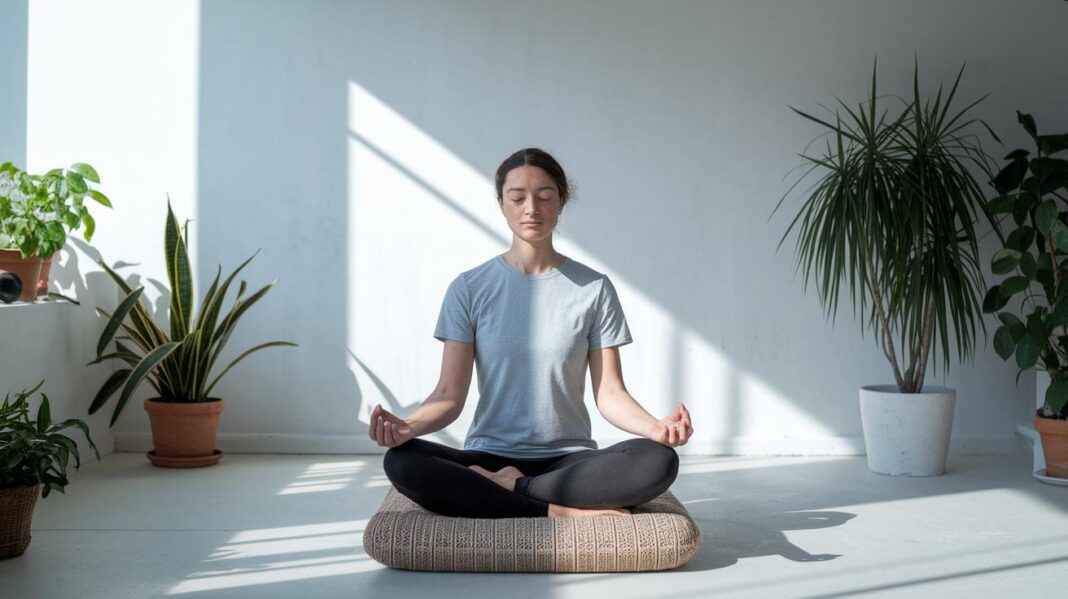

Ever notice how a few quiet minutes can help wash away your worries? Meditation lets your mind take a breather and get ready for the day ahead. In this guide, we share simple, friendly tips to help you start meditating.
Find a cozy spot that feels just right. Set a timer so you know when to wrap up. Then, just relax and pay attention to your breath. It can be as easy as noticing the soft rise and fall of your chest.
Try this out when your day feels busy or a little too loud. It’s like pressing pause to catch a peaceful breath in the middle of chaos. Give it a try and see how these small moments refresh your day.
Starting Your Meditation: Basic Wellness Tips for Beginners
Meditation helps calm your mind and brings clear focus by using your breath as a steady guide. Start by finding a quiet, comfy spot where you feel relaxed, maybe your favorite chair or a little corner in your room. A familiar place makes it easier for your mind to settle and work its magic. Did you know that sitting quietly for just a few minutes can really boost your focus and ease stress?
Next, set a timer for about 5 to 10 minutes. This small routine makes it easier to stick with the practice, even if it just starts as a short session. Regular practice can help sharpen your decision-making and let you notice both how your body feels and what emotions come up. I often keep my phone nearby with a timer so I can stay focused without watching the clock.
Now, let your breath be your friend. Watch as you breathe in and out naturally, without trying to change anything. And if your thoughts start drifting, gently remind yourself, "My breath grounds me." It's all about simply noticing that natural flow, with each in and out keeping things light and easy.
For more ideas on getting started, check out mindfulness activities for adults and simple wellness routines for beginners. By choosing your spot, setting your timer, and focusing on your breath, you're not just building a basic meditation practice, you're creating a habit that helps ease everyday stress and boosts your overall well-being.
Designing Your Space: Quiet Settings for Mind–Body Connection

Start by giving your meditation spot a gentle, inviting touch. Try soft lighting, a cozy cushion or woven rug, and a hint of fragrance from a diffuser to warm up the room. Imagine a space where the soft glow of a lamp and a whiff of lavender wrap you in calm.
Next, choose a few decor pieces that boost comfort without crowding the area. Maybe add one piece of art that recalls a happy memory, or place a small potted plant to bring a bit of nature indoors. These small choices help you feel connected and grounded during your sessions.
Finally, layer in some relaxing extras. Use soft background sounds like a light rainfall or chirping birds, and pair them with adjustable, low lighting. Picture a room where the gentle light and the soft sound of rain create a soothing rhythm with each breath.
Posture & Breath Control: Relaxed Alignment and Breathing Technique Tips
Find a comfy spot where you can sit upright without straining. Sit with your back straight but relaxed, letting your shoulders drop naturally. Take a moment to do a quick scan of your body and notice any tight spots in your neck or shoulders. It’s like a gentle reminder that you’re at ease.
Next, let your breath be your guide. Simply watch how you breathe in and out, noticing its natural flow without trying to change it. I remember one session when I just observed my chest rising and falling, it felt like gentle waves on a quiet shore. Don’t force a rhythm; just let it be.
As you settle in, savor the pause between breaths. That little break reminds you that you’re giving yourself time to reset. And if your mind starts to wander, gently bring your focus back to your breath, as if you’re checking in with yourself. Sometimes, trying out deep breathing exercises can help ease stress with a slow, steady pace.
Then, after a few minutes, do another light body scan. This quick self-check confirms that your posture stays comfortable and any lingering tightness melts away. With every exhale, picture releasing tension and welcoming calm, taking a mindful step toward deeper relaxation.
Guided Sessions & Tranquility Rituals: Starter Wellness Routines
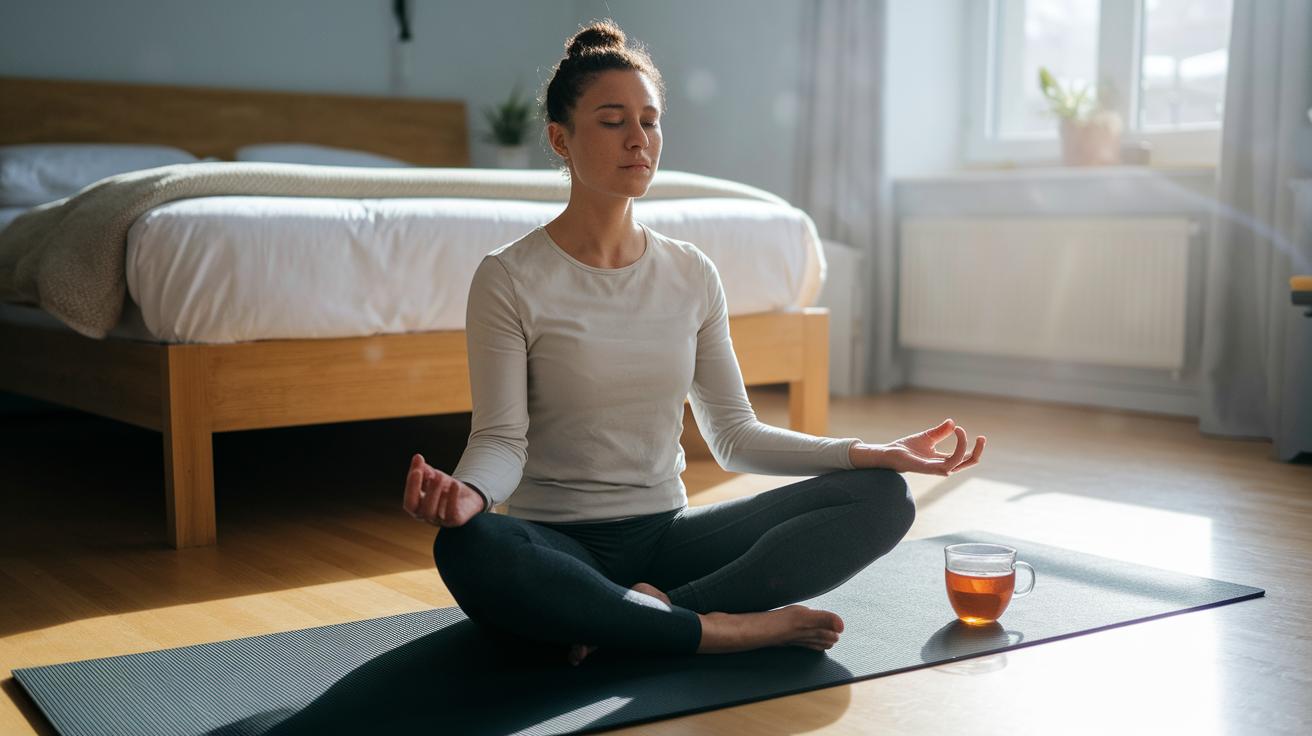
Guided sessions are a friendly way to start meditation. You can pick a quick one-minute practice or try something deeper that lasts up to 30 minutes. Many beginners choose 5, 10, or 15-minute sessions that explain how to sit comfortably, gently remind you to keep your breath steady, and offer simple fixes when your mind wanders. It’s like having a kind coach beside you, saying, "Relax your shoulders and enjoy your natural breath."
Daily rituals of calm can add even more peace to your day. It might help to set aside a special moment each morning to build a peaceful start or an evening session to settle your thoughts before sleep. Imagine winding down with a short session that not only quiets your mind but also helps you sleep better later on. Experimenting with different lengths can reveal what fits you best, turning a small routine into a comforting habit that grows over time.
Building Consistency: Session Planning & Patience-Building Practices
Find a quiet moment in your day and set it aside for meditation. Start small, just 2 to 5 minutes, and watch the habit grow naturally. Even a brief session lays the foundation for longer, soothing moments later. Your timer can feel like a gentle nudge, softly reminding your mind that it’s time to relax.
Pick a favorite spot and a regular time, whether right after you wake up or just before bed. This steady routine helps signal to your body that it’s time to slow down. I once set a quiet alert on my phone that nudged me to pause and breathe when the day got too busy.
If your mind drifts, be kind to yourself. Let those wandering thoughts pass without judgment. Over time, this gentle approach builds both your patience and strength, and you might find you naturally extend your practice. The goal is to nurture a wellness habit that becomes a cherished, calming pause filled with self-kindness.
Wellness Tips for Meditation Beginners: Feel Serene

Understanding your meditation journey starts with simple, gentle steps. It’s all about letting go of stress so you can feel calm and clear. When you pause to breathe, you create room for clear thoughts and a relaxed body. Over time, these little moments of calm become easy parts of your day and can really help ease your anxiety.
Ever wondered about these basic questions?
- How long should I meditate? Start with just 2 to 5 minutes and slowly add more time.
- Do I need guided meditation? Sometimes a guided session helps keep you on track, but meditating alone works just as well.
- How do I handle wandering thoughts? Simply take a deep breath and gently bring your focus back.
- What benefits will I notice right away? You might feel less anxious and more clear-headed.
One cool technique to try is called RAIN meditation. First, notice what you feel. Then, let those feelings be without rushing to change them. Next, explore where they might be coming from. Finally, be kind to yourself. Another gentle method is loving-kindness meditation, which shifts your focus to caring for yourself and others. These practices can ease stress and help you feel steady throughout even the busiest days.
Just remember to take deep, steady breaths during your practice. Even a few minutes of mindful calm can clear away stress and bring a true sense of inner peace.
Final Words
In the action, this post walked through setting up a calm space, using your breath as an anchor, and planning sessions to help you settle into meditation. It discussed posture, guided sessions, and even answered questions about handling distractions.
Small, steady steps can lead to big benefits for your mind and body. Take these wellness tips for meditation beginners to heart and enjoy the calming, steady rhythm of your daily routine. Stay positive and keep finding those peaceful moments.
FAQ
What are the meditation benefits?
Meditation benefits your mind and body by reducing stress, enhancing clarity, and making you feel calmer. Regular practice can help you handle emotions better and appreciate each day more fully.
How do beginners start meditating and where can I find free or guided sessions?
Starting meditation as a beginner means finding a peaceful spot, setting a short timer, and gently focusing on your breath. Free or guided sessions offer easy ways to build your routine.
How can I meditate in bed as a beginner and maintain comfort?
Meditating in bed works best when you sit up comfortably, even at the head of your bed, set a brief timer, and allow your breath to guide your focus for a relaxed start.
How can I incorporate spirituality into my meditation practice?
Meditating spiritually involves quiet reflection, setting a sincere intention, and embracing inner calm. This practice helps you feel connected on a deeper emotional and personal level.
How do I establish a meditation routine at home?
Creating a home meditation routine means choosing a quiet, consistent spot and experimenting with self-led or app-guided sessions. This helps form a steady, beneficial daily habit.
What are the key R’s of meditation and how do they manage thoughts?
The key R’s help you recognize distractions, release tension, return focus to your breath—and sometimes recalibrate your mind. They serve as simple steps to keep your practice on track.
What are the 7 C’s of mindfulness and why do they matter?
The 7 C’s—calmness, clarity, contentment, connection, curiosity, compassion, and consciousness—provide a framework that guides you to stay present and engaged in everyday moments.