
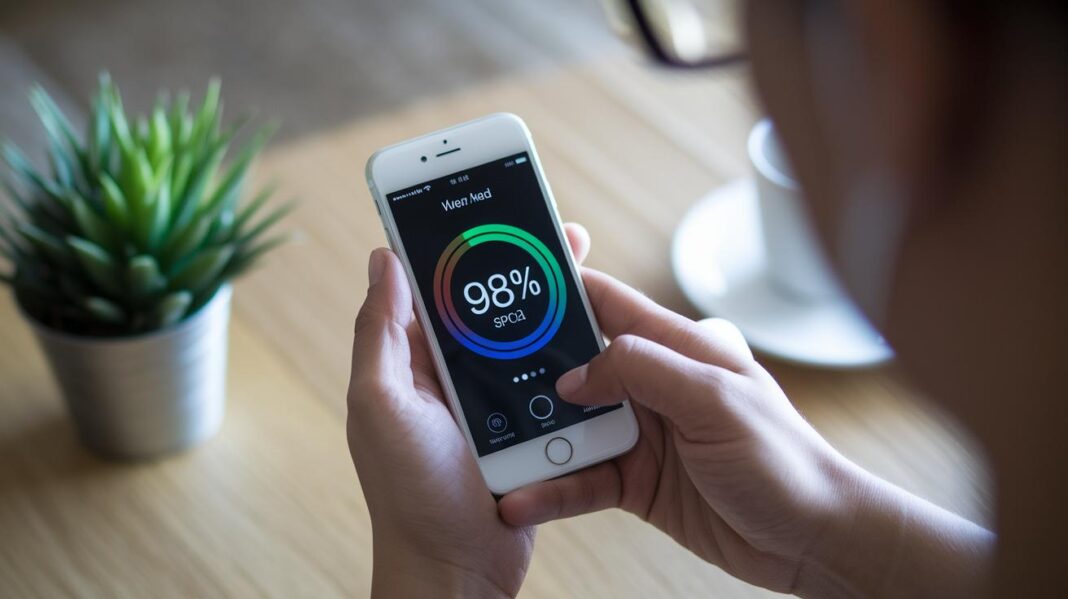

Have you ever wondered if your smartphone can double as a tiny health monitor? It may surprise you to know that many blood oxygen apps check your oxygen levels and heart rate almost like a clinic does. A quick look at your phone might tell you if something feels off, giving you a simple way to take care of yourself.
Studies have shown that these apps work well and can be a great help when you need an early warning sign. In this post, we talk about the top features of these apps and compare how well they work, so you can easily pick the one that fits your needs.
Key Features and Accuracy Comparison of Blood Oxygen Apps
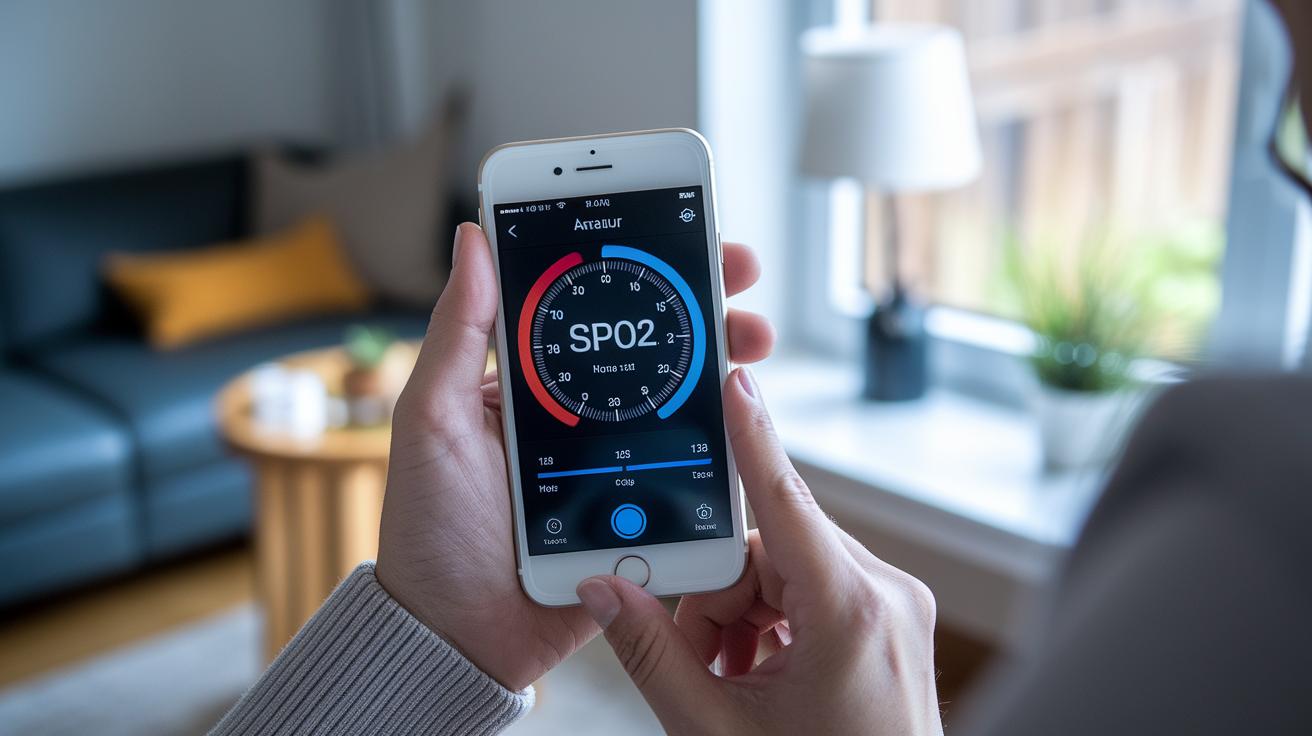
Mobile oxygen measurement is quickly becoming a helpful tool for everyday health care. These smartphone apps let you check your oxygen levels and heart rate wherever you are, making it easy to stay informed about your well-being. It’s as simple as holding your phone to get a quick SpO₂ reading, much like glancing at your bedside clock.
Recent research shows that many of these apps are very accurate. One study found that a home-use app matched clinical tools when measuring heart rate and SpO₂, and its blood pressure reading was only about 1% higher. Researchers at the University of Washington and UC San Diego even proved these apps can spot oxygen levels as low as 70%, meeting FDA standards. Now, top pulse oximetry apps let you see real-time SpO₂ readings, review trend logs, and set up alerts that really work for you.
| App Name | Device Compatibility | Accuracy Rating | Price |
|---|---|---|---|
| OxyTrack Pro | iOS, Android | 98% | $4.99 |
| SpO2 Now | iOS | 97% | $3.99 |
| PulseSense | Android | 96% | Free |
| Oxygen Check | iOS, Android | 98% | $2.99 |
| VitalScan | iOS, Android | 97% | $5.99 |
When picking a blood oxygen app, think about clinical proof and if it works with your device. Check that it has solid testing behind it and supports your mobile operating system. This way, you can use a pulse oximetry tracker that makes health tracking easy and gives you the accurate readings you need for peace of mind.
How Smartphone Oximetry Tools Measure Blood Oxygen
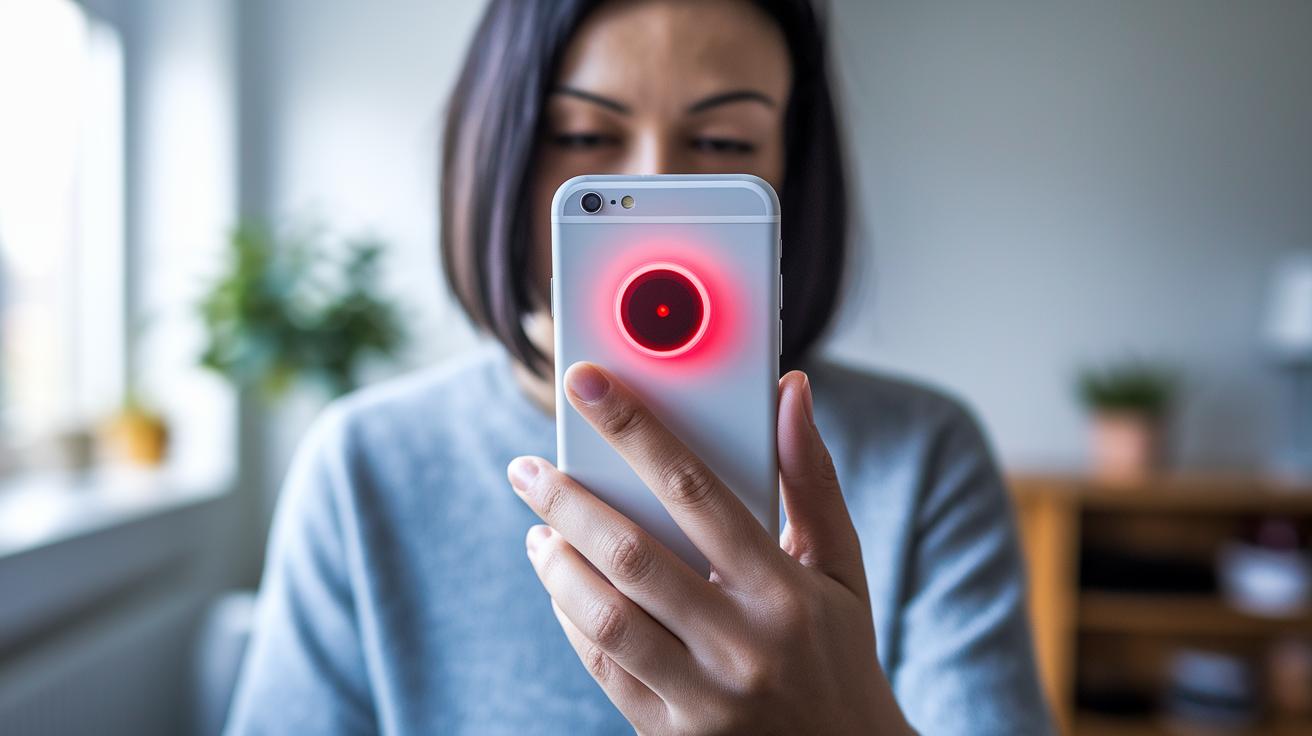
Photoplethysmography is the magic behind many smartphone apps that check your blood oxygen. In plain language, it uses your phone’s camera and flash to work like a tiny oxygen sensor. You simply cover the lens with your finger, and as the flash lights up your skin, the camera picks up small changes in light absorption caused by your blood flow. It’s like your everyday phone turns into a handy health tracker.
A study from June 18, 2015 proved that even a smartphone can become a useful oximeter. Researchers found that using photoplethysmography, the app could reliably spot blood oxygen levels as low as 70%. This meets FDA guidelines, so whether you’re on iOS or Android, you can feel a bit more assured that the tool provides clinically useful data, even though it isn’t perfect.
To help keep things steady, blood oxygen apps add clever signal-processing filters. These digital helpers cut down on errors from extra light in the room or small movements of your finger. This means your phone gives you consistent, real-time insights into your oxygen levels. It’s a neat example of how a simple tweak in software can really boost your health monitoring experience.
Device Compatibility and Integration for Blood Oxygen Apps
Most blood oxygen apps need a phone with iOS 13+ or Android 8+ to work right. This makes sure your phone has the features needed for smooth oxygen tracking and checking your pulse. With these systems, your device can quickly handle data and give you real-time updates about your vital signs.
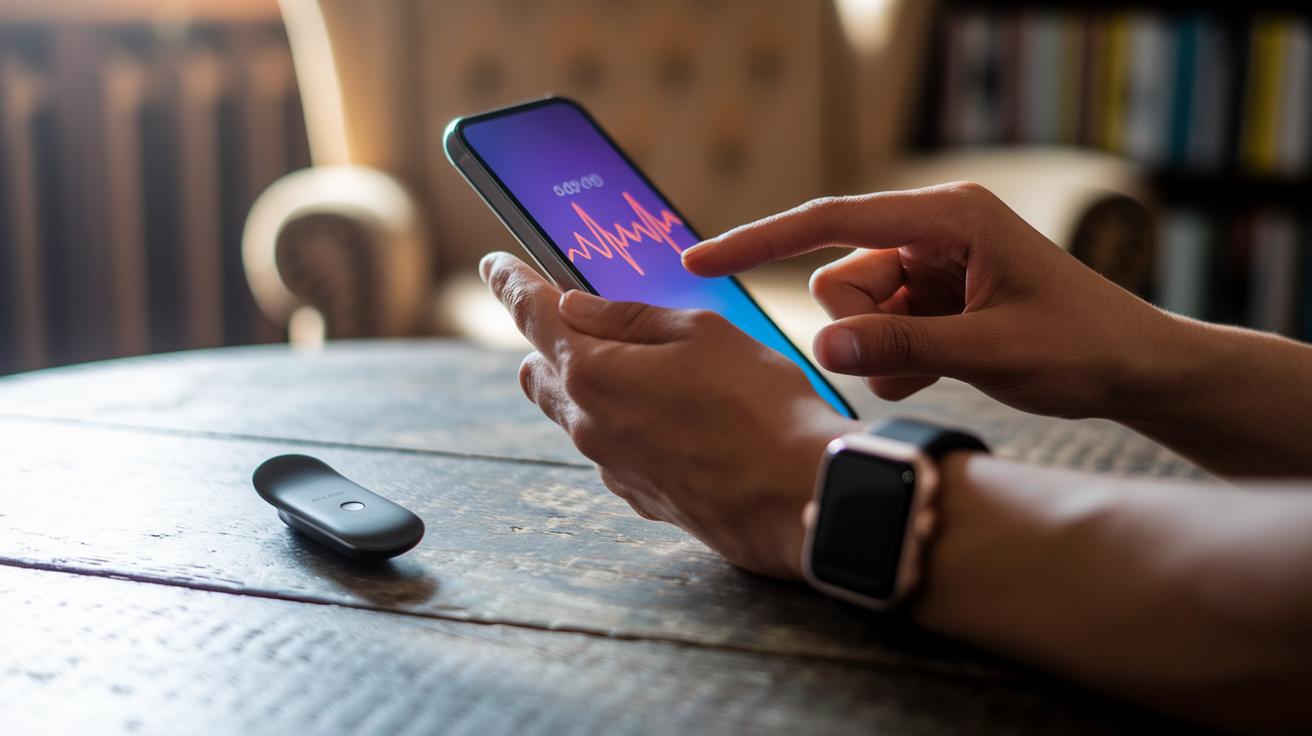
You have several options for taking your readings. You can use your phone's built-in camera or choose a Bluetooth finger clip. And if you like wearables, many smartwatches, like the Apple Watch Series 8, Watch SE, or select Fitbit and Samsung models, come with a SpO₂ sensor, offering a simple way to monitor your oxygen levels on the go.
Next, syncing your data is a breeze. Connecting your readings to platforms like HealthKit or Google Fit brings all your health info, oxygen saturation, heart rate, and more, into one clear dashboard. This unified view helps you easily spot trends and stay on top of your overall wellness.
Ensuring Accurate Blood Oxygen Readings and Calibration
It’s important to recalibrate your device often. Studies show that while smartphone blood oxygen readings match medical-grade tools most of the time, they can drift a bit as you use them. Without regular calibration, your app could become a little off, giving readings that aren’t exactly like those from a clinical pulse oximeter. One study even noted that blood pressure readings were just 1% higher but still highlighted the need for regular checks since sensor accuracy can change with use.
Here’s a simple plan to keep things on track:
- Compare your app’s readings with a certified pulse oximeter.
- Keep the lighting around you steady.
- Let your device warm up for a few moments before taking a reading.
- Take several readings to be sure they’re consistent.
- Write down any differences and adjust your app settings if needed.
Doing this not only keeps your device meeting strict FDA standards, where pulse oximeters must detect saturation as low as 70%, but also helps you trust your everyday monitoring. Regular checks make your oxygen tracking reliable and give you peace of mind about your health.
Data Security, Privacy, and User Experience in Blood Oxygen Apps
Many blood oxygen apps work hard to keep your health details safe. They follow rules like HIPAA and GDPR to protect things like your oxygen levels, heart rate, and even the timing of your readings. They use solid encryption when your data is on the move or stored on your device. This way, you can feel really confident about keeping your health info private.
The user experience is made super simple. With just one tap, you can check your oxygen levels right away. Plus, you get color-coded results and clear trend charts that help you see how things change. It’s like having a friendly interface that makes it easy to understand your data without any hassle.
There are also handy options that give you more control. You can set up alerts if a reading goes off track, and it’s easy to back up or transfer your records safely. This means you can keep a personal log of your health while deciding who gets to see your information.
Health Benefits and Limitations of Blood Oxygen Apps
Using a blood oxygen app to keep track of your SpO₂ all the time can really change how you take care of your health every day. Checking your oxygen levels often can help catch early signs of low oxygen (hypoxia), which is important if you have conditions like COPD, COVID-19, or sleep apnea. Keeping an eye on your levels allows you to notice small drops that might mean it’s time to seek professional help. Many people love having a home monitor because it gives them peace of mind and shows trends that might otherwise slip by unnoticed.
But smartphone readings, even though they’re super convenient, do come with a few warnings. Factors like weak blood flow, extra light in the background, or even a little movement while taking a measurement can sometimes throw off the accuracy. Remember, a blood oxygen app is meant to be an extra tool, not a full replacement, for more precise, clinical-grade oximeters when you really need exact readings.
Here are some simple tips to make daily SpO₂ tracking reliable:
• Use the device in the same, low-light spot each time.
• Let your phone’s sensor settle for a moment before checking.
• When you can, compare your results with a certified monitor.
Final Words
In the action, this article shows how a blood oxygen app can make monitoring health simple and clear. We looked at mobile tools that track oxygen saturation with smart features and secure data care. The guide also reviewed calibration, device pairing, and easy-to-read results to help you stay aware of your wellness. By choosing an app that meets clinical standards and fits your device, you empower yourself to keep better tabs on your health. Here's to taking secure steps toward a healthier tomorrow!
FAQ
Q: Is there a free blood oxygen app available for iPhone, Android, and Apple Watch?
A: The free blood oxygen app means you can monitor your oxygen levels on different devices without cost. It offers basic tracking features on iPhone, Android, and Apple Watch for everyday use.
Q: What is the best blood oxygen app for Apple Watch?
A: The best blood oxygen app for Apple Watch offers seamless tracking and easy-to-read results. It displays your oxygen saturation and heart rate with clear trends and alerts right on your wrist.
Q: Can a smartphone measure blood oxygen levels?
A: The smartphone measuring blood oxygen uses its camera with photoplethysmography to estimate oxygen saturation. It meets relevant benchmarks in studies, though readings may depend on lighting and motion conditions.
Q: Why was the blood oxygen app removed?
A: The blood oxygen app removal points to issues with unsupported claims or regulatory concerns. Developers may pull apps that do not meet strict safety or accuracy guidelines to protect users.
Q: What does the blood oxygen app tell you?
A: The blood oxygen app tells you your current oxygen saturation levels and heart rate. It also logs trends over time, helping you track your respiratory health and notice any significant changes.