
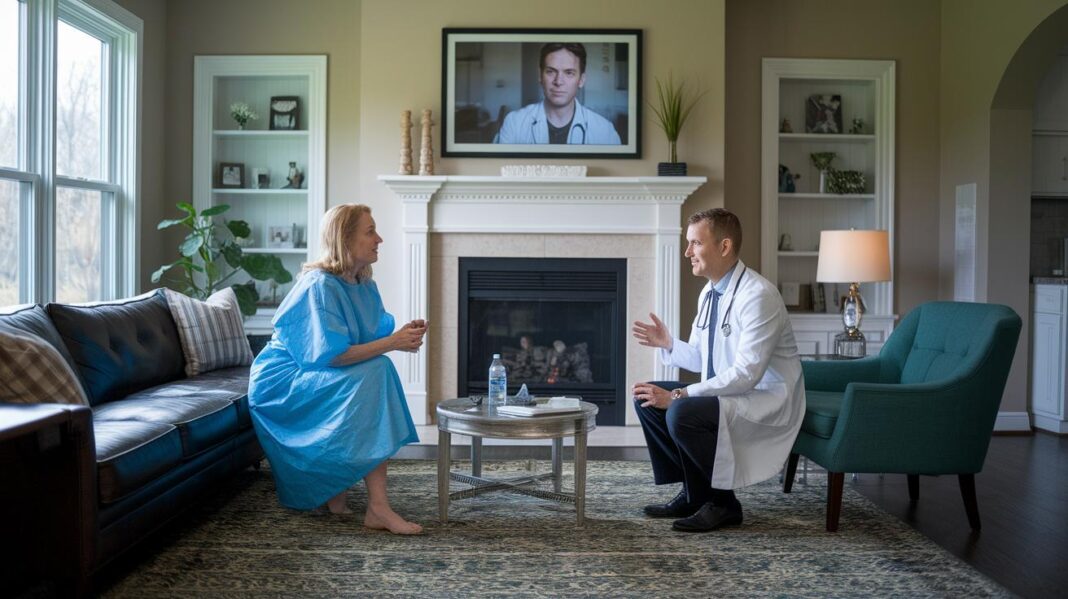

Ever wondered if you could check in with your doctor right from home? Video chats for post-surgery care are changing the way we recover. A quick call lets your doctor see how you’re healing, catch small issues, and share tips to help you feel better faster. Research shows that these digital check-ups can mean fewer sick days and fewer trips to the clinic. It may sound simple, but these visits bring comfort and fast support exactly when you need them.
How Video Consultation Transforms Post-Surgery Follow-Up Care
Video chats for follow-ups are changing what recovery after surgery looks like. They cut out extra trips to the hospital and let you get back to work without the hassle. A study from December 2018 showed that patients spent less time away from work and didn't have to travel as much. Instead, you can check in with your doctor from the comfort of home through secure video sessions. It feels personal and keeps you connected with those who care about your recovery.
This new way of checking in is all about keeping the conversation face-to-face, even from afar. Take Michigan Medicine’s eClinics from March 2017, for example. In a quick 15-minute video call, you get clear advice on how your healing is going. Your doctor can spot potential issues right away and offer handy tips to keep things on track. It’s like having your care team right there with you, ensuring a smooth recovery.
Video check-ups offer many wins for both patients and doctors. They let your clinician notice small changes in your condition in real time, which means problems can be nipped in the bud. And because you're at home, there’s less disruption to your daily life. This way, transitioning from hospital care to home recovery is gentle and reassuring. You get timely support, and your provider can focus on your well-being without losing the personal touch.
Preparing Patients and Providers for Video Consultation in Post-Surgery Evaluations

When you're getting ready for a video visit, you start by filling out an online questionnaire and adding clear photos of your surgery area. It's like sending a quick snapshot so the doctor can spot any changes early on. This little update makes your care plan feel personal and right on target.
Then, your doctor carefully checks out your answers and photos. They look over everything to catch any details that might need extra care during your chat. This way, when you connect online, they’re ready to answer your specific questions and address any concerns right away.
After your video call, the process flows naturally. Your provider writes down the visit in your electronic health record and sets up your next check-in using built-in scheduling features. It’s a streamlined approach that keeps everyone, including you, informed and your recovery on track.
Technology and Security Essentials for Post-Surgery Video Consultation Sessions
When you need a safe follow-up after surgery, a video system that works with electronic health records is a lifesaver. These platforms lock up your personal health details with strong codes, almost like a secret vault that only trusted people can access. Take the Michigan Medicine Patient Portal, for example, its login check makes sure only those with permission see your consultation details. This extra step is key to keeping your conversations private and secure.
Using systems that meet HIPAA (rules that protect your health details) makes it possible for providers to care for you in places like your home or in palliative care. It’s all about streamlining the process so that sensitive data is handled with care, even when doctors are checking in remotely.
Also, HIPAA-approved tools with low start-up costs help many healthcare systems offer secure video consultations without a big expense. The process is simple: you log in through a safe portal, and clinicians see your up-to-date information straight from the health records. Want to learn more about how these video check-ups work for telemedicine? Just click the link provided. This easy-to-follow approach helps keep your data safe while making post-surgery care smooth and connected.
Comparing Video Consultation and In-Person Post-Surgery Follow-Up Care

Virtual visits save you time and effort. They cut down on long drives and help you stick to your recovery plan even on busy days. In fact, a year-long remote monitoring program saved $2.3 million, and over 95% of urology patients were really happy with their telemedicine experience. It’s a pretty neat way to get expert advice, especially if you’re far from a specialist.
These online check-ups bring expert care right to your home, even in rural areas. One patient mentioned, "I saved an hour on travel and got the advice I needed right during my lunch break." It’s simple: you get the care you need without the hassle of regular office visits.
| Benefit | Description |
|---|---|
| Less Travel Time | Saves time and money by cutting out long trips. |
| Workday Flexibility | Minimizes lost work hours for follow-up care. |
| Lower Costs | Helps reduce overall healthcare expenses. |
| Wider Access to Specialists | Connects rural and mobility-limited patients with experts. |
| Early Problem Detection | Quickly spots issues after surgery for better outcomes. |
| Convenient Check-Ups | Offers fast and easy access to follow-up care. |
| High Satisfaction | Ensures patients and providers both benefit. |
All in all, video follow-up visits free up your schedule, save money, and keep care consistent. It means you can avoid long hospital trips and still receive the expert guidance you need as you recover. At the same time, doctors can watch over your progress in real time, answer questions quickly, and keep clear records. This mix of in-person and online care makes for a flexible and efficient system that really meets the needs of today’s patients and healthcare providers.
Mitigating Risks and Challenges in Remote Post-Operative Video Consultation Care
Video calls after surgery can be really useful, but a few hiccups might happen along the way. Sometimes a shaky network or blurry images makes it hard for doctors to see how a wound is healing. Even when patients send clear photos, they might miss parts of the full picture. That’s why many doctors still like to see patients in person early on. I remember a surgeon once saying that even a clear photo can miss a small sign of trouble that only a face-to-face exam revealed.
Technical issues can also create bumps in the road. Some patients might find the digital tools a bit confusing, and others may struggle with an unpredictable internet connection. This makes it tougher for doctors to keep track of the healing process clearly.
To make things better, many medical teams now mix remote check-ups with occasional in-person visits. They offer training on using digital tools and invest in stronger technology to help everyone stay connected. This balance makes sure that assessing your recovery is both effective and reassuring.
Regulatory and Reimbursement Guidelines for Video Consultation in Post-Surgery Care

Think of HIPAA rules as the gold standard for keeping your personal health details safe during video chats. State license requirements also guide how providers can offer care when they are in different states. This means they must follow these rules to protect your information while you recover after surgery. Take Michigan Medicine’s eClinic as an example; it proves that following these guidelines can be both practical and affordable with low startup costs and smooth billing processes.
Medicare and private insurance plans sometimes pay different amounts for video visits depending on your location. Providers might get different rates for digital post-treatment check-ins because each area sets its own rules for covering video care. In truth, these guidelines help ensure that video consultations stay a fair and affordable option for anyone on their road to recovery.
Real-World Case Studies of Video Consultation for Post-Surgery Follow-Up Care
Real-world examples show that mobile video consultations can help patients recover after surgery without extra trips. Take Stephanie Brilla's case, for example. She managed a quick 10-minute check-in during her lunch break, fitting seamlessly into a hectic day while still getting the care she needed.
This snapshot offers a fresh look at how these brief sessions make recovery easier by being both convenient and accessible. Next, check out the table below to see some key outcomes side by side:
| Case Study | Specialty | Outcome Metrics |
|---|---|---|
| Michigan Medicine eClinics | General Surgery, Gastroenterology, Urology | 15-minute sessions, high patient satisfaction |
| Stephanie Brilla Case | Post-Operative Recovery | 10-minute mobile consult, seamless fit in daily routine |
| 2018 Systematic Review | Multi-Subspecialty | Reduced hospital trips, streamlined follow-up |
Final Words
In the action, this article broke down how digital health reshapes post-surgery follow-up care. It highlighted patient prep, secure technology, and a clear contrast between virtual check-ins and in-person visits.
The piece also tackled risk management and compliance while sharing real-world success examples.
Video consultation for post-surgery follow-up care is paving the way for seamless, secure care. Let’s embrace these innovative strides toward more accessible healthcare.
FAQ
Q: How does telehealth enhance surgical care?
A: Telehealth enhances surgical care by using secure video and digital tools to share surgical data and improve communication between patients and surgeons, making follow-ups more efficient and accessible.
Q: What is a follow-up consultation after surgery?
A: A follow-up consultation after surgery is a check-up where doctors review your healing progress using patient data, questionnaires, and images. It helps set the next steps for safe recovery.
Q: What are the 5 P’s of postoperative care?
A: The 5 P’s—pain, pallor, pulselessness, paresthesia, and paralysis—are key signs that surgeons monitor after surgery to quickly spot complications and adjust care if needed.
Q: What are the downsides of virtual appointments?
A: Virtual appointments may encounter technical issues like weak connections or unclear visuals. They can sometimes limit the ability to capture subtle physical signs that an in-person exam might reveal.
Q: What are the guidelines for post-op monitoring?
A: Post-op monitoring guidelines involve tracking vital signs, reviewing patient reports and images, recording details in health records, and scheduling regular check-ups to keep track of recovery effectively.