


Ever wonder how health apps can handle so much data so easily? They use cloud computing, a smart helper that speeds things up, saves data neatly, and keeps your private info secure. This clever tool lets lab results appear quickly and makes telehealth visits run smoothly, so healthcare feels more dependable and within reach. Today, we’re chatting about how the cloud is changing mobile health apps by setting a new standard for safe, scalable, and efficient care.
How Cloud Computing Powers Mobile Health Apps
Cloud computing is a game changer for mobile health apps, making care smoother for everyone. With tools like PaaS, IaaS, and SaaS, apps are built quickly and work seamlessly. PaaS is like a ready kitchen for app building, IaaS offers the virtual backbone for heavy lifting, and SaaS delivers full health apps straight from the cloud.
Imagine your lab results updating automatically, just like a weather app refreshes its forecast. Before these smart tools came along, doctors had to rely on paper files and clunky systems. It’s pretty wild to think how fast things changed!
Cloud integration is the secret sauce that keeps everything running quickly and safely. More than 90% of today’s mobile health apps process big chunks of data in real time, store patient info securely, and back everything up without a hitch. So whether you’re checking your own health stats or a doctor is reviewing your report, the cloud makes sure every detail is right on time.
And when it comes to virtual visits, the cloud lets doctors see your live health info, like vital signs, so you get prompt care during telehealth consults. This digital approach helps deliver key benefits such as:
| Benefit |
|---|
| Data management |
| Scalability |
| Accessibility |
| Analytics |
| Security |
Scalable Cloud Infrastructure for Mobile Health Apps

Mobile health apps can get really busy sometimes. When more people log in, like during a health outbreak, the cloud automatically gives the app extra help. In plain terms, it adds more computer power to handle heaps of data and loads of API requests. Think of it as having an extra pair of hands when things get hectic, making sure every task gets done smoothly.
Next, there’s a smart mix of cloud and local setups. By using hybrid cloud configurations and edge computing (which means processing data close to where you are), the app stays fast and responsive. This setup lets data travel a shorter distance, so users enjoy quicker response times even if the network isn’t the fastest.
Key elements:
- Auto-provisioning
- Load balancing
- Edge distribution
Securing Patient Data in Cloud-Enabled Mobile Health Apps
Health apps that handle private patient info have to follow strict laws like HIPAA and GDPR. Cloud systems work hard to protect your data. In 2024, healthcare faced around 720 cyberattacks and in 2025, we expect about 50 attacks each month. So, mobile health apps must stick to clear rules to keep you safe. The laws don’t just demand strong protection, they also require regular checks to ensure everything works properly.
- Encryption
- Access management
- Audit trails
- Network segmentation
- Compliance checks
Designing with privacy in mind is super important. Developers know you trust these apps with your personal details, so they build secure networks that block any unwanted eyes. What that really means is your data gets scrambled from the moment it leaves your device until it safely arrives at its destination. All these measures work together to form a strong security chain that helps stop cyber threats and keep trust high.
By putting privacy first, cloud-enabled health apps not only meet legal requirements but also create a safe space for your health information. This focus on secure solutions gives you and your healthcare provider the confidence you need when checking records, booking appointments, or even talking to a doctor from home.
Real-Time Analytics & Remote Patient Monitoring via Cloud in Mobile Health Apps
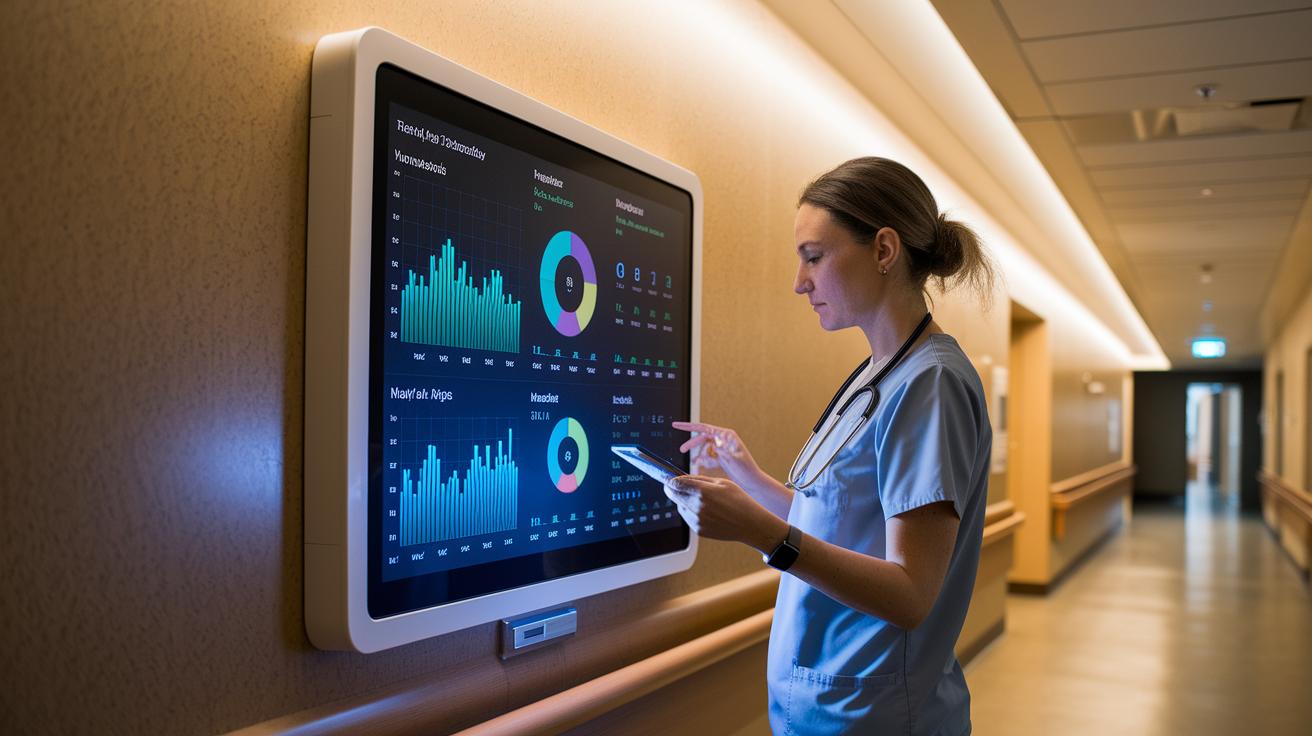
Cloud computing makes it super easy to pull in and process a ton of patient data almost as soon as it's created. Mobile health apps pick up info from wearables and sensors, sending it securely to the cloud where it’s stored and crunched in real time. This setup powers dashboards that update the moment new data arrives, giving clinicians a quick look at a patient’s current condition. Pretty cool, right? These instant insights help spot changes fast, so care can be more responsive and spot-on. Curious? Check out current trends in mobile health app trends to see more innovative techniques in action.
Cloud-assisted patient monitoring connects your home devices to hospital systems, letting providers track health no matter where you are. Whether you’re at home or on the go, data flows steadily to support remote consultations and virtual check-ups with fresh, reliable info. This constant link means that clinicians can keep an eye on chronic issues or address urgent needs quickly, even if they’re not in the same room.
Some popular use cases include:
- Vital signs
- Medication adherence
- Teletherapy
Integrating Cloud Service Models into Mobile Health Apps
Cloud architectures are the backbone powering today's mobile health apps. They let developers use tools like PaaS, MBaaS, IaaS, and SaaS to shift heavy processing tasks away from the app. This means updates are simpler, and maintenance is easier. When developers connect to cloud APIs, secure their data transfers, and set up automated deployment pipelines, the result is better performance and stronger protection for sensitive information. All these service models work together to support fast development, reliable data flow, and smooth telemedicine features.
| Service Model | Definition | Key Benefit |
|---|---|---|
| PaaS | A platform that provides both hardware and software tools online for app development | Speeds up development and simplifies setup |
| MBaaS | A Mobile Backend as a Service that links apps to cloud storage and essential backend services | Makes backend integration and management easier |
| IaaS | Infrastructure as a Service that offers virtual computing resources online | Provides flexibility and cuts down on the need for local hardware |
| SaaS | Software as a Service that supplies full applications through the internet | Eliminates local installation hassles and lowers upkeep duties |
Continuous integration and deployment pipelines make updating the app feel smooth and effortless. They let new features roll out without any service interruptions. Plus, by using a mix of public and private cloud environments, developers can reduce delays and make sure the app stays up and running. In truth, these modern strategies help mobile health apps update faster and perform more reliably, keeping patient data easily reachable and securely managed.
Case Studies: Cloud-Based Mobile Health Solutions in Action

A hospital moved its Electronic Health Records online to keep all patient information in one simple spot. This change cut down on manual data entry and made it much faster to pull up records. As a result, the team could diagnose problems quicker and the overall care got a boost.
Next, a clinical trial management platform shifted to the cloud. With real-time updates and data flowing seamlessly, the platform worked more efficiently. This upgrade even pushed its market value from $2.0 billion in 2024 to $2.5 billion in 2025. Researchers really appreciated the automatic updates and speedy analysis, making their day-to-day trial management smoother.
Then, a pharmaceutical company took advantage of cloud tools for drug discovery and genomic research. By speeding up data processing and simulations, they managed to cut research time by almost 20%. This modern approach not only made digital health innovations easier to access but also helped spark quicker breakthroughs in new therapies.
Challenges & Future Trends of Cloud in Mobile Health Apps
Many mobile health apps sometimes run into a few bumps when they start using cloud computing. One big worry is keeping personal health data safe as it moves to far-off servers. There’s also the challenge of making sure health diagnoses are spot-on, especially since almost 800,000 U.S. patients already face issues every year. And then, systems don’t always talk to each other easily. This makes it hard to see the whole health picture. These hurdles mean we need smart plans and strong fixes to meet healthcare’s strict standards.
Looking ahead, exciting tech is stepping in to ease these challenges. Developers are blending artificial intelligence (AI) and machine learning into cloud platforms. This mix could bring in more reliable tools for health checks and even predict issues before they become big problems. Early tests hint that using the cloud fully might create up to $140 billion in value by 2030. Meanwhile, edge computing is coming into play by processing data closer to you. This means quicker insights and care when every second counts.
Plus, using several cloud providers together is catching on. This multi-cloud approach not only makes apps tougher against failures but also helps different systems work together more smoothly. AI-driven precision medicine is another bright spot. It promises a future where high-level analytics lead to personalized care and fewer mistakes.
Key future trends:
- AI/ML cloud services for better diagnosis
- Edge computing for fast, real-time care
- Multi-cloud strategies for stronger, more connected systems
Final Words
In the action, we examined how cloud computing drives mobile health apps through secure data management, dynamic scalability, and real-time analytics. We outlined service models such as PaaS, IaaS, and SaaS, along with auto-scaling and hybrid solutions that keep data flowing smoothly. Cybersecurity measures, remote monitoring, and standout case studies also featured strongly. These insights on the role of cloud computing in mobile health apps leave us feeling optimistic about a future where accessible, responsive care is always just a tap away.
FAQ
What is the role of cloud computing in mobile health apps PDF?
The role of cloud computing in mobile health apps PDF explains how cloud platforms enable secure storage, scalable processing, and real-time analytics for patient information, ensuring mobile apps deliver timely and reliable healthcare services.
What is the role of cloud computing in mobile health apps in 2021?
The role of cloud computing in mobile health apps in 2021 centered on managing large volumes of patient data through real-time processing, secure backups, and scalable performance, which improved overall app reliability and patient care.
How does centralized vs decentralized cloud computing affect healthcare?
The comparison between centralized and decentralized cloud computing in healthcare shows that centralized systems offer uniform security and management, while decentralized systems provide quicker local data control and responsiveness for better patient support.
What cloud services are commonly used in healthcare?
The cloud services used in healthcare include secure storage, real-time data processing, analytics, and telehealth support, all of which boost efficiency, reliability, and the effective delivery of patient care through integrated digital solutions.
What are the security challenges and solutions using healthcare cloud computing?
The security challenges in healthcare cloud computing involve potential data breaches, unauthorized access, and compliance issues. Effective solutions include strong encryption, role-based access controls, and regular security audits to protect patient information.
What are the opportunities, risks, and compliance issues in cloud computing for healthcare?
The opportunities in healthcare cloud computing offer improved data accessibility and analytics, while the risks involve potential privacy breaches and cyber threats. Compliance with standards like HIPAA plays a crucial role in safeguarding patient data.
What is a cloud-based healthcare management system?
A cloud-based healthcare management system utilizes cloud infrastructure to securely manage patient records, appointments, and billing, allowing health providers to access and update critical information seamlessly from any location.
What capabilities and advantages does cloud computing offer in implementing electronic health records?
Cloud computing in electronic health records delivers secure data storage, seamless updates, and scalable performance. These advantages streamline record management and ensure that patient data is accessible, up-to-date, and safely maintained.