


Ever wonder if a small gadget could give your health a boost? Smartwatches and trackers do more than just count your steps. They send live updates so you and your doctor can decide the best way to stay well. Studies tell us these devices can help you remember your medications and even lower your chances of needing the hospital. It’s cool to see modern tech mixing with everyday care, giving you a stronger grip on your health.
Benefits of wearable technology in healthcare spark optimism
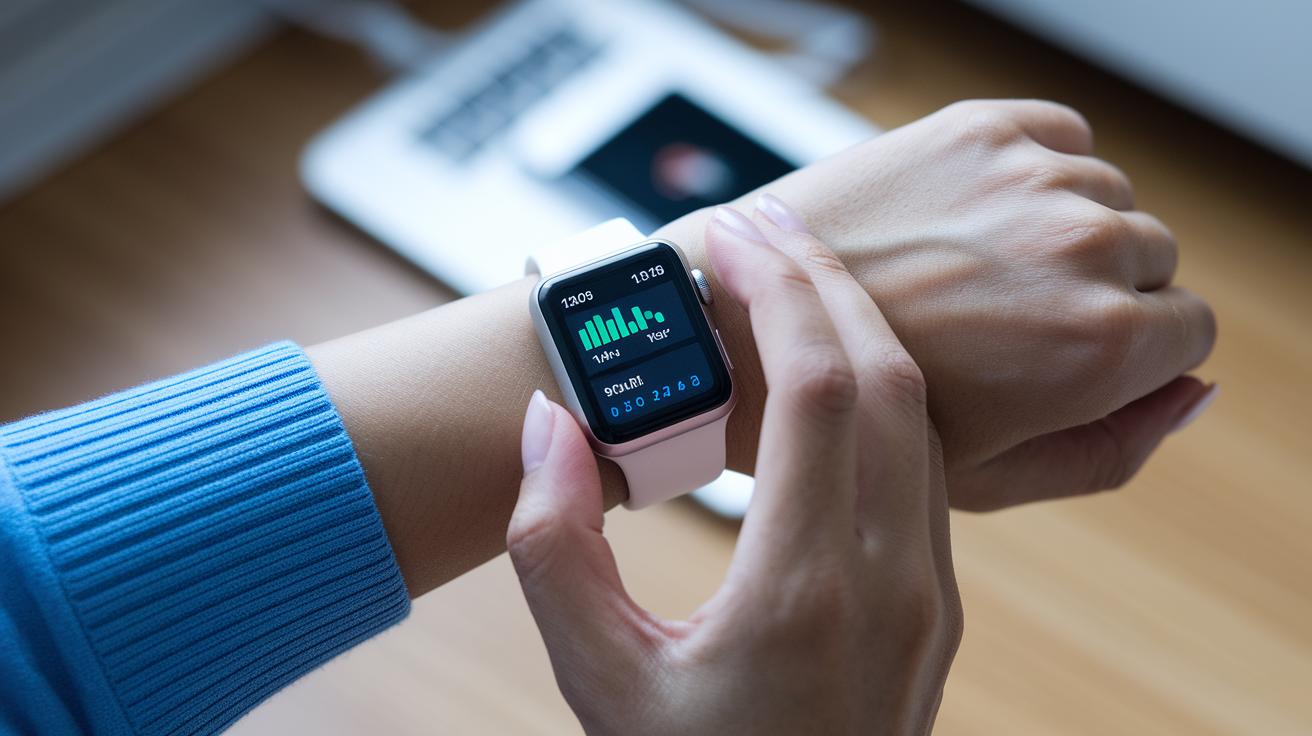
Wearable technology in healthcare means smartwatches and health trackers that keep an eye on your body all day. They give you an easy-to-read snapshot of your health, making self-care feel more personal and manageable.
The wearable market is growing fast. In 2020, these devices were valued at around $14.4 billion, and experts say that by 2026, the number could reach $29.5 billion. Tools like wearable tech for health fit into daily routines because they are practical and easy to use.
- One study showed users improved their medication routine by 20%.
- Another research effort found that wearables helped cut hospital readmissions by 25%.
- This growth shows that more people are coming to trust these helpful gadgets.
For both doctors and patients, the benefits are clear. Doctors get accurate, timely updates about their patients and can adjust care plans quickly. This proactive approach means fewer unnecessary hospital visits and better use of resources at health centers. Meanwhile, patients gain control over their own health. They can track their progress and stick to care routines without the usual confusion. In truth, these devices bring traditional care and daily wellness closer together in a very human way.
Real-Time Patient Monitoring with Healthcare Wearables
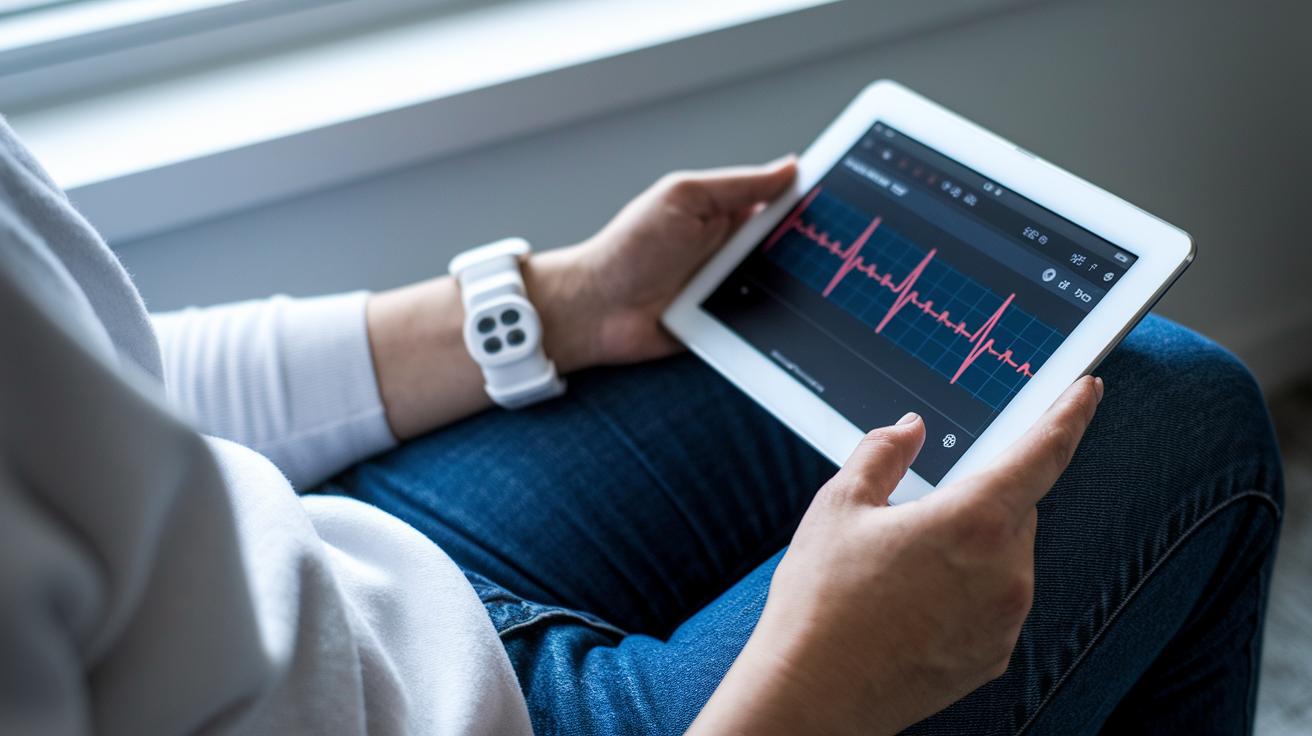
Cardiac wearables are amazing little devices that can spot irregular heartbeats with up to 98% accuracy. This means that even a tiny off-beat pulse gets noticed, so your doctor can step in early. It really helps cut down on extra hospital trips and makes remote care a lot smoother.
These gadgets keep an eye on lots of important numbers like heart rate, blood sugar, blood pressure, and oxygen levels. They send live updates all day long, so both you and your doctor can see how you're doing. Instead of looking at one number at a time, you get a full picture of your health.
Because of the real-time info, doctors can act fast before a small problem grows into something bigger. In fact, many patients with long-term conditions find it easier to stick to their medication schedule when using these devices. Plus, studies show that remote monitoring can reduce hospital visits by about 20%. It’s like having a friendly nudge that helps keep you healthy every single day.
Enhancing Chronic Disease Management through Wearable Technology
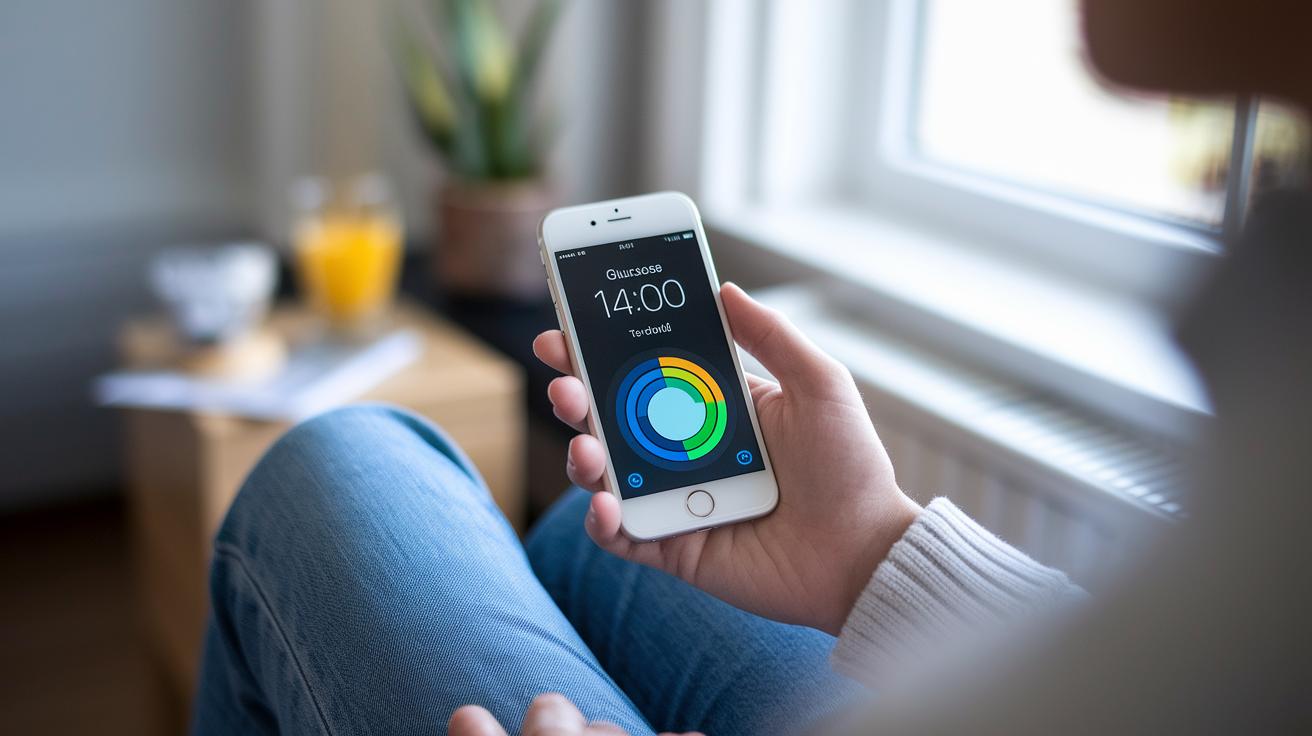
Chronic illnesses can be a daily struggle for both patients and their doctors. Conditions like diabetes and heart failure need careful care, with regular check-ups, strict medicine routines, and constant monitoring. Over time, these long-term conditions can feel heavy, so tracking your symptoms and getting quick feedback is really important.
For people with diabetes, wearable devices like continuous glucose monitors can make a big difference. They help keep an eye on blood sugar levels throughout the day and even lower average levels by about 0.5 percent, according to Lancet Digital Health. Many patients use these devices as part of a diabetes management plan to stay on track.
Those with heart failure also see benefits. Wearable gadgets can cut down the chance of a flare-up by 30 percent, giving a simple yet effective way to watch over heart health and notice early signs of trouble.
Overall, wearable technology gives patients more control over their health. In fact, 80 percent of users say these tools help them manage their symptoms better. With this real-time feedback, both patients and healthcare providers can quickly adjust care plans, leading to steady health improvements and a renewed sense of confidence in handling chronic conditions.
Integrating Wearable Data into Electronic Health Records

Connecting data from wearable devices with medical records means linking the information gathered by gadgets that track your health to your official records. This clear sharing of details helps your doctor see a full picture of your day-to-day well-being. For example, platforms like our mobile health solutions offer a secure way to sync these devices with your records, paving the way for more accurate care.
Studies show that 65 percent of healthcare providers now include wearable data in their workflows. This extra stream of information boosts care coordination by 40 percent. With real-time updates in one central spot, medical teams can make faster, informed decisions without long delays in treatment or follow-ups.
Dashboards display useful trends such as heart rate, blood oxygen levels, and more, giving clinicians an easy-to-understand history of your health over time. They even set off automated alerts if any concerning changes appear, which means early attention can be given right away. This smooth system supports remote health tracking and makes overall patient care better, bringing a touch of simplicity to busy clinicians' routines.
Data Security and Privacy in Healthcare Wearables
Many patients wonder who actually sees the information collected by their wearables. In fact, around 46% of patients are uneasy about how secure their data is. They worry about personal details like heart rate, location, and other sensitive health stats that these devices pick up.
| Security Measure | Impact |
|---|---|
| Encryption | 60 percent breach reduction |
| Tokenization | 50 percent risk reduction |
| Secure APIs | 40 percent integration security |
Manufacturers and providers can ease these worries by following best practices that protect patient information. They need to use strong encryption protocols and update them regularly. They also have to strictly follow privacy rules and address challenges, like those related to HIPAA, which affect nearly one in four device makers. By using secure APIs and tokenization, both sides can better safeguard sensitive data. This not only builds trust in wearable technology but also helps people feel confident about the safe insights these devices provide into daily well-being.
Cost-Effectiveness and Adoption Challenges of Healthcare Wearables

Wearable technology in healthcare is saving money, plain and simple. According to a Deloitte report, these devices can cut about $230 off a patient’s healthcare costs each year. This helps lessen the financial strain on everyone, from patients to providers, and makes everyday use of remote monitoring devices for chronic illness management much more appealing.
That said, some healthcare teams struggle to adopt these tools because of budget issues. In fact, about 32% of providers say that limited funds make it hard to invest in new technology. Upgrading systems for better data security and extra monitoring can be expensive, and the benefits may take some time to show.
Many hospitals see a return on their investment in just 18 months. They often start with pilot programs and offer targeted training for their teams. These steps help stretch the investment and build trust in using wearable technology day-to-day.
Future Trends and Innovations in Wearable Healthcare Technology

AI-backed predictive tools are really shifting the scene in healthcare wearables. Experts now believe that smart devices could be worth about $50 billion by 2025, thanks mostly to AI that customizes health advice like never before. New sensors like sweat analyzers and EEG headbands are picking up tiny changes in our bodies that old methods might miss. For example, if a device notices a quick shift in your sweat, it might warn you about hydration issues or stress before things get too serious. All this live data mixed with smart insights is making it easier for us to manage our health in a more natural, forward-thinking way.
Standards that help different systems talk to each other are also changing the game for wearable data in healthcare. Take FHIR, a tool for sharing health info, it’s expected to be used 50% more by 2024. These rules mean that systems from various makers can work together smoothly, giving doctors a clearer look at patient details. When wearables and health records connect seamlessly, caregivers can create treatment plans that are more personal and timely. This tighter connection makes both patients and providers feel more confident handling everyday care.
Final Words
In the action, we covered how wearable technology is reshaping healthcare. We touched on market growth, remote patient monitoring, and chronic disease management with clear examples. Data security and seamless integration with health records were also highlighted as major wins for both providers and patients. Every section worked together to show how everyday tools give us control over our well-being. Embracing the benefits of wearable technology in healthcare helps create a more connected and caring future.
FAQ
Q: What are the primary benefits of wearable technology in healthcare?
A: The wearable technology in healthcare brings clear benefits, including accurate health monitoring, reduced hospital readmissions, and better medication adherence, empowering both providers and patients with real-time insights.
Q: How do wearable devices improve medication adherence and lower hospital readmissions?
A: The wearable devices boost adherence and lower readmissions by tracking vital signs and sending timely reminders, which have led to a 20 percent improvement in medication use and a 25 percent drop in hospital returns.
Q: How do wearables assist in real-time patient monitoring?
A: The wearables support real-time monitoring by accurately tracking key metrics such as heart rate and oxygen levels, helping clinicians catch early signs and step in before conditions worsen.
Q: How do wearables support chronic disease management?
A: The wearables aid chronic disease management by continuously tracking conditions like diabetes and heart failure, so patients enjoy improved symptom tracking and better control over their daily health.
Q: How is wearable data integrated into Electronic Health Records (EHR)?
A: The wearable data is integrated into EHR systems by syncing real-time metrics into digital dashboards, thereby streamlining clinician workflows and enhancing overall patient care coordination.
Q: What measures safeguard data security and privacy in healthcare wearables?
A: The technology secures data through encryption, tokenization, and secure APIs, significantly reducing breach risks and helping manufacturers and providers maintain strict privacy standards.
Q: Are wearable devices cost-effective for healthcare providers?
A: The devices prove cost-effective by saving around $230 per patient annually and achieving a return on investment within 18 months, which makes them a smart financial choice in care delivery.
Q: What future innovations are expected in wearable healthcare technology?
A: The next steps in wearable healthcare include AI-driven analytics, advanced sensors, and better data interoperability standards, all working together to create even more personalized and proactive care solutions.