
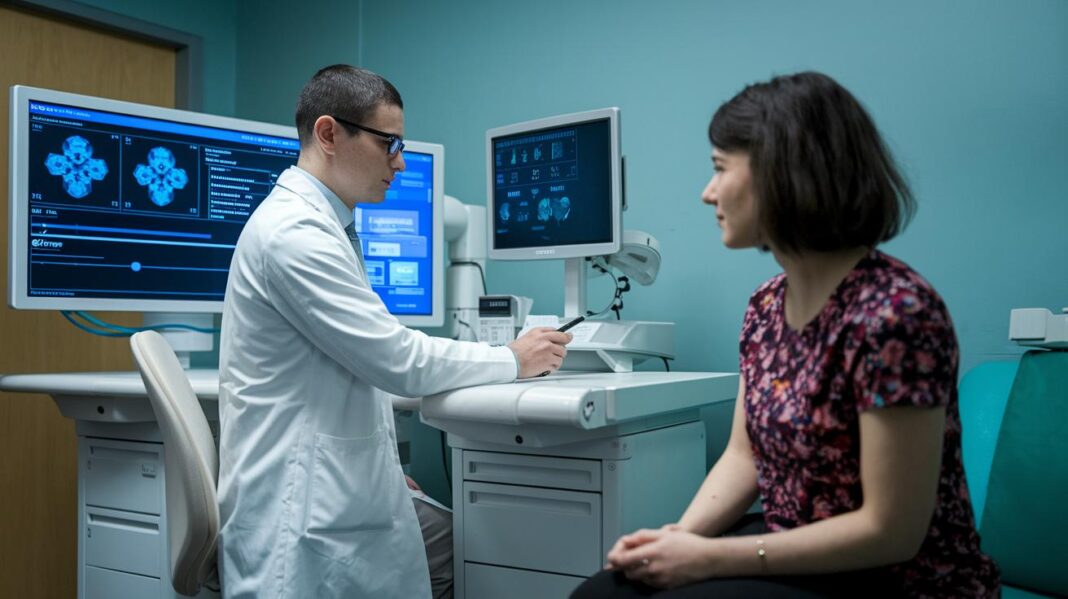

Ever wonder if a computer could spot health issues before you even feel sick? AI-powered health checks make that possible. Imagine a clever tool that notices tiny changes in an X-ray or MRI much sooner than ever before. It carefully looks at scans and picks up on early hints of trouble so doctors can decide on the best care faster. This modern approach helps patients feel more at ease about their treatment. Today, we are chatting about how these digital helpers are sharpening medical insights and changing the way we see health.
How AI-Powered Health Diagnostics Transforms Patient Care

AI-driven health checks are changing the way we get care by spotting issues quickly and with great accuracy. These smart tools, powered by advanced computer learning in medicine (that is, a way for computers to learn patterns), help doctors look at chest scans and other images faster and more clearly. Think of it like having a second pair of very skilled eyes, reducing mistakes by about 15%.
These new systems mix computer smarts with careful reading of numbers and images. Imagine an app that softly pings you about tiny changes in your health that might mean something more serious. This feature, called predictive analytics, looks at your long-term health data to spot trends early so your doctor can step in sooner.
Machine learning not only cuts down on errors but also helps create treatment plans that fit each person. By checking your unique health history, these systems guide doctors to make choices that make patients feel happier and healthier. For instance, a tool might study an MRI scan and give clear, quick advice that helps a doctor act confidently.
It’s like switching from a fuzzy picture to one that’s crystal clear. Every day in clinics, this change is making healthcare feel smarter and easier to understand. Before these AI tools, waiting for test results could be long and stressful. Now, decisions are made in record time, giving patients hope and peace of mind.
Key Machine Learning and Imaging Techniques in AI Health Diagnostics
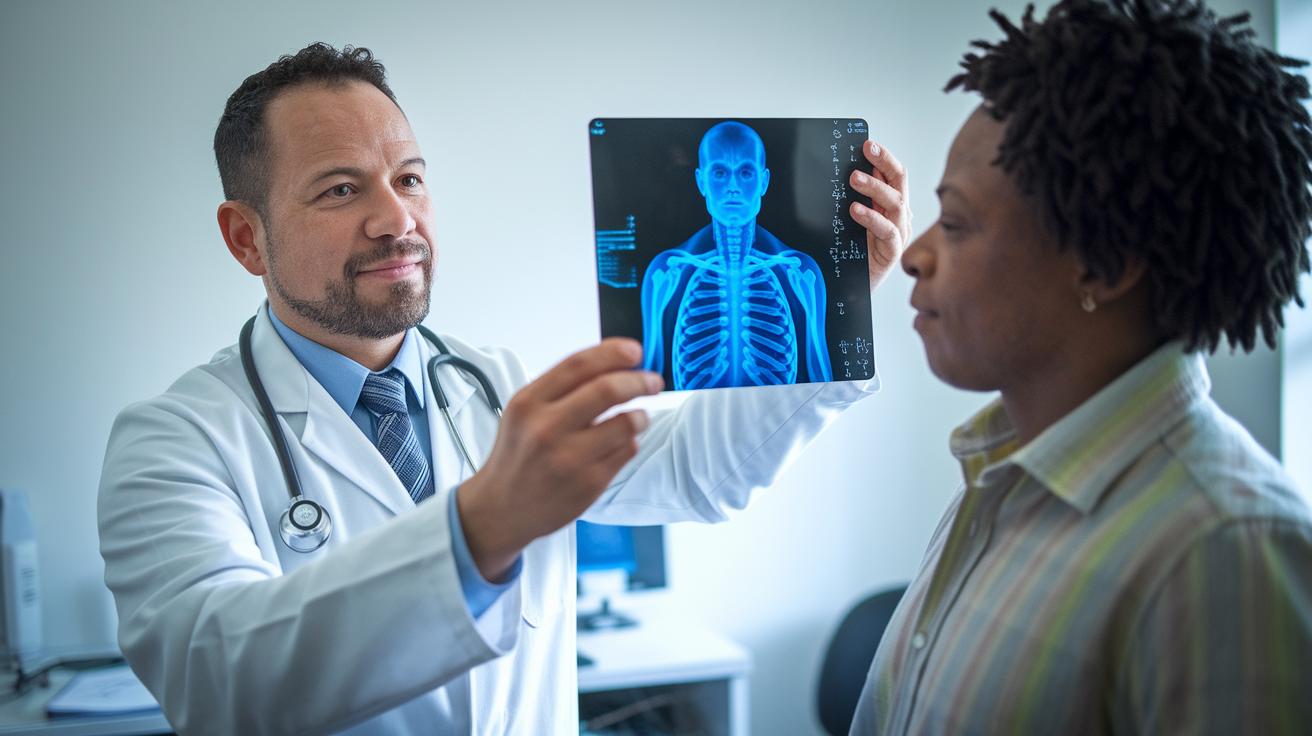
AI health tests today use smart systems that learn how to spot problems hidden in images. These systems mix digital image checks with clever math, making scans easier to read. Imagine your doctor getting a digital boost, extra eyes that catch tiny details on an X-ray.
Deep learning plays a big role in this process. It uses systems called neural networks that work a bit like our brains to spot small changes in CT scans, MRIs, and X-rays. Picture a friendly app gently reminding you, like a soft tap on the shoulder, to take a closer look. That brief nudge can lead to early conversations about care, which may really make a difference.
Another helpful tool is neural network image analysis. It’s like a smart layer that carefully reviews every scan to tell what is normal and what isn’t. Think of it as a diligent assistant checking every detail in seconds. Then there are high-throughput screening tools powered by convolutional neural networks. They process lots of images quickly and reliably, backed by FDA checks, to ensure they meet trusted medical standards.
In truth, these smart algorithms help doctors get a very clear picture from each scan. It’s like having an expert check every detail, so nothing slips by unnoticed. Together, these techniques speed up tests and provide clear, useful information that helps patients get the care they need sooner.
Real-World Applications and Case Studies of AI Diagnostics
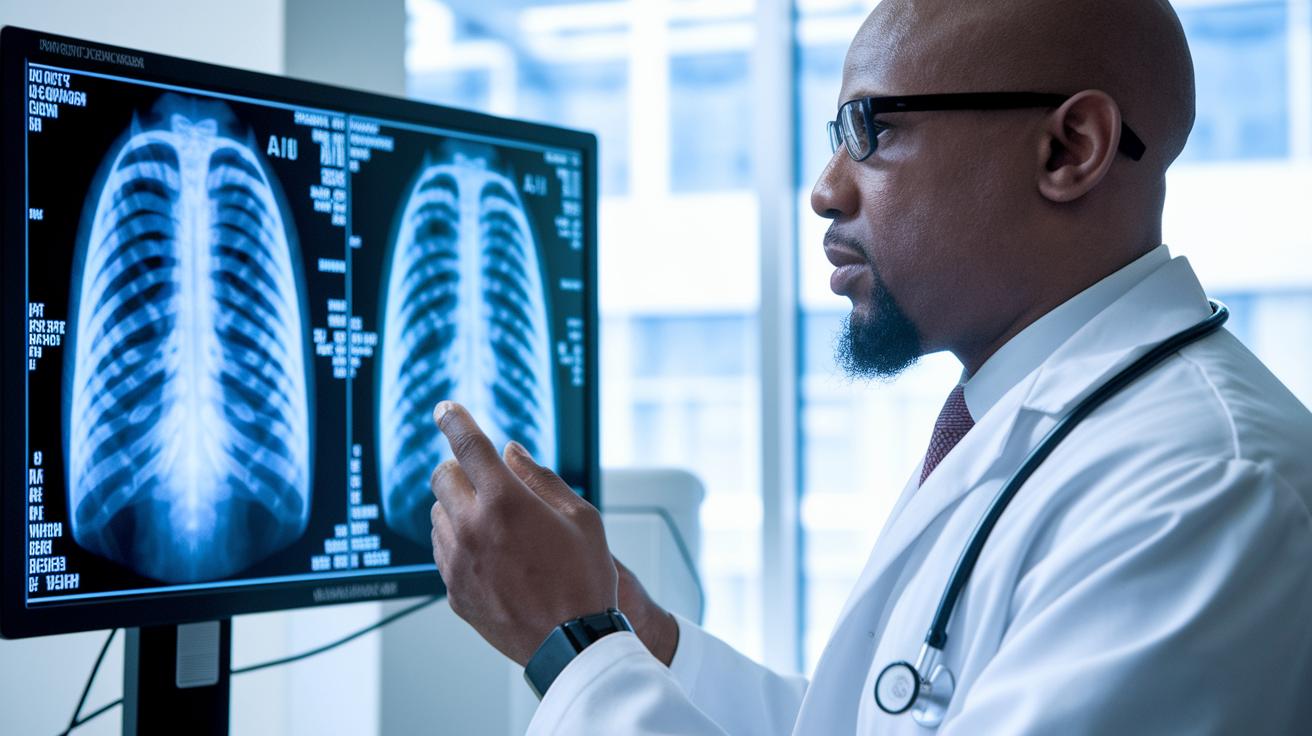
AI diagnostic tools are quickly becoming a part of everyday healthcare in fields like radiology, pathology, and primary care. For instance, a chest X-ray analyzer approved by the FDA has cut reading times by 30%. Imagine a busy clinic where each minute matters; this tool helps doctors spot important details quickly, leading to faster decisions and better care.
Real-world examples show that remote diagnostic evaluations are bringing quality care to places you might not expect. One platform now lets clinics in rural areas use tele-imaging. Picture a small town clinic with limited access to specialists, the platform sends images to experts almost instantly, so patients receive the attention they need without a long, exhausting trip.
Plus, smart patient screening systems now work hand-in-hand with clinical decision support tools to give clear, actionable insights. Dynamic dashboards blend data seamlessly, so doctors can get an overview of patient information at a glance. Think of it like having a helpful assistant that gathers and organizes data into neat, simple charts, making it easier to decide on the next step.
Some highlights include:
| Benefit | Description |
|---|---|
| Faster Scan Reviews | Automated systems detect diseases quickly |
| Remote Evaluations | Quality care reaches underserved areas |
| Real-Time Data | Up-to-date information supports informed decisions |
These examples show how AI diagnostics mix technology with a human touch. It’s like having an extra pair of eyes that never misses a detail, ensuring every scan and report gets a fresh look. Not only do these innovations speed up care, but they also create a safer, more supportive environment for everyone involved.
Benefits Over Traditional Diagnostics and Performance Metrics
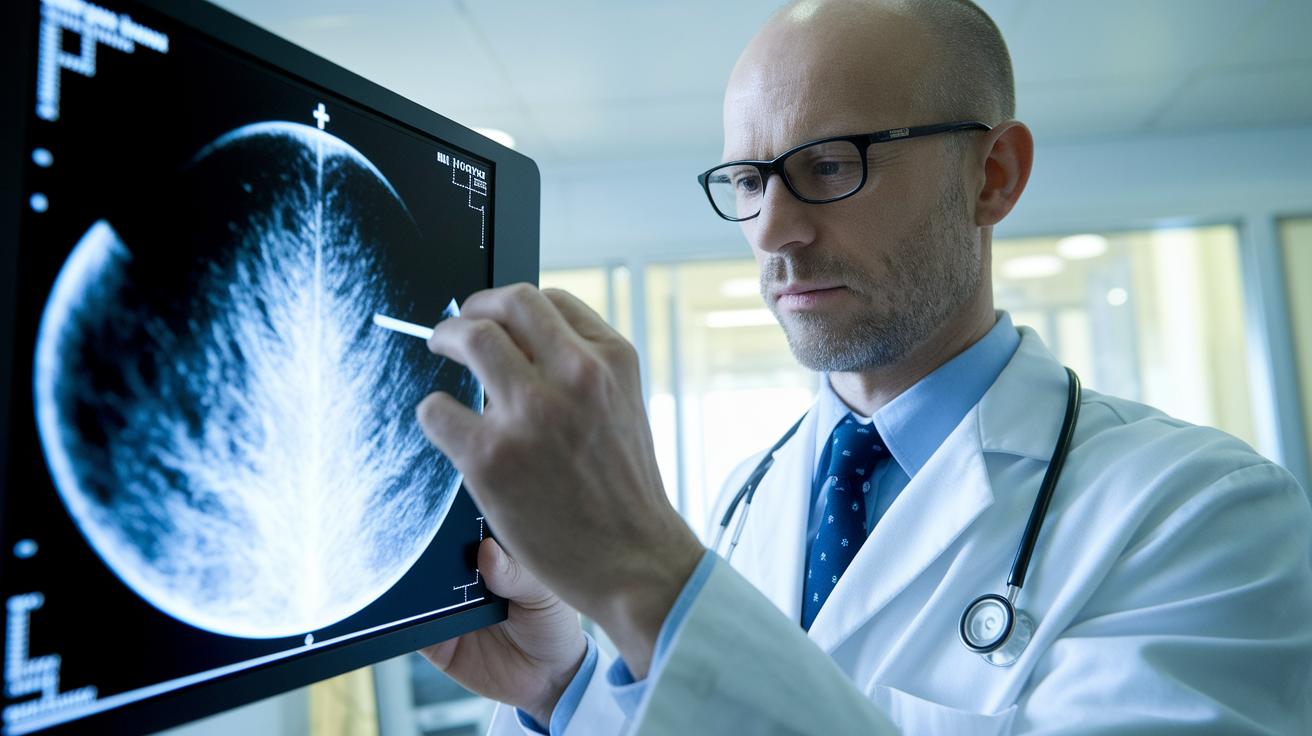
AI-powered diagnostics mix smart tech with real, measurable gains. These tools boost diagnostic accuracy by about 15% and cut false negatives by 25%. In plain language, this means even tiny, hard-to-see signals in a scan get spotted sooner. Picture a system that lights up a faint anomaly almost instantly, it helps catch issues before they escalate.
These improvements aren't just numbers; they make a big impact on everyday care. Patient satisfaction shoots up by 20%, meaning you get faster responses and clearer advice from your care team. When doctors rely on these methods, they can make confident decisions quickly, ensuring fewer issues slip by unnoticed.
| Improvement | Percentage Change |
|---|---|
| Diagnostic Accuracy | +15% |
| False Negatives | -25% |
| Patient Satisfaction | +20% |
Overall, these smarter, quicker diagnostics bring real benefits to patients and care teams alike. Isn’t it amazing how a touch of smart tech can make health care more dependable?
Challenges, Ethical Considerations, and Regulatory Landscape for AI Health Diagnostics

AI health diagnostics hold great promise but come with their own set of challenges. One big worry is making sure that the smart tools used for diagnosis are fair. Sometimes these systems might favor one result over another, which isn’t good. And when you mix in very personal patient information, it becomes even more important to keep a close eye on how data is used. Picture a clever app that checks lab results but could miss tiny differences because it wasn't tested on a wide mix of patients.
Ethical issues add another layer of complexity. The main goal is to protect patient data while following simple rules, like those in HIPAA that keep your health details private. Checking the decisions made by AI is key because it helps keep everything honest and clear. Every step in using data to spot diseases needs strong protection against unauthorized access. Think about a tool whose logic is hidden, it could make people lose trust in modern care.
Rules and regulations are also catching up. By 2023, the FDA had approved over 60 AI diagnostic tools, which shows growing trust in these methods. But developers still have to meet tougher federal guidelines. They juggle careful testing of algorithms with mining clinical data to ensure safety. This mix of rules makes sure that AI in healthcare stays safe, works well, and respects patient rights.
- Diagnostic algorithm assessment and calibration
- Data integrity in diagnosis and system integration
- Clinical data mining approaches aligned with safety standards
Every step forward for AI diagnostics is exciting, yet it calls for a careful balance between innovation and protecting patient care.
Future Trends and Innovations in AI-Powered Health Diagnostics
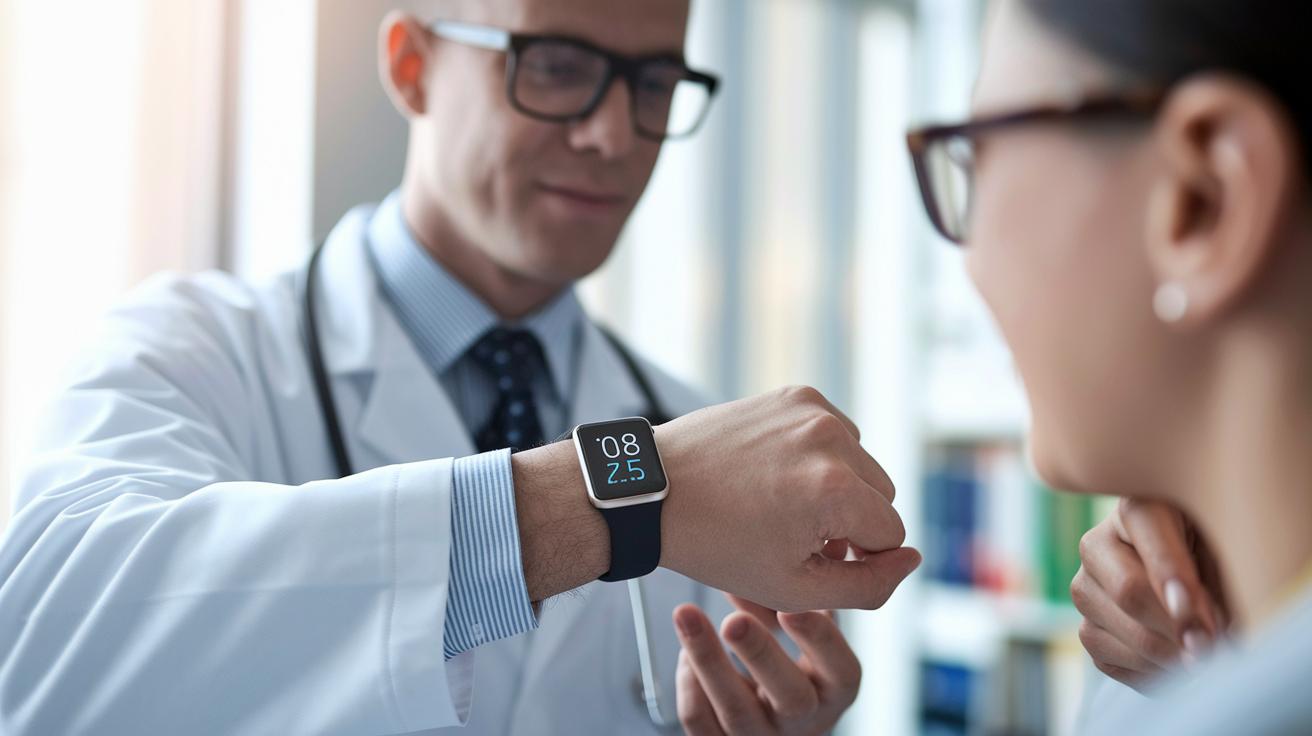
The AI health tools market is booming, expected to grow about 30% each year until 2030. This fast growth means big changes in healthcare, with diagnostics becoming smarter, quicker, and more connected.
New trends are shaking things up. Cloud-based health analysis helps doctors access and share patient information in a flash, kind of like a trusted messenger bringing important updates. Then there are hybrid systems that mix imaging and genetic data, giving us a clearer picture of what makes you unique. And imagine your smartwatch gently buzzing to let you know when something feels a bit off.
Think about it: one moment your phone gives you an early heads-up about a potential issue, and the next, you’re able to tweak your day before any symptoms even show up.
Key innovations include:
- Cloud-enabled AI diagnostics that process data fast
- Hybrid models merging imaging with gene insights
- Wearable devices that monitor your health in real time
- Advanced bioinformatics for more precise tests
These smart trends are set to catch issues early and tailor care just for you. As research pushes AI's boundaries, these tools will soon become everyday allies, helping keep your well-being top of mind.
Final Words
in the action, this post highlights how AI-powered health diagnostics streamlines patient care. It covers how smart imaging and machine learning boost accuracy and speed in radiology and digital evaluations, and shares real-world examples that prove these benefits. We also touched on ethical challenges and regulatory shifts while peeking into future trends in mobile healthcare. With AI-powered health diagnostics leading the way, everyday healthcare becomes simpler and more reliable, keeping you connected and confident every step of the way.
FAQ
How is AI used in healthcare diagnostics?
AI uses machine learning and imaging techniques to analyze scans like CTs, MRIs, and X-rays. This assists doctors in detecting diseases earlier and creating personalized treatment plans.
What is the best AI tool for medical diagnosis?
Advanced systems that utilize machine learning to analyze medical images and data help doctors improve accuracy and speed in assessing patient health.
What diseases can AI diagnose?
These systems detect conditions by analyzing imaging and patient data, identifying diseases such as pneumonia, tumors, and various other abnormalities in scans.
What is the AI powered medical diagnosis system project?
This refers to initiatives that integrate machine learning with patient data to provide real-time predictions and monitoring, thereby improving diagnostic efficiency.
What AI medical diagnosis resources, tools, and companies are available?
This covers free online platforms, downloadable PDFs, mobile apps, and expert companies that use data-driven methods to offer faster, more accurate health assessments.