
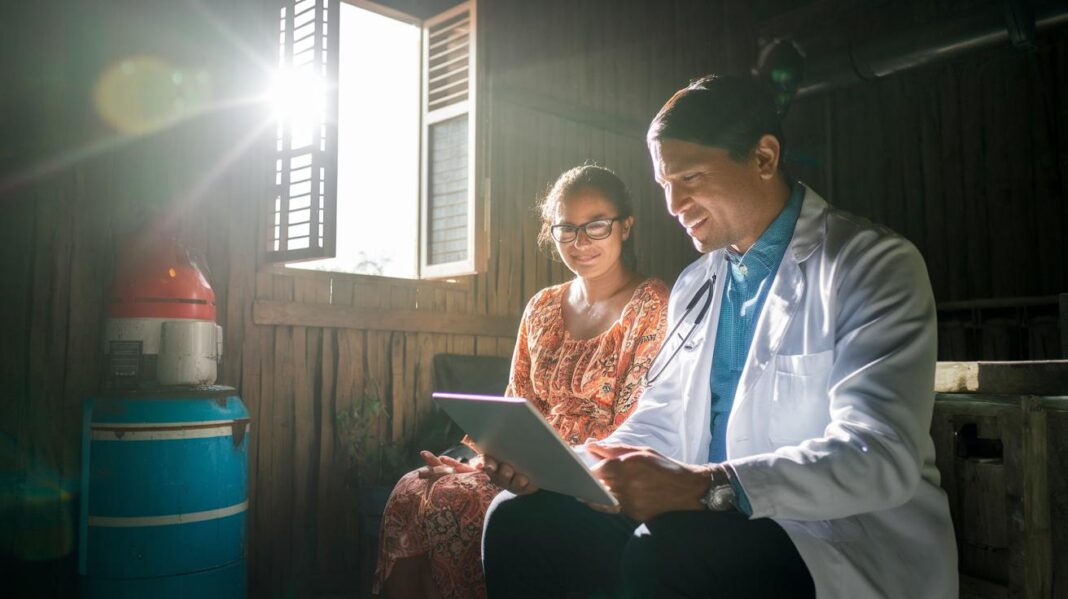

Have you ever wondered why rural healthcare sometimes doesn’t meet patient needs? Long trips can lead to delays and lots of frustration. Video consultations can help change that by offering quick, safe care without the long wait.
Let’s break it down. With a little planning and thoughtful tech setup, think easy-to-use tools that help you monitor your health from afar, rural clinics can provide care that feels both reliable and friendly. Then, clear guidance for patients makes the whole process smooth and simple.
Small changes in how video visits are handled can really boost rural healthcare. It’s all about making things accessible and ensuring everyone gets the care they need quickly.
Core Best Video Consultation Practices for Rural Healthcare Thrive
People living in rural areas often have a hard time getting the care they need. More than 40% of the world’s population lives in these regions, where illnesses like cancer, diabetes, and heart disease are more common. Many patients have to travel far for an appointment, which can be really exhausting for everyone involved. Video consultations help cut down on that travel and get patients in touch with specialists sooner. New health technology is already proving useful by reducing repeat visits and making clinic work flow more smoothly.
- Evaluate community needs and plan with everyone in the loop.
- Choose platforms that follow HIPAA rules and use safe, encrypted connections.
- Create clear guidelines for sorting patients and making referrals.
- Connect video visits with digital health records and appointment systems.
- Check that your internet and equipment are working before each session.
- Train clinicians on how to assess patients from a distance.
- Provide easy-to-follow prep guides and digital help for patients before they join.
- Set up ways to gather feedback and track results.
- Organize follow-up steps, especially for managing long-term conditions.
- Review these practices on a quarterly basis to make sure they’re working.
Using these steps, rural clinics can offer more secure and effective online consultations. Patients experience fewer delays and enjoy better access to care, while providers can keep everything organized and well-managed. This approach not only helps reduce costs and readmissions but also builds a stronger healthcare system for those living in rural areas.
Connectivity and Infrastructure Solutions for Rural Video Consultations

Living in a rural area sometimes means dealing with unreliable high-speed internet. When the connection slows down, video calls can turn choppy, images may freeze, and calls might drop. This makes it tough for both doctors and patients to have smooth, useful conversations.
Leaders planning digital upgrades for these regions need to understand how best to connect everyone. With remote areas and tight budgets, it makes sense to consider choices like satellite internet, community Wi-Fi centers, and cellular LTE/5G hotspots. Each option has its benefits and challenges when it comes to bridging the digital gap.
| Solution | Bandwidth Requirement | Pros/Cons |
|---|---|---|
| Satellite Internet | Moderate but can lag | Covers wide areas, yet might be slower and cost more |
| Cellular Hotspots | High, if 4G/5G is available | Offers fast speeds, but depends on local carrier coverage |
| Community Wi-Fi | Varies with usage | Cost-effective for groups, though it needs a solid setup |
Mixing these connectivity methods can really help cover each one’s weak points. When one option struggles, another can step in to keep the connection steady. This backup plan not only boosts video quality but also creates a safety net so that consultations can go on without interruption.
Secure and Compliant Video Consultation Protocols for Rural Healthcare
When it comes to video appointments in rural areas, there are some firm rules to follow. In the US, health systems use special encryption and secure coding tools to keep patient details safe. This means that every video call meets HIPAA rules and other important health regulations.
Encryption works like a lock on your digital door. When your information travels online or sits in storage, it gets wrapped in a secure package, kind of like sealing it in an envelope that only trusted people can open.
They also set clear limits on who can see or change your records. By using role-based access controls and keeping a log of who accesses what, the system cuts down on risks and keeps your data extra private.
The whole setup is backed up by regular training and compliance checks. Staff learn the right steps to run these secure video sessions, and routine audits help spot any issues fast. This careful attention makes sure rural healthcare providers stay in line with all the standards.
Clinician Training and Patient Engagement in Rural Video Consultations

Provider Training Modules
Clinicians get comfortable with the platform in no time. They learn how to manage virtual exams (which means checking on patients from a distance) and use a simple way to document their notes. Sometimes, they even go over a quick checklist before logging in, like a reminder saying, "Before your consult, check our navigation guide for an easy login." This kind of training builds their confidence and helps them deliver care efficiently online.
Patient Education Strategies
Patients receive digital prep kits that explain, step by step, how to use video tools and what happens during a virtual exam. If they ever feel lost, a live support hotline is just a call away. For instance, one kit might instruct, "Follow the guide to set up your video call step-by-step," and if any questions pop up, the hotline offers quick help.
We also keep track of how the platform is used by checking metrics and asking for patient feedback. The data shows trends, and surveys help us understand if everything is clear and supportive. These insights let us improve how well providers are prepared and how great the patient experience is during rural video consultations.
Technology and Software Solutions for Rural Healthcare Video Consultations
Choosing the right video consultation platform is essential. Clinics need a system that makes online visits easy. Look for features like live video chats, simple messaging that works like your favorite chat app, emergency care options, and the ability to schedule appointments. The design should be simple and friendly, especially for users with low literacy and spotty internet connections.
Integration is a must. A strong system connects appointment booking with digital health records so doctors can quickly see a patient’s history. This smooth link between scheduling and record keeping saves time and keeps care on track.
Flexible video streaming is key. The system should change the video quality based on how strong the internet is, and even work offline when needed. This keeps consultations running smoothly, even on slower networks.
Multiple ways to communicate make a big difference. Platforms should let you chat, talk on the phone, or use video, so information flows quickly. This mix of options helps handle urgent issues and follow-ups, meeting all kinds of patient needs.
Data insights help improve service. Dashboards that show session quality and patient involvement offer tips on how to do better. When picking a vendor, check the cost, ease of integration, customer support, and what other users say. A thoughtful review like this helps clinics pick a reliable, future-ready telehealth system.
Case Studies of Effective Rural Video Consultation Programs

The COMSATS Telehealth program in Pakistan is a standout example. It connects over 150,000 rural patients, mostly women in need of women’s health services, with specialist doctors via video calls. The team provides expert advice on important health topics, and one case showed that patients got quick help with complex issues, which meant fewer delays in care.
UNC Lenoir Health Care has a model that also works really well. They use virtual consultations as part of a larger team effort. By combining remote check-ups, sharing key health information, and organizing appointments from a central hub, they lowered readmission rates and helped clinics avoid extra fees. This approach made care smoother and improved patients’ overall experiences.
These programs share valuable lessons for other rural areas. They show that setting clear care rules, using expert advice from a distance, and mixing video calls with regular health services can lead to better care. With smart planning, teamwork, and ongoing checks, even remote spots can see big improvements in both patient care and how clinics run.
Emerging Innovations and Future Trends in Rural Video Consultations
New tools in rural video consultations are changing how care is offered in distant areas. Modern systems let patients and doctors connect live, even when regular services have a hard time getting to every community.
Wearable gadgets are a game changer too. These smart devices now use sensors to keep track of things like your heart rate and blood pressure. Imagine a tiny sensor that tells both you and your doctor what's happening in real time, catching potential issues early.
AI-powered support is another exciting development. Smart computer programs look at your data and symptoms to find clues that something might be off. They work quietly in the background, giving a friendly heads-up when it might be a good time for a check-up.
Digital follow-up care apps are also making a big difference. These apps book your check-ups, send gentle reminders, and even log your recovery progress, so you always feel connected and cared for, even from afar.
Lastly, getting the right tech and training staff well is a must. Clinics need to invest in adaptable systems and practical training. That way, they can smoothly bring these innovations into everyday care, especially for managing ongoing health needs in the community.
Final Words
In the action, this post walks us through practical steps to boost rural health videos. We touched on clear planning, secure video setups, smart tech solutions, and steady connectivity fixes to streamline care. These insights aim to help clinics improve patient trust and care coordination. Applying best video consultation practices for rural healthcare not only lifts patient satisfaction but also simplifies everyday workflows. Stay positive and ready to put these ideas into action for a smoother health experience in every community.
FAQ
Telehealth in rural areas scholarly articles
Telehealth scholarly articles in rural areas explore research and evidence on implementing virtual care in remote communities. They provide insights into clinical outcomes, cost impacts, and effective care strategies.
Telehealth in rural areas Statistics
Telehealth statistics in rural areas highlight improved patient outcomes, reduced hospital readmissions, and increased access to specialist care. They support the view that virtual consultations help bridge gaps in remote healthcare.
Benefits of telehealth in rural areas
The benefits of telehealth in rural areas include better access to care, reduced travel needs, quicker diagnoses, and improved management of chronic conditions. Enhanced connectivity supports overall community health.
Barriers to telehealth in rural areas
Barriers to telehealth in rural areas include limited high-speed internet, insufficient technology, and challenges with digital literacy among patients and providers. These issues can limit the full benefits of remote care.
How to implement telehealth in rural areas
Implementing telehealth in rural areas involves assessing community needs, selecting secure video platforms, training providers, and building strong connectivity infrastructure. This approach helps deliver reliable and effective virtual care.
Advantages and disadvantages of telemedicine in rural areas
Advantages of telemedicine in rural areas are improved access to care and reduced travel time, while disadvantages include technical difficulties and digital literacy gaps. Balancing these factors is key to successful use.
Telehealth in healthcare articles
Telehealth in healthcare articles discusses its use in enhancing patient access, streamlining clinical workflows, and reducing costs. Such articles review case studies and technological advancements aimed at improving care.
How to improve healthcare in rural areas
Improving healthcare in rural areas involves adopting telehealth approaches, strengthening digital infrastructure, and integrating virtual consultations with local services. These steps help bring quality, timely care to remote communities.
Is telehealth effective in rural areas?
Telehealth is effective in rural areas by increasing access to specialized care, reducing travel burdens, and lowering readmission rates. It creates opportunities for timely medical consultations and coordinated care.
What is the best practice for telehealth?
The best practice for telehealth includes using secure, compliant video platforms, integrating virtual care with existing health records, thoroughly training clinicians, and continuously monitoring outcomes for quality care.
In what setting did rural hospitals report using telehealth most frequently?
Rural hospitals most frequently use telehealth in emergency and specialist consultation settings, where it helps manage urgent care needs and supports effective treatment when onsite expertise is limited.
What are the three largest barriers to accessing healthcare in rural areas?
The three largest barriers to accessing rural healthcare include inadequate broadband connectivity, transportation issues, and limited access to specialized services. Addressing these obstacles is crucial for improving care delivery.