
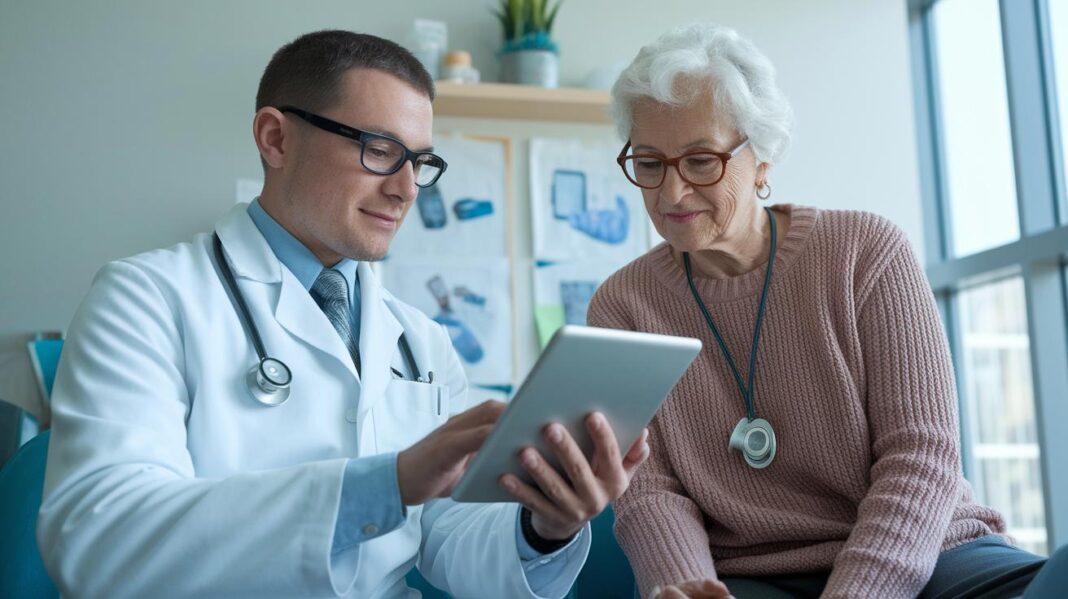

Ever thought your phone could change the way you see your doctor? When mobile apps work with your health records, everything feels a bit easier. Your phone becomes like a digital notebook that’s always with you, keeping track of your health in real time.
Nearly nine out of ten U.S. doctors use these systems. This means your everyday device can help speed up care and lower mistakes. Instead of stressing over details, you can focus on feeling better while your care team gets the updates they need, pretty cool, right?
Overview of integrating mobile apps with electronic health records

Bringing mobile apps into the mix with electronic health records changes the game for patient care. It links your health details straight to the devices you use daily. Almost 90% of doctors in U.S. offices already use these systems, which means they can check your history in real time, just like glancing at your calendar for reminders.
This setup lets health professionals log notes instantly, making information more accurate. It helps them decide on the best, personalized care quickly. It feels almost like you have a live, digital health notebook right at your fingertips.
When everything is connected, sharing your health info becomes much smoother. This means fewer delays and mistakes. Healthcare workers can spend more time caring for you instead of sifting through paperwork. In truth, combining digital records with everyday care builds a strong base for safe and effective health management.
- Streamlined workflows let doctors access patient history faster
- Immediate notes on any device boost data accuracy
- Real-time updates help tailor care to your needs
Standards and protocols for integrating mobile apps with EHR systems

FHIR is a web-based API standard that helps mobile apps connect with electronic health records quickly. It makes data sharing feel almost instant, like having a friendly chat between systems. The best part? The systems speak the same language, which keeps patient information clear and trustworthy. Imagine a doctor pulling up fresh lab results on a mobile phone without any delay, that’s FHIR in action.
HL7, on the other hand, uses a message-based system. It fits nicely into older setups that depend on tried and true messaging formats. With HL7, even older systems can join the modern world of mobile apps, keeping data safe and in sync this way. This protocol makes sure that detailed, complex data is passed along accurately, a bit like handing off a well-packed lunch.
- FHIR works great for sharing data in real time over the web.
- HL7 is perfect for sending messages between legacy systems.
- Both help reduce mix-ups and keep medical records secure and synced.
Choosing the right protocol depends on what your team needs and what systems are already in place. If you need updates in real time and love modern connectivity, FHIR might be your best friend. But if you’re working with long-time, established systems, HL7 can be the reliable option for smooth data transfers. Matching the right tool with your system makes sure that healthcare data stays clear, accessible, and true to form.
Step-by-step integration process for mobile apps and EHR

Connecting your mobile apps with EHR systems might seem tricky, but it really boils down to a clear, five-step plan. First, take a moment to look over your current workflow and decide what your app needs to do. Think of it like planning a simple recipe; a little prep goes a long way.
Next, jot down all the features your app should have. This step makes sure you meet all the technical and safety rules. It’s like making a checklist before you head out the door, simple and effective.
Then, set up the channels for your app to talk with the EHR system. In other words, open up the right APIs and middleware (that’s the software connecting one system with another) so data can move safely between the two. Have you ever set up a new phone and felt that exciting buzz of getting everything just right?
After that, match up the data pieces like a puzzle. This is where you clearly map, transform, and double-check the information so it fits perfectly between the app and the EHR. It’s a bit like making sure every sock has its pair.
Finally, run a full test of the entire system. This end-to-end check is like tasting a dish before serving it, ensuring every bit of data flows smoothly and securely. Regular testing helps catch any issues early and confirms that everything works as planned.
Best practices include keeping detailed logs for every data transaction and setting up regular feedback loops. With this approach, you catch problems early and keep the system running reliably, ensuring that data is accurate and patient care stays top-notch.
Ensuring secure patient data in mobile app and EHR integration

When mobile apps and electronic health records team up, the top priority is keeping patient information safe every step of the way. They use secure API links along with tools like SSL/TLS for safe communication and end-to-end encryption. Think of these measures as a digital safe that protects your data while it’s being moved or stored.
Regular security checks and planned downtime drills help catch any issues early. They ensure systems run smoothly, and it’s not just about the technology. Carefully managing who can access the system is key. Only the right people get to see or change patient records, so privacy stays intact.
- SSL/TLS helps keep data exchanges free from unwanted eyes.
- End-to-end encryption scrambles your information so only approved viewers can read it.
- Role-based access means different people have specific permissions to view or change data.
- Audit trails record every data move, making it easier to spot mistakes early.
Finally, meeting all compliance checklists wraps up a secure integration plan. These checklists cover important rules like obtaining patient consent and handling data breach alerts, which are vital for meeting HIPAA and GDPR rules. Regular reviews against these standards help maintain a high level of trust and safety in digital health information exchanges.
Overcoming challenges in mobile app integration with electronic health records

Interoperability issues can be a real headache. When different systems speak their own languages, mobile apps and older systems often use separate formats, making data sharing tough. It’s kind of like trying to finish a puzzle with pieces from two different sets. This mix-up can slow things down and even lead to misunderstandings.
Another big challenge is moving data from one system to another. Imagine trying to share your favorite recipes between kitchens, one mistake and you might miss an ingredient. Mapping data carefully is key, so nothing gets lost or mixed up when transferring records.
Unexpected downtime can also throw a wrench in things. Without a solid backup plan, a sudden system break can leave healthcare providers without quick access to important patient information. Having regular drills and clear backup steps can make sure patient care stays on track, even when technology hiccups occur.
Case studies of integrating mobile apps with EHR platforms

Real-world examples show how linking mobile apps with electronic health records can truly transform healthcare. Projects at places like Mayo Clinic, Kaiser Permanente, and Cedars-Sinai reveal how real-time data sharing, smooth cloud transfers, and consolidated virtual care details help both patients and clinicians have better experiences.
Mayo Clinic
Mayo Clinic’s mobile platform cut chart-access delays by 40%. It uses a coordinated system that lets clinicians pull up patient records instantly. This means doctors and nurses get crucial information right when they need it, helping them make informed care decisions quickly.
Kaiser Permanente
Kaiser Permanente boosted patient engagement by preloading telehealth data into its mobile EHR system. This cloud-driven process makes sure that key patient details are ready before a virtual visit. In turn, care teams can prepare better, and patients enjoy more timely, personal interactions during their remote sessions.
Cedars-Sinai
Cedars-Sinai uses automated push notifications to keep patients updated on lab results and upcoming appointments. By consolidating virtual care information, the system ensures patients never miss important updates. This steady flow of real-time information strengthens the connection between care teams and the people they serve.
| Institution | Integration Feature | Outcome |
|---|---|---|
| Mayo Clinic | Real-time data sharing system | 40% drop in chart-access delays |
| Kaiser Permanente | Cloud-based clinical data transfer | Better patient engagement |
| Cedars-Sinai | Virtual care consolidation with auto alerts | Timely lab results and reminders |
Future directions in integrating mobile apps with electronic health records

Artificial intelligence is changing how we handle health records. Experts predict spending will jump from about US$22.45 billion in 2023 to over US$208.2 billion by 2030. It could also cut down unnecessary hospital visits by nearly 30%. Soon, smart programs will sift through the heaps of data from your favorite apps and offer helpful insights. And with blockchain, think of it like a super secure digital ledger, every bit of data gets a safe stamp, so both your doctor and you can trust that records remain accurate.
Wearable gadgets add an exciting twist by tracking your health in real time. Picture a wristband that keeps an eye on your heartbeat and immediately updates your digital health file. This constant connection means doctors might spot issues before they become big problems. It’s like having a friendly reminder every step of the way. Planning for these new advances means we need to sort out tech challenges today.
| Next Steps |
|---|
| Invest in smart, data-driven tools to make decisions quickly. |
| Use blockchain setups to keep your information extra secure. |
| Set up systems so wearable devices connect without a hitch. |
Final Words
In the action, the article showcased how integrating mobile apps with electronic health records transforms care delivery. We covered setting up standards, following a step-by-step integration process, securing patient data, and overcoming common challenges. Each section broke down the process in easy steps and real-life examples.
OurMobileHealth.com brings the power of mobile convenience and secure digital records together in a way that lifts your everyday health care. It’s a smart tool to help manage your health with confidence.