
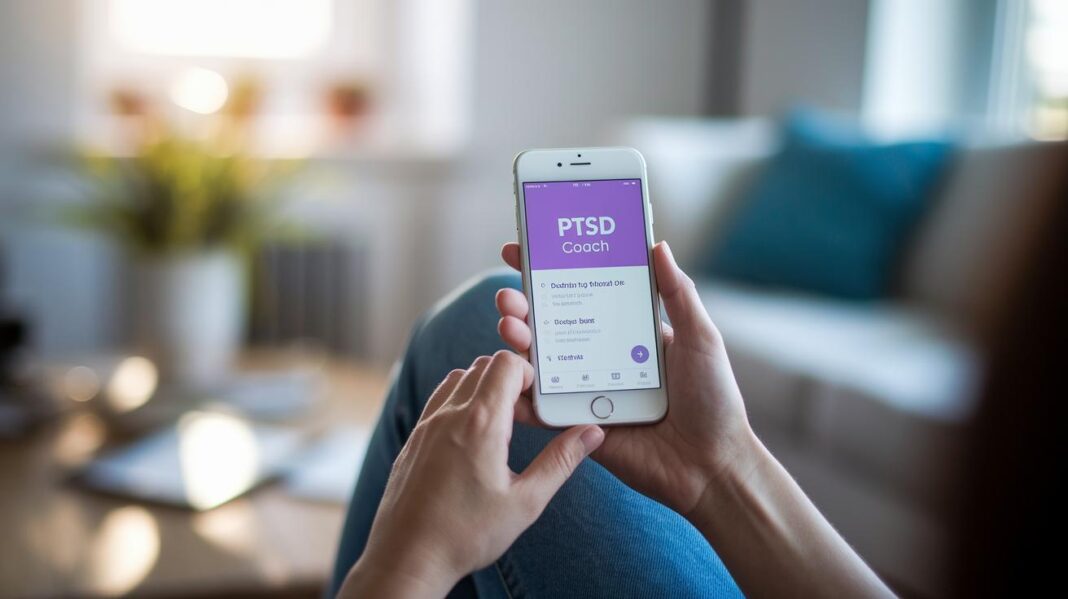

Have you ever thought that one simple app might spark hope during a challenging day? The PTSD Coach App is designed to help you find inner strength by guiding you through gentle breathing exercises and quick daily check-ins.
This free tool was created with care by experts who truly understand what it's like to feel overwhelmed. It’s like having a trusted friend right there with you, offering simple tips that help soothe your mind when worries or sleepless nights seem too much to handle.
Just imagine taking one mindful breath at a time and slowly rediscovering your calm and confidence.
Managing PTSD with the PTSD Coach App

The PTSD Coach App is a free self-help tool made by the U.S. Department of Veterans Affairs and the National Center for PTSD. It's based on well-known methods from cognitive behavioral therapy and offers easy advice, calming breathing exercises, and ways to talk yourself through tough moments like anger or trouble sleeping. One neat exercise just tells you, "Take a slow breath in, hold, and release," which helps soothe your mind.
This app is built for anyone in need of a little extra support, whether you're a veteran or just looking for a dependable resource. Early reviews from April 20, 2022, and April 25, 2023, show that people from all walks of life have found it really helpful. It doesn't just handle immediate symptoms, it also teaches you skills to keep your mind steady over the long haul.
The app's design is user-friendly, so tracking your progress and finding practical tools feels almost effortless. You get a blend of personalized symptom tracking and step-by-step exercises that come from solid research and testing. In short, the PTSD Coach App is here to spark your inner strength and help you manage difficult feelings, one small step at a time.
Core Features of the PTSD Coach App for Symptom Tracking
The PTSD Coach App offers a range of practical tools to help you keep track of your feelings and handle stressful moments. It mixes proven techniques from cognitive behavioral therapy with simple exercises, giving you a handy mental health support tool on your phone.
Here are some of the key features:
-
Mood and symptom tracker: Record how you feel at different times of the day. For instance, you might write, "This morning, I felt a bit anxious," which can help you notice patterns in your mood.
-
Guided breathing exercises: When you start to feel overwhelmed, the app guides you through easy breathing routines. One exercise might say, "Breathe in slowly through your nose, hold for a few seconds, then breathe out gently." This can bring a sense of calm almost instantly.
-
Grounding techniques: These are simple steps to help you return to the present moment. Imagine a tip like, "Focus on the feeling of your feet on the ground," to help steady your mind during overwhelming times.
-
Coping strategies library: Choose from a collection of tips and tools to find what works best for you. Sometimes, a reminder like, "Remember a time you felt safe? Bring that image to mind," can gently restore your sense of security.
-
Customizable reminders: Set notifications that prompt you to check in with yourself. For example, an afternoon alert might ask, "How are you feeling right now?" giving you a moment to pause and reflect.
-
Offline access: Use these helpful features anywhere, even without an internet connection, so that support is always within reach.
This interactive system also includes self-assessment quizzes that help you spot trends in your mood over time. Sometimes, the soft buzz of a reminder or a quick check-in can spark inner strength and bring comfort in moments when you need a little extra care.
Evidence-Based Support and User Feedback on PTSD Coach App

A small study tried out the app in a real-world setting with 55 participants from a VA residential treatment center. Over three days, 45 people completed the tasks and used the app on their own smartphones or on devices provided to them. Many commented on how handy it was to have a mental health helper right in their pocket. One person said it felt like having a little guide there to remind them to take a moment for themselves.
The feedback was mostly upbeat. Users loved the app’s clear design and the chance to make it their own, whether setting reminders or picking their favorite coping tools. Still, a few users mentioned that the visuals in the breathing exercises could be better and that a few of the tools were not as easy to access as they hoped.
Here are some key points from the study:
- Many users enjoyed using the app on their own smartphones.
- Its mobility, simplicity, and personal features were well received.
- A few concerns were raised about the design visuals and tool accessibility.
Most participants recommended the app to friends as a trusted digital tool for PTSD recovery, reinforcing its value as an evidence-based resource for managing PTSD symptoms.
Privacy and Security Measures in the PTSD Coach App

The PTSD Coach App cares about your privacy. It never collects names, addresses, or any other personal info, and nothing is sent that could reveal who you are. This means your data stays private while you focus on managing your PTSD.
You’re in charge of your own information. In the Settings menu, you can easily switch off anonymous tracking if you’d rather not share any data. The app doesn’t access your camera, microphone, or location, so it only uses the tools you need.
Inside the app, strong encryption and secure password practices help keep your details safe. Frequent security updates and careful checks for potential flaws work together to protect your information. In fact, over the past three years, no security issues have been reported.
All these measures make the PTSD Coach App a reliable partner in handling trauma. Its cloud-based system handles privacy details securely, giving you a trusted way to manage your PTSD symptoms while staying safe.
Availability, Cost, and Clinical Integration of PTSD Coach App

The PTSD Coach App is free and easy to get on both Android and iOS devices. You can sign up quickly using your email, phone, or even a third-party account, and it even works offline. That means you can get support anytime, even if you're traveling without internet.
Mental health professionals really like the app, too. They use it during video calls and in face-to-face sessions to support PTSD treatment. Clinicians add its simple, evidence-based exercises to their usual therapy plans. In fact, some VA programs even lend out an iPod Touch with the app preloaded so everyone can get help, even without a personal smartphone.
This app is a handy tool that works well on both Android and iOS. Its free access and smooth integration with clinical care make it a modern companion in the fight against PTSD. It brings together self-help resources and professional care, making support easy to reach whenever you need it.
Best Practices for Getting the Most from PTSD Coach App

Tip 1: Establish a Daily Tracking Habit
Tracking your feelings every morning and evening can really open your eyes to small shifts you might otherwise miss. Many users say that writing down their moods twice a day helps pinpoint subtle changes they can manage themselves. A treatment expert even notes that this routine actually builds a useful foundation for therapy sessions. Imagine writing, "My mornings feel quiet, but my evenings bring unexpected tension." These little notes add up to a guide that helps you tackle stress bit by bit.
Tip 2: Customize Your Coping Toolbox
Your coping tools should be as unique as you are. A lot of people set reminders for their go-to breathing exercises or grounding techniques to help them through high-stress moments. One mental health professional mentioned that choosing exercises that truly resonate feels like having a trusted friend by your side. Consider a user who shared, "I saved my favorite routine, and it eased my stress faster than I thought." By making your toolkit personal, you create a set of strategies that feels practical and right for you.
Tip 3: Pair with Professional Support
Sharing your daily logs and coping strategies with your therapist can open up new paths in your treatment. One patient mentioned that discussing their app notes revealed triggers they hadn’t noticed on their own. Experts say that when you bring these details to therapy, sessions become more tailored to your everyday experiences. Picture someone saying, "Using my app logs in therapy helped me spot triggers I missed before." This extra insight can make your professional support even more meaningful.
Tip 4: Leverage Offline Mode
Offline mode isn’t just a nice add-on, it’s a real lifesaver when you’re on the move or in areas with spotty service. One frequent traveler revealed that having the app available offline during long trips made them feel steady and secure, even without internet access. Imagine being in a place with no signal, yet your app still offers you support when you need it most. Even off the grid, you can count on your personal toolkit to be right at hand.
Final Words
In the action of managing PTSD, this article walked through how the ptsd coach app offers trusted support with symptom tracking, guided exercises, and self-assessment tools. It explained the app’s strong privacy and security measures along with its free availability on major platforms.
It even shared practical tips on using personalized features and pairing the app with professional care. Every point highlights a simple way to manage your well-being and take positive steps toward better mental health.
FAQ
What is the PTSD Coach app?
The PTSD Coach app is a free self-help tool created by the U.S. Department of Veterans Affairs and the National Center for PTSD to help users manage symptoms using evidence-based techniques.
How effective is the PTSD Coach app?
Reviews and studies show that the PTSD Coach app offers user-friendly symptom tracking and coping strategies, making it a helpful companion for veterans and non-veterans alike.
Are there free apps for managing PTSD symptoms?
Free apps like the PTSD Coach and Mindfulness Coach provide accessible tools—such as guided exercises and daily tracking—to help manage PTSD symptoms without cost.
How does the PTSD Coach app protect my privacy?
The PTSD Coach app never collects identifiable data. It uses encryption and regular security updates to keep your information secure while you access its self-help features.
Can PTSD apps be used with professional therapy?
Combining PTSD apps with professional therapy can boost progress by offering daily symptom tracking and personalized exercises that work well alongside clinical treatment.
Which organization is a leader in PTSD care?
The U.S. Department of Veterans Affairs and National Center for PTSD are trusted leaders in the field, guiding PTSD care and providing free, evidence-based self-help apps.
Why is complex PTSD challenging to manage?
Complex PTSD is hard to manage because of long-term stress and varied symptoms, often requiring a mix of self-help tools and professional support for effective relief.
What other PTSD tools are available for families and trauma survivors?
In addition to the PTSD Coach app, other tools like the PTSD Family Coach and Mindfulness Coach provide supportive features and exercises designed to help trauma survivors and their families.