
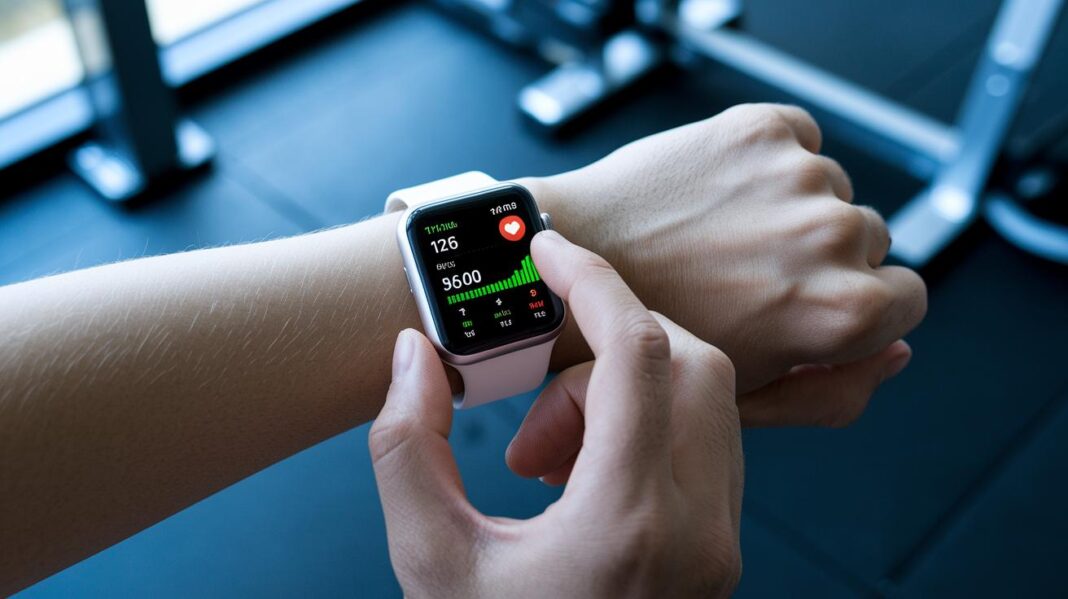

Ever thought about how a small gadget on your wrist could change your health? That little device collects bits of information with every step you take, each heartbeat, and during your nightly sleep. All this information turns into simple advice that can help improve your workouts and overall well-being.
It’s almost like having a friendly detective by your side, spotting tiny changes that might mean something bigger is coming your way. In this post, we chat about how the everyday data from your gadget can give you a boost in health and help you perform your best.
wearable device data analytics: Energize Health & Performance

Wearable tech is on the rise, and our everyday devices like fitness bands, smartwatches, and even medical monitors are capturing handy details about our bodies. They gather information such as heart rate, step count, and sleep patterns in a snap. Every day, millions of these devices send their data from daily activities, building a huge pool of insights from both regular users and clinical settings. It’s pretty cool how something you wear can turn into a smart helper for your health.
Big data techniques work like secret detectives, turning all that info into simple, useful tips. They use methods like statistical modeling and pattern recognition (finding patterns or trends) to sort through countless readings. For instance, a small change in your sleep might hint at early fatigue before it turns into a bigger issue. Even the tiniest detail can offer reliable clues about how you’re feeling.
Wearable data analytics comes with many benefits. It helps keep track of your health, fine-tune your workouts, and even predict potential problems before they become serious. With real-time data, you can tweak your exercise routine on the fly, and doctors can spot early signs of chronic conditions. This constant stream of clear, actionable information not only boosts your performance during workouts but also provides personal alerts and advice to ward off health risks. In truth, blending everyday gadgets with smart data analysis sets the stage for a more informed and proactive approach to well-being.
Sensor Data Collection and Transmission in Wearable Analytics
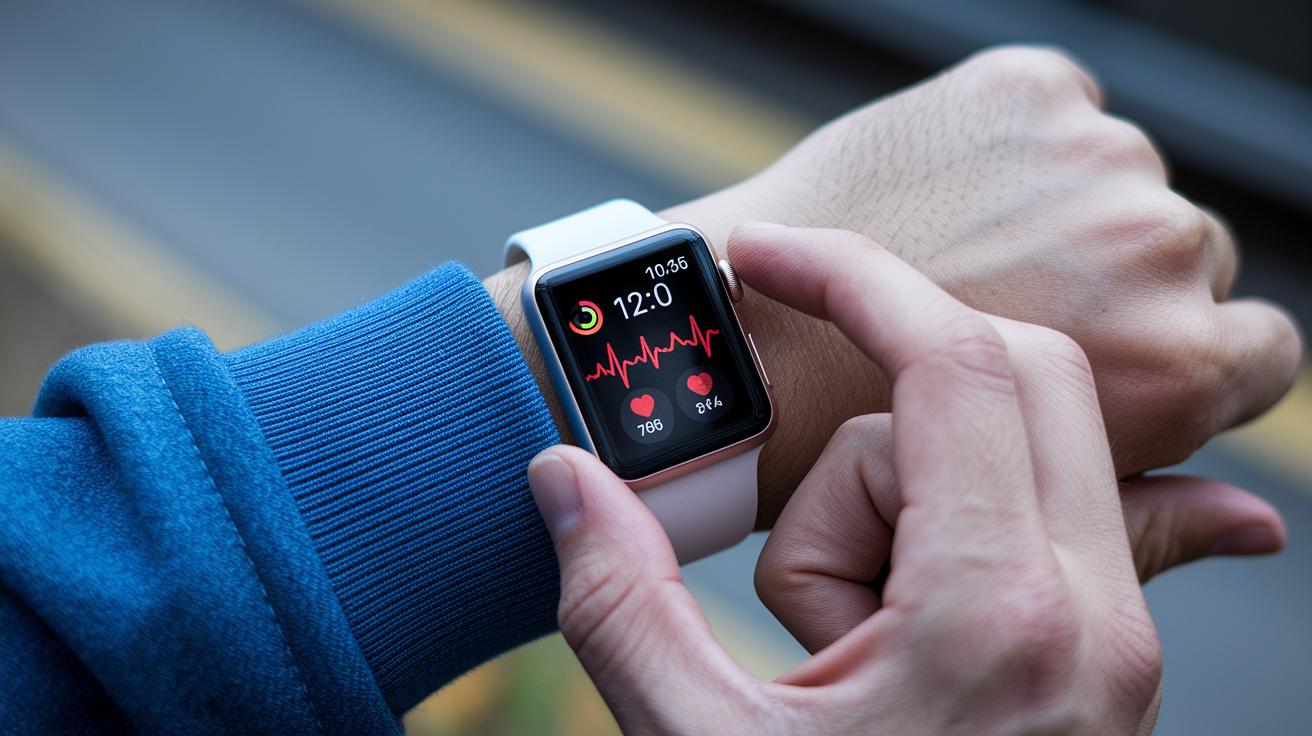
At first, wearables came with just one sensor, like a basic heart rate monitor. Now, they pack multiple sensors that track things like your heart rate, how active you are, your sleep patterns, and even body temperature. This switch means the information you get is much fuller and easier to understand. Devices now mix simple tracking with detailed insights using sensors such as accelerometers, gyroscopes, and optical heart rate sensors.
| Sensor Type | Metric | Transmission Method |
|---|---|---|
| Accelerometer | Physical Activity | Bluetooth |
| Gyroscope | Movement Orientation | Bluetooth |
| Optical HR Sensor | Heart Rate | Bluetooth Low Energy (BLE) |
| Thermistor | Body Temperature | BLE |
| Sleep-Stage Sensor | Sleep Cycles | BLE |
Most wearables send their data wirelessly through methods like Bluetooth and BLE, sharing information directly with your smartphone, tablet, or even cloud servers. Sometimes, the data is processed right on a nearby device in what we call edge processing. Other times, the info goes to the cloud for a deeper look later on. Fast feedback is possible with edge processing, while cloud analysis lets you explore detailed information at your own pace. It's all about finding the right balance for quick and secure insights.
Analytics Methodologies for Wearable Data

Wearable device data analytics starts with signal processing. This step cleans up the sometimes messy sensor data by filtering out noise and background sounds so you get clear, reliable information. Next, simple methods like regression and time-series analysis help spot trends in signals such as your heart rate and movement. By merging data from different sensors through data fusion, you get a fuller picture of your health and activity. Think about it: a small bump in your step count might show a bigger trend when you also look at your heart rate.
- Data fusion for integrating sensor streams
- Time-series modeling to track trends over time
- Classification algorithms for recognizing activity states
- Clustering to uncover emerging patterns
- Predictive analytics to forecast health events
- Edge computing for processing data close to the source
Artificial intelligence boosts these methods even further. Machine learning, like supervised classification (where the system learns from examples) and unsupervised clustering (grouping similar patterns together), helps spot hidden trends that you might miss with basic analysis. These techniques not only sharpen the way we understand the data, but they also help predict health changes before they become a big deal. With AI handling lots of fast-moving data, you can get quick insights that can even lead to immediate care decisions. It’s like having a smart helper that keeps learning and improving just for you.
Visualization Techniques and Interpretation of Wearable Analytics
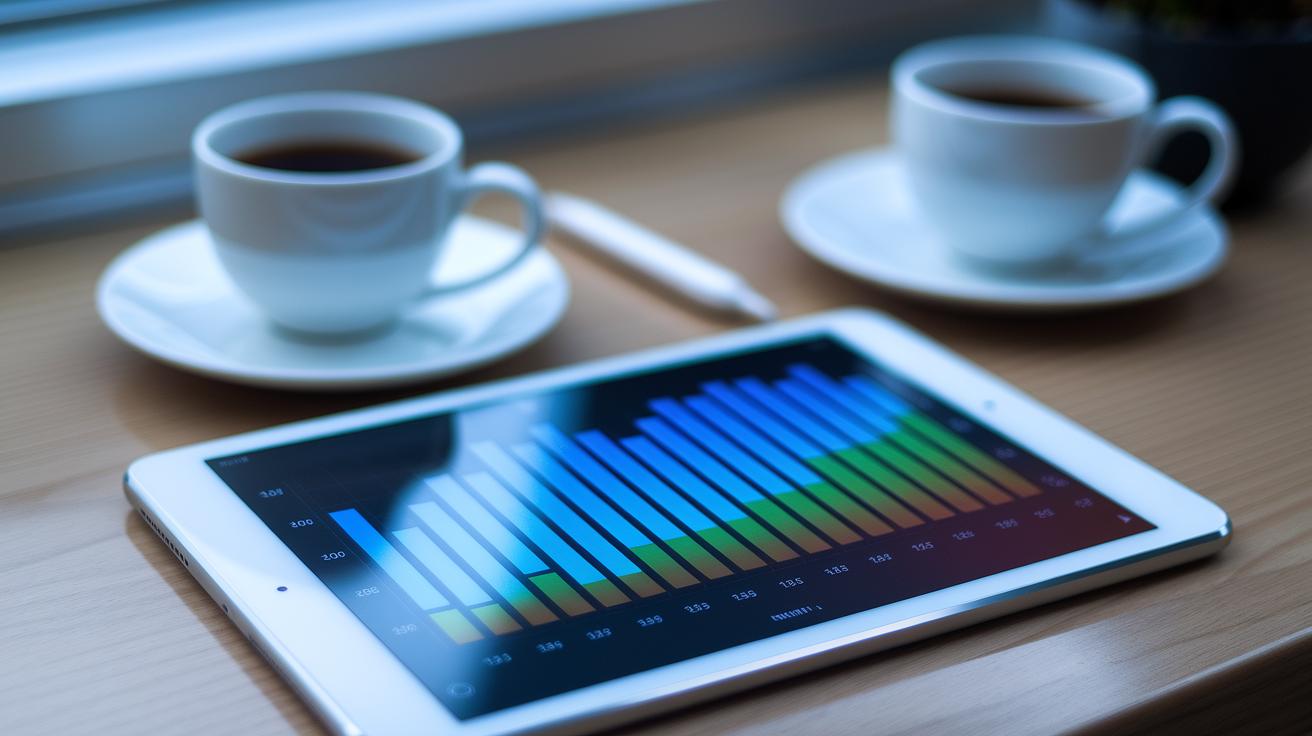
Visual pictures can really help you understand raw wearable data. Think of a line graph showing your pulse rate over the day: you might notice a bump after a workout, which makes spotting unusual spikes a lot easier. Bar charts let you compare your daily steps, while heatmaps can visually reveal where most of your activity happens. These simple tools work great whether you're tracking your fitness at home or making health decisions with your doctor.
Dashboards make it even easier by grouping similar numbers, like your step counts, sleep patterns, and heart rate trends, into separate sections. This means that, in a quick glance, you or your healthcare provider can find exactly what you need. Imagine a personalized summary that updates every time new data comes in; that’s the kind of custom report that can help you stay on track.
And when something unexpected happens, automated alerts step in to help. For instance, if your activity suddenly drops, the system sends you a quick notification so you can check things out sooner. These timely messages keep both you and your care team in the loop. It’s all about making sure everyone stays informed and ready to take action when needed, turning data into real wellness insights.
Software Platforms and Tools for Wearable Device Data Analytics
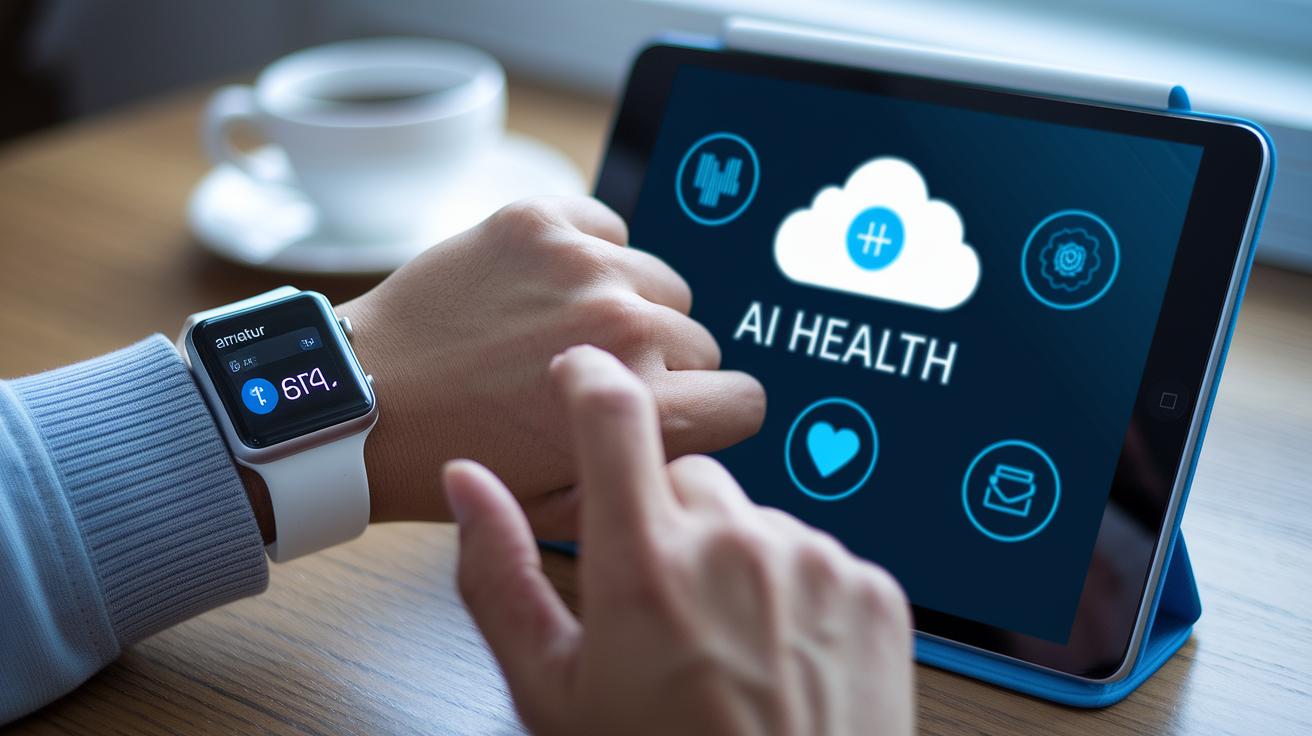
Today’s specialized platforms mix smart, AI-powered analytics with data from your wearable devices to give you real-time health updates and even hints at possible issues before they become big problems. They work side by side with your electronic health records so your wearable insights quickly link up with your doctor’s notes. Plus, they use both cloud and edge computing (that means some data is processed on local devices while other info is handled online) to keep up with growing amounts of data. Think of these tools as a helpful assistant that collects data from your device and turns it into clear, useful advice.
Different platforms bring different strengths to the table. Some are built to handle more and more data without lagging, which is great if your device is always tracking your health stats. Others really shine with strong API support, making it easy to connect with mobile health apps you might use every day. And then there are ones that let you create custom reports so you and your healthcare team can see a detailed look at your health trends. Experts often point to examples like "wearable tech for health" as a standout in today’s digital wellness space.
There’s also a growing buzz around vendor-agnostic toolkits and open frameworks. These flexible solutions work with a range of devices and systems, so you aren’t tied down to one company. This openness makes it effortless for health providers and tech teams to tweak or upgrade the analytics as needed. In short, this adaptability paves the way for ongoing improvements and a strong future in wearable data analytics.
Real-Time Processing and IoT Integration in Wearable Analytics

Wearables start by collecting data right on your wrist. They pick up details like your heart rate and the number of steps you take. Then, a quick cleanup at the device removes any extra noise so the information is easier to understand. After that, the data zips wirelessly to cloud platforms where it gets stored and analyzed in more depth. This smooth flow of data makes it possible to offer real-time biofeedback during workouts, timely medication reminders, and even early warnings if something seems off, helping you adjust your day or get care right when you need it.
Interoperability Strategies
Standards such as HL7 FHIR and IEEE 11073 help devices communicate easily with healthcare systems. API gateways and middleware work with these standards to let devices exchange information with electronic health records and telemedicine tools, all in a friendly, seamless manner. But, sometimes things get tricky because different devices use their own data formats. Developers are busy ironing out these issues so that communications become even smoother and data sharing gets stronger. With these improvements, wearable analytics is on its way to becoming an even more reliable tool for modern health management.
Use Cases and Case Studies in Health, Fitness, and Performance Tracking
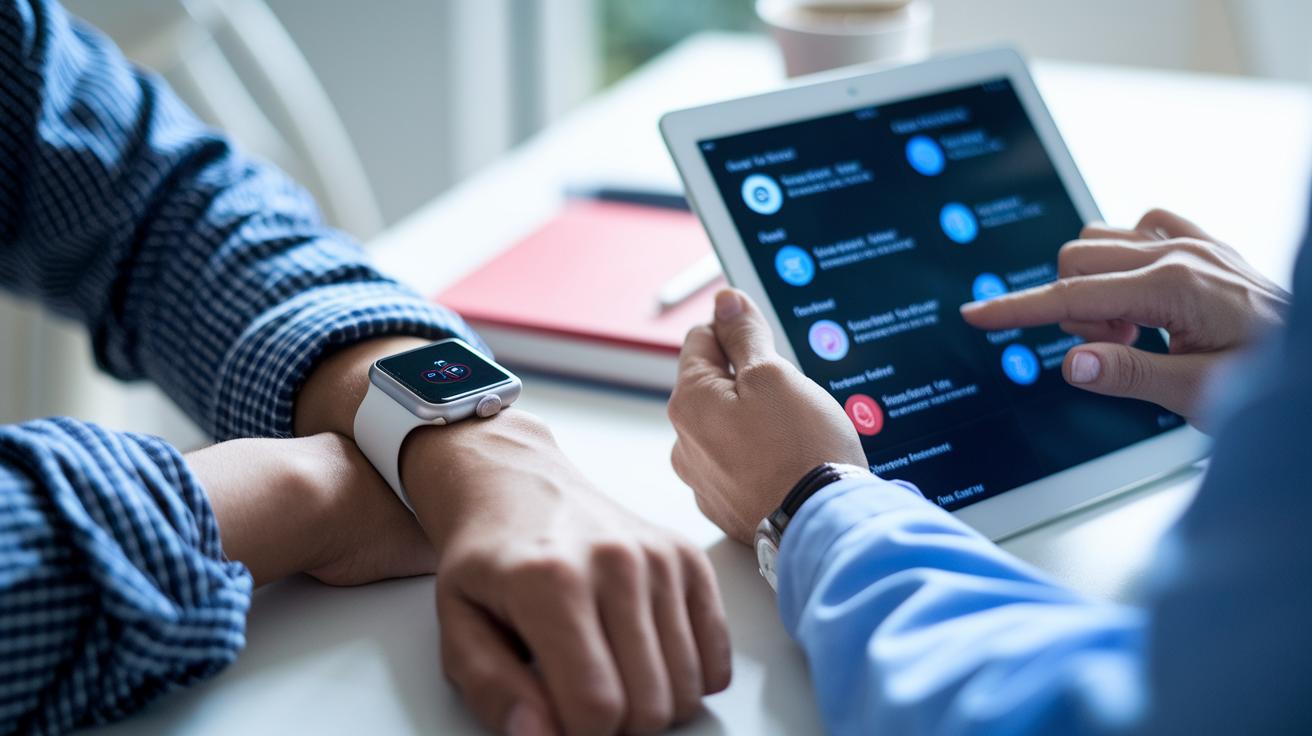
When managing long-term health issues, wearable devices help patients stay involved by sending timely alerts and updates. For example, a continuous glucose monitor (a device that keeps track of your blood sugar levels) lets doctors know immediately if readings stray from the normal range. At the same time, patients get instant feedback so they can adjust their diets or medications right away. This active role in care can lead to better results for conditions like diabetes and heart disease. One study even highlights just how important these metrics are for everyday care.
Athletes also get a big boost from wearable tech. They use gadgets that track each step, heart rate, and recovery pattern. Coaches then use this data to tweak workouts and help prevent injuries during those high-intensity sessions. The information makes it easier for athletes to notice small adjustments that can lead to major improvements during competitions.
In workplace and personal wellness programs, customized insights from wearables are making a difference, too. Companies now look at step counts and sleep patterns to support employee health and cut down on healthcare costs. At the same time, individuals use their personalized fitness data to track progress on weight loss or overall fitness goals. All these uses show how wearable technology can spark healthier habits, improve work environments, and empower people to take control of their own health.
Benefits and Challenges of Integrating Wearable Device Data Analytics
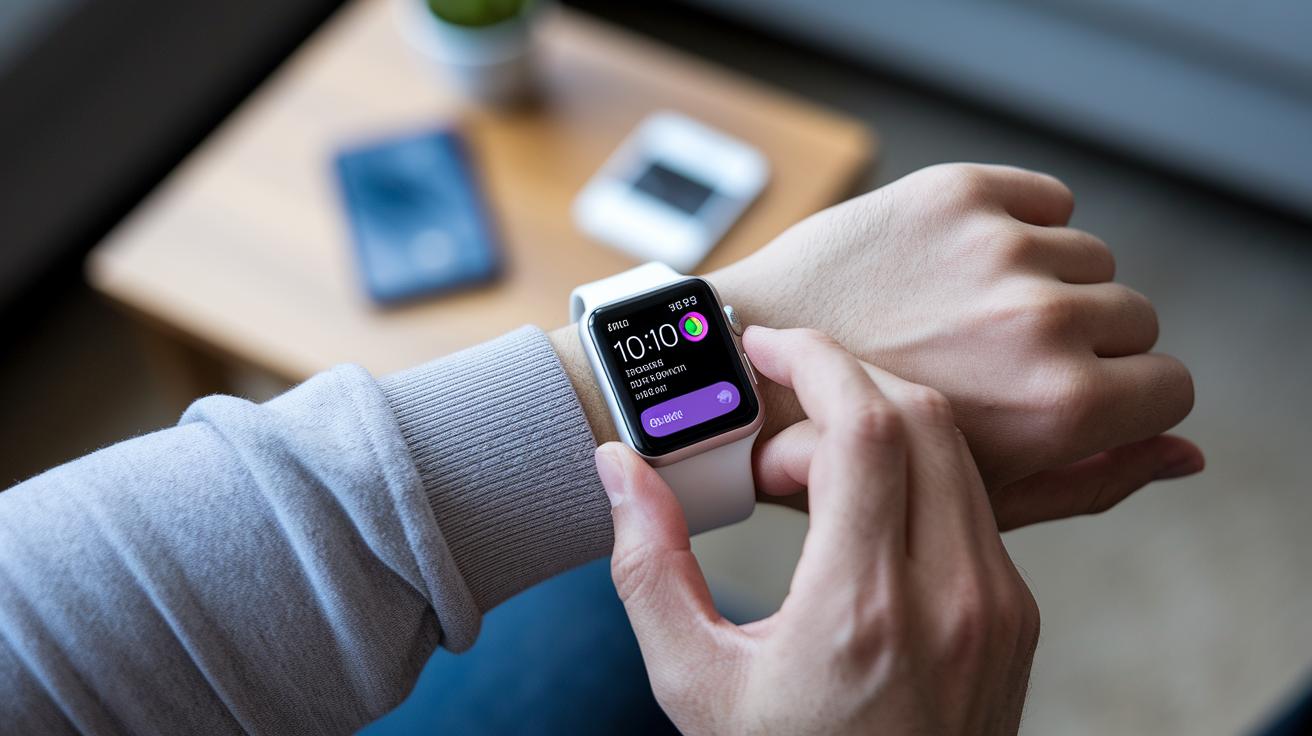
Wearable devices can really improve care by sending quick alerts and personal recommendations. When your device notices something out of the ordinary, help can arrive fast. This prompt feedback makes a big difference in staying ahead of health issues.
These smart devices work all day, checking and sharing signals so that wasted steps in care are minimized. They give users and providers trustworthy, up-to-date info that makes everyone feel more confident about ongoing care and future prevention.
Still, there are challenges when it comes to privacy and secure data. If safeguards aren’t strong, there’s a risk someone could misuse your sensitive information. Without solid protection, you might feel uneasy about how your data is used.
Another obstacle is that different systems sometimes have trouble sharing information. This can lead to mixed messages and mistakes. It shows why clear, strong data rules are important to keep every bit of info accurate and safe.
Final Words
In the action, we explored how wearable device data analytics changes health management. The analysis looked at how sensors capture real-world signals and how platforms process that information in real time. We covered how clear visuals and smart tools make insights accessible to everyone. Wearing these insights helps improve fitness, track vital patterns, and even predict health trends. The progress feels uplifting and empowers us to make smarter choices for our wellness every day.
FAQ
Q: What are the top wearable health devices?
A: The top wearable health devices include smartwatches and fitness trackers that monitor metrics like heart rate, sleep, and step counts. They offer real-time data and user-friendly insights to support everyday health decisions.
Q: What does the future hold for wearable technology in healthcare and for wearable health monitoring devices in 2024?
A: Future wearable technology in healthcare is set to improve sensor precision and data integration. In 2024, these devices are expected to offer more personalized monitoring through advanced sensors and smarter connectivity.
Q: What are some examples of wearable technology in healthcare?
A: Wearable technology examples in healthcare include continuous glucose monitors, advanced heart rate sensors, and step-tracking devices. These examples show how wearables can help manage chronic conditions and promote daily wellness.
Q: What are the disadvantages of wearable technology in healthcare?
A: The disadvantages of wearable technology in healthcare can include privacy issues, occasional data inaccuracies, and battery limitations. Such challenges may affect the consistency and efficiency of continuous monitoring.
Q: What are the benefits of wearable technology in healthcare?
A: The benefits of wearable technology in healthcare feature improved patient monitoring, immediate health alerts, and enhanced data collection. These devices empower users with real-time insights for preventive care and better overall outcomes.
Q: What scholarly articles cover wearable technology in healthcare?
A: Scholarly articles on wearable technology in healthcare often examine sensor accuracy, data processing methods, and case study outcomes. These studies provide evidence on how wearables contribute to improved patient care and data-driven decisions.