


Have you ever stopped to think if your personal details are really safe? Privacy means you get to choose who sees your information, while confidentiality is the promise from those you trust to keep it secure. Think of it this way: privacy is like picking who to share a secret with, and confidentiality is like someone vowing to protect that secret. In this blog, we’ll chat about the differences between these ideas and show how they work together to help keep your data safe. Stay with us and get a clear picture of your digital safety.
difference between privacy and confidentiality: A Clear View

Privacy is all about you controlling your own information. It lets you decide who can see your details and when they should be removed. Think of it like keeping your counseling records safe for only a trusted few.
Confidentiality, on the other hand, is the promise made by those who handle your data, like doctors or researchers, to protect it once you've shared it. They follow strict steps to keep your information secure, much like following a routine to keep something safe.
The main point is this: privacy is about your choice, while confidentiality is about someone else’s duty to protect your info. Both are essential, especially when it comes to your health and digital platforms, making sure you remain in control and your data stays safe.
Privacy vs Confidentiality: Side-by-Side Comparison Table

Privacy lets you decide who gets to see your personal details. Confidentiality kicks in once you've shared your information, ensuring it is kept safe with strict security rules. Think of it this way: you control your data, and providers have a strong promise to safeguard it.
| Attribute | Privacy | Confidentiality |
|---|---|---|
| Control over Data | You choose what to share and when to restrict access. | Once you share your info, the provider must protect and secure it. |
| Focus | About your personal rights and the choice to keep things private. | About using secure practices like encryption to protect that info. |
| Responsibility | Your decisions set the boundaries for your data. | Providers are duty-bound to handle your information carefully. |
| Operational Aspect | Your choices decide who can see your sensitive details. | Involves methods like encryption and strict access controls. |
| Regulatory Emphasis | Backed by laws that protect your personal right to privacy. | Driven by frameworks that require secure handling of data. |
At its heart, privacy is all about your control. You get to decide which parts of your life stay hidden or get shared. Meanwhile, confidentiality is the promise from those handling your data to keep your information secure. This clear divide not only gives you power but also builds trust, ensuring everyone knows their role in protecting your personal details.
Legal Frameworks for Privacy and Confidentiality

Federal laws set the rules for how your personal information is handled. They protect your rights and lay out clear responsibilities for those who manage your data. For example, HIPAA is a set of guidelines that helps keep patient details safe, ensuring both privacy and confidentiality are always respected.
When it comes to privacy, the law puts you in charge. You decide who gets to see your personal details. Rules like 45 CFR 46.111(a)(7) require review boards to examine research proposals, making sure your privacy is protected. These rules mean you'll always be informed about how your data might be used, and your consent is a must.
On the confidentiality side, the focus is on the promise made by healthcare providers and researchers to secure the information you share. Once you provide your details, they must stick to strict standards, as outlined by HIPAA. They use strong security measures to block any unwanted access, ensuring your sensitive data is handled with care.
The system takes these rules very seriously. If there’s a breach in privacy or a failure to keep your information confidential, there could be substantial fines and legal penalties. This strict enforcement helps keep your data safe and builds trust in the system.
Real-World Cases of Privacy vs Confidentiality Breaches

Real incidents show that breaches in privacy and confidentiality can really hit home. When someone gets hold of your personal details without your permission, it feels very immediate and personal. It not only takes away your say over your sensitive information, but it also shakes the trust you have in your healthcare provider.
For example:
- A privacy breach occurs when someone looks at your counseling records without your approval.
- A privacy failure happens when researchers find flaws in hiding data, which then leads to sensitive details being mistakenly revealed.
- A confidentiality breach is when a healthcare provider shares your information without first getting your okay.
- A confidentiality failure might occur when rules about keeping data safe aren’t followed, like not erasing identifiable data after three years.
These missteps can break trust and lead to legal problems. When your privacy is at risk, you feel exposed. And if confidentiality is not honored, healthcare providers can face heavy fines and lose credibility. Each case shows how important it is to handle data safely and respectfully, keeping trust at the heart of care.
Healthcare Data Privacy and Patient Confidentiality Differences
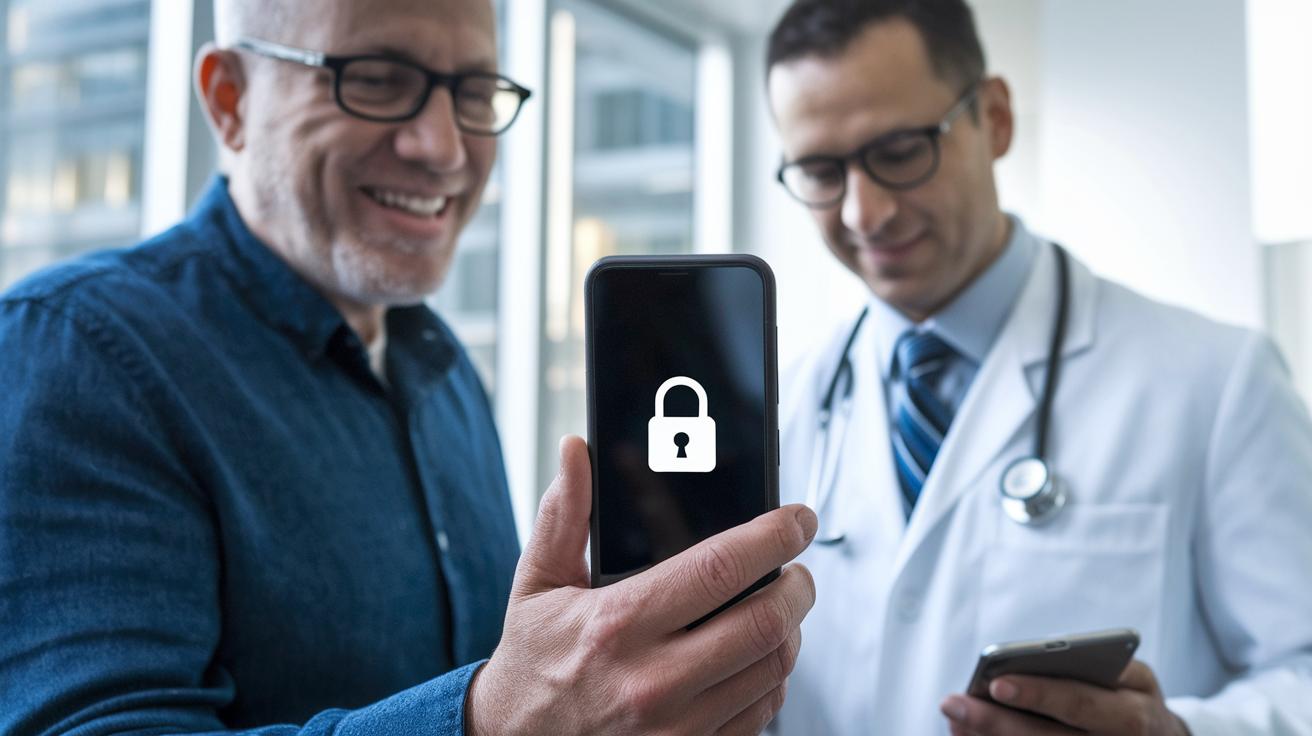
Your privacy in healthcare means you control who can peek at your medical records. These days, many mobile apps let you change your settings on the fly, just like locking your diary before bedtime so only trusted friends can read it.
When you share your records with doctors, provider confidentiality kicks in. This means health professionals are responsible for keeping your information safe using methods like encryption (a way to scramble your data so only the right people can see it) and secure storage. One clinic even found that using real-time consent updates helped boost patient trust because staff would double-check your chosen permissions before reading your details.
Together, your privacy choices and solid provider security build a trustworthy system for your healthcare records. Updated systems now send quick alerts if any permissions change, making it all both clear and safe. A local clinic even reported fewer patient worries when they balanced privacy control with tight data protection.
Best Practices for Maintaining Privacy and Confidentiality

When you handle sensitive information, treat it like a secret you wouldn't share with just anyone. It’s a good idea to use ways like encryption (a method to scramble data so only the right people can see it), strict access controls, and anonymization techniques to keep prying eyes away from your private details.
Make sure you have clear steps in place so that everyone knows who can look at your information. This means getting proper consent from patients so they understand exactly who will see their data. Regular checks, or audits, help spot any issues early before they become big problems.
It also helps to stick to research guidelines by keeping data in a secure place, letting only a few trusted people view it, and getting rid of it when it’s no longer needed. Plus, don’t forget to hold training sessions for your team, so everyone is up-to-date on the best ways to keep data safe.
Finally, set aside time every now and then to review your policies and technology. This routine check keeps everything running smoothly and builds trust with your users, knowing their information is in safe hands.
Final Words
In the action, our discussion showed clear definitions of privacy and confidentiality. We explored how individual control over personal data contrasts with the duty to keep disclosed details safe.
Real examples and legal guidelines painted a vivid picture of how missteps affect trust. Our best practices section reminds us that managing the difference between privacy and confidentiality remains key in digital healthcare. The focus on secure, personalized care leaves us feeling optimistic about a future that truly values patient well-being.
FAQ
What is the difference between privacy and confidentiality?
The difference between privacy and confidentiality means privacy gives you control over your personal information, while confidentiality is the duty to protect that information once it is shared. This applies in healthcare, workplaces, and beyond.
How is security related to privacy and confidentiality?
The connection is that security measures—like encryption and strict access controls—help maintain privacy by preventing unauthorized access and uphold confidentiality by protecting shared details from improper disclosure.
Is there a difference between private and confidential?
The difference between private and confidential lies in that private refers to what you control about yourself, while confidential involves information that others must strictly safeguard once you’ve shared it.
What are some examples illustrating the difference between privacy and confidentiality?
The difference is seen when personal details accessed without your permission (a privacy issue) contrast with a professional sharing your data inappropriately (a confidentiality breach), each highlighting distinct responsibilities.