
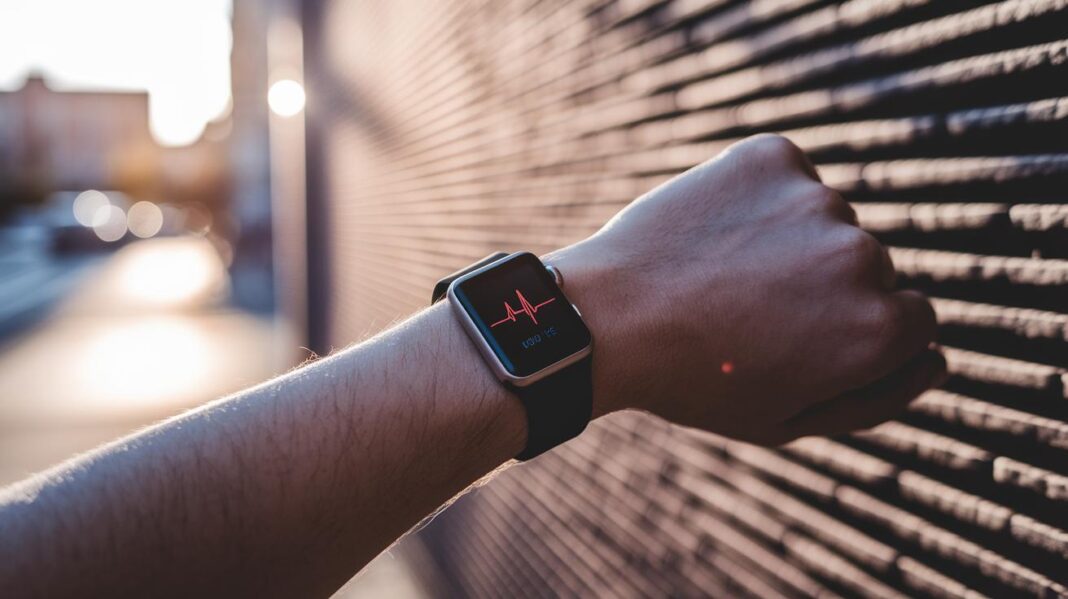

Have you ever imagined that a small gadget could gently remind you about your health? Wearable biosensors turn everyday items like wristbands into smart helpers that keep an eye on important signals like heart rate and blood sugar levels.
These little devices let you notice any changes early on and encourage easy, positive shifts in your daily routine. It’s a whole new way to look at health care, offering handy, real-time insights right when you need them.
Overview of Wearable Biosensor Technology for Health Monitoring
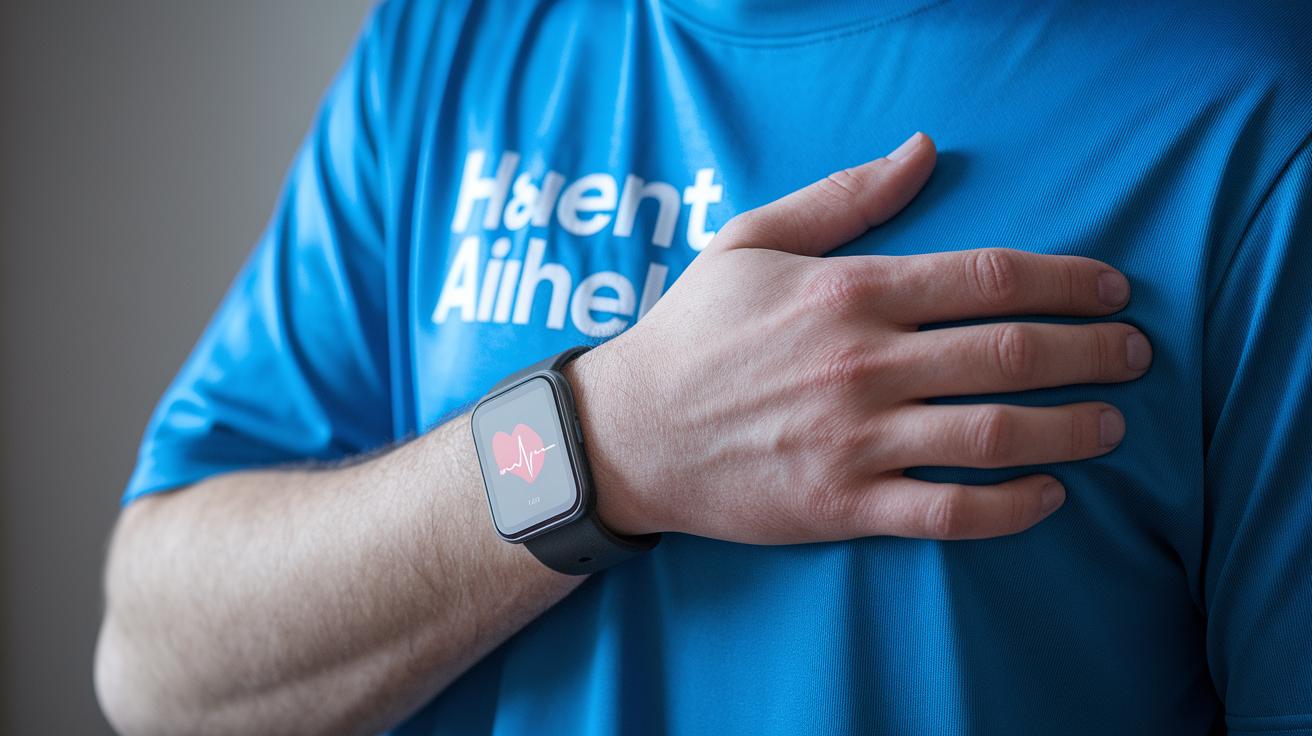
Wearable biosensors are changing the way we keep an eye on our health. These clever gadgets come in forms like wristbands, skin patches, or even smart clothing. They track important signals such as heart rate, blood pressure, and blood sugar levels throughout the day, making remote monitoring a reality for everyone.
Take diabetes as an example. Instead of dealing with painful finger pricks, many people now use continuous glucose monitors to get real-time readings. One user even said switching to a wearable sensor felt like stepping into a future filled with gentler, smarter self-care. Plus, those recovering from surgery or working through physical therapy get helpful feedback by tracking their movements and joint angles, all in real time.
Athletes find these devices invaluable as well. They keep track of breathing pace, the level at which lactic acid builds up, and electrolyte balance. This information helps them adjust their training and avoid overexertion. In truth, wearable sensors are moving health care from waiting for problems to stopping them early.
What is really neat is how easily these devices blend into everyday routines. They keep you connected with your doctor by sending a steady stream of health data. This continuous feedback not only boosts your awareness of your own health but also nudges you to make timely, positive lifestyle changes. For more on this, check out the impact of wearable tech on health management.
Biosensor Components and Operation Principles in Wearable Devices
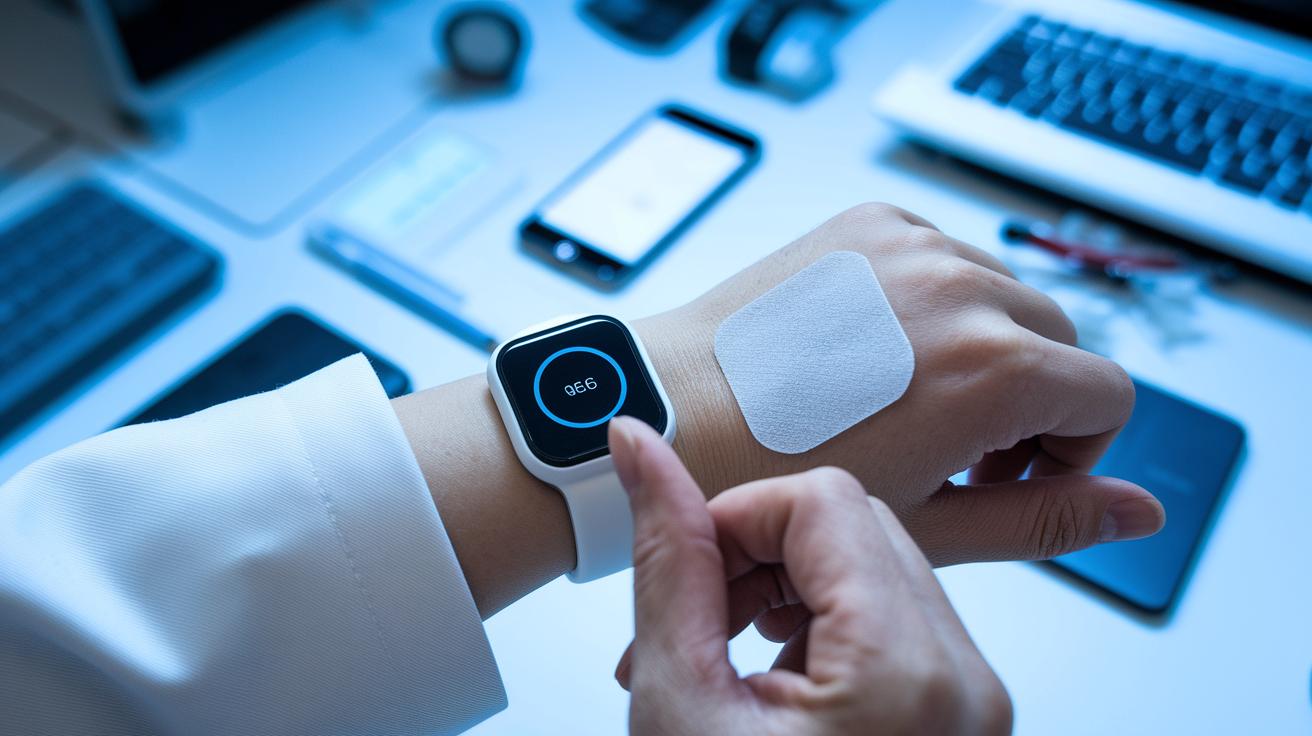
Wearable biosensors turn your body's natural signals into simple electrical data that you can easily understand. They use little sensors to pick up on important details like blood sugar and oxygen levels. For instance, one sensor uses enzyme reactions to spot sugar levels, while another uses light to check oxygen in your blood. Tiny modules even sense tiny changes in pressure to help track your blood pressure and breathing. And a skin temperature sensor helps spot signs of infection or inflammation.
Some devices even pack cool, advanced features. They may use etched graphene electrodes and special polymer layers to boost the sensor's sensitivity. These flexible parts make the device comfortable to wear every day. There’s also a neat little module that collects sweat through tiny channels, so you don’t need needles, and it adjusts its own calibration right then and there.
Imagine a gadget that gently gathers signals from your skin, turning the soft warmth you feel into clear readings about your health. Every part plays its role, coming together to paint a real-time picture of how you’re doing. It’s a smart mix of parts that transforms natural signals into helpful health insights, all working in harmony to keep you well.
Data Collection and Analytics Frameworks for Wearable Biosensor Technology

Wearable biosensor technology uses a smart way of gathering data by blending advanced sensors, edge computing (computers placed close to the data source for quick processing) and secure cloud platforms to deliver health insights right when you need them. With a simple IoT design, as you can see with connected health devices, biosensors continuously track your vital signs, while mobile diagnostic tools collect data on the go. This setup uses strong, scalable data pipelines to handle information from various sensors, ensuring doctors and caregivers get updates fast.
Solid data analytics systems turn raw signals into steps you can really act on. They use secure protocols and encrypted data flows to protect your sensitive information. And with remote monitoring platforms collecting all this data, trends pop up that can instantly tweak personal care plans. By pairing edge computing with cloud storage, lag is kept to a minimum and quality is always checked, which means fewer mistakes from how the data is interpreted.
Standards for different devices to work together are key here. They mix data from many sources, offering steady, real-time feedback that supports proactive health management. Continuous data collection paired with clear, easy-to-understand visual charts helps speed up decision-making and leads to better outcomes for patients.
Smart integration and clever analytics keep making care more efficient and of higher quality. This strong base is paving the way for exciting future health innovations.
Clinical and Fitness Applications of Wearable Biosensor Technology
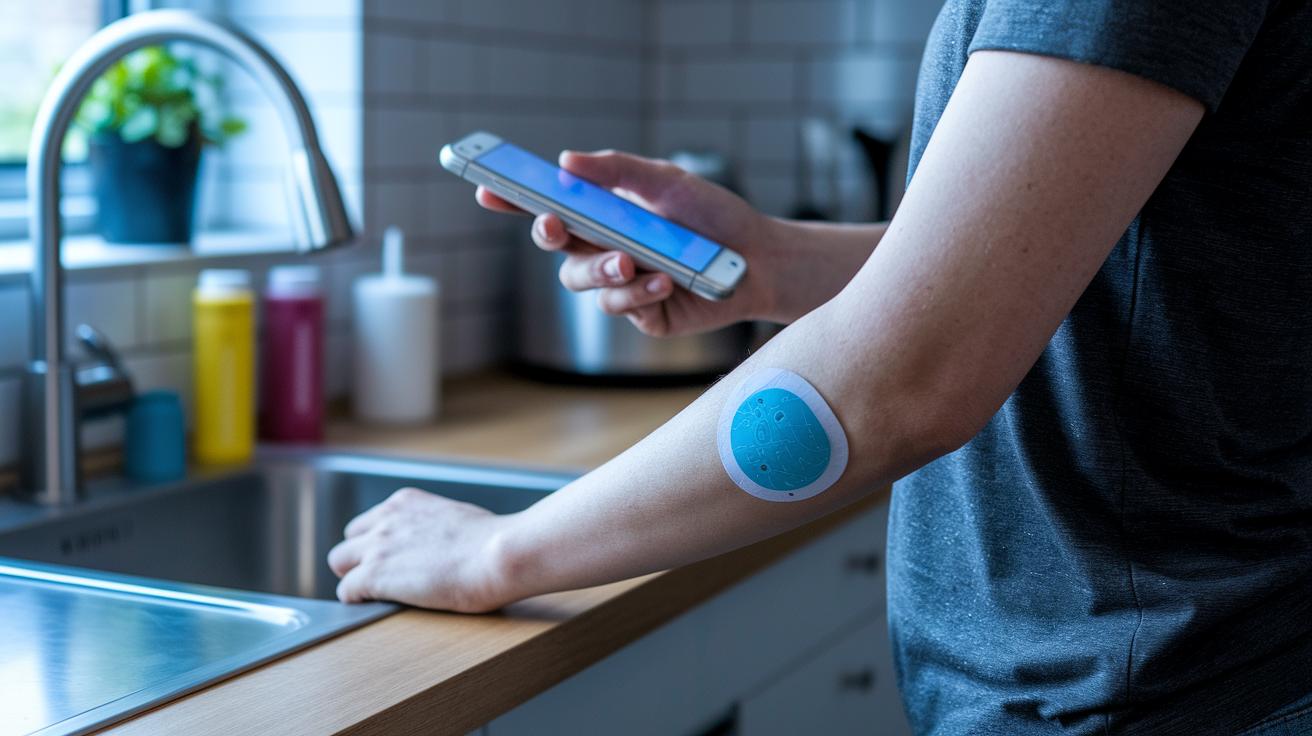
Wearable biosensors are changing the game for both health care and fitness. They bring real-time health updates right to your fingertips, almost like having a health buddy with you at all times.
Take continuous glucose monitors, for example. They let people with diabetes check their sugar levels without those painful finger pricks. And then there are smart microneedle patches, which offer a gentle, pain-free way to keep an eye on blood sugar. It’s a smoother, more accurate way to manage diabetes, and honestly, it feels like a little relief.
ECG monitoring is another cool feature. These sensors catch heart rhythm issues like atrial fibrillation as they happen. This means that both you and your doctor get the info immediately, making it easier to act fast when something’s off.
There’s even more to discover with these wearables. New cuffless blood pressure sensors give you frequent readings much easier than old cuffs, imagine getting a snapshot of your heart’s health throughout the day. EMG sensors, which check how your muscles work, have become vital in rehab, offering useful insights during recovery or while using prosthetics.
Athletes love sweat analysis patches too. These little devices check your hydration, electrolyte levels, and other signs from your sweat during a hard workout. One athlete even said, "Using my wearable, I can instantly see when my body needs a break." That kind of instant feedback can really change the game.
Then there are finger-ring pulse oximeters that help track oxygen levels during exercise. Overall, wearable biosensor technology bridges the gap between clinical care and fitness tracking. Every day, it gives you an easy and seamless way to stay on top of your health and boost your performance.
User Experience, Challenges, and Regulatory Considerations in Wearable Biosensor Technology
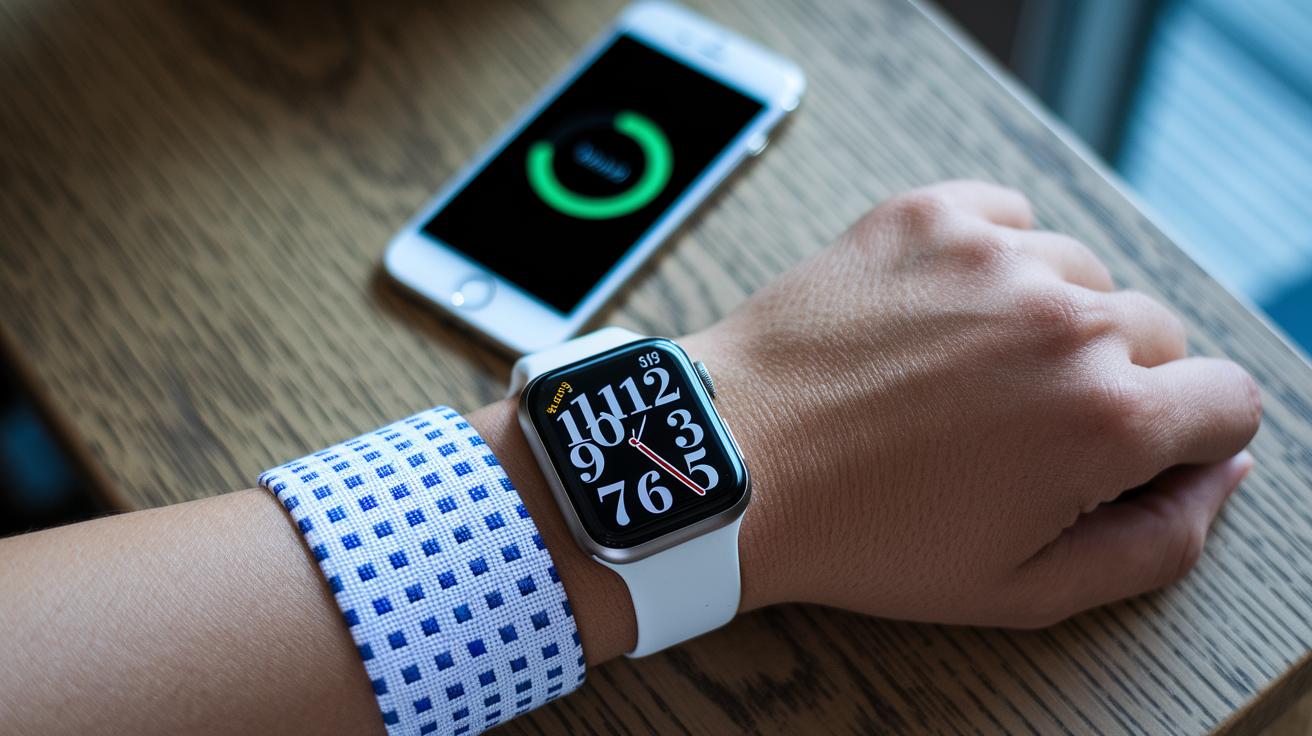
Embracing wearable biosensor tech means the devices need to feel friendly and reliable. People want things that are comfy, appeal to the eye, and show big, clear numbers. They even like physical buttons that sync easily with their phones. One user said, "This watch feels like it was made just for me," which really shows how much a smooth user experience matters.
Weather and other outside factors can mess with enzymatic sensors. When it gets too hot or humid, the sensor might not work as well as it should. And think about smart clothes – stitching electronics into textiles is tricky. Imagine a shirt that still works perfectly even after many washes. Then there's the challenge of keeping the device powered. Designers often use low-power circuits and add energy-harvesting features so the sensors can run longer without needing a charge all the time.
Security is always a top concern too. A mistake in the data or a glitch in the algorithm could actually hurt someone. In one study, a wristwatch biosensor scored 84.3 out of 100 on the System Usability Scale, and 91% of chronic stroke patients kept using it regularly. That shows just how important trustworthy performance is to users. Plus, developers have to meet strict FDA and privacy rules before these devices can hit the market.
Emerging Innovations and Future Trends in Wearable Biosensor Technology

New research is opening doors to smarter health solutions through wearable biosensors. Sensor technology is evolving fast, offering monitoring systems that give you more accurate, constant insights into your health. For instance, the NutriTrek electrochemical biosensor checks your sweat for nutrients and metabolites without any invasive procedures, making it a neat way to keep track of your personal nutrition and tailor your health care (what is precision medicine).
Iontophoresis using carbachol gel now helps trigger sweat even when you’re just relaxing. This approach, along with laser-engraved graphene electrodes on a thin polyimide film, steps up sensitivity and selectivity because of smart, molecule-matching polymers. And redox-active nanoreporters chip in by detecting tricky compounds through indirect signals.
Meanwhile, integrated microfluidic systems capture sweat on the spot, calibrate the sensors, and ensure your data stays clean. Paired with energy harvesting modules and fresh machine learning ideas, these advances are laying the groundwork for smart, algorithm-driven health insights that tune into your body’s unique needs. In truth, it looks like the future will see wearables doing more than just monitoring, they’ll help you take charge of your health in a proactive, personalized way.
Final Words
In the action, we explored how wearable biosensor technology continuously tracks vital signs through smart devices like wristbands and patches. We walked through sensor components, data processing in secure cloud platforms, and real-life clinical and athletic applications. The discussion also touched on design challenges and promising trends fueling smarter, more responsive health monitoring.
Every step of the analysis helps break down how easily our mobiles can improve well-being. With these insights, the future of secure, connected healthcare feels exciting and accessible.