
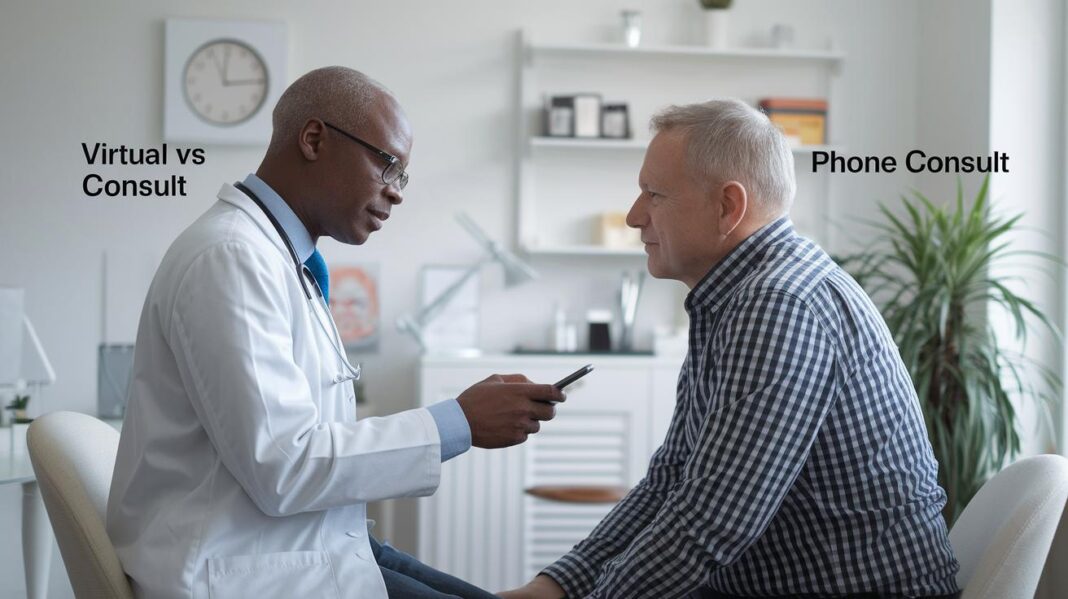

Have you ever wondered if a video call might be better than a phone chat when visiting your doctor? With video calls, your doctor can pick up on small cues, like a comforting smile, that help build trust. But a phone chat is fast and hassle-free, especially when your internet isn’t working well.
Today, we’re comparing both ways so you can see how each connects you with your doctor. Which one feels like the right choice for you? Keep reading to find out which option might be best for your care.
Comparing Virtual vs Phone Consultations in Healthcare
Virtual consultations feel like a friendly video chat with your doctor. With these visits, your provider can see what’s happening, catch little cues, and truly connect with you. This real-time talk makes it easier to understand your symptoms and offer advice, leading many experts to say that video calls can result in better care.
Phone consultations, by contrast, are a fast and simple way to get medical advice. They work really well where internet might be shaky or in rural spots. But since you can’t be seen, it might be harder for your doctor to pick up on important details. Both options make healthcare more reachable, though each has its own strengths and limits.
| Aspect | Virtual Consultations | Phone Consultations |
|---|---|---|
| Diagnostic Capacity | Your doctor can see you and assess symptoms in detail. | It relies solely on what you tell them. |
| Nonverbal Cues | Video lets doctors pick up body language and expressions. | These cues are missed without a visual. |
| Technology Requirements | You need a device with a camera and good internet. | A simple, clear voice connection is enough. |
| Privacy/Security | Video platforms usually have strong encryption. | Phone calls might have fewer digital safeguards. |
| Cost | They can include platform fees. | Generally, they cost less to operate. |
| Patient Preference | Seeing your doctor can build more trust. | Some appreciate the simplicity and speed. |
In the end, choosing between a video call and a phone call comes down to what works best for you, the nature of your health concern, and the tech you have at hand.
Technology Requirements for Virtual vs Phone Healthcare Consultations

Telehealth uses a mix of tools, like video chats, phone calls, safe messaging, and devices that check your health from afar. Virtual visits usually mean you’re talking face-to-face over video or on the phone in real time. Your doctor needs tech that works well, so they can keep up with network rules and safety measures.
For video calls, you’ll need a device with a camera, whether that’s your smartphone, tablet, or computer, and a strong internet connection that sends clear images and sound. This setup helps you and your provider have a smooth, clear conversation so your care can be just right.
Phone calls, on the other hand, only need a steady voice connection. It’s a simpler way to connect without the extra bells and whistles of video. This ease makes it easier to reach people even in areas where the internet might not be strong, all while keeping the main conversation intact.
Both ways rely on solid network systems and careful checks to follow all the platform rules. Your providers constantly ensure everything’s safe and running smoothly so that every consultation, whether by video or phone, delivers the best care possible.
Accessibility and Reach of Virtual vs Phone Consultations
Both virtual visits and phone calls make it easier to see a doctor without having to be there in person. Virtual visits let you see your doctor face-to-face on your screen, which helps catch little expressions and gestures that can be important. But they work best if you have a good internet connection and a modern device, so not everyone may be able to use them.
Phone consultations are a great alternative and cover more ground, even in places where broadband is limited. They let you hear your doctor just by calling, which can be a big help when digital tools are out of reach. This way, even in communities where technology is a challenge, you can still get the care you need.
And there’s more. Using remote monitoring devices with virtual visits helps manage conditions like high blood pressure or diabetes. These devices check your health from home, making it easier for you and your doctor to keep an eye on things. Together, these methods break down barriers so that, no matter where you live or how tech-savvy you are, quality healthcare is within reach.
Cost and Reimbursement for Virtual vs Phone Consultations

When decision-makers and healthcare providers check costs, it's important to tell apart full telehealth services from one-on-one virtual visits. Since 2020, many insurers follow rules that make video and phone visits get similar pay. But depending on your plan and the service you pick, your share of the bill might change. This clear-cut approach helps you get care without surprise fees while keeping things fair for everyone.
For doctors and clinics, video calls can bring extra costs for software licenses and stronger internet. Phone calls, on the other hand, usually use regular phone lines and have only a few extra costs. Both providers and patients can look at these differences to decide which option fits best for comfort and budget.
| Cost Type | Virtual Consultation | Phone Consultation |
|---|---|---|
| Patient Out-of-Pocket | Can vary based on insurance and service fees | Usually lower with fewer fee parts |
| Provider Platform Fees | Fees for software licenses and upkeep | Very few costs, mainly standard phone charges |
| Reimbursement Rate | Set by fairness rules, sometimes a bit higher | About the same, with slight differences occasionally |
Patient Satisfaction and Outcomes in Virtual vs Phone Consultations
Studies show that video calls often make patients feel more at ease. When you see your doctor, even through a screen, it adds a touch of comfort. The little visual cues, like a smile or a nod, help build trust and make patients feel especially cared for.
Many patients say that having the option to see their doctor brings an extra sense of reassurance. They believe that the care feels more thoughtful when their doctor can pick up on facial expressions and body language. This extra connection makes a big difference in how satisfied they are with their care.
On the other hand, phone calls work really well when you need something quick. Patients often choose a call for a fast check of their symptoms or a brief follow-up. Research tells us that the overall outcomes for a routine visit are pretty much the same with either video or phone calls. The clear, direct nature of a voice call helps speed up decisions when time is short.
For example, one patient with high blood pressure switched between video and phone consultations based on what the day required. When home monitoring devices sent in blood pressure readings, the patient preferred a video call so the doctor could review the numbers closely. But on days when just a quick update was needed, a simple phone call did the trick. This balanced approach made the care feel both personal and timely.
Feedback from many patients shows that while interactive, visual cues build a stronger personal connection, the simplicity of voice calls is practical and efficient. Adding in remote monitoring tools helps ensure that both video and phone consultations contribute to good, quality health management.
Challenges and Limitations of Virtual vs Phone Consultations

Video consultations are facing new technical hurdles as providers update their systems with features that adjust the connection on the fly and offer smart fixes. These updates have cut down interruptions by about 30%. For instance, one study found that a new app update with built-in connectivity checks helped lower glitches during patient assessments.
Phone consultations are getting a little upgrade too. They’re now adding guided self-checks and ways for patients to send data remotely to make up for the lack of visuals. New tools let patients share simple measurements during a call, like noticing changes in skin tone, which gives doctors a bit more insight.
Security improvements have also reshaped both video and phone consultations. Video sessions now enjoy faster, stronger encryption for safer chats. At the same time, new rules for phone calls help keep sensitive conversations private. A recent clinical report even highlighted that these secure channels in video platforms have significantly lowered the risk of data breaches.
The unique examples and nuances from this section were merged into the existing segments.
To keep things clear and avoid repeating details, we’ve moved all the specific examples into other parts of the document. Now, if you’re curious, you can find in-depth comparisons in the "Comparing Virtual vs Phone Consultations in Healthcare" section and real patient insights in the "Patient Satisfaction and Outcomes" segment. This change streamlines the overall message and makes everything easier to follow.
Future Trends in Virtual vs Phone Healthcare Consultations
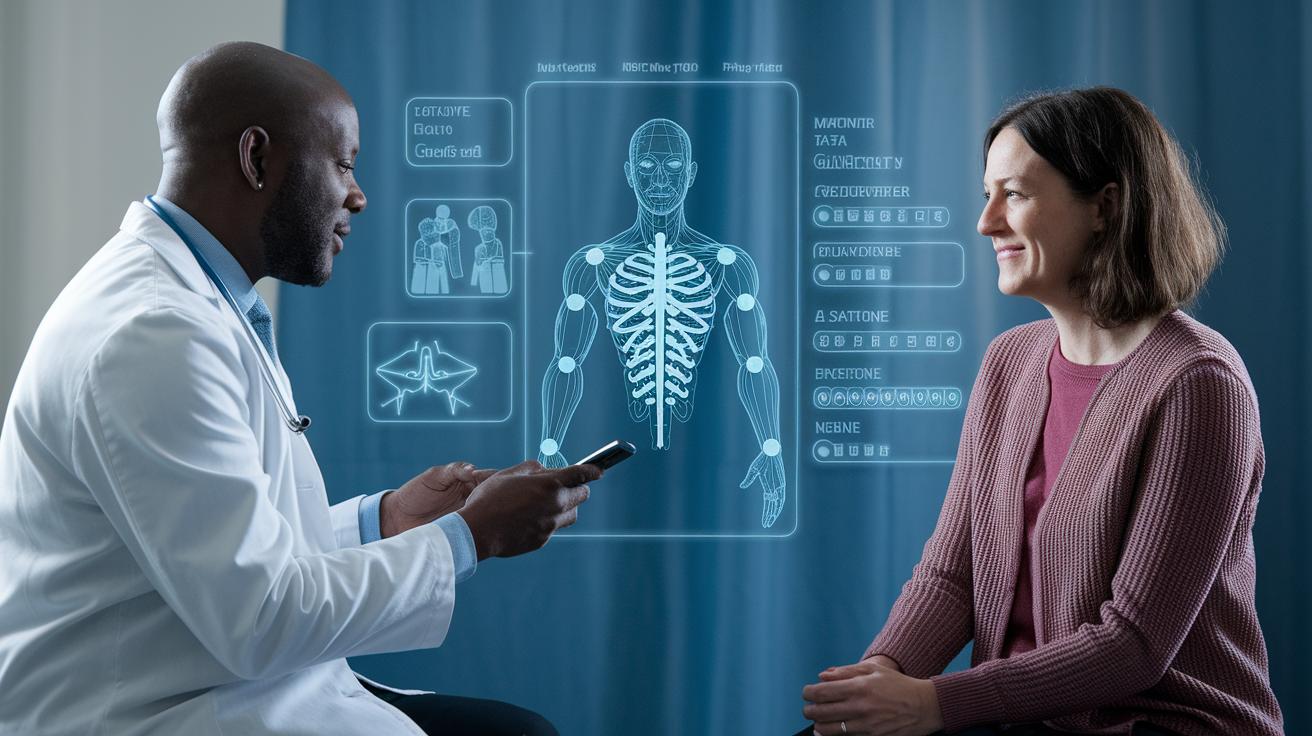
AI is changing how we do remote check-ups. Smart systems like AI triage and better remote monitors are making both video and phone calls smarter and faster. Soon, these tools will look at patient info in real time so doctors can decide quicker. Even a simple phone call could give insights we once only got from video chats.
Policy updates are coming, too. Right now, temporary telehealth waivers might become permanent. New platforms are being built to mix video, audio, and data on one screen, making it easier for everyone to connect, whether it’s through video or over the phone.
Doctors are also mixing different ways to care for you. They plan to use video, phone, and even messaging together, so care fits your needs perfectly. As more people use digital tools to manage their health, these changes could really transform remote healthcare for all.
Final Words
In the action of comparing service types, we explored how visual and audio interactions shape modern healthcare. We broke down topics from technology needs to cost design, patient satisfaction, and real-life use cases.
Our discussion on virtual consultation vs phone consultation in healthcare shows that both methods offer unique benefits. The future looks bright as emerging tech makes secure and personalized care even more reachable.
FAQ
What are the virtual consultation benefits?
Virtual consultation benefits include access to professional care from home, saving time on travel, and the convenience of a quick, secure online meeting with your health provider.
What is a virtual consultation doctor?
A virtual consultation doctor offers professional healthcare advice through video or audio calls, providing diagnoses, guidance, and follow-up care remotely.
What does a virtual consultation for plastic surgery involve?
A virtual consultation for plastic surgery involves a remote meeting with a specialist to discuss your procedure options, treatment plans, and expected outcomes before further in-person assessments.
How might a telehealth experience be therapeutic and supportive?
A telehealth experience can be therapeutic and supportive by offering prompt, compassionate communication that eases stress and provides timely health advice without an office visit.
What does an in person consultation mean?
An in person consultation means meeting face-to-face with a healthcare provider for hands-on examinations and direct interaction, offering a personal touch in care.
What are virtual consultations?
Virtual consultations are remote medical visits conducted via video or phone, enabling patients to receive health advice and follow-up care without visiting a clinic.
How does telehealth impact healthcare?
Telehealth impacts healthcare by improving access and convenience. It reduces travel needs and offers real-time guidance, helping patients manage their health more efficiently.
How do telemedicine and in-person care compare?
Telemedicine and in-person care differ by offering remote access and quick follow-ups through digital platforms, while in-person care features hands-on examinations and direct provider interactions.
Is telehealth the same as a phone consult?
Telehealth is not the same as a phone consult; it encompasses various digital methods like video calls and messaging, whereas a phone consult relies solely on voice communication.
What is the difference between telehealth and mobile health?
The difference between telehealth and mobile health is that telehealth includes a broad range of remote care services, while mobile health typically focuses on health management via smartphone apps and messaging.
What are the differences between an in-person consultation and a telehealth exam?
The differences between in-person consultations and telehealth exams lie in the level of hands-on examination, the technology used, and the convenience of remote interaction versus traditional visits.
What is a virtual consultation in medical terms?
A virtual consultation in medical terms is a real-time, remote interaction between a patient and a provider via video or phone, used for symptom evaluation, advice, and follow-up care.