
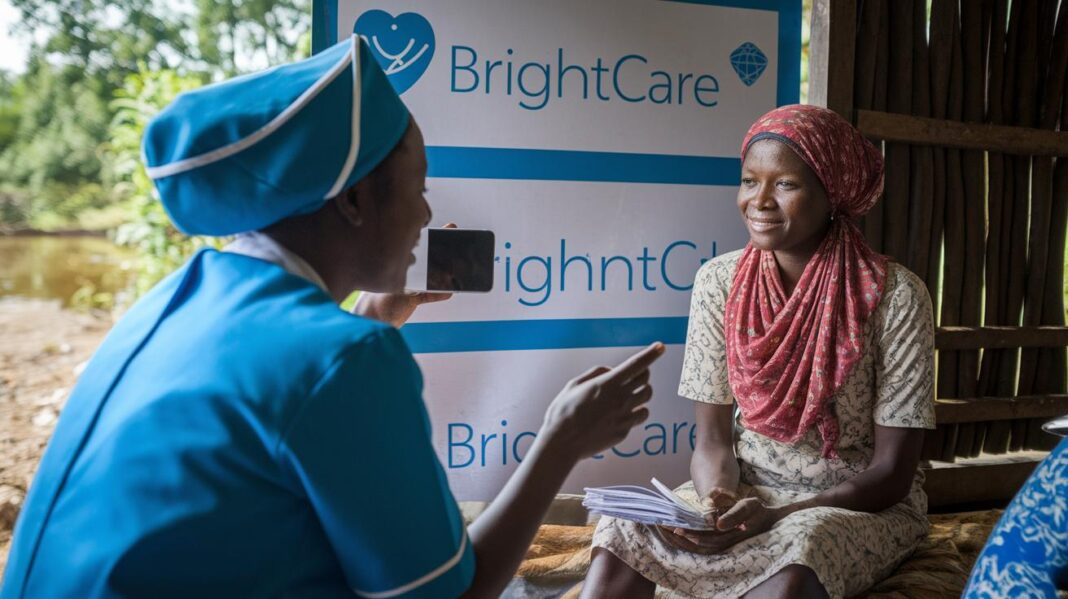

Ever wonder if folks in rural areas will ever get the top-notch healthcare they deserve? Over 60 million people in rural America face long, tiring drives just to see a doctor. It’s frustrating, isn’t it?
But here’s a bright twist. Mobile health is stepping in like a helpful friend. Telemedicine, which means talking with your doctor through your phone or computer, and remote monitoring, a way of keeping track of your health from afar, bring care right to your hands, even when fast internet is hard to find.
This approach is all about shrinking the distance between patients and providers. Instead of a lengthy trip, rural residents can now enjoy care closer to home. It’s like getting a little health boost with the gentle buzz of a reminder on your smartphone.
Bright Care is leading this new path, making healthcare more accessible and reliable for everyone.
Comprehensive Overview of mobile health solutions for rural communities
Over 60 million people in rural America, about one in five, face real challenges when it comes to getting healthcare. More than 100 rural hospitals closed between 2013 and 2020, which means many folks now have to drive up to an hour for a service that used to be just a ten-minute trip away. The struggle is even harder because these areas often have older residents and fewer doctors. And with many counties sporting more smartphones than even proper broadband, getting quality care from home is a real uphill battle.
Mobile health is stepping in to make a difference. Telemedicine apps let you chat with a doctor over video, remote monitoring helps keep track of your health from afar, and mobile clinics with portable devices bring diagnostics directly to your door. Think of it like this: one moment you’re checking your heart rate on your phone, and the next, you’re chatting with your doctor about how you feel. These tools work together to break down the distance barrier between patients and the care they need. For more details, check out what our mobile health solutions offer.
This article will guide you through the many ways mobile health is changing lives in rural areas. Next, we’ll explore how these tools work even in places with slow internet or no connection at all. Then we’ll take a closer look at the specific devices and tests that bring advanced medical care right to you. Finally, we’ll share real stories and discuss steady funding options that keep these essential services running for rural communities.
Overcoming connectivity challenges with telehealth in rural communities

Many rural homes struggle with poor internet. FCC reports say that nearly one in four lacks the broadband speeds needed for smooth video calls. Slow internet can break up important health chats and weaken the whole remote care experience. In some areas, weak signals and scant infrastructure mean that doctors have to try different workarounds. This makes it even more important to build systems that can work well even on older networks like 2G or 3G.
Designers have tackled these challenges with smart, practical fixes. Many telehealth tools now include offline modes and use data compression to keep things running smoothly. AI-powered symptom checkers can quickly review a patient’s condition, cutting down live-video time and saving data, all without needing a fast connection. Innovations like these show a genuine commitment to making virtual care accessible, no matter how slow the internet might be.
| Feature | Description |
|---|---|
| Offline functionality | Works even when internet is spotty. |
| Data compression | Reduces data use while keeping content clear. |
| AI-driven symptom checkers | Quickly assess patient needs, easing reliance on live video. |
| Adjustable video quality | Adapts to the current connection speed. |
| Secure cloud synchronization | Keeps patient data safe while syncing with cloud services. |
These design tweaks make telehealth more reliable and efficient, even for households with limited connectivity, and help bring quality care to every community.
Portable health technology and mobile diagnostics for rural communities
Mobile diagnostics are reshaping how folks in rural areas get the care they need. With new portable technology like Medpod’s handheld telediagnostic units, tests such as listening to heartbeats, ultrasound scans, and vital sign checks can happen right where patients are. These little yet powerful devices turn a smartphone into a mini clinic, meaning you get faster results and fewer trips to far-off hospitals.
| Device | Purpose | Impact |
|---|---|---|
| Smartphone ECG attachment | Helps keep track of your heart | 98% clinical accuracy |
| Portable ultrasound probe | Quick imaging on the spot | Cuts down patient transfers by 40% |
| Handheld spirometer | Tests lung function | Makes remote COPD care possible |
Cloud services now play a big role too. When these devices take a reading, the data is safely uploaded and added to a patient’s record over time. This means every heartbeat and breath test gets stored without extra hassle. With smart solutions like those from OurMobileHealth.com, even remote tests meet top quality standards, letting doctors quickly review past records and adjust treatment as needed.
Case studies of mobile health solutions improving rural care

Mayo Clinic Mobile Program
In four small towns in Minnesota, the Mayo Clinic Mobile Program brings specially equipped vans right to the doorsteps of patients. These vans offer everything from imaging and lab tests to consultations with specialists. Imagine getting quick, life-changing advice on a mobile clinic instead of spending hours in traffic to reach a hospital. This approach has boosted specialist access by 60 percent, showing how bringing care straight to people can make a big difference.
Project ECHO
Project ECHO connects local clinics with expert doctors using a simple videoconference setup. More than 10,000 clinicians join weekly sessions where they share ideas and learn new skills to handle tricky health issues. This team effort means that rural providers can offer top-notch care without the need for long travel, for both the patients and the professionals. For more details on these innovative methods, check out this overview.
Telepsychiatry Initiatives
Telepsychiatry pilots work closely with local health providers to deliver mental health support in rural areas. These efforts have shrunk the wait time for mental health visits from six long weeks to just three days. By merging remote check-ins with trusted community resources, these programs make counseling and care more reachable, especially when someone is in crisis.
Each of these examples shows that local teamwork and smart training can truly change rural healthcare. Mobile clinics, live video connections, and digital mental health services work together to build a strong, accessible care network that puts community well-being first.
Funding and cost-effectiveness of mobile health solutions in rural regions
Many rural mobile health projects kick off with startup costs ranging from $1 million to $10 million. They get most of their funding from federal health grants, state telehealth programs, and reliable organizations like the Leon Lowenstein Foundation. These funds help pay for mobile clinics, remote diagnosis tools (devices that let doctors check your health from a distance), and cloud-based services to keep patient records current. In short, this support brings real, quality care right where it's needed.
Reimbursement rules from Medicare, Medicaid, and private insurers now treat remote services the same as in-person visits. This equal pay makes it easier for providers to plan their budgets while offering more community-based virtual care options. Over time, matching payments to actual service costs makes these health solutions more affordable. Smart funding and cost checks are key for keeping these essential services available for rural families.
Final Words
In the action, this article offered a clear look at rural care challenges and how technology fills gaps. It discussed design tweaks for low-bandwidth areas and the impact of portable diagnostic tools. Real-world examples brought mobile use to life, while funding details showed potential paths forward. Mobile health solutions for rural communities help bridge care needs, making a secure, friendly space for managing health feel right at your fingertips.
FAQ
What are mobile health clinics in rural areas?
Mobile health clinics in rural areas bring healthcare services directly to communities by using vans equipped with diagnostic tools and treatment supplies. They help patients bypass long travels to reach care.
What do telehealth scholarly articles in rural areas focus on?
Telehealth scholarly articles in rural areas focus on how remote care bridges access gaps. They examine connectivity challenges and simple tech adjustments to maintain reliable services for underserved communities.
How do you implement telehealth in rural areas?
Implementing telehealth in rural areas involves adjusting tech for low bandwidth, training local staff, and securing funding. This strategy helps set up remote services that connect patients with essential care.
What are the benefits of telehealth in rural areas?
The benefits of telehealth in rural areas include reducing travel time, improving specialist access, and offering quick and timely care. It also supports mental health services and improves overall community well-being.
What are the disadvantages and barriers of telehealth in rural areas?
Disadvantages and barriers of telehealth in rural areas include limited broadband access, insufficient devices, and lower tech familiarity. These issues can hinder the smooth delivery of remote healthcare services.
How does telehealth support mental health in rural communities?
Telehealth supports mental health in rural communities by connecting patients with counselors via video or phone. It shortens wait times, improves accessibility to specialist care, and makes support more approachable.
How is telehealth featured in healthcare articles for rural care?
Telehealth is featured in healthcare articles to highlight mobile diagnostic tools and remote consultations that improve care in rural areas. These articles show how simple tech solutions can transform access to quality health services.