
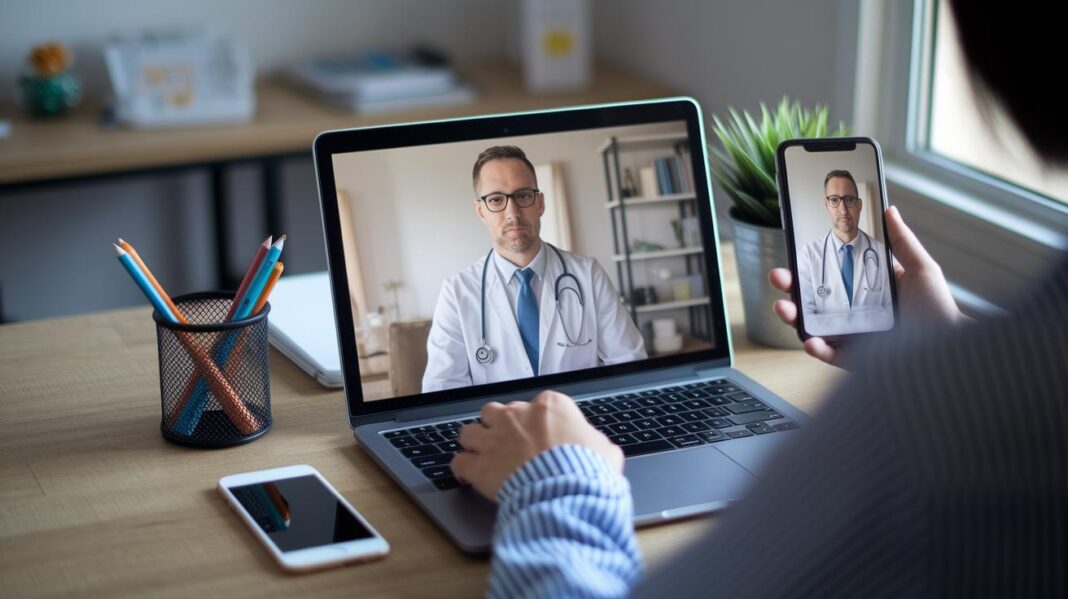

Have you ever considered chatting with your doctor over video instead of going in person? Imagine skipping the long drive, the crowded waiting room, and the hassle of finding parking, all while still getting expert advice. Sometimes, though, a hands-on check-up is the best choice when you really need it.
In this post, we take a friendly look at both ways of visiting your doctor. We'll share clear benefits and real-life stories to help you figure out which option fits best with your busy routine. Ultimately, it's about finding the approach that makes you feel secure and well in our fast-paced world.
Essential Comparison: Video Consultation vs In-Person Doctor Visits
Video consultations use video calls on your phone, computer, or tablet to handle routine check-ups, prescription refills, and follow-up questions. They save you the hassle of commuting and dealing with crowded waiting rooms. Plus, you skip parking fees and lower the risk of spreading germs, which is really helpful if you're busy or have mobility challenges.
In-person doctor visits give you that hands-on care. Your doctor can do physical exams, run tests like bloodwork or X-rays, and even perform small procedures right then and there. If you need a closer look, like checking for an abnormal lump or unusual heart sounds, there's nothing like being in the clinic. A video call might work for a mild cough, but a sudden injury or endless fever usually means it’s time to see your doctor face-to-face.
Both options come with their own perks. Video consultations cut out travel costs and reduce your exposure to germs, while in-person visits offer thorough, tactile evaluations when you really need them. In the end, the choice depends on your situation, balancing the ease of receiving care at home with the detailed attention you get in the clinic.
Accessibility and Convenience in Video Consultations vs Office Visits

Video visits let you skip the hassle of travel and long commutes. They remove waiting room delays and help solve issues like sorting out childcare, lack of transport, or living in a rural area. For instance, these appointments mean you can avoid parking nightmares and traffic jams, even when you’re juggling work and home duties.
Consider Alex, who manages both a full-time job and family responsibilities. Instead of battling through traffic, hunting for parking, or worrying about leaving the kids, Alex simply connects with a doctor from home. This smart choice saves time and keeps the conversation with the doctor focused and relaxed.
Cost and Insurance: Video Visits vs In-Person Appointments
Video visits often cost less since you don’t have to worry about expenses like driving, parking, or finding childcare. Most insurance plans now cover telehealth, so you might see fewer extra fees with a video call than with an office visit. It helps to check your insurance details so you know what copays or reimbursements to expect.
On the other hand, in-person visits can come with extra fees. You might pay more due to facility costs or charges based on the time you spend there. Plus, there can be costs for traveling and waiting. Knowing these differences can guide you to choose the best option for your health and wallet.
| Cost Factor | Video Visit | In-Person Appointment |
|---|---|---|
| Appointment Fee | Lower fee | Higher fee |
| Travel & Parking | No extra cost | Additional cost |
| Extra Service Fees | Minimal or none | Possible facility fees |
Understanding these cost factors can make it clear when a video consultation might be the right choice for routine check-ups or when an in-person visit is the better option for more detailed care.
video consultation vs in-person doctor visits: Smart choice

Video consultations offer a modern way to manage routine check-ups and ongoing health issues. They work by letting your health stats, like blood pressure or sugar levels, get shared with your doctor in real time. And while video calls make things simple and quick, nothing beats the personal touch you get during an in-person visit. I mean, have you ever noticed how a quick video call can really brighten your day by saving time?
Both video and clinic visits aim to provide top-notch care. With telehealth, a doctor can review remote monitoring data and discuss your symptoms. On the other hand, when you go to the clinic, the doctor can check how you feel by touching, listening, and even running diagnostic tests on the spot.
Physical Examination Capabilities
In a face-to-face visit, doctors can do a full check-up. They might poke gently to feel for any irregularities, listen to your heart and lungs, and even look at lab tests or imaging quickly. These hands-on techniques can spot small signs that might not show up on a screen.
When chatting over video, doctors still look over your symptoms. They can ask you to move or show them areas that look a bit off, like a rash. But the camera just can’t capture the subtle details that a doctor’s hand or ear might pick up. In truth, video visits work best for simple cases or regular checks, while more complicated issues might need a real-life appointment.
Remote Monitoring Integration
One cool thing about video consultations is how they blend with data from wearables and home tools. Imagine your smartwatch sharing your heart rate or your home device sending up blood pressure details instantly. This live flow of info gives your doctor a bigger picture of how you’re doing day-to-day.
By lining up these remote updates with regular check-ups, doctors can tweak your treatment faster. It’s a smart mix that takes the ease of telehealth and the detailed care of visits to the clinic, giving you the best of both worlds.
Safety Benefits: Reducing Infection Risk with Video Consultations
Video visits help you avoid crowded waiting rooms and cut down on your exposure to germs from other people. When COVID hit, many clinics saw more infections and quickly switched to video consultations. This change was a relief for people with weak immune systems, because staying at home means fewer close contacts with potentially sick individuals. It’s like dodging a flu outbreak in a busy room, you remove one risky factor by choosing a remote session.
Staying home for your appointment also lowers your chances of catching seasonal viruses during flu season. In real-life cases, folks who used video visits reported staying healthier compared to those who went to in-person appointments during pandemic peaks. This extra layer of safety from e-consultations has built trust in remote care, making it a smart choice for many high-risk individuals.
Technology Requirements for Successful Video Consultations

When you're getting ready for a video consultation, having the right tech set up can make all the difference. You need a steady internet connection, a device with a working camera and microphone, and a quiet place to talk. These basics help you and your doctor share health details in real time, just as if you were in the same room. Sometimes, tech issues like glitches or a slow connection might slow things down, or you might not be too familiar with the platform. That can lead to missed hints or delays in getting help. Really.
Taking a few extra minutes to check everything out beforehand means fewer interruptions and better communication during your appointment. Here are some simple tips to ensure your tech is ready:
- Device Checks: Make sure your device’s camera and microphone work well.
- Testing Audio/Video: Do a short test call before your appointment.
- Lighting: Arrange for even lighting so your face is clear.
- Secure Network: Use a reliable and trusted internet connection.
- Backup Phone Line: Keep another way to connect in case you run into issues.
Selecting Between Video Consultation and In-Person Doctor Visits: Key Scenarios
Imagine you're feeling a little under the weather, maybe with a mild cold or a small skin issue. Video consultations work well for these everyday concerns. Take Jamie, for example. Jamie has a slight cough and a small rash. With a video call, Jamie gets a quick check-up from a doctor without the need to leave home. Experts say that simple, non-urgent issues are perfect for video visits because they save time and keep care easily accessible.
Now, picture someone dealing with new and worrisome symptoms. Think of Alex, who has a minor injury that causes swelling and persistent pain. In cases like this, seeing a doctor in person is really important. Medical professionals explain that when new, concerning symptoms arise, a face-to-face visit is best to allow for a thorough examination and any needed tests.
Then there are follow-up visits. Consider Taylor, who already had an in-office check-up for a recurring issue. Once the initial diagnosis is done, a video follow-up can be a simple way to monitor progress and adjust treatment. Experts often recommend this mix of video and in-person visits to maintain good care without the hassle of frequent trips to the doctor.
Final Words
In the action of weighing options, we explored video consultation vs in-person doctor visits and found clear insights on convenience, cost, and clinical care. We compared digital visits that work well for routine checks with face-to-face appointments that offer hands-on exams. The article highlighted safety benefits and simple tech tips, making everyday health decisions feel smoother and more secure. This balanced view invites you to embrace both methods confidently while staying connected to trusted healthcare experts. Here's to a clearer, more positive approach to managing your health.
FAQ
How do costs compare for telehealth vs in-person appointments?
The cost comparison shows that virtual visits typically cost less than office visits because they eliminate travel, parking, and sometimes even higher facility fees. Many doctors charge lower fees for video consultations.
What do online communities say about telehealth versus in-person care?
The discussion indicates that many online users appreciate telehealth’s convenience and lower costs. They share experiences where virtual visits worked well for routine care while noting some conditions still may require in-person assessment.
What do Health Partners Telehealth billing guidelines specify?
The billing guidelines explain the charges for virtual care, including session fees and insurance copays. They offer clear details on how telehealth services are billed, helping patients know their financial responsibility.
Can telehealth serve as an alternative when searching for urgent care near me?
The answer explains that while urgent care clinics provide essential in-person care, telehealth can offer quick virtual consultations for non-life-threatening issues, letting you decide based on your immediate health needs.
How might a telehealth experience be therapeutic and supportive?
The experience is seen as therapeutic because it removes the stress of travel and long waiting times while providing timely reassurance. Patients can connect with clinicians from the comfort of home.
What is the difference between telehealth and telemedicine?
The distinction is that telehealth broadly covers all digital health services, including wellness and therapy, while telemedicine focuses specifically on remote clinical services provided by healthcare professionals.
Is a virtual appointment as effective as an in-person visit?
The assessment shows that virtual appointments work well for routine check-ups and follow-ups. However, complex diagnoses or conditions needing hands-on exams typically benefit from in-person visits.
Is a virtual doctor visit worth it?
The value lies in convenience, lower costs, and time saved, making video consultations a smart choice for routine care and follow-ups when a physical exam isn’t necessary.
When is it appropriate to use telemedicine instead of an in-person visit?
The guidance suggests using telemedicine for non-urgent issues like prescription refills or routine check-ups, while in-person visits are preferable for new or severe symptoms requiring physical assessments.