


Ever wonder if your phone might soon take care of your health? Clever health tech startups are mixing today’s modern tools with solid medical know-how to make taking care of yourself easier. They build smart devices that check your heart rate and create simple apps so you can chat with your doctor from home.
In this article, we’re looking at how these companies are making healthcare friendlier, faster, and more reachable. It’s pretty amazing how a tiny gadget can lead to big changes in how we stay healthy.
health tech startup fundamentals: definition, scope, and impact
Health tech startups are companies that create digital tools to make healthcare easier and more personal. They mix modern tech with sound medical expertise to help patients. Think about a smartwatch that keeps an eye on your heart rate and gently buzzes at night if something seems off. It’s like having a friendly reminder right on your wrist.
These startups work a bit differently than your regular doctor's office. They use digital tools to make care simpler. Many offer telemedicine services so you can talk to your doctor from home. Others use wearable devices that track your health in real time or software that breaks down complex medical info into simple care advice.
The world of health tech is huge. For instance, a Global Startup Map shows more than 18,100 companies, with health tech making up 9.4% of them. This means more people, no matter where they are, can get fast medical advice when needed.
Health tech startups also spark innovation in healthcare. They encourage creative ideas and support new ways to solve problems. By putting everyday tools to work in managing health, these companies make it easier for patients to stay on top of their well-being. In truth, they help improve overall care and open doors to exciting digital health advances.
technology innovations driving health tech startups
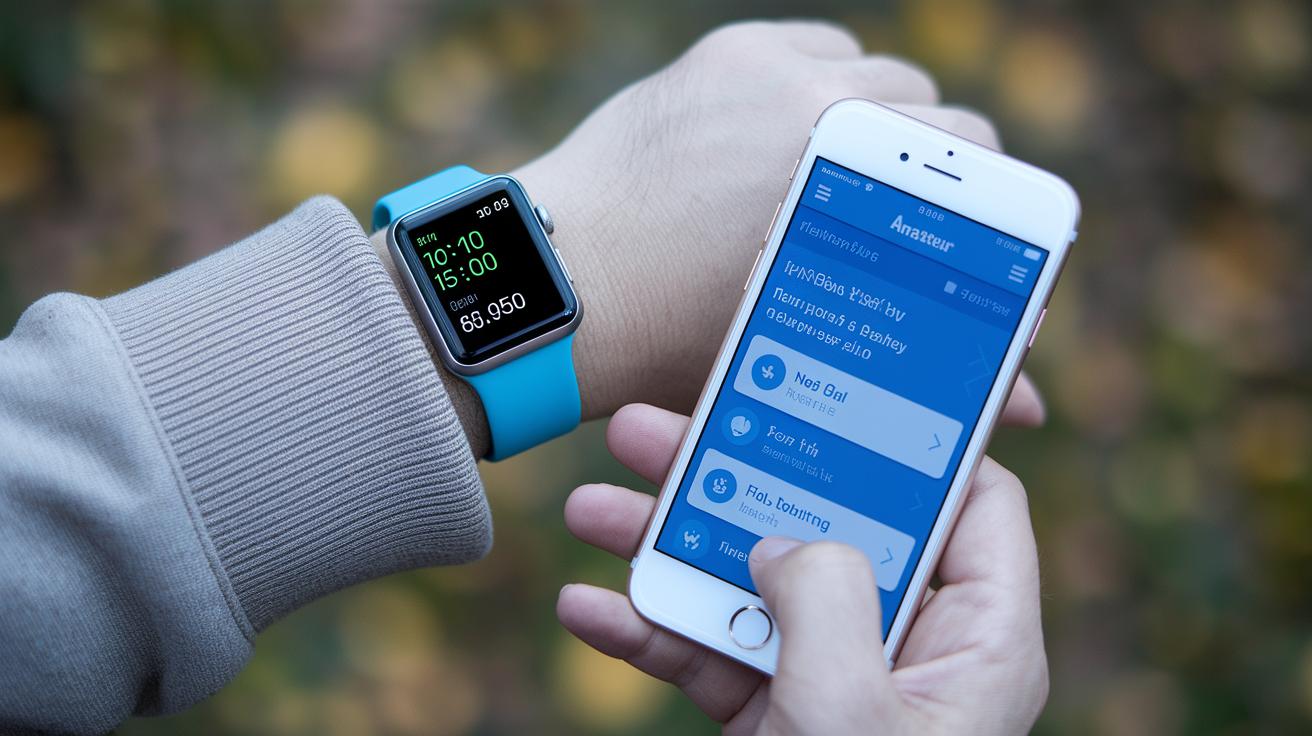
Modern health tech startups are blending clever technology with easy-to-use digital tools. They’re reshaping how people connect with their health care. Think of a smartwatch or a biosensor that keeps track of your pulse in real time and gives you a soft nudge if something feels off. Imagine your watch giving you a gentle buzz at night, quietly reminding you to take a deep breath when your heart speeds up.
Telemedicine is making waves too. Now, you can have a chat with your doctor over an app without waiting around or making a long trip. Picture grabbing a cup of coffee in the morning, opening your phone, and quickly checking in with your health care provider. It’s like having your doctor right there with you.
AI-powered diagnostics add another amazing twist. These smart systems look at lots of health data and pick out early warning signs of illness. It’s kind of like having a digital assistant that sorts through your medical records to spot issues before they turn serious. And really, who wouldn’t appreciate a bit of extra help looking out for their health?
Biotechnology is pushing everything even further. Treatments like gene therapy and plans tailored to your own genetics are making care more personal. Recent breakthroughs in weight-loss drugs, like Ozempic and Wegovy, offer new ways to treat patients more precisely. And with exciting studies like Neuralink’s human trials, we’re just scratching the surface on how tech can work hand in hand with our bodies.
Altogether, these innovations aren’t just updating health care, they’re transforming it into a system that’s easier and friendlier for everyone. With wearable devices, telemedicine, smart diagnostics, and biotech all working together, the future of digital health looks bright and full of new possibilities.
funding landscape & investment trends for health tech startups
Health tech startups are catching a lot of attention even in tough times. Over the past nine months, 20 startups have pulled in more than $2 billion. That money isn’t just cash, it shows how much faith investors have in digital medicine. Just think about your favorite health app and imagine knowing that the company behind it has a big financial boost to keep improving patient care.
Some companies are standing out as real game-changers. For example, Medi Builder raised about $343 million, Doctolib got around $815 million, Ro reached a $1 billion valuation, and Devoted Health topped the list with $2.1 billion. It’s clear that investors are putting their money where big problems like mental health can really use a helping hand. With 1 in 5 adults dealing with mental illness, nearly everyone has felt the weight of this crisis.
Investors are also showing strong interest in value-based care models. This means they’re betting on systems that aim to win for patients, providers, and payers alike. By focusing on improving outcomes, these models try to create a win-win situation for everyone involved. Yet, as seen with companies like Olive and Forward Health, sustainable growth is key. It reminds us that balancing bright ideas with smart financial strategies is crucial for long-term success in digital medicine.
Regulatory considerations & market entry for health tech startups

Health tech startups need to navigate some strict rules before they can launch their products. Think of it like preparing for a school play, every detail must be just right. For instance, Neuralink’s FDA-approved human trials in 2023 showed us that safety is always top of mind. When a startup plans to introduce new AI tools, the FDA must first check that these tools are safe and effective. It’s like testing a digital assistant to ensure it reviews medical data accurately without causing harm.
Telemedicine platforms also have a lot on their plate. They face challenges like dealing with licenses across different regions and making sure patient information stays private (similar to privacy rules we know from HIPAA). Imagine chatting with your doctor via an app that carefully guards your details, safe and secure, much like how you would lock up your favorite toy.
Startups also need to set aside extra money for following these rules. Cases like Olive and Forward Health remind us that even well-funded companies can face big hurdles if they overlook regulatory needs. Some of the key challenges include:
- Meeting the FDA standards for new and innovative products
- Following data privacy rules that work across borders
- Handling licensing issues for telemedicine services
Taking these challenges seriously from the start can really save time and money. It might seem tricky at first, but handling these legal details is essential for paving a smooth road into the busy world of digital care.
health tech startup ecosystem: remote work & distribution models
Health tech startups are changing the way care is given by embracing remote work. Firms like Calm, Garner Health, hims & hers, Kyruus Health, and Doximity run their business without a physical office. They can find talent from anywhere, lower extra costs, and keep digital care running 24/7. This spread-out team style brings together different time zones and cultures to spark fresh ideas.
Remote work adds a special beat to digital health innovation. Imagine a developer saying, "I logged in from my cozy home office, joined a brainstorming chat with teammates on the other side of the world, and felt connected even though we were far apart." This little story shows how teams can stay nimble and use lean startup ideas. By leaving behind the old office setup, startups can speed up product ideas and get new care solutions out faster.
Working from anywhere also fuels creativity in a way that a single office might not. It lets health tech companies grow smartly while keeping costs low. With these flexible work models, fresh ideas in digital health not only bloom but also open doors to diverse career paths in an ever-changing world of healthcare.
case studies of leading health tech startups and unicorns

These companies are known not only for their strong funding but also for creative ways to solve market problems and offer health solutions. Medi Builder quickly uses patient feedback to update its software. One clinician said after an update, "The new dashboard made my day easier than ever by highlighting key patient alerts."
Doctolib makes scheduling and virtual care feel smooth and easy. Their team focuses on improving the user interface so that wait times are shortened. Even small design changes here can make a big difference for patients.
Ro puts users first in telemedicine by tailoring its technology to meet strict rules. A startup leader once mentioned, "Our strategy is to listen to our users first and let that guide every technological shift."
Devoted Health shows how traditional health care can be modernized with quick, informed decisions from its leaders. Their system uses flexible care paths that adjust as patients provide real-time input.
| Startup | Operational Strategy | Market Challenge |
|---|---|---|
| Medi Builder | Quickly using patient feedback for updates | Keeping tech fast yet personal |
| Doctolib | Smooth appointment and virtual care processes | Handling high user demand |
| Ro | Design that listens to users in telemedicine | Meeting strict regulatory standards |
| Devoted Health | Leaders using agile methods to improve care | Modernizing old care models |
This section shows how these startups drive new ideas through smart decisions, strong leadership, and flexible technology in the fast-changing world of digital health.
emerging trends & future outlook for health tech startups
Health tech startups are changing how we get care with fresh ideas and smart technology. For instance, telehealth pharmacies and models that focus on value-based care are reshaping the way services are delivered and paid for. Imagine a service where a pharmacy comes straight to your door, refilling your prescriptions and even connecting with your doctor.
AI tools now act like trusted helpers by taking over routine tasks, so clinicians can listen more and worry less about paperwork. It’s like having a buddy who goes through lots of data to catch problems early. Meanwhile, mental health platforms are growing fast. Digital therapy and wellness apps offer real-time support. One user said, "Using an app feels like talking to a friend who understands the rough days."
Innovations in gene therapy, personalized medicine, and wearable diagnostics are also on the rise. These breakthroughs aim to make care feel more personal and proactive, kind of like a gentle alert on your phone guiding you towards better health.
For startups to keep moving forward, they need to mix bold, new ideas with proven strategies. Next, focus on digital transformation in patient care, cut down on administrative tasks with technology, and build long-lasting programs that encourage continuous innovation.
Smart planning is key. Entrepreneurs should dive into detailed health care market research to stay ahead in this fast-changing field.
Final Words
In the action, we explored the fundamentals that make a successful health tech startup. We touched on how digital care tools, remote work setups, and robust investment strategies come together for a smooth ride in healthcare technology entrepreneurship. The discussion highlighted innovative products like wearables and telemedicine while stressing regulatory care and sustainability. Every part of the ecosystem adds to a future where accessible digital health transforms care. It feels good knowing that these smart ideas keep pushing us toward a brighter, healthier world.
FAQ
What is a health tech startup?
The term “health tech startup” refers to a new company using digital tools to improve patient care and streamline services. Their work often includes wearables, telemedicine, and AI diagnostics.
How do you start a health tech startup?
Starting a health tech startup means identifying a clear healthcare problem, building a digital solution, and preparing a strategic plan to attract funding while complying with health regulations.
What is the easiest healthcare business to start?
The easiest healthcare business to start is often one that centers on digital services, such as telehealth or health tracking apps, which require minimal physical assets and focus on meeting customer needs.
How can I get started in healthcare tech?
Getting started in healthcare tech involves learning basic industry concepts, gaining technical skills, and seeking entry-level roles in digital health companies to build real-world experience in patient care innovation.
What kinds of jobs do health tech startups offer?
Health tech startups offer jobs in software development, data analysis, clinical informatics, customer support, and regulatory compliance, providing opportunities to influence the future of digital health.
Which are the fastest growing health tech companies?
Fast-growing health tech companies excel at integrating telemedicine, wearable technology, and AI into their services, rapidly enhancing patient care and making important strides in efficiency.
Who are some of the top health tech startups?
Top health tech startups focus on delivering cutting-edge digital solutions, from telehealth platforms to AI-driven diagnostic tools, all aimed at improving patient outcomes and modernizing care delivery.
What are early-stage healthcare startups?
Early-stage healthcare startups are young companies in digital health that focus on product development and market entry, often refining innovative ideas with limited resources at their initial phases.
What is notable about health tech startups in the USA?
Health tech startups in the USA are notable for their rapid adoption of digital platforms, strong funding support, and diverse innovations ranging from telemedicine to wearable devices that drive modern healthcare forward.
What are some innovative healthcare startup ideas?
Innovative healthcare startup ideas include telehealth platforms, wearable health trackers, AI-powered diagnostic tools, and personalized care apps designed to make healthcare more accessible and patient-friendly.
How is health tech startup funding secured?
Health tech startup funding is secured through a mix of venture capital, angel investments, and strategic partnerships, all supporting innovations that promise to improve patient outcomes and optimize care delivery.
What distinguishes top healthcare startups?
Top healthcare startups are distinguished by their ability to deliver fresh digital solutions, scale operations efficiently, and maintain a strong focus on patient-centered care, altogether reshaping how medical services are offered.