


Have you ever thought that a simple device might change how your doctor looks after you? Remote patient monitoring uses smart tools that keep track of your health as you go about your day, giving quick updates right from your home. This way, your doctor can notice small changes early and help keep you safe. It also means fewer trips to the office while still making your care feel personal and thoughtful. In truth, this technology is opening up a new, faster path to better support for everyone.
remote patient monitoring technology Improves Patient Care
Continuous remote monitoring uses smart devices that keep track of your vital signs like blood pressure, blood sugar, and oxygen levels all day, even when you’re relaxing at home. It works by sending real-time updates to your healthcare team so they can catch any changes early and stop problems before they grow. Think of it like getting a friendly nudge from your phone telling you that your health is on track.
Key tools in this approach include digital blood pressure cuffs, glucometers, and pulse oximeters. These wireless devices collect data non-stop and send it to a digital health platform for a quick review. With IoT sensors (that’s a way for devices to talk to each other), even wearable gadgets give spot-on readings. This smooth flow of information means your doctor can check on you remotely, cutting down on unnecessary visits while still keeping an eye on your well-being.
Right now, around 50 million patients in the U.S. are enjoying the benefits of remote monitoring. And guess what? The market for these devices is expected to skyrocket from $50.39 billion in 2024 to $203.68 billion by 2032, growing at an annual rate of 19.1%. North America leads with nearly half of this market share. All of this points to a major change in the way patients and providers connect, making care more continuous and real-time for everyone.
Core Components and Devices in Remote Patient Monitoring Technology
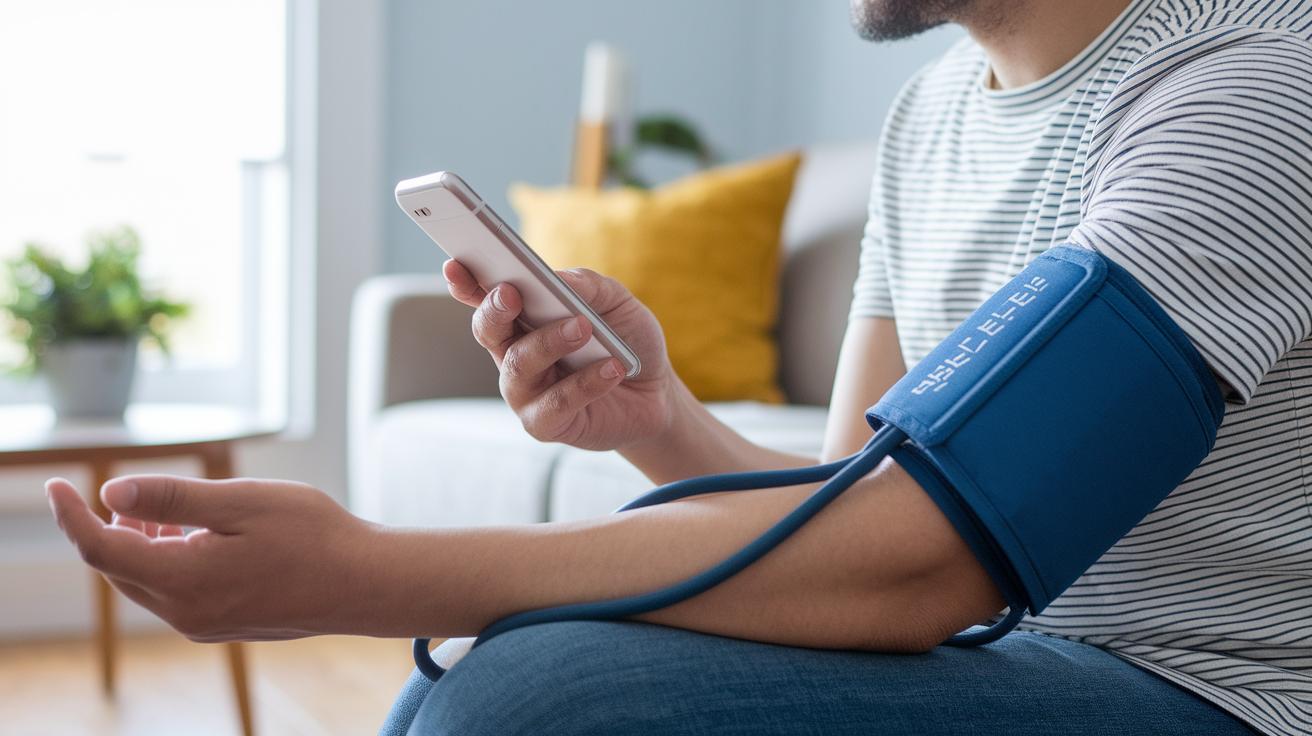
Single-parameter devices are at the heart of remote tracking. They focus on one health measure at a time, so you get clear, specific info. For example, digital blood pressure cuffs give reliable systolic and diastolic readings. Glucometers like the Dexcom G6 and Abbott FreeStyle Libre help you keep an eye on your blood sugar. Plus, pulse oximeters quickly spot changes in oxygen levels, and ECG monitors capture the details of your heart's rhythm. With FDA-approved devices, you can trust the accuracy of your data. And now with FDA-cleared wearable sensors in health tech, you can get health updates on the go without any hassle.
Multi-parameter devices take remote tracking up a notch. They combine several vital checks, like blood pressure, temperature, oxygen saturation, and heart rate, into one easy-to-use tool. Smart weight scales even auto-sync your changes directly to your health platform, so your information stays current and useful. All of this merged data fits right into a larger healthcare system, just like the insights from modern biometric sensors. In short, these tools create a smooth, connected care environment that makes managing your health easier than ever.
Clinical Applications of Remote Patient Monitoring Technology
Remote patient monitoring uses smart devices that let patients check their vital signs at home. It gives doctors near real-time information so they can quickly adjust treatment and help avoid problems. This modern way of keeping an eye on health makes managing long-term conditions easier for both patients and clinicians.
For example, after heart procedures, patients use tools like blood pressure cuffs, ECG patches, and smart scales to track their recovery. This lets doctors fine-tune medications and care plans as needed.
In rural areas, people with diabetes benefit from continuous glucose monitors. These devices offer quick blood sugar readings, so patients can take charge of their health even when far from big hospitals.
Those living with breathing issues, such as COPD, can use chest sensors and spirometers to check lung function. Early signs of trouble, like changes in breathing, alert health teams right away.
During cancer recovery, temperature tracking devices spot small shifts that could signal a fever linked to low white blood cell counts. This early warning helps doctors step in before serious infections develop.
New mothers in high-risk situations can also feel safer. Continuous monitoring of blood pressure and heart activity makes it easier for clinicians to keep a close watch during a delicate time.
Overall, remote patient monitoring makes daily care simpler and more proactive. It not only builds patient confidence by providing timely alerts but also lightens the load for healthcare teams by cutting down on hospital returns and emergencies.
Regulatory and Reimbursement Landscape for Remote Patient Monitoring Technology
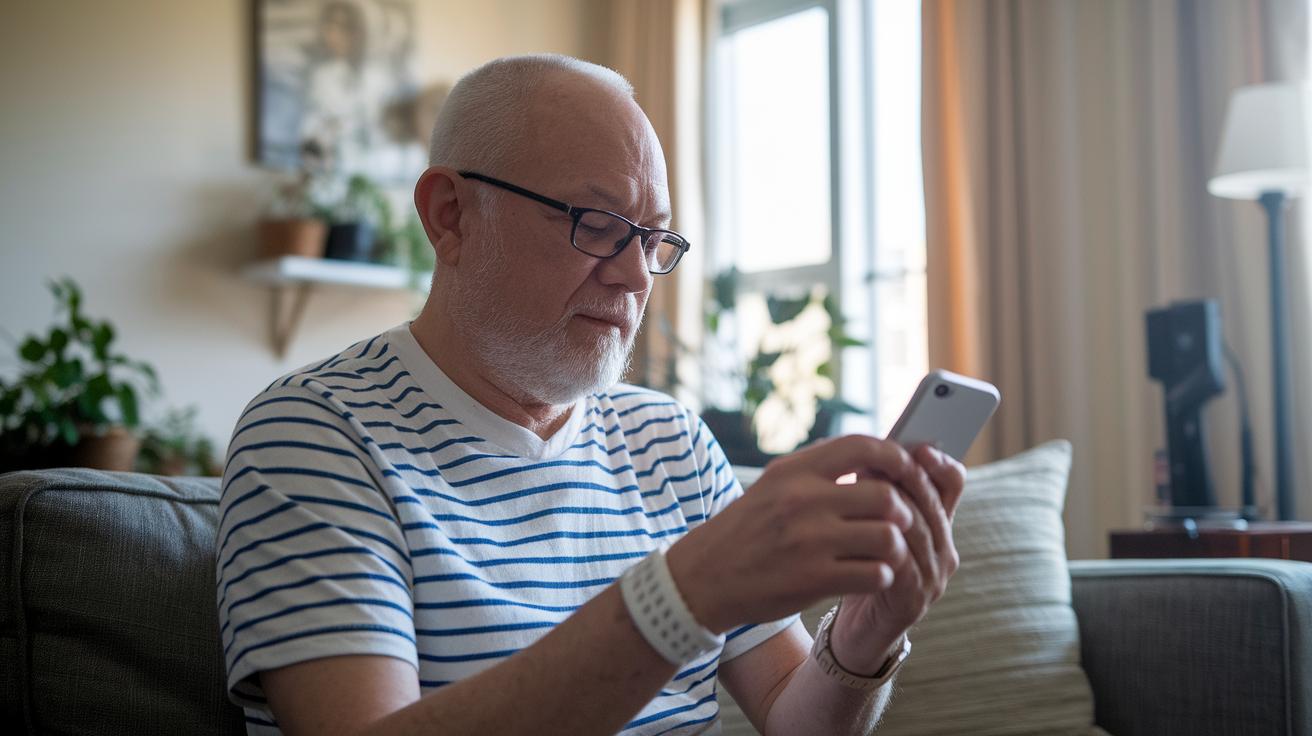
Medicare supports remote patient monitoring using codes like 99453, 99454, 99457, 99458, and 99091. These codes help cover the costs of setting up the devices and keeping track of the data they collect. In simple terms, this system lets healthcare providers bill correctly and keep remote care affordable.
For 2024-2025, CMS has updated the guidelines to clearly spell out the billing rules and reimbursement rates for these services. This means there's now a clear idea of how much money providers can expect and what kind of paperwork is needed. Following these new rules can make record keeping easier, speed up claim approvals, and create a more transparent billing process.
It’s really important for providers to stick to federal monitoring regulations. Doing so not only protects patients' information but also helps avoid claim delays and rejections. By following these rules, healthcare teams build trust with their patients and lower the risk of audits, ensuring digital care meets all required standards.
Best Practices and Implementation Strategies for Remote Patient Monitoring Technology
Good RPM programs depend on a smooth link between your health devices and electronic records. Cloud systems deliver data safely from wireless gadgets right into patient files so doctors can see updates instantly. This mix of connected tools makes care simpler and helps manage long-term conditions easily.
Patient involvement is key in remote care. In-app alerts and short educational bits keep patients on track with their plans. Studies even show that 88% of users stick with treatment when these tools are used. Plus, regular training and technical support help both care teams and patients get the most out of these systems.
For effective RPM deployment, try these best practices:
- Use trusted cloud platforms to connect devices with health records so data flows easy and smooth.
- Offer patient engagement tools like alerts, quick tips, and virtual support to boost adherence.
- Supply ongoing tech support and regular training so everyone can use the system with confidence.
- Rely on central patient management portals for round-the-clock monitoring and instant health alerts, ensuring timely care when needed.
Overall, these ideas help teams work better together and make care smoother. Adopting them creates a complete care approach and shows that remote monitoring is a practical, effective tool for managing health outside the clinic.
Challenges and Security Considerations in Remote Patient Monitoring Technology
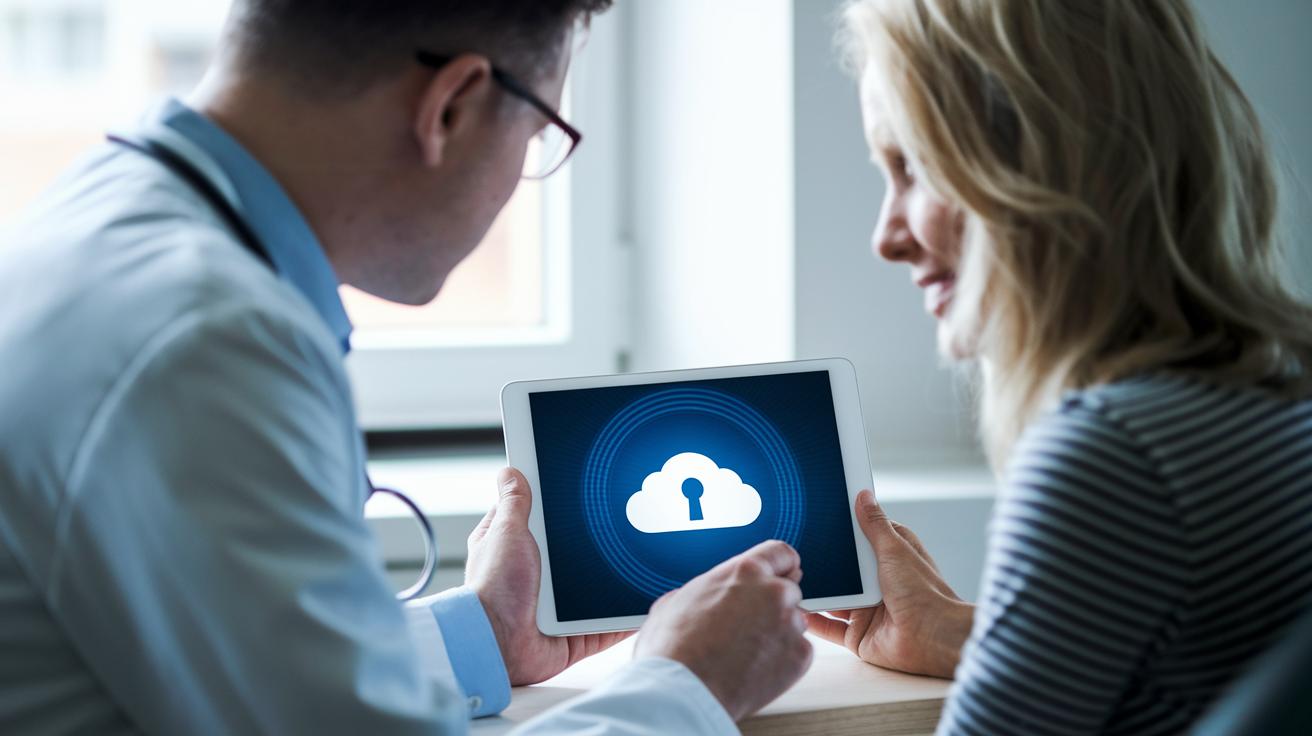
Digital data security is essential for keeping remote patient monitoring safe. We use strong tools like encryption to lock up sensitive information and secure transfer protocols that stop unauthorized folks from seeing your data. Imagine your data resting in a safe place in the cloud and traveling through encrypted channels, it all works together to lower the risk of breaches and privacy issues. With digital exchanges happening all the time between devices and providers, these steps are key to protecting patient details and keeping trust strong.
Connectivity issues can be a real headache in remote patient monitoring. Cellular and Bluetooth connections sometimes drop or get disrupted, which can mean delays or even mixed-up health data. This can interrupt the flow of real-time information, making it tougher for clinicians to act quickly. To tackle these problems, regular updates, backup transmission methods, and routine tech checks help keep data flowing smoothly so that important health readings are steady and reliable.
Keeping up with regulations is another challenge in this space. Following laws like HIPAA (which protect patient information) isn't optional, it’s a must. Providers need to tweak and adjust their systems as regulations change. This careful approach not only reduces legal risks but also boosts patient confidence, making sure that remote monitoring stays secure and trustworthy.
Market Trends and Leading Providers in Remote Patient Monitoring Technology
Remote patient monitoring is shaking up healthcare by making care more efficient and saving lots of money. For example, some chronic care programs have saved around $2.3 million in just one year by cutting down on hospital readmissions and boosting home care. It’s pretty amazing how these savings are fueling a global shift toward smarter, tech-driven health solutions.
Imagine a world where your health is watched over through smart devices and real-time data. That’s what’s happening now, as the trend pushes us toward innovative IoT solutions that not only improve patient care but also make a big economic difference.
| Provider | Technology Focus | Key Recognition |
|---|---|---|
| Medtronic Care Solutions | Integrated patient monitoring systems | Leading industry performance |
| Biofourmis | Predictive analytics and wearable sensors | Innovative patient care tools |
| Lightbeam Deviceless Solutions | Remote monitoring without traditional devices | Disruptive approach |
| HRS | Comprehensive remote care platforms | Best in KLAS for four consecutive years |
This table highlights some of the top players in the remote monitoring game. They each bring their own twist, whether it’s a full-on integrated system, predictive tech with wearable sensors, or even monitoring without any bulky devices. All of these approaches are shaking up traditional care, making it simpler and more effective for everyone involved.
Final Words
In the action, remote patient monitoring technology is turning the tide in healthcare by connecting patients and providers in real time. The blog showed how embracing smart devices, accurate sensors, and strong support creates safer care even at home.
Clear insights from clinical applications and secure practices make digital health a friendly companion. Every improvement here means a step forward for accessible and secure health management. Bright prospects bring hope and smoother care for all.
FAQ
What remote patient monitoring companies are notable?
Remote patient monitoring companies are organizations that develop and offer digital systems to track patient health outside traditional settings. They partner with healthcare providers to improve monitoring and care coordination.
What are common examples of remote patient monitoring devices?
Remote patient monitoring devices include FDA-approved, wearable sensors such as digital blood pressure cuffs, glucometers, and pulse oximeters. These devices record vital signs and securely transmit real-time data to healthcare systems.
How does remote patient monitoring work?
Remote patient monitoring works by using wireless devices to record health data like blood pressure and oxygen saturation. This information is sent securely to clinicians’ platforms, allowing for continuous oversight of patient health.
What is remote patient monitoring software?
Remote patient monitoring software is digital health monitoring software that collects and analyzes patient data from connected devices. It helps clinicians spot health changes early, manage care plans, and maintain efficient patient oversight.
What are the benefits of remote patient monitoring?
The benefits of remote patient monitoring include continuous health tracking, earlier detection of issues, improved management of chronic conditions, and smoother communication between patients and providers, leading to better overall care.
What is remote patient monitoring technology and what tech does it use?
Remote patient monitoring technology uses IoT-based sensors and wireless health devices to capture real-time data. It employs tools like ECG monitors and glucometers along with digital platforms for secure and continuous patient care.
What is the most popular remote patient monitoring option?
The most popular remote patient monitoring option features an integrated system that combines wearable devices with a robust digital platform, offering user-friendly and reliable tracking that fits well into modern healthcare practices.
Is remote patient monitoring considered telehealth?
Remote patient monitoring is considered part of telehealth. It extends health services beyond the clinic by using technology to monitor patients remotely, which supports broader telehealth initiatives and enhances care delivery.
What remote patient monitoring jobs are available?
Remote patient monitoring jobs include roles in technology development, data management, clinical operations, and technical support. Professionals in these positions work on enhancing digital systems, ensuring reliable device connectivity, and improving patient care outcomes.