


Have you ever wondered if your private details are really safe online? In our busy digital world, information moves fast, and it’s easy to lose track of what stays private.
Think of privacy as your power to choose who sees your information, while confidentiality is like a sturdy safe that keeps your data secure. It’s like having a trusted friend who locks away your secrets.
Today, we’re diving into how these two ideas come together to make handling your sensitive details simple and clear. And really, isn’t it important to know your information is protected every day?
Foundations of Privacy and Confidentiality in Sensitive Data Handling
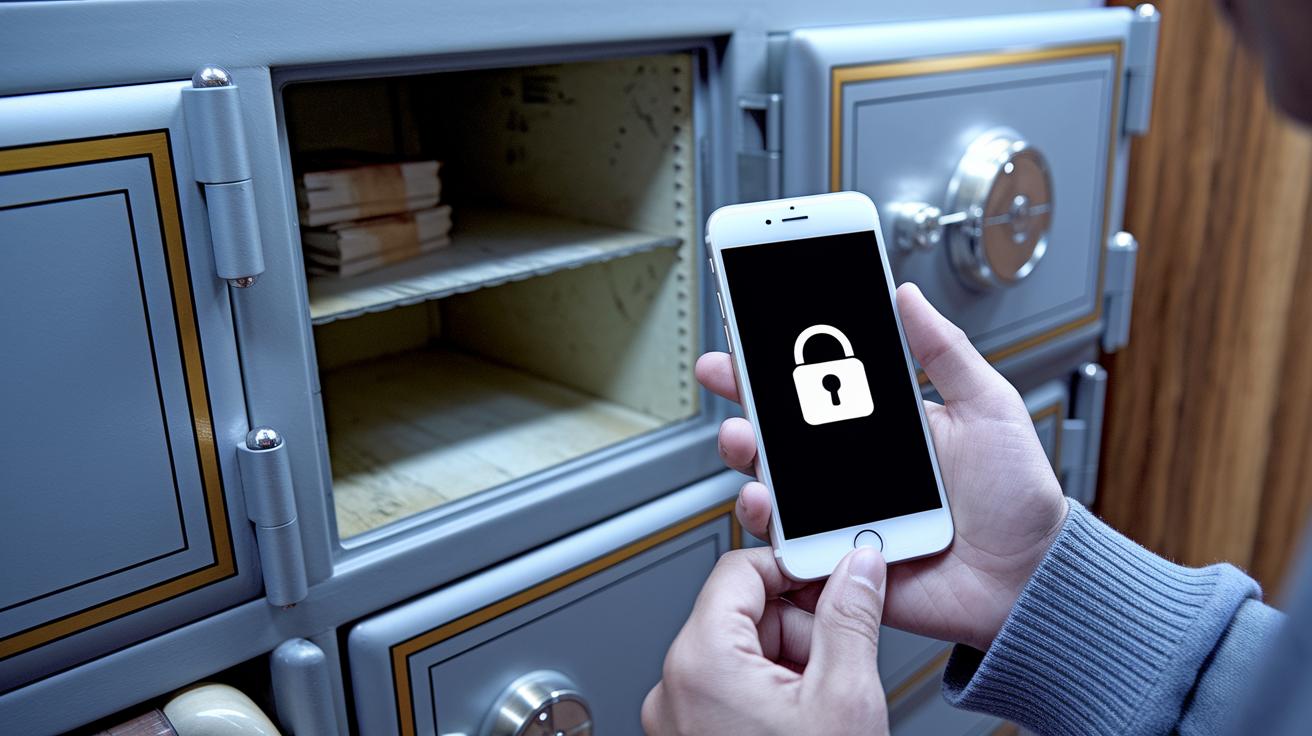
Privacy means you decide when and how to share your personal details and who gets to see them. Confidentiality is about keeping that information safe from anyone who shouldn't have it. Think of it like storing your secrets in a secure box that only trusted friends can open. For example, picture your phone giving you a gentle reminder for a health check-up, knowing that your medical history remains hidden from prying eyes.
Confidentiality is one part of what experts call the CIA triad in information security. Integrity, which means keeping data accurate, and availability, which ensures you can access data when needed, are the other two parts. Here, we focus on making sure your data never lands in the wrong hands. Organizations that follow strict rules for data access create a safe space where everyone feels comfortable sharing important details.
In both research and healthcare, privacy and confidentiality are about more than just technical measures. They are promises to guard your information with care. When you know your data is protected, you're more likely to share honestly. Imagine a healthcare team using an anonymous online survey: knowing your details are secure might help you open up about your symptoms. Clear rules like these not only protect you but also build trust in the care you receive.
Privacy vs. Confidentiality: Distinct Roles and Overlap

Have you ever wondered who gets to see your personal details? Privacy puts you in charge. It’s like having a diary where you choose which pages to share. You decide which bits, like your contact info or health records, can be seen. For example, think about Jane. When sharing her travel photos, she blurred out her location so only her trusted friends could view them. That simple act shows how privacy is all about making informed choices.
Confidentiality, on the other hand, is about keeping your information safe from prying eyes. Imagine a secure vault that only your doctor or legal advisor can open. While privacy lets you decide what to share, confidentiality ensures that sensitive data stays locked up and only goes to the right people.
| Concept | Analogy | Practical Example |
|---|---|---|
| Privacy | Diary pages | Jane blurring location details in her photos |
| Confidentiality | Secure vault | Patient records seen only by an approved treatment team |
Legal Frameworks Governing Confidentiality and Privacy Compliance

Legal rules clearly define who can view your personal information. In the U.S., for example, HIPAA was introduced in 1996 to set strong privacy rules. It makes sure that organizations use secure storage and limit access to your details. They use techniques like encryption (a way of scrambling data so only the right people can read it) and regular check-ups to keep your records safe. For example, electronic data must be kept securely to follow data protection laws.
Around the world, the General Data Protection Regulation (GDPR) has been in effect since 2018. In simple terms, this means companies must ask for your permission before using your personal data, tell you if there’s ever a security slip-up, and only collect information that they really need. This careful approach makes sure that your details are used only in ways you agree with, keeping them firmly under your control.
These laws also require some clear technical steps. They call for encrypting data both when it’s stored and when it’s sent from one place to another. Plus, they insist on role-based access so only the right people get to see your information. Regular security checks, audits, and staff training are all part of the picture. All these actions work together to stop unauthorized folks from accessing your sensitive data, even as technology and risks evolve.
When companies follow these legal guidelines, they not only stay on the right side of the law but also earn your trust. By aligning with HIPAA and GDPR, health care and related fields show they are serious about protecting your privacy with clear practices and trusted technical safeguards.
Technical Best Practices for Secure Health Record Management

New advances in security technology are changing the way we protect digital health records. Some systems now mix machine learning with traditional encryption to catch unusual activity before it becomes a problem. One study even showed that a cloud system with dynamic threat detection works just as well as old-school methods, setting a new standard in data defense. Imagine a guard who not only locks the door but also keeps an eye out for someone suspicious loitering outside.
Experts are also trying out blockchain audit trails and real-time alerts to spot anomalies, supplementing the methods we've trusted for years. This approach gives us a peek into a future where high-tech data protection meets practical, everyday use.
- End-to-end encryption of data while it's stored and when sent.
- Role-based access controls that include audit trails.
- Secure file backups along with off-site storage.
- Multi-factor authentication to protect every user account.
- Regular updates with software patching and vulnerability scans.
- Data anonymization techniques to keep personal info safe.
- Encrypted channels for secure mobile data access.
- Ongoing training for staff on the latest security protocols.
Every step adds a special layer of protection, building a flexible shield that grows stronger as new threats emerge.
Ethical Principles Underpinning Clinical Confidential Conduct

When patients share their details, they’ve given us the green light. They sign forms so everyone knows their personal info is treated with care.
Imagine smoothing out rough edges, removing names and markers from records works just like that. For instance, a clinic might scrub personal details before using data for research so that each entry is just a secure number, keeping anyone's identity safe.
Sharing patient information is kept on a need-to-know basis, like whispering a secret only to a friend who really needs the info. In clinical work, only certain team members see sensitive details, which means care stays focused and personal.
Key practices include:
- Getting clear permission before using any patient data.
- Removing personal identifiers from records.
- Letting only the necessary team members look at patient files.
Studies show that these careful steps help build trust and keep data secure in clinical settings.
Case Studies on Privacy and Confidentiality in Healthcare Research

Health Behavior Study Confidentiality Measures
In one interesting study, researchers explored health habits using online surveys that kept responders anonymous and stored answers in encrypted databases (encryption keeps data safely locked away, like securing a diary). They treated each response as a private note, ensuring only trusted eyes could see the details. This careful method meant that sensitive data stayed safe and locked up, with strict checks in place. Think of it like sending a secret message only to your best friend, it built real trust with everyone who took part.
Online Education Data Protection Protocols
Another example comes from an online education project where IT and legal experts worked together to design a super-safe data sharing system. They put in place measures as protective as a bank vault by using secure file transfers, thorough legal checks, and careful oversight from different experts. These steps reassured participants that their personal details were guarded like a treasured, rare manuscript. Small moves like clear guidelines, anonymizing details, and secure channels show us straightforward, practical ways to protect personal identities while still supporting solid research.
Emerging Trends and Challenges in Digital Confidentiality

New technology is shaking up how we keep our information private. Researchers are finding clever ways to match anonymized data back to individuals. With AI piecing together bits of data from different sources, things we thought were hidden might not be secret anymore. It’s like trying to lock away your diary when someone starts recognizing your handwriting.
Zero-trust security models are getting a lot of attention now. Basically, this means every request for data access is treated as if it comes from someone unknown. Nobody, whether inside or outside an organization, gets a free pass without thorough checks. And then there's blockchain. Think of it as a digital ledger that records every attempt to access data without any changes. Looking ahead, experts are excited about homomorphic encryption, which lets you work with data while it remains locked up, imagine solving a puzzle without ever seeing the full picture.
Even with these advanced methods, traditional ways of keeping data hidden might not cut it anymore. New analytics techniques keep coming up with fresh ways to uncover patterns. It shows that in today’s digital world, protecting information is an ongoing challenge, filled with both promise and new risks.
Final Words
In the action, the article broke down the basics of privacy and confidentiality with real-life examples and practical tips for handling sensitive data. It explained individual control and data safeguarding while mapping out legal frameworks, security measures, and ethical responsibilities. Each section offered clear takeaways, from technical best practices to emerging challenges. The discussion kept things human and relatable while emphasizing privacy and confidentiality throughout. Keep feeling empowered knowing your digital health data remains secure and well-managed.
FAQ
What does privacy and confidentiality in healthcare mean?
Privacy and confidentiality in healthcare mean that individuals control who sees their personal health data, while healthcare providers commit to keeping this information secure and only sharing it when necessary.
How are privacy and confidentiality applied in the workplace and nursing?
In both the workplace and nursing, privacy gives employees or patients control over their personal details, and confidentiality ensures that sensitive information is guarded against unauthorized access.
What are some examples of privacy and confidentiality practices?
Examples include encrypted data storage, role-based access controls, anonymized surveys, and consent forms that let individuals decide how and when their personal information is shared.
What is the difference between privacy and confidentiality in healthcare?
In healthcare, privacy refers to a person’s right to control who accesses their health data, while confidentiality is the responsibility of providers to protect that data from unauthorized disclosure.
How is security related to privacy and confidentiality?
Security measures like encryption, access controls, and software updates support privacy and confidentiality by preventing unauthorized access and ensuring data remains safe and trustworthy.
What does a privacy and confidentiality PDF usually contain?
A PDF on privacy and confidentiality typically outlines definitions, legal guidelines, ethical standards, and best practices for protecting personal data in various settings.
What role do privacy and confidentiality play in ethics?
They play a key role in ethics by building trust and establishing clear guidelines that respect personal boundaries, ensuring sensitive information is handled with care and moral responsibility.
What is privacy and confidentiality?
Privacy is an individual’s right to control personal data sharing, while confidentiality is the duty to protect that data from unauthorized exposure in both healthcare and research settings.
Why are privacy and confidentiality so important?
They are crucial for fostering trust between individuals and organizations, protecting personal rights, and maintaining ethical practices in healthcare, research, and the workplace.
How do privacy and confidentiality differ in research?
In research, privacy allows participants to decide on data sharing, whereas confidentiality obligates researchers to secure personal information and restrict access to ensure participant trust.
Why are privacy and confidentiality considered ethical issues?
They are ethical issues because failing to protect personal data can undermine trust, harm individuals, and breach moral obligations to respect and safeguard everyone’s personal information.