


Have you ever thought that texting your doctor could improve your care? Patient engagement technology makes it easy for you to connect with your doctor, like sending a friendly text. When you check your health online or drop a message on a device you use every day, it’s like getting a helpful nudge to take charge of your wellbeing.
This simple tech cuts down on long wait times and opens up clear, timely conversations. It’s designed to make sure you get the right care when you need it most. In truth, smart and easy-to-use medical support is closer than you think, right at your fingertips.
How Patient Engagement Technology Enhances Communication and Care

Digital tools let you take charge of your care using devices you already know. They offer secure messaging, live chat, and real-time conversations that feel just like talking to a friend. Plus, they help lower costs and make the team’s work smoother. Imagine chatting with your doctor on your everyday smartphone, it’s that simple.
These platforms help health systems check in with you at every step, from early signs of illness to post-visit follow-ups. It feels a bit like making an online purchase: easy and familiar. They boost how you connect with care providers and speed up visits in clinics and hospitals. Each message and appointment is like a friendly nudge from someone who cares.
| Feature |
|---|
| Secure messaging |
| Appointment scheduling |
| Remote monitoring (keeping track of your health from afar) |
| Personalized portals |
| Real-time feedback |
When health systems weave these digital tools into their care, everyone wins. Doctors enjoy smoother communication and save time, meaning they can focus more on you. And you get quick access to the information and support you need during every stage of your treatment. It’s like feeling the soft buzz of a reminder nudging you to check your health stats on an app you trust, knowing help is just a message away.
Key Features of Patient Engagement Technology Solutions

Patient engagement platforms make health care feel personal by tailoring your experience to you. They use smart technology to learn about your needs and then suggest tips, send appointment reminders, and offer useful health content. Plus, when they connect with your electronic health records, every update in your care shows up on your portal, kind of like a live, personal health journal.
These platforms also come with clear analytics that help healthcare professionals get a good picture of how you're doing. The dashboards show you real-time data, making it easy to spot trends. For example, a quick look at a trend line might show how a treatment is affecting follow-up visits. This smart use of data helps doctors adjust care to suit you better.
Another great feature is accessibility. Many systems support multiple languages, so no matter where you're from, you can get important health information in a language that feels comfortable. It’s like having a friendly helper explain even the tricky parts of your care plan.
Security is a top priority too. The systems use HIPAA-compliant messaging and secure protocols to keep your personal info safe. Whether you’re exchanging a quick check-in or a detailed consultation with your provider, every message is protected. Even as more patients join, these platforms maintain strict standards for safety and privacy.
Best Practices for Implementing Patient Engagement Technology

Starting with a clear, step-by-step plan is the key to success. Healthcare leaders should map out how patient engagement tech fits right into their current systems, making care easier for everyone. The plan covers everything, from linking patient data with electronic records to running focused training sessions with the team. Setting small, realistic goals and using a phased rollout makes the change less overwhelming. When digital systems work together and messages are consistent across channels, better patient care is within reach.
| Strategy | Benefit |
|---|---|
| EHR integration | Unified patient records |
| Staff training | Faster adoption |
| Phased rollout | Minimal disruption |
| Multi-channel coordination | Consistent patient touchpoints |
Once the tools are in place, keeping an eye on how they are used is just as important. Leaders should regularly check dashboards and ask staff for their thoughts. This simple routine helps spot what’s working and what needs a little tweak. Regular reviews and quick fixes keep the system sharp as more patients come onboard. In truth, tracking this progress not only boosts data accuracy and workflow but also ensures that every change helps improve patient care over time.
Leveraging Mobile Apps and Wearable Monitoring for Patient Engagement
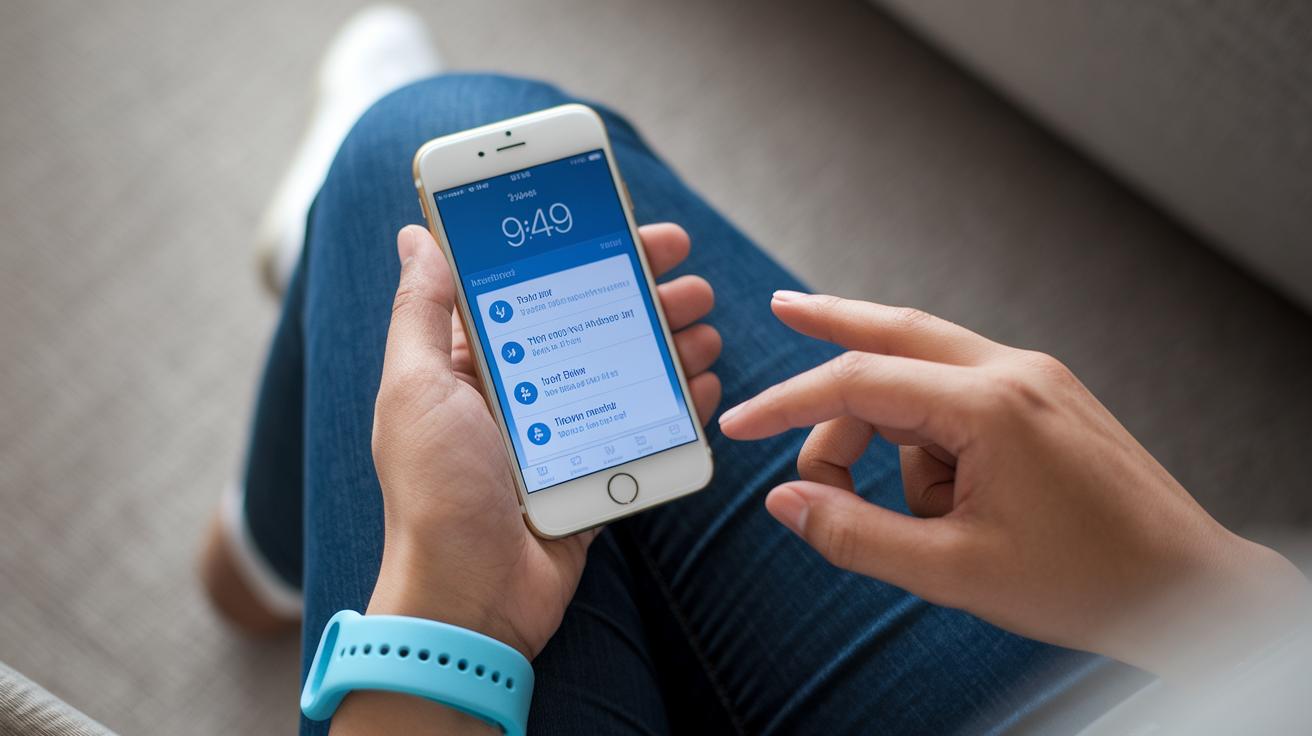
Mobile health apps make it really simple to take care of yourself. They remind you when it's time for your medicine, let you quickly write down how you feel, and offer a chat feature that feels like talking to a trusted friend. Imagine a soft buzz on your phone that gently reminds you to check your health, it turns regular care into an engaging routine. This friendly way of staying connected can be very helpful, especially if you are managing a long-term condition.
Wearable devices add even more power to these apps. They constantly keep an eye on your vital signs like heart rate and activity, sending all that real-time data straight to your health records. In the past few years, these gadgets have caught on fast, with about 80% of people seeing their benefits. For instance, platforms like Wearable Tech for Health show how devices can track your heart and blood pressure while you go about your day, making sure that even small changes are noticed quickly. This smooth flow of information helps you and your care team stay one step ahead in keeping you healthy.
Measuring Engagement Success with Metrics and Analytics

When it comes to patient engagement, numbers can really tell a story. Simple measures like patient satisfaction scores and digital portal usage show if our tools are truly making care better. Tracking these numbers helps healthcare teams see what’s working and where a few small changes might make a big difference.
Patient satisfaction scores give us a clear picture of how much patients appreciate the services, while portal usage rates reveal how actively they use the system. These figures act like a friendly check-in, offering quick insights into patient feelings and how smoothly patient-provider conversations are going.
Other key numbers, like readmission rates, response times, and how closely patients follow their care plans, also play a big role. Readmission rates hint at where extra care might help stop repeat visits, and fast responses show that patient questions are handled promptly. Seeing if patients stick to their treatment plans is another great way to measure engagement.
Dashboards that bring all these metrics together turn complex data into simple, actionable insights. With real-time charts and trends, providers can quickly spot areas to improve and adjust their strategies. In the end, this ongoing process helps refine care delivery and builds a steady culture of quality improvement.
Future Trends in Patient Engagement Technology

New breakthroughs are changing how care feels personal and timely. Imagine tools powered by AI and smart learning that handle regular tasks and send early warnings about possible issues. With predictive medicine, treatment plans are becoming as unique as you are. Plus, detailed data insights are helping platforms fine-tune every recommendation and note. And telehealth is not going anywhere, it’s growing by offering online classes and guidance so patients feel confident managing their own health. All of these trends work together to create a smooth blend of technology and care.
AI and Predictive Analytics
AI is taking over routine jobs so healthcare pros can concentrate on trickier cases. Machine learning (which means computers learn from data and help spot changes) sorts patterns and sends alerts when something isn’t right. It’s much like having a helpful buddy who quietly watches over your health information, catching little signals before they turn into big issues. It really makes a difference to have those early warning signs, don’t you think?
Hyper-Personalization and Virtual Care
Detailed data analysis is at the heart of hyper-personalization. Now, digital platforms send messages that reflect your unique health history and current readings, making every interaction feel custom-made. At the same time, virtual care is becoming a regular part of staying healthy. Imagine joining a telehealth session right from your living room, or getting a friendly app notification that nudges you towards better habits. Staying updated on these advances is key; knowing what’s new means patient care stays fresh, engaging, and right on track.
Final Words
In the action, we've explored how patient engagement technology transforms care through secure messaging, personalized portals, and real-time feedback. We covered the benefits of mobile apps and wearables, the power of analytics, and the ease of integrating these solutions into everyday health routines.
Each feature builds a stronger connection between patients and providers. Embracing patient engagement technology makes managing care easier and more personal. It's a bright path forward for accessible, trustworthy healthcare.
FAQ
How do digital research tools like Google Scholar and PubMed contribute to understanding patient engagement technology?
Digital research tools like Google Scholar and PubMed gather scholarly studies on patient engagement. They help both professionals and patients learn about proven benefits and emerging trends in digital health.
What do patients’ perspectives on digital health tools reveal about their experiences?
Patients’ views show that digital health tools simplify appointment scheduling, secure messaging, and remote care. These insights reflect a desire for accessible technology that lets people manage their health using familiar devices.
How does informatics promote patient-centered care in digital health?
Informatics organizes health information to offer quick insights and improve communication. This approach streamlines care coordination, making it easier for patients to receive personalized support from their providers.