


Have you ever thought you could visit your doctor from the comfort of your living room? Virtual care makes it that simple. With just one tap on your phone, you can chat with a kind, professional expert about your health.
Instead of dealing with long waits or long drives, video calls let you connect quickly and easily. Imagine your usual appointment replaced with a friendly chat that fits right into your busy day. It feels like having your doctor just a few taps away.
In this post, we explore how these virtual care tools are transforming everyday health check-ups. It's a little change that can make big differences for everyone.
Understanding Virtual Care Technology: A Comprehensive Overview

Virtual care technology brings medical advice right to your fingertips. It lets you have online appointments and even get your health checked remotely, making it feel like you're just chatting with someone who cares.
Imagine booking a video call with your doctor from the comfort of your living room. It’s perfect for those who live in places where getting to a clinic might be tricky. Curious about how video consultations really work? You can learn more by checking out the details at OurMobileHealth.com.
At its core, this tech connects the traditional face-to-face visits with easy digital interactions. It uses a cloud-based system that pulls together your appointment scheduling, billing, and even health records in one smooth process. This means every piece of your health information is stored in one easy-to-access spot.
With these modern solutions, you get help faster. A quick booking can lead to speedy therapy, and clear pricing shows you the cost upfront, so there are no unwelcome surprises. And because it easily links up different systems, it lightens the load on your healthcare providers, making everyone’s day a bit easier.
All in all, virtual care technology reimagines how we access healthcare by mixing essential support with the ease of digital tools. Isn’t it amazing how a simple tech upgrade can make taking care of you so much simpler?
Key Benefits of Virtual Care Technology in Healthcare Delivery
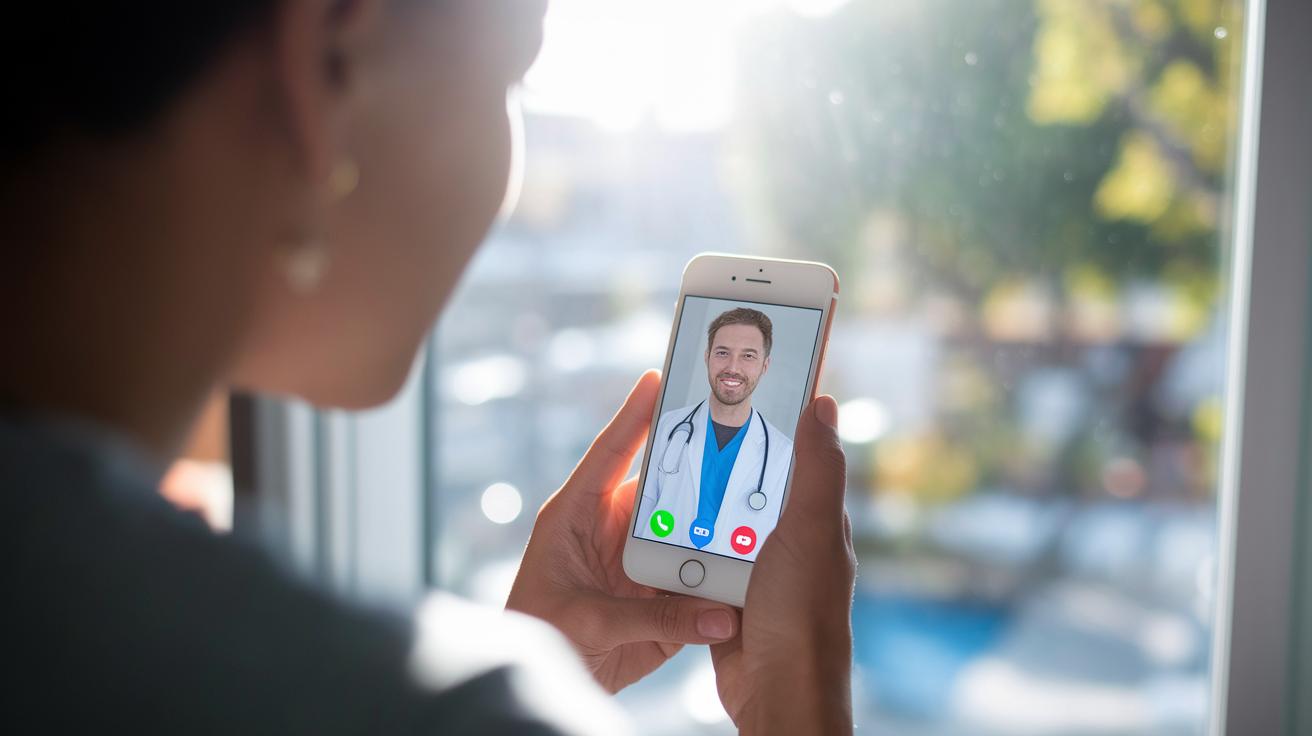
Virtual care tech is really changing how we get healthcare. In just a few years, experts say that over 50 million in-person visits might turn into online ones. This makes it really easy, like having your doctor just a tap away. Think about your phone lighting up softly during a busy day, connecting you to help without the hassle of travel.
Using virtual care can also lower labor costs by more than half. With video chats, doctors can spread out their work more evenly, which helps cut down on burnout. Imagine setting up a video call and chatting with your doctor from home; it feels simple and less stressful.
Digital tools also boost patient care in new ways. Features like ePrescribing give you real-time info on your medication benefits. This means you get the details right when you need them, making it easier to stick with your treatment. Remote consultations also open up specialist care even in places with fewer resources, helping build a stronger, more connected community.
Implementing Secure Virtual Care Technology: Technical Requirements and Integration

Telehealth technology uses strong safety rules to protect your private health details. It follows HIPAA rules, which means your data stays safe during every digital interaction. The system connects easily with scheduling, billing, and electronic health records so doctors spend less time on paperwork and more time caring for you.
It also uses cloud-based connectivity that makes updates fast and affordable. This setup allows for easy changes while keeping everything secure and straightforward. It’s like having a reliable helper that keeps your information safe, even when things change quickly.
More than 140 APIs work together in this system to replace manual tasks with digital solutions. Features like ePrescribing, which includes electronic prior authorization, and tools for managing payments help take the stress out of everyday operations. With tight data encryption and seamless integration, the system lets healthcare providers access essential tools right when they need them.
The friendly, cloud-based design makes it simple for any practice to add new features quickly. Whether you run a small clinic or a large hospital, this system ties together all important data, from scheduling appointments to following up on treatments. In truth, it helps create a smoother process for both staff and patients.
This reliable and all-in-one platform supports care teams in delivering quality treatment. It brings together strong security and easy operations, moving healthcare forward by letting technology work quietly in the background.
| Integration Point | Description |
|---|---|
| Scheduling | Syncs appointment booking with digital consultations |
| Billing | Automates payments and insurance claims processing |
| EHR Systems | Connects patient records securely across platforms |
| ePrescribing | Handles electronic prior authorizations and revenue cycle tasks |
| API Integration | Links over 140 APIs to digitize and streamline processes |
Virtual Care Technology for Chronic Disease Management and Remote Monitoring
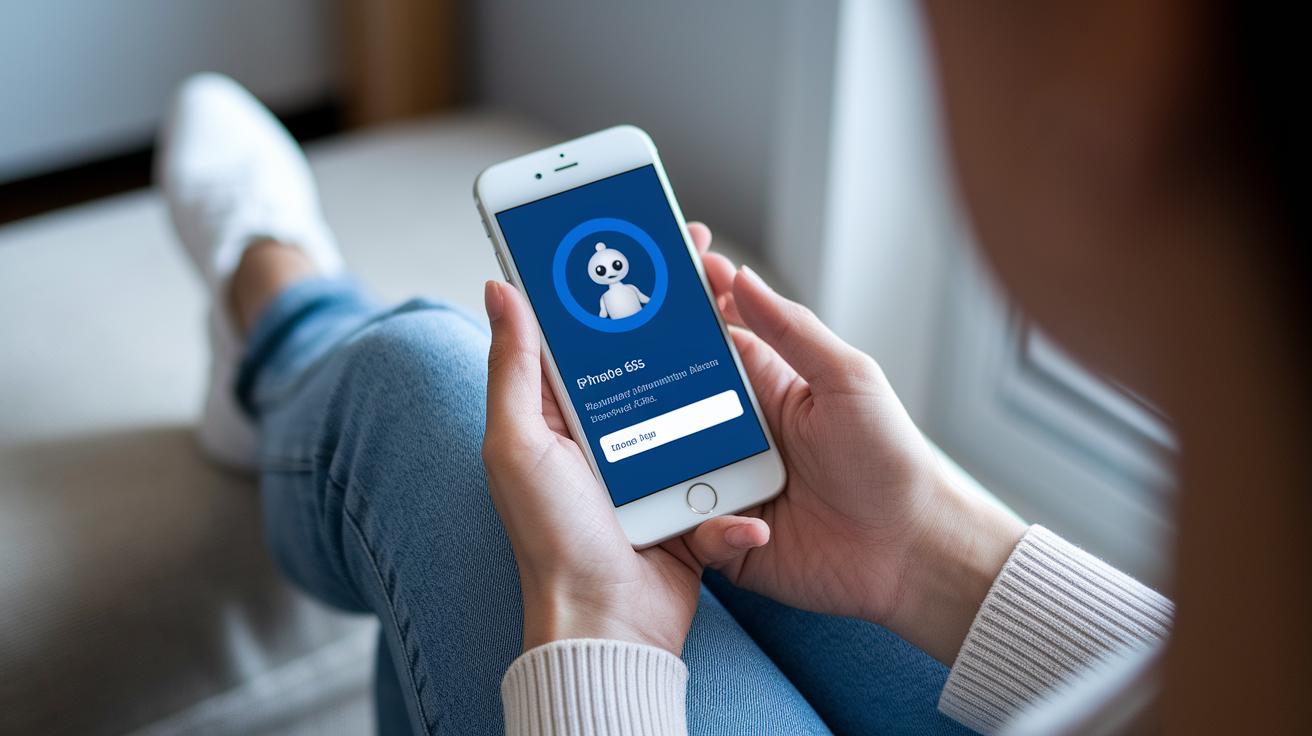
Virtual care really changes the way we manage long-term health issues. It offers easy-to-use tools that help keep track of your health every day. Imagine tapping a button on your phone and instantly sharing your vital signs with your care team.
Often, a friendly AI chatbot starts the process by asking a few simple questions and guiding you to the right care. This early step helps spot any changes quickly, so you get follow-up help without always needing to visit a clinic.
Other digital devices work behind the scenes by tracking things like blood pressure and blood sugar levels. These gadgets are especially helpful for people with conditions such as diabetes or high blood pressure because they keep your care plan current without constant appointments.
Thanks to virtual follow-up, your doctor can check your health data in real time and adjust your care plan as needed. This approach gives you personalized, ongoing support and makes it so much easier to manage your health while staying connected with your care team.
Enhancing Patient Experience through Virtual Care Technology

Providers are working hard to make every web visit feel as warm as sitting in a cozy office. They learn simple ways to chat online and show genuine care so that every appointment feels like a friendly face is right there with you. Special teams, like telehealth experts and top virtual care leaders, make sure each step of your online journey feels consistent and reassuring.
Interactive health portals act like your personal reception desk. Here, you can easily book an appointment, send secure messages, or even check out handy health tips anytime you want. Picture your screen gently reminding you, "Your consultation is all set. Curious about some health advice? Just click here!" It’s like having a caring assistant right at your fingertips.
Scheduling your virtual visits is now a breeze. Smart tools help reduce the stress of juggling busy days by sending small pop-up reminders. Imagine that friendly nudge saying, "Hey, your prescription benefits have been updated, take a look!" These quick updates help you feel more in charge of your health.
Even behind the scenes, AI-powered appointment systems cut down on wait times and remind you about follow-ups like a gentle tap on your shoulder. All these digital features are created to build trust, so you feel supported every step of the way on your health journey.
Addressing Challenges and Scaling Virtual Care Technology Solutions

Healthcare providers often face a real balancing act when growing their virtual care services. On one hand, using your own clinicians means you get a steady, familiar routine, but they can eventually feel worn out by constant patient demands. On the other hand, hiring locum tenens staff can boost your care capacity quickly, even if it costs a bit more. Some places are even teaming up with partners or sharing telehealth experts with other health systems to cover gaps.
Then there’s the challenge of blending new technology with old systems. Integrating fresh digital tools into existing scheduling and health record systems usually means training staff to navigate updated interfaces without slowing down care. Recently, measures like the American Relief Act extending telehealth waivers for an extra three months have given practices some breathing room as they adjust.
| Staffing Option | Benefit or Challenge |
|---|---|
| Internal Clinician Models | Steady workflow, but a risk of burnout |
| Locum Tenens | Quick capacity boost with higher costs |
| Shared Telehealth Resources | A team effort to ease specialty shortages |
These strategies show a thoughtful, balanced way to plan your workforce and scale operations in virtual care. It all comes down to making smart choices and working together to keep care accessible and personal.
Future Trends and Innovations in Virtual Care Technology

The world of virtual care is gearing up for big changes soon. Experts say that over the next three to five years, more than 50 million in-person visits could switch to online sessions. This shift will likely give patients more choices, letting them decide between digital and traditional face-to-face care.
One cool development is the use of AI chatbots for handling early patient questions. Imagine a friendly bot that welcomes you online, asks a few simple questions about your health, and then guides you to the right care. These bots can cut down wait times and help you connect with the help you need much faster.
Another emerging trend is sharing telehealth specialists across different health systems. Think of a top virtual care expert teaming up with several hospitals to offer support wherever it’s needed most. This collaborative approach adds extra strength to digital care overall.
A major piece of this progress is real-time health data analytics. When doctors get current health information, they can step in promptly to adjust care plans. It’s like receiving a timely alert when something needs attention, which leads to better results for everyone.
The next generation of eHealth platforms will blend features like advanced remote monitoring (keeping track of your health from afar) and digital therapeutics with smoother ways to share data. These platforms will help both doctors and patients keep up with ongoing health changes and make smart decisions using the latest information.
Final Words
In the action of modern health management, virtual care technology brings everyday convenience right to your fingertips. This blog post covered clear definitions, real benefits, and secure setups that keep healthcare simple and effective. We touched on interactive portals, remote monitoring for chronic conditions, and practical strategies that reduce administrative burden. Each point reinforces how merging smart tech with health can improve care while offering trusted information and expert support. Embrace these tools and enjoy a step toward a smoother, brighter healthcare experience.
FAQ
What is telehealth and how does it compare to virtual care and telemedicine?
The terms telehealth, virtual care, and telemedicine refer to digital health services that deliver remote care using video, phone, or messaging. They cover similar ground, though virtual care often includes a wider range of digital health tools.
What are some telehealth technology examples?
Telehealth technology examples include video conferencing tools, secure messaging platforms, remote monitoring devices, and integration systems that work with electronic health records for smooth digital care.
What is a telehealth app?
A telehealth app is a mobile application that allows patients to consult with doctors remotely, schedule appointments, and access health records, all from their phones for added convenience.
What information does a telehealth PDF provide?
A telehealth PDF offers detailed information on remote care services, guidelines on best practices, and technical requirements, making it a useful resource for understanding digital healthcare delivery.
What are the benefits of telehealth?
The benefits of telehealth include improved access to care, reduced travel time, lower overall costs, and efficient remote consultations that lead to higher patient satisfaction and streamlined healthcare delivery.
What insights does telehealth research from NCBI offer?
Telehealth research from NCBI highlights positive clinical outcomes, cost reductions, and increased access, providing evidence-based insights that support remote healthcare solutions.
What technology is used in virtual care?
The technology used in virtual care includes secure videoconferencing, remote monitoring devices, mobile apps, and electronic health record integrations, all working together to deliver safe and effective care.
What is an example of virtual care in action?
An example of virtual care is a real-time video consultation where a patient discusses symptoms with a doctor, receiving timely advice and reducing the need for an in-person visit.
Does Arkansas allow telehealth services?
Yes, Arkansas permits telehealth services under state regulations, allowing patients to receive remote healthcare in compliance with legal standards while minimizing travel and wait times.