


Have you ever noticed how your phone can feel like a tiny doctor in your pocket? These days, our mobile devices are changing how we think about healthcare. They give you quick updates and let you check your health details with just a tap. In fact, about 60 out of every 100 adults in the US now use these tools to learn more about their health. Today, we'll chat about how using personal care together with digital tools can help you feel more in control of your well-being.
Mobile health technology and personalized care Elevates You
Mobile health technology mixed with personalized care is changing the way patients receive treatment. Today, devices like phones, tablets, and computers help deliver care that feels just right for you. With these digital tools, you can get targeted care without needless delays. Curious how it works? Just click here to learn more about the benefits: advantages of mobile health technology (https://ourmobilehealth.com?p=429).
Sixty percent of US adults now use their mobile devices to look up health information. That means more people are trusting these digital tools to guide their care. In fact, the mobile health market is expected to hit $189 billion by 2025. Isn’t it amazing how technology is making healthcare more personal and faster?
Mobile technology also makes real-time communication a breeze between patients and clinicians. By using tablets and smartphones to quickly access electronic health records, care teams can share updates instantly. This shift cuts down on paperwork and allows providers to check on patients faster. In truth, this approach helps create a care environment that is both responsive and caring.
Wearable Health Devices and Health Tracking Apps in Personalized Care
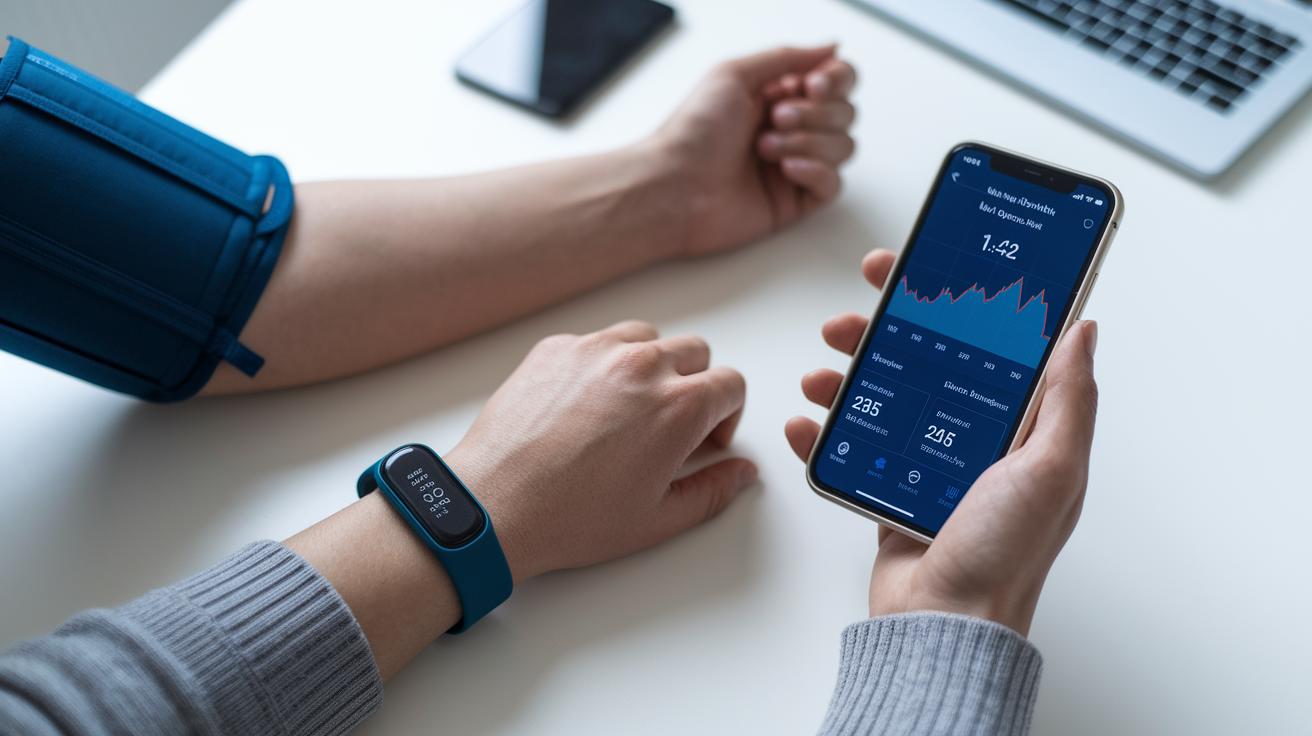
Ever notice how devices like blood pressure cuffs, glucose meters, and fitness bands can quietly keep an eye on your health? They measure vital signs all day and give you immediate feedback, almost like a friendly nudge about how you're doing. They usually hook up with health apps that log data as it happens, so you can see simple trends in your daily routine.
These gadgets make it easier for your doctor to adjust treatments on the fly. When your personal tracker sends real-time info, healthcare providers can quickly fine-tune your care to suit your unique needs.
Mobile apps and wearables work together to give you a full picture of your health. This smart network, often called the Internet of Medical Things (or IoMT, which simply means devices sharing health info), brings many sensors into one team. As soon as your data is updated, medical professionals can see any changes and design care plans that feel tailored just for you.
Here are some well-known examples:
- Apple Watch, a popular health tracker.
- Fitbit fitness band with heart rate monitoring.
- Omron blood pressure cuff known for steady readings.
- Dexcom Continuous Glucose Monitor to watch blood sugar.
- Garmin wearable system tracking overall fitness.
These examples show that blending wearable tech with health tracking apps not only modernizes care but also makes treatments more informed. By watching your everyday health numbers, these devices help create a personalized care experience that can really boost patient outcomes.
Remote Patient Monitoring and Telehealth Services for Individualized Care
Have you ever wished your health was watched over throughout the day? Wearable devices now do just that by keeping tabs on your blood pressure, heart rate, and oxygen levels, every step of the way. They’re a real help, especially if you’re dealing with a chronic condition or bouncing back after surgery. This real-time sharing of your health details means doctors can quickly spot any changes and tweak your care before things get out of hand.
Now, visiting your doctor can feel a lot like catching up with a friend. With virtual primary-care visits through video calls, chatting with medical professionals is easier than ever. These telehealth services bring expert advice right into your living room and have even helped save billions by reducing the need for traditional office visits.
And scheduling your next appointment? That’s a breeze too. Handy apps send gentle reminders and make it simple to book follow-up visits so you don’t miss out. This smooth, personal way of managing your health keeps both patients and care teams on the same page, making every step of your health journey that much more efficient.
AI Health Diagnostics and Data-Driven Treatment Plans
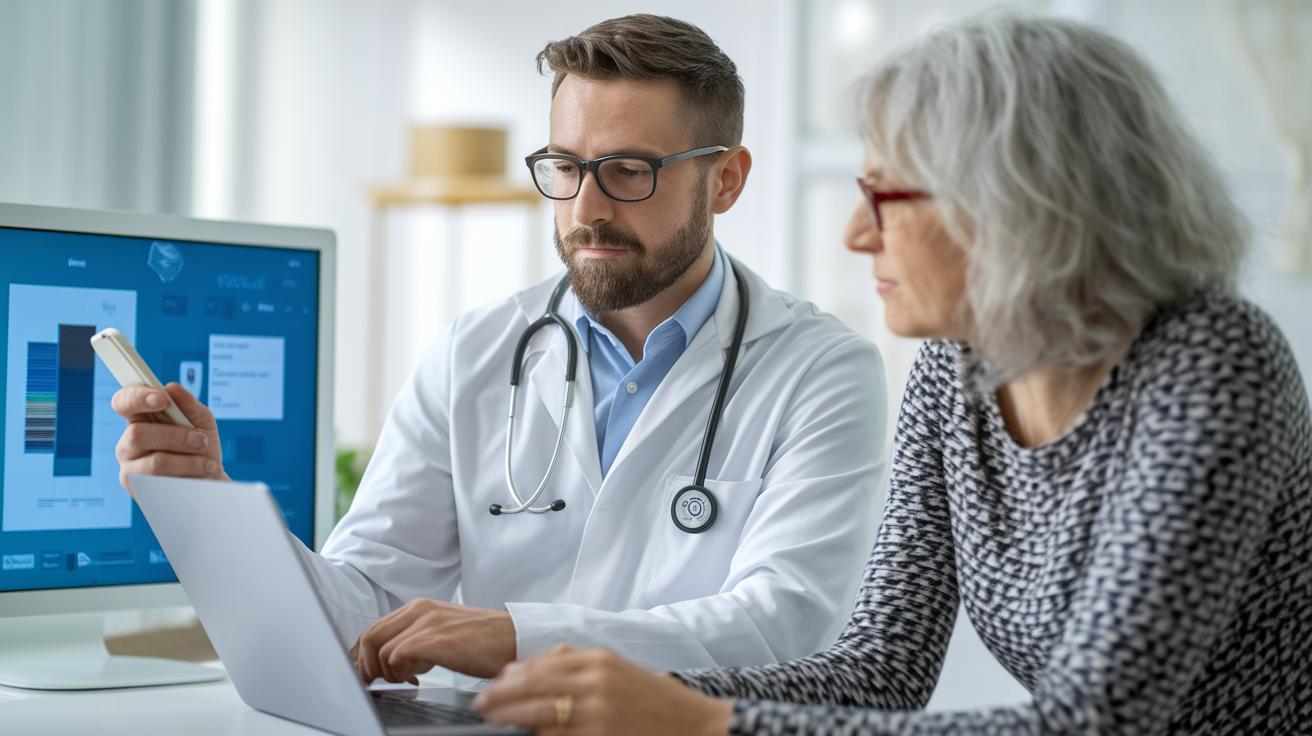
AI tools are changing how we get healthcare, making it faster, clearer, and more personal. With smart systems that use machine learning, huge amounts of gene and health data get sorted out to make sure diagnoses fit just right. These systems even spot early warning signs in those at risk, so help arrives when it's needed most.
The magic lies in how they keep an eye on your data all the time. This means treatment plans can change on the fly to match your unique needs. And when you combine this savvy tech with solid clinical know-how, it opens the door to incredible breakthroughs in precision medicine.
| AI Application | Impact on Personalized Care |
|---|---|
| Genomic Data Analysis | Sharpens diagnoses by detecting key gene differences |
| Predictive Analytics | Finds early warning signs to help at-risk patients sooner |
| Clinical Data Processing | Makes treatment planning smoother with real-time data |
| AI-Driven Insights | Helps save costs while boosting care quality |
The financial perks of AI in healthcare are pretty exciting, too. The market for personalized medicine was worth $1.57 trillion in 2020, and it's on a steady climb. In fact, AI-driven care could save the US up to $360 billion a year. This shows that smarter, data-driven solutions not only help patients feel better but also make healthcare more efficient and affordable.
Securing Health Data and Regulatory Compliance in Mobile Care Solutions
When it comes to mobile health tech, safety matters a lot. Patients worry that private health information, like medical records and personal details, might slip through the cracks if security isn’t tight. Mobile patient portals and live chat platforms can risk exposure when data moves between your device and your care provider. That’s why using secure data protocols and strong encryption is so important.
Legal rules also have your back in mobile health. Regulations like HIPAA set clear limits to keep your info safe and prevent things like genetic discrimination. National laws back up these standards and make sure providers follow strict digital health guidelines. When everyone sticks to these rules, it builds trust and makes you feel better about sharing your health info online.
Technical tools are key when it comes to protecting health data. Providers use steps like encryption, multi-factor authentication (using something extra like a code from your phone), and regular security checks to keep everything safe. Mobile patient portals come with features that stop unauthorized access, so you can chat or share details without worry. By blending these tech methods with solid legal rules, providers create a strong system that keeps your data secure and builds confidence in mobile care solutions.
Future Trends in Digital Health Innovation for Mobile Personalized Care
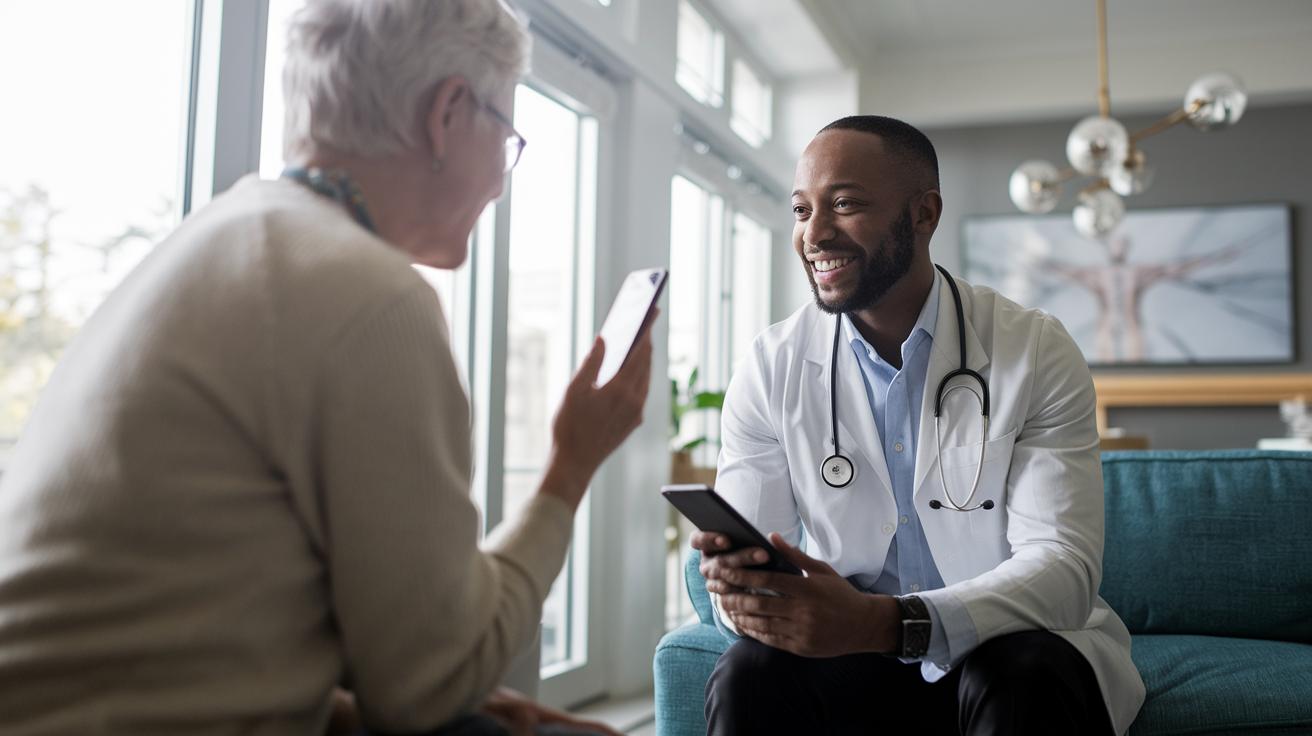
Imagine smoother video calls with your doctor and quick health updates right on your phone. New network upgrades, powered by 5G, are making high-quality telehealth a reality while gathering loads of data from everyday devices. This growth is boosting adaptive health platforms and mobile wellness programs, creating a setting where patient care feels richer and more personal.
Soon, your mobile device might handle real-time monitoring, offer clear virtual consultations, and even tailor care just for you. It’s a shift in digital health that’s changing how we connect with our services.
Mobile clinical trials and digital therapeutics are also making waves. They simplify remote participation and let more people join cutting-edge studies and treatments, no matter where they are. Check out digital health innovations (https://healthandwealth101.com?p=2871) to see how these tools are shaping a more efficient, connected, and accessible future in healthcare.
Final Words
In the action, we explored how mobile health technology connects with personalized care to offer faster clinical decisions and more secure data handling. We looked at wearable devices, remote patient monitoring, and AI health diagnostics, highlighting how each improves our daily healthcare experience. With emerging digital trends on the horizon, mobile health technology and personalized care continue to shape a future where managing your well-being is both convenient and safe. It's exciting to see how these smart systems add value to living a healthier life.
FAQ
What are some examples of mHealth apps and mobile health applications?
The mHealth apps and mobile health applications include platforms for tracking fitness, managing medications, scheduling appointments, and monitoring chronic conditions, providing users with convenient, real-time health data right from their devices.
Where can I find mobile health PDFs and scholarly articles on the topic?
The mobile health PDFs and scholarly articles are available via academic databases and healthcare research sites, offering detailed insights on app design, effectiveness, and integration into modern care practices.
How effective are mobile health applications?
The effectiveness of mobile health applications is shown by improved patient engagement, faster health monitoring, and better outcomes, as they enable real-time tracking and facilitate swift communication between patients and providers.
How do mobile health apps impact healthcare?
The mobile health apps impact healthcare by streamlining patient data access, reducing paperwork, and speeding up clinical decisions through EHR access on smartphones and tablets, which broadens care delivery and personalization.
What recent telehealth discussions have been featured in health care articles?
The recent telehealth discussions in articles highlight how virtual primary care visits, real-time consultations, and scheduling apps save costs and improve care continuity, reflecting rapid advancements in remote health services.
What are mobile health clinics?
The mobile health clinics are vehicles outfitted with medical equipment that bring healthcare services directly to communities, offering screenings, basic treatments, and follow-ups in a flexible, community-based setting.
What is mobile technology in healthcare?
The mobile technology in healthcare integrates devices like smartphones and tablets to access health records, track patient vitals, and facilitate telehealth, making healthcare more accessible and user-friendly.
What is personalized care in healthcare?
The personalized care in healthcare refers to tailoring treatments and monitoring plans to each individual’s health needs, guided by data collected from mobile apps, wearable devices, and real-time analytics for better outcomes.
What are the top trends in the healthcare industry?
The top trends in the healthcare industry include the growth of telehealth, the expansion of wearable health devices, and advancements in AI-based diagnostics, all contributing to more precise and accessible care.
What is IoMT technology?
The IoMT technology stands for the Internet of Medical Things, a network of connected devices that monitor health metrics in real-time, enabling seamless data sharing and more responsive, individualized treatment plans.