


Have you ever thought about how your phone might change the way you get healthcare? New mobile health ideas mix everyday tech with that friendly, personal touch. They bring care right to your fingertips, so you don’t ever have to wonder where to turn. Experts say the healthcare software market is on the rise, which means fast, easy access to care isn’t just a cool idea, it’s already here.
In this chat, we’ll look at how smart apps and new ways to pay for care are teaming up to change the game. Picture it like having a helpful, high-tech buddy in your pocket that makes staying healthy feel natural and simple.
Overview of Innovative Mobile Health Business Models Transforming Care Delivery
Innovative mobile health business models open up new ways to deliver care. They mix modern digital technology with personal, hands-on attention to change how we get treated. Did you know that back in 2014, the worldwide healthcare software market was worth US $11.5 billion? Now it's set to climb to US $316.8 billion by 2027. That shows just how important mobile health innovation is today.
These smart apps do lots of handy tasks like remote monitoring (keeping track of your health from afar) and virtual consultations. This means you can get care without having to drop by a clinic or hospital. Using a mobile health platform, you can share real-time health data and get quick advice from your provider. Imagine tracking your daily routine or having a chat with your doctor right through your phone.
These innovative models also help you get answers faster and reduce those long hospital waits. With tools like real-time data analytics, they provide clear symptom checks and even help with remote diagnostics. As technology keeps advancing, personalized healthcare is becoming simpler, quicker, and way more effective for everyone.
Revenue Strategies for Innovative Mobile Health Business Models
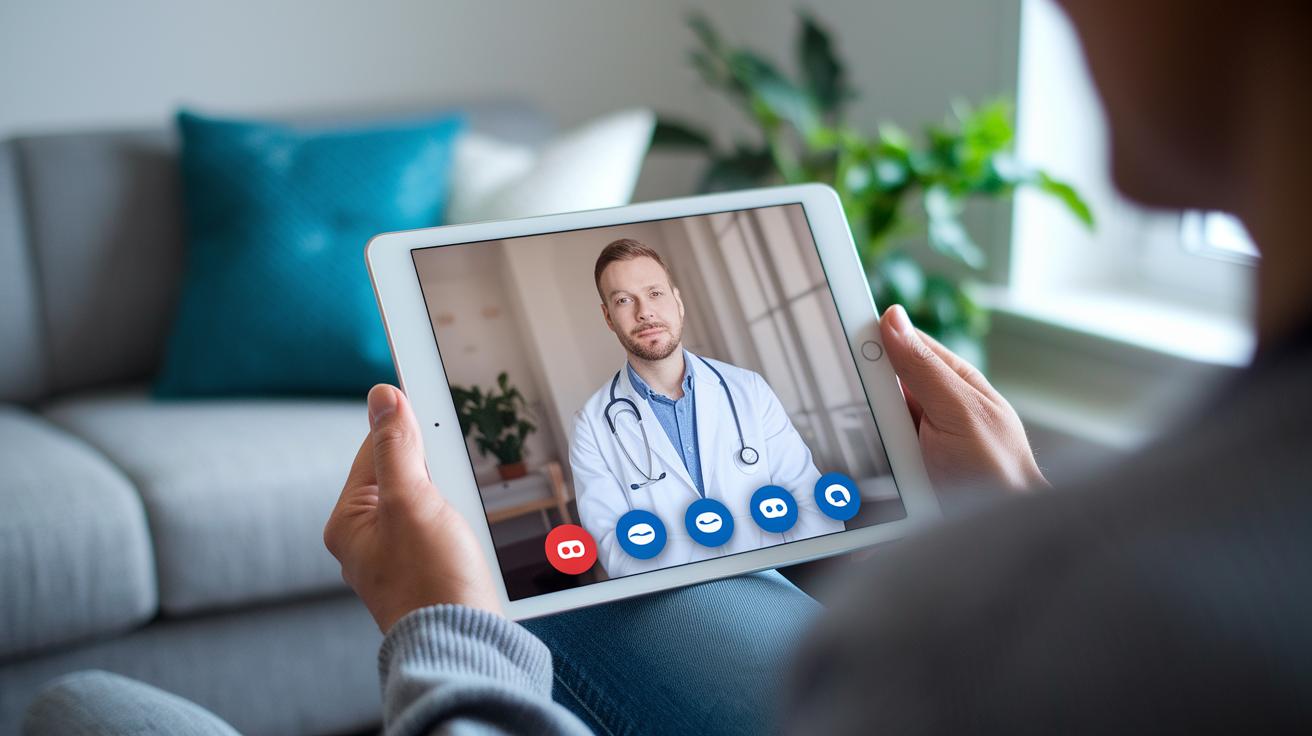
Mobile health companies are rethinking how we pay for care. They use smart mixes of bundled payments and outcome-based methods that cover all the care a patient needs. Instead of charging for each service, providers earn based on the quality and results of their care. Think of it like getting a full virtual consultation and follow-up care all in one neat package, just like a monthly subscription.
Value-based care is at the heart of this new approach. Concierge medicine and direct primary care, for example, ask patients to pay a set monthly or annual fee. Imagine paying one fixed amount for everything from regular check-ups to specialist visits, much like you do with your favorite music streaming service. It’s simple, predictable, and helps everyone, providers, insurers, and patients, work together better.
Subscription-based health apps also add to these revenue ideas. They often let you use basic features for free while offering premium add-ons. You might get cool extras like AI-driven appointment management or real-time symptom tracking without a big upfront cost.
| Strategy | Description |
|---|---|
| Bundled Payments | Covers full care episodes with one fee |
| Monthly Retainer Fees | Used in concierge and direct primary care models |
| Freemium Models | Basic services free with charges for advanced features |
Other methods like licensing and advertising are also in play. By blending these approaches, mobile health businesses build platforms that meet patient needs while keeping finances balanced. These strategies encourage innovation and ensure that healthcare remains accessible and patient-focused.
Technology-Driven Business Models in Innovative Mobile Health
Tech solutions are changing the way we take care of patients. Mobile apps now double as handy assistants, offering digital therapeutics, telemedicine, and AI-powered ways to track health from afar. This setup helps both users and providers feel more in control of their health. New cloud-based systems built with everyday patients in mind deliver instant, clear insights, while wearables keep an eye on daily activities. In short, these models make care simpler, more efficient, and more focused on you.
Digital Therapeutics Platforms
Digital therapeutics apps are smart tools that help you manage health conditions on their own or with other treatments. They go through proper testing, and they even connect with insurance systems to widen your options from a distance. A typical app might offer fun, interactive programs, simple tips to change habits, and non-stop tracking of your health details. For example, it can guide you on small lifestyle tweaks and keep tabs on symptoms, all without needing a clinic visit.
Telemedicine and Virtual Care Solutions
Telemedicine apps have turned the healthcare world upside down in all the right ways. They let you have virtual doctor visits, get e-prescriptions, and quickly sort out small concerns. These apps safely pull in your health records so the doctor gets the full picture during your chat. With live video or easy text conversations, clinicians can spot issues in real time, cutting down the need to go in person. This not only saves time, but it also brings expert care to you wherever you might be.
AI-Powered Remote Monitoring Innovations
AI-powered remote monitoring uses smart gadgets and simple language tools to make sense of data from wearables and other connected devices. Early trials show these innovations can cut hospital transfers by 80% and boost patient satisfaction up to 97%. By spotting changes in health early and alerting your care team right away, this technology helps keep chronic conditions in check, saving time during regular check-ups.
Case Studies of Successful Innovative Mobile Health Business Models

Mobile health clinics are a real game changer for many people who used to struggle to get care. Around 2,000 of these clinics are running all over the country, helping roughly 7 million people who are at risk every year. They bring essential health services right where people are, without relying on hospitals. One clinic even showed that mixing care with on-the-spot tests can cut down on expensive emergency room trips and help build healthier communities.
In another cool example, a European team tested AI-powered remote monitoring (which means using smart tech to keep an eye on your health from afar). They used special sensors and real-time data tracking to watch over patients with long-term health issues. Early results were impressive, a drop in hospital transfers by 80% and 97% of patients saying they were happy with the experience. It’s amazing how technology can make life easier and reduce the need for constant in-person checkups.
And then there’s the case of NLP administration solutions. These tools have really changed the way back-office work is done by boosting how well systems share information by 75%. They use natural language processing (that’s a tech term for helping computers understand human language) to make record-keeping smoother and cut down on paperwork. Health workers noticed that decisions were made quicker and they spent a lot less time on admin tasks, giving them more time to care for patients.
| Business Model | Organization/Pilot | Key Outcome |
|---|---|---|
| Mobile Health Clinics | Nationwide Mobile Clinics | 12:1 ROI; serves 7 million at-risk individuals |
| AI-Powered Remote Monitoring | European Pilot Program | 80% drop in transfers; 97% patient satisfaction |
| NLP Administration Solutions | Healthcare Systems Pilot | 75% improved interoperability mapping |
These case studies clearly show that innovative mobile health solutions can boost how services are delivered, simplify behind-the-scenes operations, and drive success for startups and companies in the wellness tech world. Isn't it amazing how a little tech and smart thinking can change how we all get healthier?
Innovative mobile health business models drive success
Mobile health breakthroughs are making a real difference, but they hit a few bumps along the way. Even though mobile clinics bring a solid return on investment and help millions of people in need, they often rely on donations and grants to keep going. Limited funds and tricky rules can slow progress and put extra strain on these services.
Experts suggest teaming up with both public and private groups and trying out contracts based on results. This strategy can give mobile health projects a steadier source of funds without giving up on delivering quality care. Meanwhile, programs like Tulane’s online MHA are getting future leaders ready to manage and boost these projects, ensuring there's a skilled team prepared for growing demand.
Plus, using tools like modern cloud technology (basically, a way to store and manage data over the internet) can simplify keeping track of information and help these platforms grow. By mixing up their funding sources and investing in talent, health startups can overcome money issues and complex rules. This approach builds a stronger mobile health network that turns challenges into steps toward better care and success.
Emerging Trends and Future Directions for Innovative Mobile Health Business Models
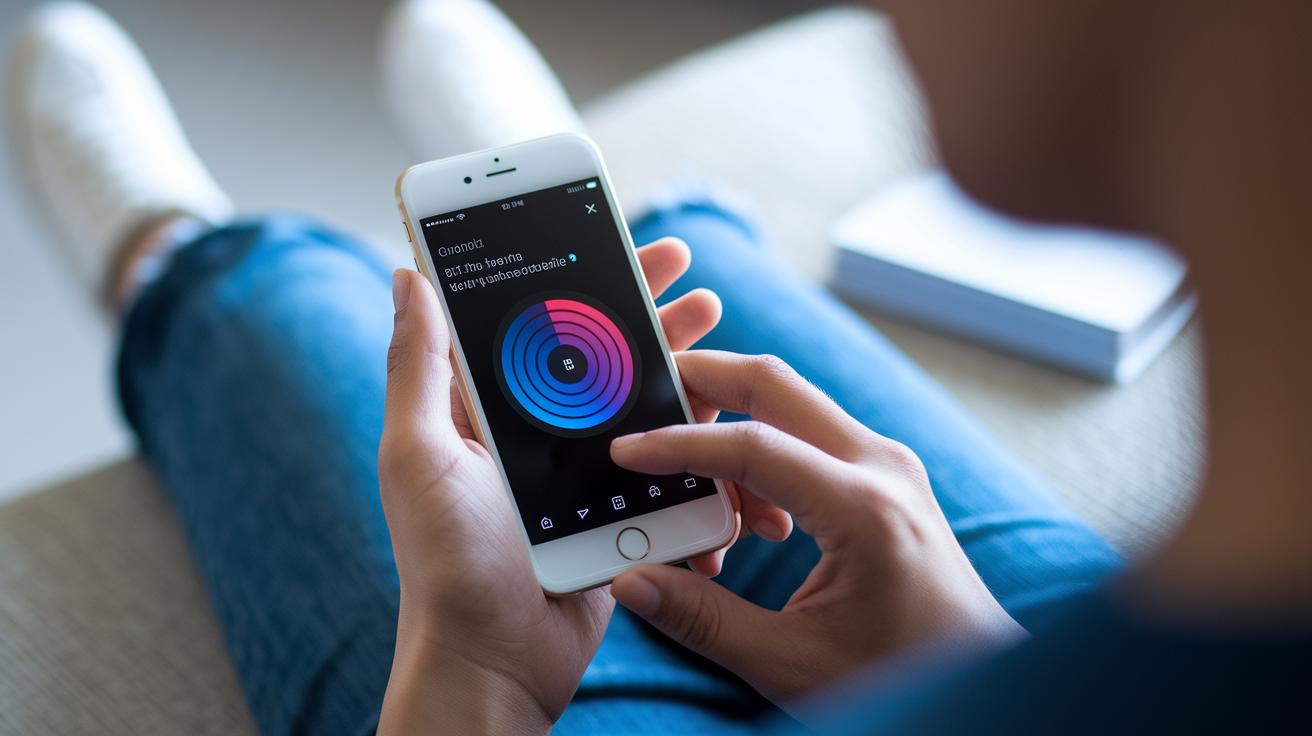
AI is reshaping the way we handle everyday clinical tasks. Imagine getting a push notification saying, “Your latest readings suggest a quick walk might help keep your heart steady.” That’s AI making sure your care adjusts just when you need it.
Next, virtual hospitals powered by AI are coming to life. These digital check-ups, paired with home tools and instant data analysis, create a whole new way to manage your health right from your phone. Picture a system using smart sensors to alert your care team before something becomes serious.
Then there are software-driven treatments that build personalized plans based on your constant data stream. Think of an app that tweaks your medication after comparing your recent activity with past trends, almost like having a digital health coach offering timely advice.
| Feature | Impact |
|---|---|
| AI-Powered Workflow | Adjusts care based on live data |
| Virtual Hospitals | Combines digital check-ups with home diagnostics |
| Software-Driven Treatments | Creates personalized plans from ongoing feedback |
Final Words
In the action of refreshing care delivery, mobile health platforms bring remote check-ins, digital therapeutics, and virtual consults right into our daily routines. The blog outlined diverse ways these innovations generate revenue while putting patients first. It also showed how real-life case studies empower clinicians and boost patient satisfaction. This approach makes health monitoring accessible and engaging. Innovative mobile health business models spark a brighter, connected future where care is personal, simple, and secure.
FAQ
What does a telehealth business model, business plan, and telemedicine business involve?
The telehealth business model means that companies deliver virtual care using digital tools like remote monitoring and online consultations. This approach often uses subscriptions or bundled fees for steady revenue.
What does Executive Order 14009 summarize?
The Executive Order 14009 summary means that the order sets forth measures to expand digital health access and modernize care delivery by promoting virtual consultations and remote monitoring for patients.
What does the Trump ACA executive order mean?
The Trump ACA executive order means that the order aimed to adjust aspects of the Affordable Care Act by reducing certain regulatory requirements, giving providers and insurers more flexibility while seeking to lower costs for patients.