


Have you ever wondered if your phone could really help you stick to your treatment plan? Today's mobile health tools work like a friendly nudge, they send smart reminders, let you check in online with ease, and even use remote devices to keep you on track every day.
With virtual visits and quick updates, it feels like you've got a checkup in your pocket. In this post, we explore how these simple tech tools make staying on track feel natural and accessible, so you can move toward better health with easy-to-use solutions.
Telehealth and Remote Monitoring Strategies for Improving Patient Compliance
Telemedicine lets healthcare come straight to your phone. Even if you live far away or find it hard to get around, a few taps on your device can connect you with a doctor. Online consultations and virtual check-ins make sure you have the support you need, right when you need it. It’s like having quality care just a heartbeat away.
Staying actively engaged is really important for keeping on track. Automated texts, emails, or calls can remind you about appointments or when it’s time to take your medication. Plus, systems that let you book appointments online, check your health details on a patient portal, and even pay bills securely help keep you connected with your care team. Sometimes, these platforms also use devices that monitor your health from afar, giving updates as they happen.
Here are a few tools that make a difference:
- Blood pressure cuffs keep an eye on your readings and alert you to sudden changes.
- Glucose monitors send friendly reminders to help keep your sugar levels steady.
- Heart rate sensors watch for unusual rhythms, so you can get help early.
- Wearable activity trackers encourage you to move by monitoring your steps and progress.
- Sleep monitors record your rest quality, so you know when to make small changes for better sleep.
With real-time data from these devices, your care team can quickly spot any issues. When your health updates instantly on digital platforms, doctors can jump in with advice or changes right away. This constant support makes you feel looked after, leading to fewer missed appointments and a more proactive approach in managing long-term conditions. In truth, these telehealth and remote care tools help keep you connected, ensuring that quality care follows you wherever you go.
Digital Patient Portals and Automated Scheduling for Consistent Compliance
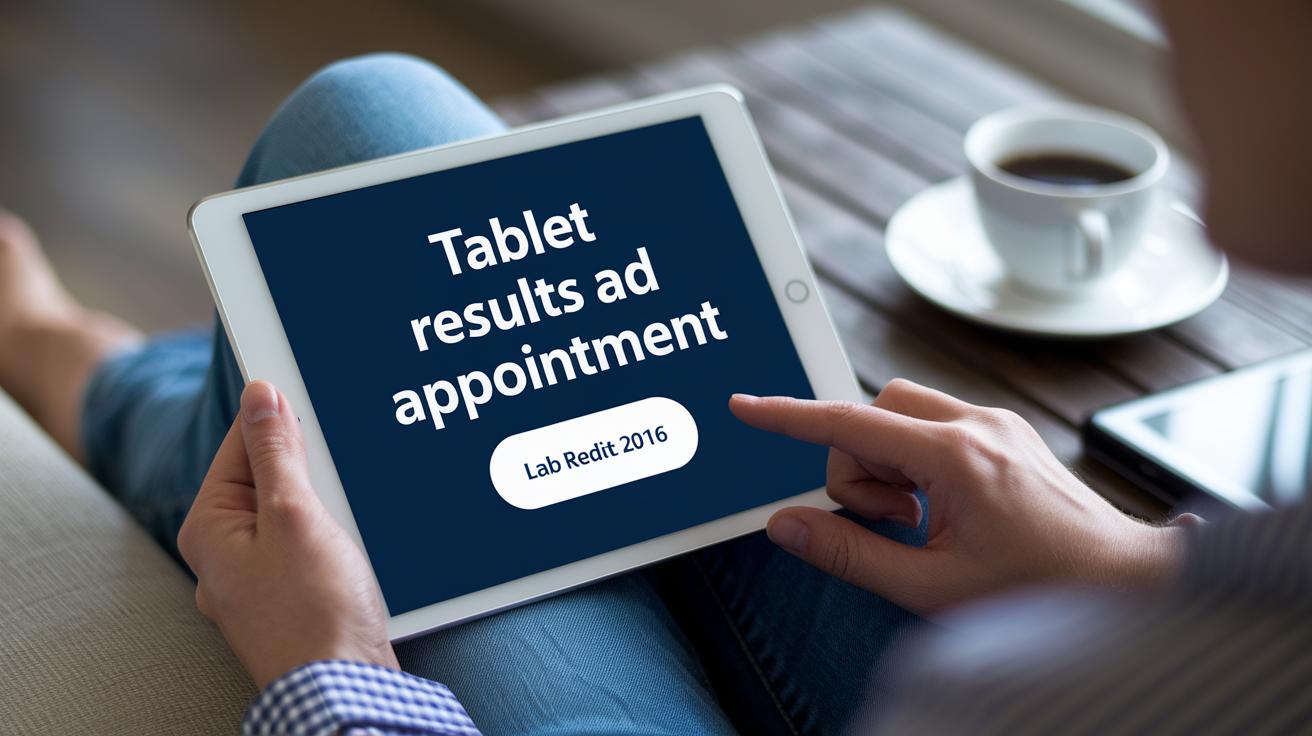
Telehealth platforms now come with handy tools like patient portals that let you quickly review lab results, care plans, and even monitor your medication refills. When you log in, you'll notice real-time updates and have the option to instantly book an appointment. Imagine seeing a message like, "Your next checkup is just one tap away!" It’s simple and effective.
Automated scheduling tools also help by sending digital alerts through email, SMS, or app notifications. These reminders work like a gentle nudge to keep your appointments on track, cutting missed visits by about 30%. Picture a small message saying, "Reminder: You have a follow-up scheduled tomorrow at 10 AM." It’s a little boost that really makes a difference.
When you combine automated scheduling with electronic health records (that is, digital records of your health), everything comes together nicely. You can easily access lab results, appointment details, and prescription updates all in one place. This streamlined setup means your provider can offer care right when you need it, and you stay connected to your treatment plan.
- Online booking with real-time availability
- Instant mobile alerts and appointment reminders
- Direct access to lab results and care updates
- Smooth integration with electronic record systems
Clinics using these digital tools have noticed real improvements. With a 30% drop in no-shows, patients face fewer delays in care, and providers enjoy a more efficient scheduling process.
AI and Advanced Data Analytics Predicting Patient Compliance Outcomes
AI-powered models are reshaping how our healthcare teams monitor treatment routines. They use basic details like how often someone logs in or taps the app to spot trends that might mean a patient could miss an appointment or skip their medicine. Think of it like a gentle nudge; a reminder that helps doctors know when to check in. With every interaction, the system learns more about patient habits, getting better at offering insights that support care.
| Analytics Tool | Predictive Insight | Compliance Impact |
|---|---|---|
| RiskForecaster | Checks simple trends in demographics to flag risks | Alerts providers about missed doses |
| EngageMonitor | Keeps track of user actions and response times | Starts automated follow-ups |
| AdhereOptimizer | Merges EHR and app data for clear trend insights | Supports proactive care strategies |
Blending these smart tools into our health strategies turns care from a reactive process to a proactive one. Providers can adjust plans in real time, reaching out as soon as they spot a warning sign. By mixing the trusted methods of traditional care with data-driven insights, patient adherence steadily improves. It really feels like having a caring partner who reminds you when it's time for a check-in. Plus, this approach takes advantage of the latest digital health innovations to help patients stay on track every day.
Mobile Apps and Gamification Approaches for Medication Compliance
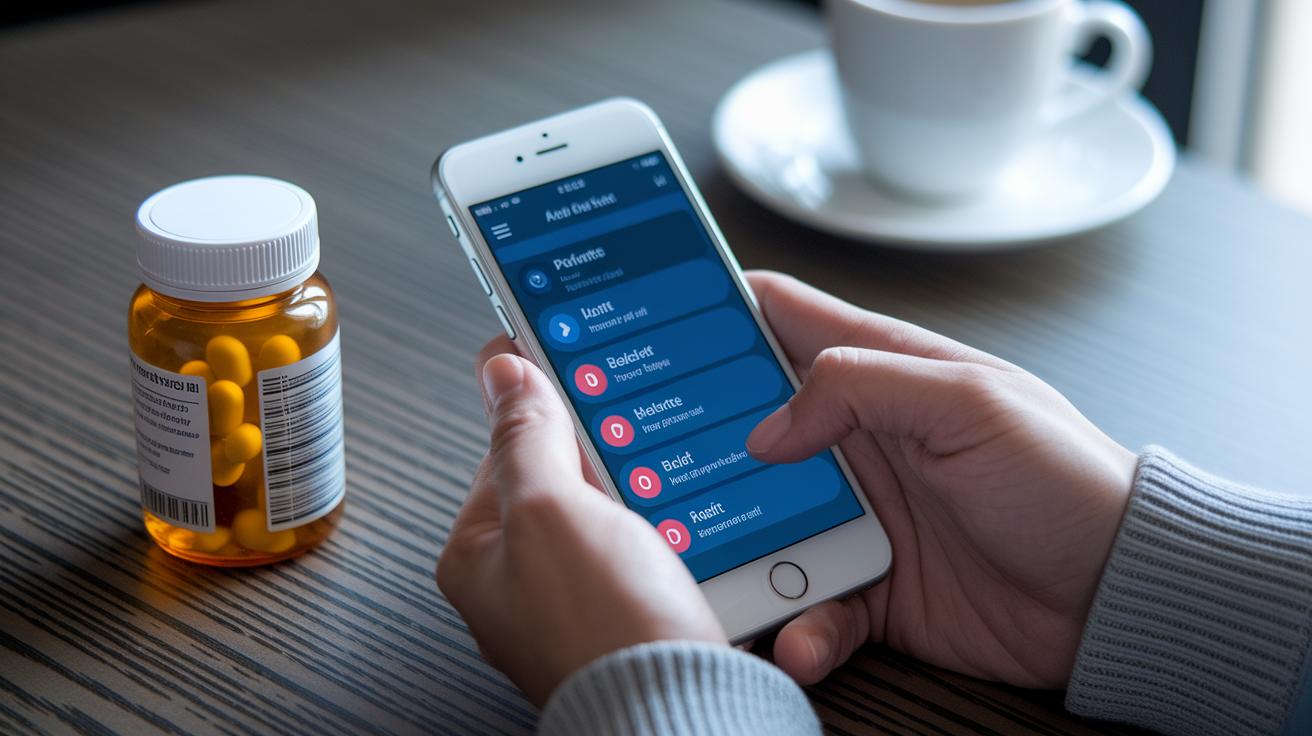
Patients are quickly embracing mobile medical tools. Many now rely on smartphones and wearables every day. Medication reminder apps help track your pill intake and send friendly notifications right when you need them. Simply put, these tools make taking your meds easier and even a bit fun. They turn a daily task into an engaging activity where you feel both guided and rewarded.
- Points and badges give you a little pat on the back while sparking friendly competition.
- Leaderboards add a game-like vibe to your routine and encourage regular check-ins.
- Automated pill tracking keeps a clear record so you’re less likely to miss a dose.
- Smart digital tools adjust reminders based on how you actually use the app.
Really, these game-like features are making a real difference. Users say that seeing visual rewards and tracking their progress helps them stay on top of their medication routines. When everyday tracking meets fun extras like points and rankings, it makes sticking to your schedule that much easier.
This approach not only simplifies managing your medication but also builds a supportive system that motivates you to reach your health goals each day. As more people use these tools, healthcare providers notice fewer missed doses and better overall adherence, a win for you and your long-term well-being.
Digital Therapeutics and Clinical Decision Support Enhancing Compliance Plans
Digital therapeutics use computer programs to offer tested health advice that feels personal and easy to follow. They bring in friendly tips like stress check reminders and slight adjustments to your routine. Imagine getting a gentle nudge on your smartphone that says, "Time for your stress check, let's tackle today." It helps you feel involved and supported as you work through your plan.
Clinical decision support systems mix your health data with simple, smart rules to suggest the best time for a med change or treatment update. They look at your habits and background to give you advice that fits right into your day. Picture a message saying, "Based on your recent activity, your next dose is best scheduled now." It makes care more precise and keeps things simple.
Compliance algorithms tweak your follow-up reminders in real time, using info from your apps and devices. They adjust digital prompts and educational messages to match your changing needs. Imagine a friendly alert that cheers you on, "Great job yesterday, let's keep this positive trend going today!" By combining clear digital tips with smart support and adaptable reminders, this approach makes it easier to stick with your treatment plan.
Interoperability and Secure Data Integration in Patient Compliance Platforms

Interoperability standards like HL7 FHIR work as a friendly bridge between various healthcare tools, such as electronic health records, remote monitoring devices (gadgets that keep track of your health from afar), and patient apps. This approach ties together clinical, pharmacy, and billing systems into one smooth process so you don’t get lost in confusing data pockets. Whether you're checking test results or setting up a follow-up, these guidelines make sure your important information travels safely and quickly across every platform.
Secure communication is just as important. It protects your delicate adherence data while following strict HIPAA rules that keep your personal health details safe. With connected health networks, care teams and patients share real-time updates, making it easier for doctors to notice changes and adjust treatments quickly. This mix of strong security and easy sharing not only builds trust but also helps manage treatment plans more effectively.
- Stick to common standards like HL7 FHIR to keep data exchange consistent.
- Combine clinical, pharmacy, and billing details into one smooth, error-free system.
- Use strong security measures and regular check-ups to protect patient info and stay compliant.
Final Words
in the action, telehealth tools, digital patient portals, AI analytics, mobile apps, and clinical decision support all play a part in making care accessible and engaging. Each section revealed how these elements work together to boost adherence and simplify communication between patients and providers.
Together, these healthtech strategies for improving patient compliance empower us to manage treatment plans with ease and a renewed sense of optimism for everyday well-being.
FAQ
How to improve patient compliance with medication?
Improving patient compliance with medication involves using telehealth and remote monitoring tools to send timely reminders, track real-time data from wearables, and provide prompt follow-ups with automated messages after missed appointments.
What does better patient compliance mean?
Better patient compliance means patients follow their prescribed treatment plans by taking medications on time, attending scheduled appointments, and using digital tools like patient portals to stay engaged with their health care.
What are effective strategies to improve medication adherence?
Effective strategies to improve medication adherence include leveraging telehealth platforms, digital reminder systems, and integrated scheduling tools, which collectively reduce missed doses and support continuous engagement with one’s treatment plan.
Why is medication compliance important in pharmacy and mental health contexts?
Medication compliance in pharmacy and mental health settings is vital for achieving optimal treatment outcomes, reducing relapse risks, and facilitating streamlined communication among care teams through secure digital platforms.
Can you give an example of patient compliance?
An example of patient compliance is a scenario where a patient receives automated SMS reminders, logs their pill intake using a mobile app, and accesses lab results through a digital portal, all of which help maintain a consistent treatment schedule.