


Ever wonder how small details can sometimes put you at risk? Even a simple zip code or something as unique as your fingerprint can matter. We keep your data safe by sorting out what needs extra care from what doesn’t. Think of it like choosing which puzzle pieces need extra protection. Every little bit of info plays a big part in keeping your personal data secure.
Understanding Personal Identifiable Information
Personal Identifiable Information (PII) means any detail that can single you out. It covers basic things like your full name, social security number, driver's license number, and home address. It also includes details like your birth date, place of birth, signature, and even biometric data such as a fingerprint scan. Some details, like a passport number, point directly to you. Others, like a zip code or birth date, might seem harmless on their own but can be combined with other data to reveal your identity. In the United States, a government office uses a strict definition of PII, and laws like HIPAA work extra hard to protect medical records.
It’s important to know the difference between sensitive and non-sensitive PII. Sensitive PII involves information like financial account numbers, full names paired with addresses, and health records, which all need strong protection. Non-sensitive PII, like a general birth year or zip code, is often available in public records. Still, even this basic data can pose privacy risks when mixed with other pieces of information. For example, linking someone’s birth date with a common last name could single them out in a large set of data.
Every bit of data matters. Even small details can add up to expose your identity, which is why keeping them safe is so important.
2. Personal Identifiable Information and Data Safety
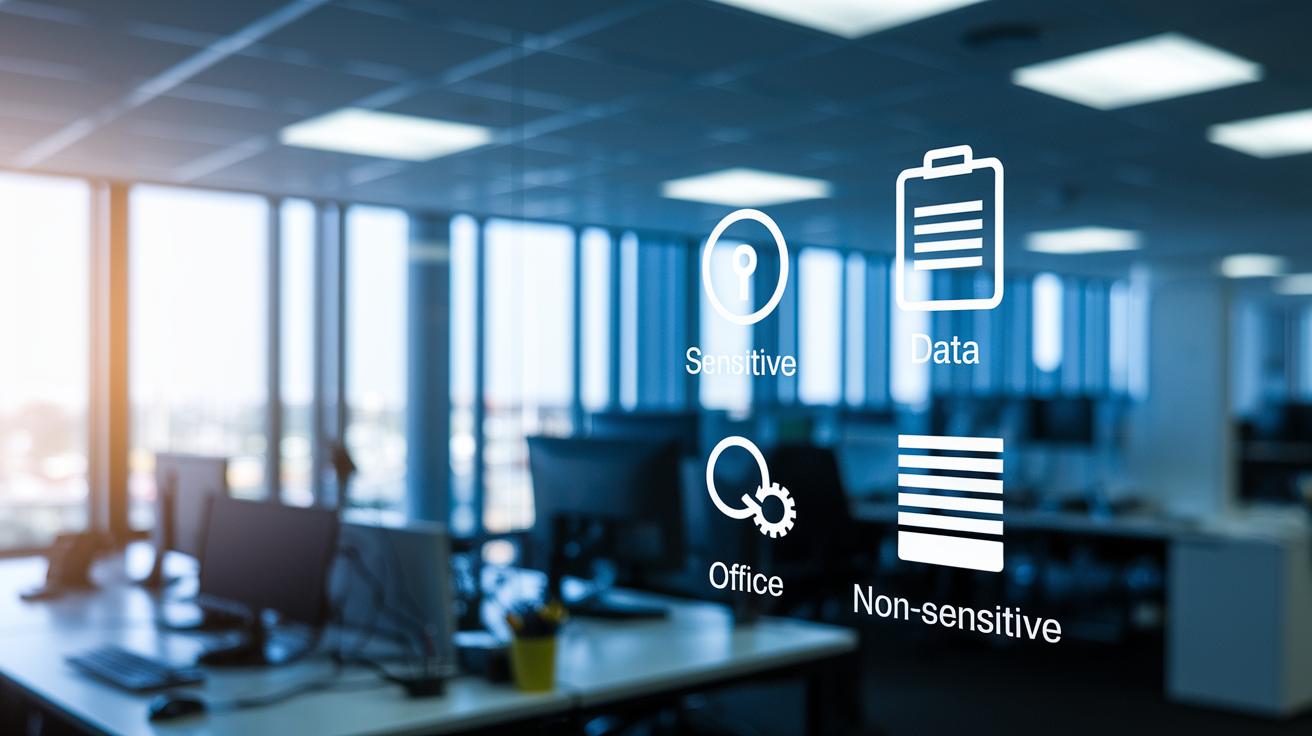
We protect your data by sorting personal details into two groups: sensitive and non-sensitive. This helps digital health tools follow the rules and keep your info safe.
Sensitive PII includes things like:
- Social security number
- Full name
- Financial account numbers
- Medical records
- Driver's license number
Non-sensitive PII covers details like:
- ZIP code
- Birth year
- Gender
- City of residence
- Country
Even though non-sensitive pieces might not seem risky on their own, putting a few together can reveal a lot about you. For instance, if someone knows you were born in 1980 and live in 90210, they might be able to figure out who you are. Lately, experts have started looking more closely at these combinations. They use more detailed risk checks to make sure that all parts of your profile stay secure as rules evolve.
Regulatory Frameworks for Personal Identifiable Information Compliance
Privacy rules in the digital space tell us how to handle personal data across borders. Laws like GDPR, CCPA, CalOPPA, and HIPAA give people control over their own information. They also push organizations to keep it safe. Today, about three-quarters of countries have privacy rules, showing that protecting data isn’t just a local issue, it’s a global priority.
Take GDPR, for example. Under this law, all personal data is treated as special information. It allows each person to check, update, or remove their data as needed. The ePrivacy Directive works hand in hand with GDPR by focusing on keeping our communications private. So, if you spot old information linked to you, you can ask for it to be updated or erased. It's all about sharing the responsibility for privacy.
In the United States, a few laws work together to secure our data. CCPA lets residents know what data is collected, ask for its deletion, and even choose whether their data can be sold. Likewise, CalOPPA requires sites to explain their data practices and provide ways to opt out. And then there's HIPAA, which adds extra protection for health-related details. Whether it’s your bank details or medical records, these laws help ensure that your personal data stays safe and clear.
Around the world, many countries are also stepping up their privacy efforts. Turkey’s KVKK, for instance, has rules much like GDPR, emphasizing user rights and strict security. As more nations adopt similar rules, organizations need to adjust their practices no matter where they operate. In truth, keeping personal data secure is a promise we all share, no matter where we are.
2. personal identifiable information Boosts Data Safety

Organizations boost data safety by only holding on to what they really need. When extra personal information isn’t collected, there’s less chance it could fall into the wrong hands. Many companies now review their data often, deleting or archiving old details. I recall a time when companies stored heaps of unnecessary info, making it easier for breaches to occur. Keeping data lean not only cuts risk but also builds trust with users who know their details won’t outstay their welcome.
Next, a smart technical setup and ongoing checks are key. Setting up your cloud storage with the right permissions (like in systems such as Amazon S3) stops unwanted access. Regular scans and continuous monitoring help catch any strange activity before it gets out of hand. Imagine getting a gentle notification alert on your phone that something might be off, it’s like having a friendly security guard for your data.
Another neat security trick is using classification controls. By mapping data and assessing risks, organizations can figure out which bits of information need extra protection. They give highly sensitive info an extra layer of security, while less critical data gets a simpler shield. This careful matching of security measures to risk levels keeps any potential breach from impacting the whole system.
Risks and Consequences of Personal Identifiable Information Breaches
When your personal details end up in the wrong hands, it can cause a lot of problems. Cyber crooks use tricks like ransomware (where they lock your data until you pay up), spear phishing (when scammers pretend to be someone you trust), and business email compromise (scams that occur over email) to grab your important information.
Once hackers get a hold of your details, the damage can be huge. Identity theft might leave you feeling drained and stressed, as you could lose money and deal with a messy recovery process. It really disrupts your everyday life.
It's not just about personal loss either. Companies might face steep fines, sometimes as high as 4% of their global revenue. Beyond the financial hit, a breach can seriously hurt a company’s reputation, shaking customer trust and making future business a real challenge.
On top of that, data breaches drag businesses into a legal labyrinth. They may have to deal with lengthy investigations and expensive lawsuits, all while spending valuable time and resources. And if they delay notifying affected users, regulators might slap on even more penalties.
Real-life examples show that when companies fail to alert people quickly, the fines and repair costs can skyrocket.
Technical Strategies for Personal Identifiable Information Security
Think of your personal data like a treasured item locked away with high-quality locks. Technical controls work much like these locks by guarding your digital information. Encryption, for example, scrambles your data into a secret code that only you can unlock. It works whether your information is stored on a device or zooming across the internet. And then there’s anonymization, which removes personal clues so that even if someone sees the data, it’s almost impossible to trace it back to you.
Role-based access and multi-factor authentication are like a trusted doorman checking IDs, only the right people get in. Regular vulnerability scans and monitoring tools act as a watchful eye, catching odd behaviors before they turn into big issues. Imagine getting a quick alert on your phone if something unusual pops up. It’s a small reminder that your digital safety is being taken care of.
| Control | Purpose |
|---|---|
| Encryption at rest | Keeps stored data safe from unauthorized access |
| Encryption in transit | Secures data while it’s moving across networks |
| Anonymization | Removes personal identifiers to lower the risk of being recognized |
| Access controls | Uses role-based permissions and multi-factor checks to limit access |
| Continuous monitoring | Spots unusual activity and potential breaches |
These measures all help make sure your personal information stays secure. They build trust and make digital health tools not only smart but safe too.
Organizational Policies and Training for Personal Identifiable Information
Organizations have clear rules on how long they keep data and when to delete it. These guidelines make sure they follow the law and only store information that is really needed. By deleting unneeded data right away, they reduce risks if a security breach ever happens.
Regular training for staff is another important part of keeping data safe. Employees learn how to spot suspicious emails and handle private details with care. Short, focused sessions with examples, like noticing a strange email request, help everyone avoid mistakes that could lead to data exposure.
Audits and incident response plans round out this approach. Regular checks make sure everyone follows the data rules. And if an issue does come up, a clear plan lets teams act quickly. For instance, they might isolate the affected system and notify both staff and users immediately. This mix of practical policies, ongoing training, and fast responses creates a solid, people-focused defense for protecting personal identifiable information.
Final Words
In the action, this guide explained what personal identifiable information means. We broke down direct and indirect identifiers, provided everyday examples, and compared sensitive with non-sensitive data.
We also covered practical security tips, regulatory frameworks, and organizational policies that keep your information safe. Each point showed how simple steps can protect data and give you confidence in digital healthcare. Enjoy the ease that comes from knowing your personal identifiable information is handled with care.
FAQ
Q: What is considered personal identifiable information?
A: The term personal identifiable information means data that can single out a person, like a full name, social security number, birth date, and address.
Q: What is PII in cybersecurity?
A: The term PII in cybersecurity refers to data that can identify an individual and is targeted by hackers, such as direct markers (passport numbers) and indirect markers (zip codes).
Q: How is PII protected?
A: The question of how PII is protected is answered by using methods like encryption, secure storage, and role-based controls to keep personal data safe from unauthorized access.
Q: What are examples of PII?
A: The list of PII examples includes a full name, social security number, driver’s license, financial account numbers, and medical records, all of which are sensitive personal details.
Q: Is email considered PII?
A: The question of whether email is considered PII shows that email addresses can be identifiable if linked to a person, making them part of the personal data set that requires protection.
Q: Is home address considered PII?
A: The query about a home address as PII confirms that a home address is identifiable when associated with an individual and thus calls for proper data safeguarding practices.
Q: What does PII compliance entail?
A: The idea of PII compliance means following rules and guidelines designed to protect personal data, ensuring that organizations handle sensitive information securely and report breaches as required.