
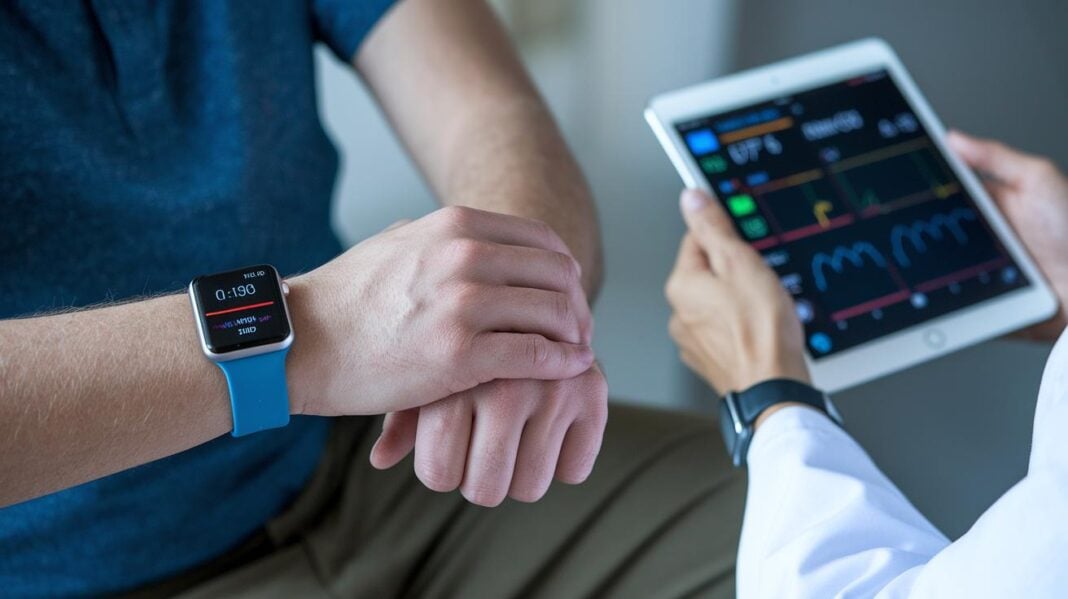

Ever wonder if your phone might catch a health issue before it becomes a big deal? Today, mobile technology is changing how we keep an eye on our well-being, even from far away. Real-time updates and early alerts mean patients and doctors can stay connected in ways we never thought possible.
This new approach helps health professionals respond quickly when it matters most. It feels almost like having care right next door. In short, remote patient monitoring promises faster feedback and easier access to important health information, right at your fingertips.
Delivering on the Future of Remote Patient Monitoring with Mobile Tech
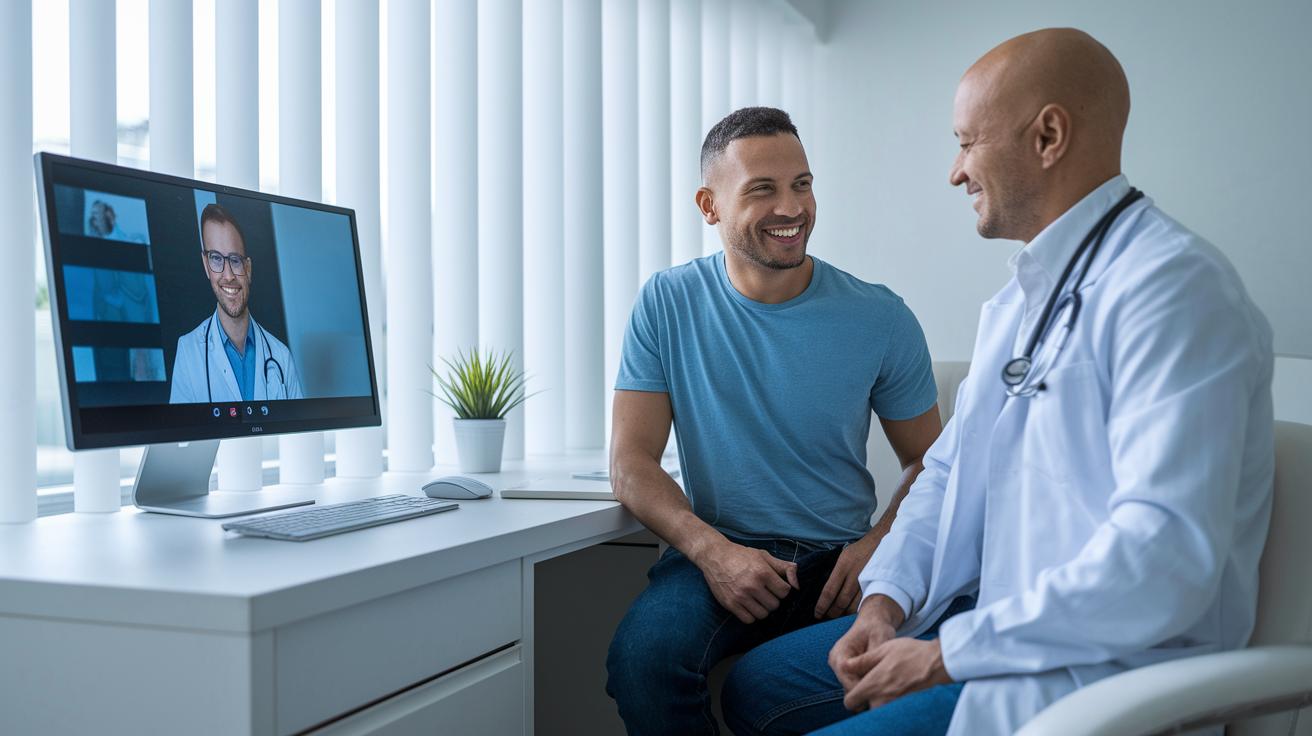
Mobile technology is changing the way we get healthcare. In 2021, this field was worth $1.45 billion and is expected to hit $4.07 billion by 2030, growing every year. More U.S. doctors are using cell-based devices for virtual appointments that help track vital signs, symptoms, and medications from afar.
By blending wearable sensors, telehealth apps, and cloud platforms, health data can be collected and checked in real time. This means doctors get instant insights to make faster decisions. For example, smart computer tools can spot small changes in a patient’s condition and send early alerts, helping to lower hospital readmissions and bring care together more smoothly.
Mobile care now lets healthcare providers stay connected with patients all day, every day. This tech breaks down old barriers, making it easier for patients to manage chronic conditions. The mix of telemedicine and cutting-edge cellular devices is truly reshaping how we monitor and improve health outcomes.
As remote monitoring continues to get better, both patient care and system efficiency receive a boost. Doctors can keep in touch with their patients no matter where they are or what time it is. Isn’t it amazing how technology brings us closer to better health?
Emerging Mobile Technologies Driving Remote Patient Monitoring Advancements
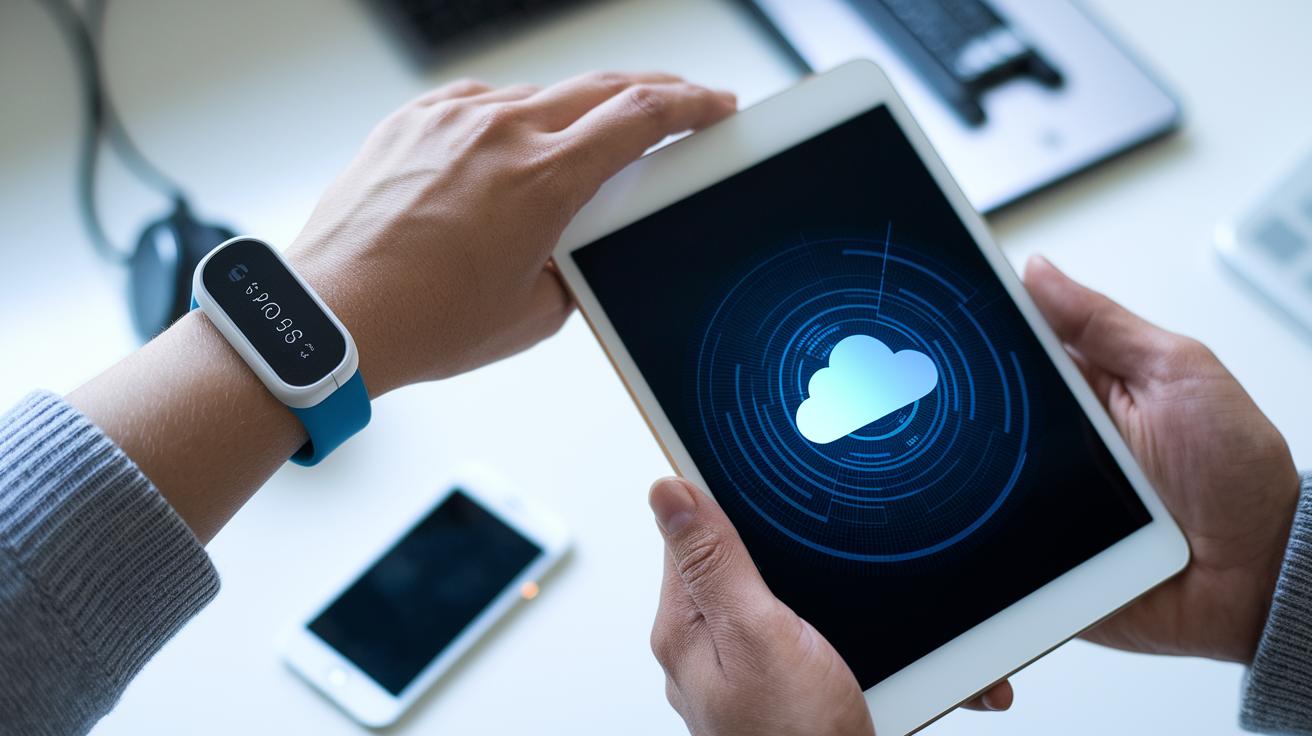
Mobile tech has come a long way from the old ways of remote monitoring. Today’s innovative devices mix data from heart rate, blood sugar, and movement sensors to catch even the slightest changes in your health. A clinic recently discovered that when they combined movement and heart rate information, they were able to notice shifts much sooner than usual. New IoT rules mean that devices can easily talk to each other, sharing data in smarter ways than before.
- Wearable sensors that watch your health all day (wearable tech for health)
- Cloud tools that gather and store your data
- Smart AI that predicts your health trends
- Multi-sensor platforms that mix various data points to give a clear health picture (like combining movement and heart rate to spot early changes)
- IoT tech that makes devices work together smoothly
- Cellular devices that let you monitor your health wherever you are
Integration Strategies for Connected Remote Patient Monitoring via Mobile Platforms
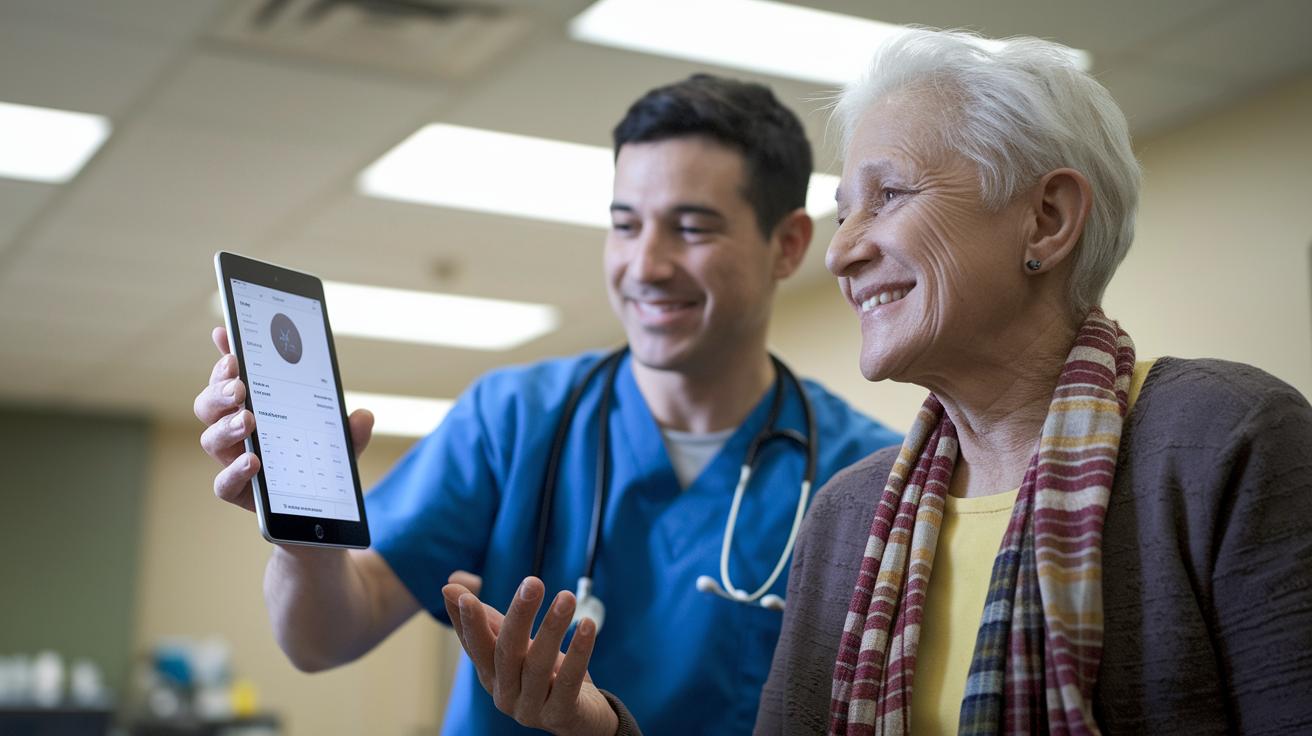
Organizations are mixing mobile RPM into their clinic systems using fresh, modern ideas. They use methods like MVP development, SaaS solutions, and full digital transformation to blend remote monitoring with current EHR and telehealth tools. For example, the McKesson 3PL case shows how connecting wearables with clinical dashboards can smooth out data flow. This makes decisions quicker and keeps everything reliable.
These techniques make it easier to set up new systems. They create a network that links different parts of care. It’s like putting together a puzzle where every piece fits just right.
| Integration Strategy | Benefit |
|---|---|
| MVP Development & Platform Modernization | Quickly blends RPM into EHR and telehealth portals for a smooth data flow. |
| SaaS RPM Solutions | Fast to deploy in hospital IT systems while cutting down on hassles and boosting efficiency. |
| Digital Transformation Processes | Merges remote monitoring with population health care and daily operations to build a unified network. |
By using these ideas, healthcare teams can build telehealth systems that work well for both patients and clinicians. This connected setup lets data travel safely and correctly across care networks, which helps guide better treatment decisions. Ultimately, these strategies not only tidy up health data management but also strengthen the overall links needed for effective virtual care.
Addressing Security and Compliance in Mobile Remote Patient Monitoring
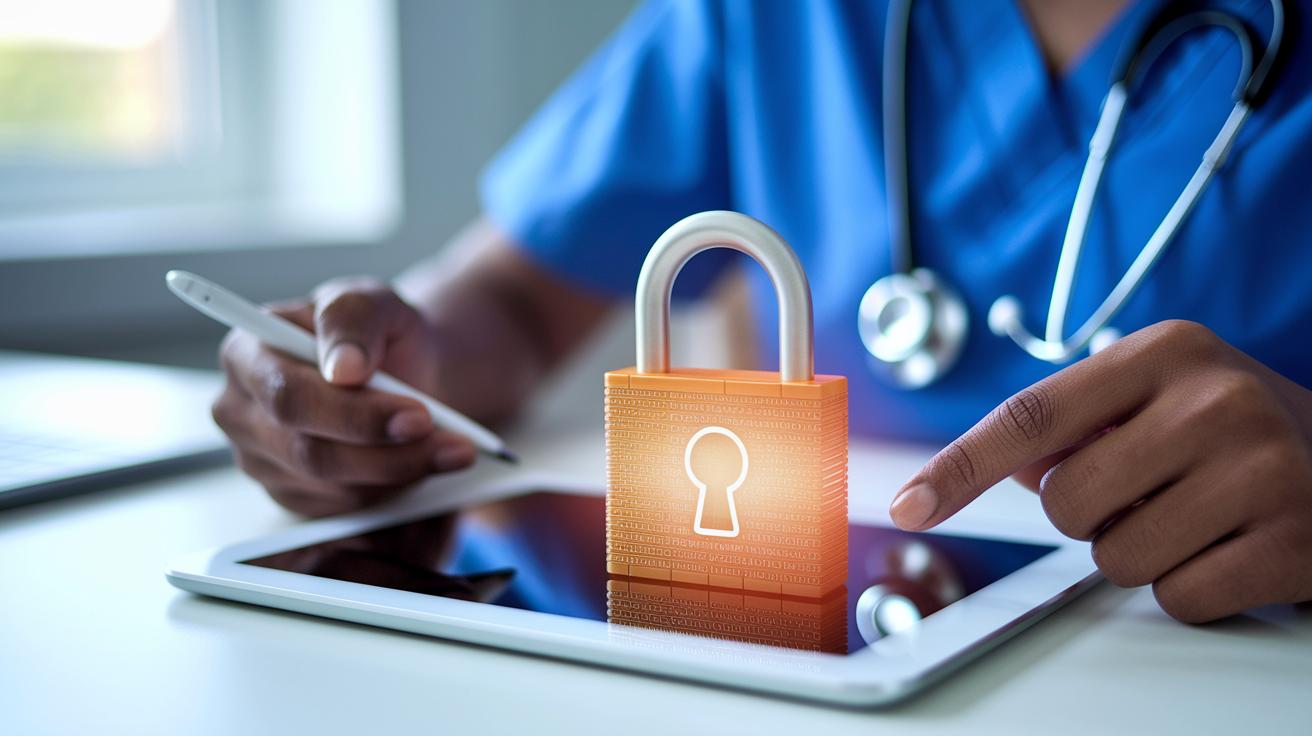
Mobile Remote Patient Monitoring can seem a bit tricky with concerns about cost, tech integration, and protecting your data. These days, many ready-to-go systems come with encryption built right in and follow HIPAA rules to keep information secure. Health providers use strong firewalls, secure data channels, and clear server rules to protect patient records from breaches. It really helps ease worries about complex setups while keeping your health details safe.
Compliance is a moving target in mobile RPM, as rules change fast. Health administrators adapt to new guidelines for reimbursement and data management, always keeping up with advancements. For example, one URAC-accredited provider, set up in 2006, supports over 22,000 doctors and serves more than 42 million people. Their method shows that matching digital tools with current rules can ease cost pressures and technical hurdles. This steady system gives health networks a clear way forward as regulations evolve.
Ethical care matters too. Providers treat your personal data with respect, taking every step to safeguard each detail and keep your privacy a top priority.
Real-World Outcomes and Case Studies for Mobile Remote Patient Monitoring
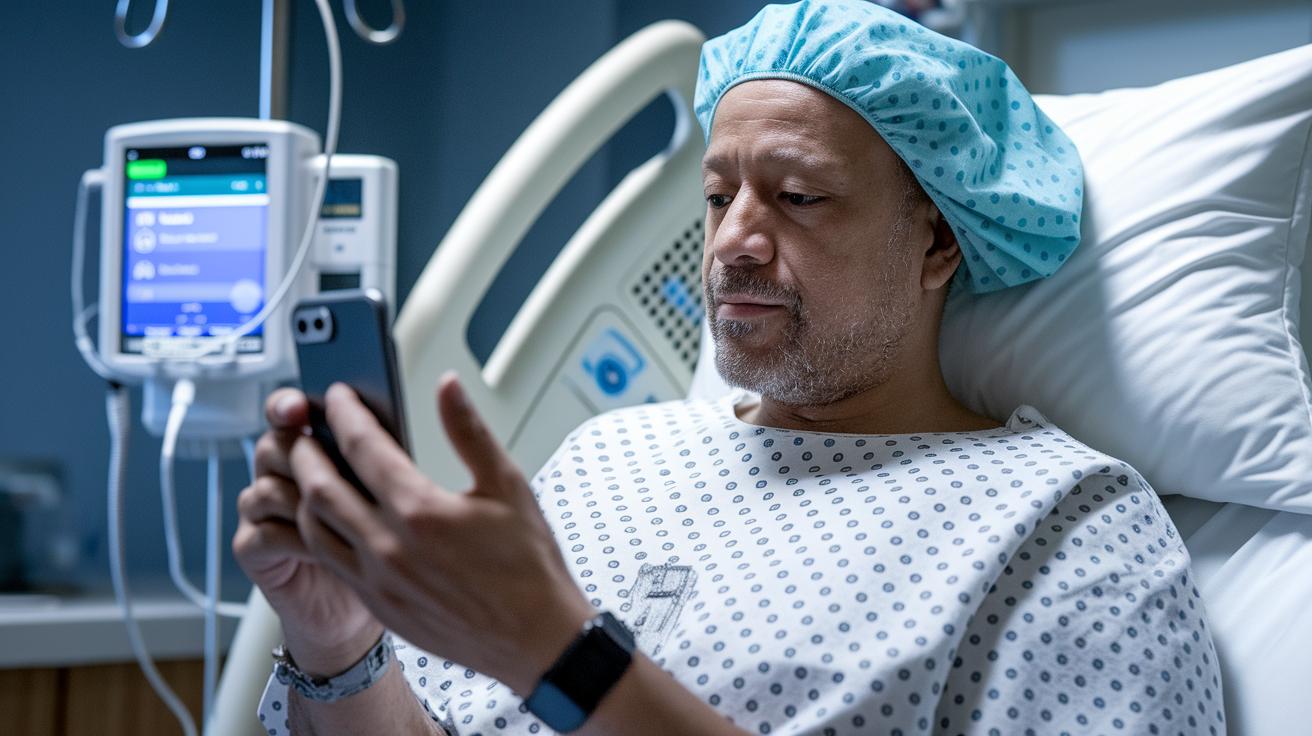
Mobile remote patient monitoring is changing how hospitals care for patients. It’s showing real, measurable benefits. For example, studies have found that these programs can reduce hospital readmissions by up to 25% for patients with conditions like congestive heart failure and chronic obstructive pulmonary disease (a lung condition). Imagine getting a friendly alert on your phone that reminds you to check in on your health. That simple nudge can make a big difference.
One standout story comes from a healthcare provider who combined wearable technology with a mobile app to create lasting virtual care connections. This approach improved medication adherence by 30%, proving that a daily digital reminder can help you stick to your treatment plan. Another case saw a software-as-a-service (SaaS) solution for remote monitoring grow its reach by adding care for 5,000 new users in just one year. Hospitals have also enjoyed a 15% reduction in in-person visits, which lets the staff focus on patients with more complicated needs.
These examples show that mobile remote patient monitoring isn’t just a trend, it’s a real game-changer for healthcare. It not only helps reduce readmissions and improve medication routines but also makes clinical settings run more efficiently by lightening the load of physical appointments. With the ability to monitor your health from afar, mobile RPM is helping create better health outcomes and a smoother care experience for everyone.
Forecasting the Next Wave in Mobile Remote Patient Monitoring
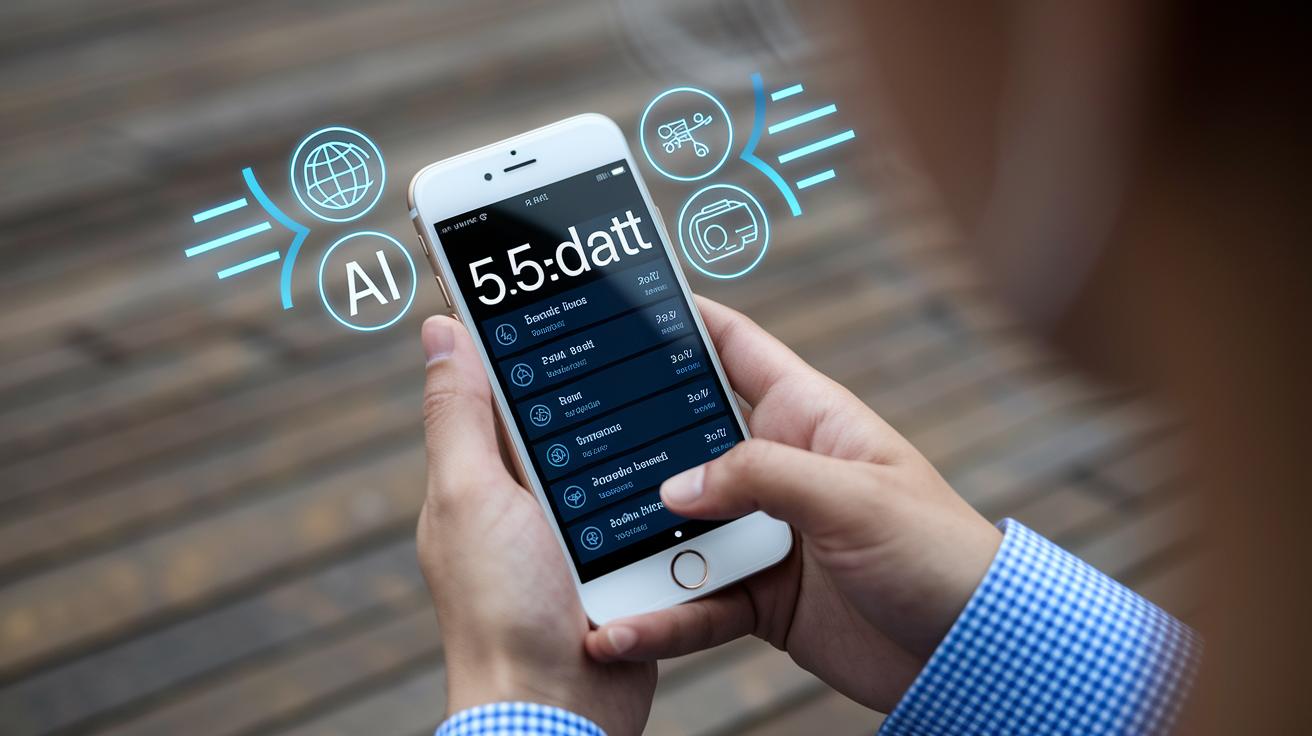
Imagine a time when your phone does more than just track your health, it can warn you about potential problems before you even notice any symptoms. AI and machine learning are quietly working in the background of your mobile device, checking for early warning signs like a caring digital guardian.
Thanks to the boost from 5G and edge computing, health data now zips around in real time. Patient information flows as fast as a race car, giving doctors the clues they need right when they need them. It’s like having a fast lane for your health data that makes quick support possible.
Big data platforms are another big part of this future. By gathering everyday health details from thousands of people, these systems create a clear map of each patient’s routine stats. This means doctors might soon spot tiny changes in your heart rate or blood sugar, even before you feel off.
There’s also a shift happening away from traditional hospital settings. Now, clinical trials and ongoing monitoring can happen anywhere, at home, at work, or even while you’re on the move. Automated systems are getting smarter and easier to use. For instance, one neat setup might gently alert you when a small change in your stats suggests it’s time to check in with your doctor.
With technology moving fast, digital care systems and connected patient tracking are changing our view of healthcare. In truth, we’re stepping into an era where proactive, data-driven care becomes a natural part of everyday life.
Final Words
In the action, we explored how mobile health tools are changing patient care from tracking vital signs with wearables to integrating data through secure cloud platforms. The article highlighted how improved technology brings clinical insights straight to your device, reducing readmissions and boosting reliable outcomes. Real-life examples and emerging trends show how these advancements simplify care, making health management both accessible and effective. The progress we see today truly shines a light on the future of remote patient monitoring via mobile tech.
FAQ
Wearable sensors for remote health monitoring
The wearable sensors for remote health monitoring actively track vital signs like heart rate and movement, sending continuous data to healthcare providers so they can quickly spot changes in patient health.
Real-time health monitoring using wearable devices
The real-time health monitoring using wearable devices keeps constant tabs on a patient’s well-being by delivering ongoing health data and instant alerts, helping providers intervene as soon as issues arise.
Remote patient monitoring solutions
The remote patient monitoring solutions combine smart sensors, telehealth tools, and secure cloud systems to track patient conditions remotely, making care more proactive and accessible beyond traditional settings.
Disadvantages of remote patient monitoring
The disadvantages of remote patient monitoring include data security risks, possible integration challenges with current systems, and dependency on reliable internet connectivity, which can sometimes limit its utility.
Need for remote patient monitoring
The need for remote patient monitoring comes from the growing shift in care settings, where tracking health metrics outside of clinical visits leads to improved outcomes and more responsive healthcare.
Current wearable health monitoring system
The current wearable health monitoring system utilizes advanced sensors and real-time data analytics to provide continuous updates on patient health, supporting timely interventions and strengthening overall care coordination.
Remote patient monitoring (RPM systems)
The remote patient monitoring (RPM systems) integrate wearables, AI analytics, and cloud technology to monitor patient conditions continually, making health management more practical and personalized from anywhere.
Increasing patient engagement through the use of wearable technology
The increasing patient engagement through wearable technology gives patients live health feedback, empowering them to take an active role in managing their wellness while keeping providers informed between visits.