


Have you ever wondered if your wearable could be like your very own health coach? Today's wearables do so much more than count your steps. They check your heartbeat, watch your movements, and even share little tips to help you feel better. With smart sensors and digital tools getting better all the time, these gadgets slip right into your everyday life. In fact, emerging trends show that they really can be your best friend on the road to better health.
Key Drivers Shaping Emerging Wearable Health Technology
The global wearable health tech market hit a value of $42.6 billion in 2023 and is on track to climb to $169 billion by 2029. This huge leap shows how much people are embracing digital health tools like fitness trackers that keep an eye on your heart rate and activity levels. These gadgets have become a part of your daily routine, blending solid health insights with a self-driven push for wellness.
Technological progress and everyday demands are really driving this change. Sensors have gotten much better, giving you accurate, real-time readings, while improved connectivity means your data flows smoothly without hiccups. On top of that, smart AI (think of it like a digital coach) turns basic tracking into friendly, personalized advice during workouts or even downtime. With more folks focusing on personal health, these innovations are setting the stage for even smarter, more helpful tech.
Together, these elements are fueling a wave of progress that you can’t ignore. Sharper sensors and reliable connectivity keep vital information coming, advanced AI transforms raw numbers into real tips, and rising consumer interest pushes ongoing innovation. It’s clear that wearable health tech is not just a passing trend, it’s a reliable companion making a big mark on our journey to better health.
AI and Machine Learning Advancements in Wearable Health Technology
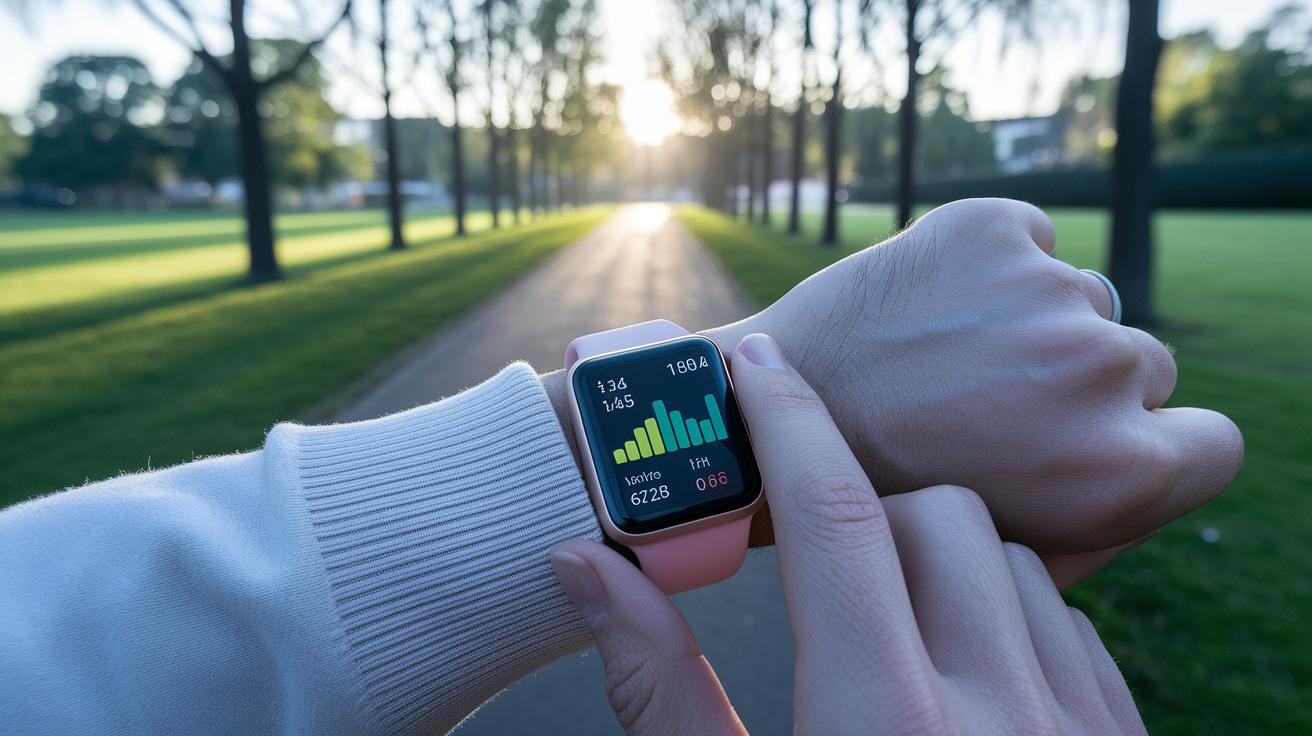
AI and machine learning are reshaping how our wearables work, turning everyday gadgets into constant, real-time health pals. These devices use smart techniques to keep track of your vital signs every moment. Imagine getting a health score that changes with your morning walk, it’s like having a friendly coach right on your wrist.
Picture this: a sensor that learns your habits, turning simple movements into clear signs of how you're doing. That’s AI creating a personal, data-driven experience just for you.
- Predictive health outcome analytics
- Personalized nutrition and fitness guidance
- AI-powered health scoring
- Conversational virtual assistant support
Looking ahead, these devices will only get smarter. Future wearables are set to fine-tune bioanalysis, offering wellness insights that feel even more in tune with your day-to-day life. They’ll learn your unique health needs and provide timely guidance and alerts that match your lifestyle. Each new breakthrough turns raw data into simple, friendly advice, helping you manage your health in a way that truly feels personalized.
Biosensor Innovations for Next-Gen Wearable Health Technology
Wearable devices aren't just simple step counters anymore. Today's gadgets keep track of many health details in real time. They watch over your heart rate, blood pressure, oxygen levels, skin temperature, activity, sleep, and even biochemical markers like glucose and cortisol. Imagine having clinical-grade data right on your wrist or clothing whenever you need it, it’s like having a mini health assistant with you all day. Cool, isn’t it?
These improvements come from advanced biosensor systems that offer a clearer look at your overall health, whether you're chilling at home or out and about. Have you ever noticed how a small piece of tech can give you peace of mind? It really makes staying on top of your wellness feel doable.
- Heart rate and blood pressure modules
- Oxygen saturation and respiration sensors
- Skin temperature and dermal thermometry
- Biochemical marker analysis
- Portable pulse measurement systems
A robust mix of sensors now supports smart monitoring of your body. They gather data from various sources like heart metrics, breathing rates, and even delicate skin temperature changes. Next, advanced vascular sensors and remote oxygen monitors keep an eye on essential health signals, even when you're not in a clinic. And hey, the addition of dermal thermometry units means even the tiniest temperature shifts are noticed, hinting at what might be going on inside.
By combining all these measurements seamlessly, these devices transform raw numbers into easy-to-understand health insights. It’s all about making it simple and comfortable to keep track of your well-being every single day.
Smart Textiles and On-Body Integration in Emerging Wearable Health Technology

Smart textiles are a cool new twist in wearable health technology. These fabrics come to life with tiny sensors and little controllers that keep track of your health and even the air around you. Picture a jacket that gently checks your heartbeat while it senses the room’s temperature and air moisture, it’s like your favorite outfit got a tech upgrade.
- Heart and movement sensors woven into the fabric
- Senses room data like temperature and humidity
- Materials that adjust to your surroundings
- Comfortable to wear and stylish too
Blending sensors right into fabrics opens up new ways to monitor health in real time. Yet, it comes with its own set of challenges. Designers must figure out how to make these textiles washable, keep the sensors tough, and still look good. Imagine trying to sew tiny tech parts into fabric that bends and moves every day. It means making the circuits really flexible and the material strong enough for everyday wear.
Each new step in this technology brings us one step closer to health gadgets that feel as normal as your daily clothes. And isn’t it amazing when technology and comfort work together so seamlessly?
Consumer Devices in Emerging Wearable Health Technology: Smartwatches to Smart Rings
Smartwatches have really taken center stage in wearable tech. Take the Apple Watch Series 10, for example, it checks your heart rhythm with an ECG monitor, keeps tabs on your blood oxygen levels, and even detects if you take a tumble. They’re like high-tech exercise bands that guide you every step of the way, making your workout feel both engaging and health-smart.
Smart Rings
Smart rings pack a punch in a tiny, stylish design. Even though they’re small, they quietly record important details like your heart rate and sleep patterns. It’s perfect if you want to keep an eye on your health without the bulk of a traditional smartwatch.
AR Glasses
AR glasses bring health tracking right into your daily look. They let you see your wellness stats straight in your field of vision, keeping your hands free for other things. It’s a neat, hands-free way to check in on your health without missing a beat.
When you compare these gadgets, smartwatches still offer a full range of features to help you stay active every day. Meanwhile, smart rings and AR glasses cater to those who like a simpler or more immersive experience. Even consumer VR headsets are gaining ground, showing that people are exploring every exciting option in wearable health technology.
Market Forecast and Future Directions for Emerging Wearable Health Technology
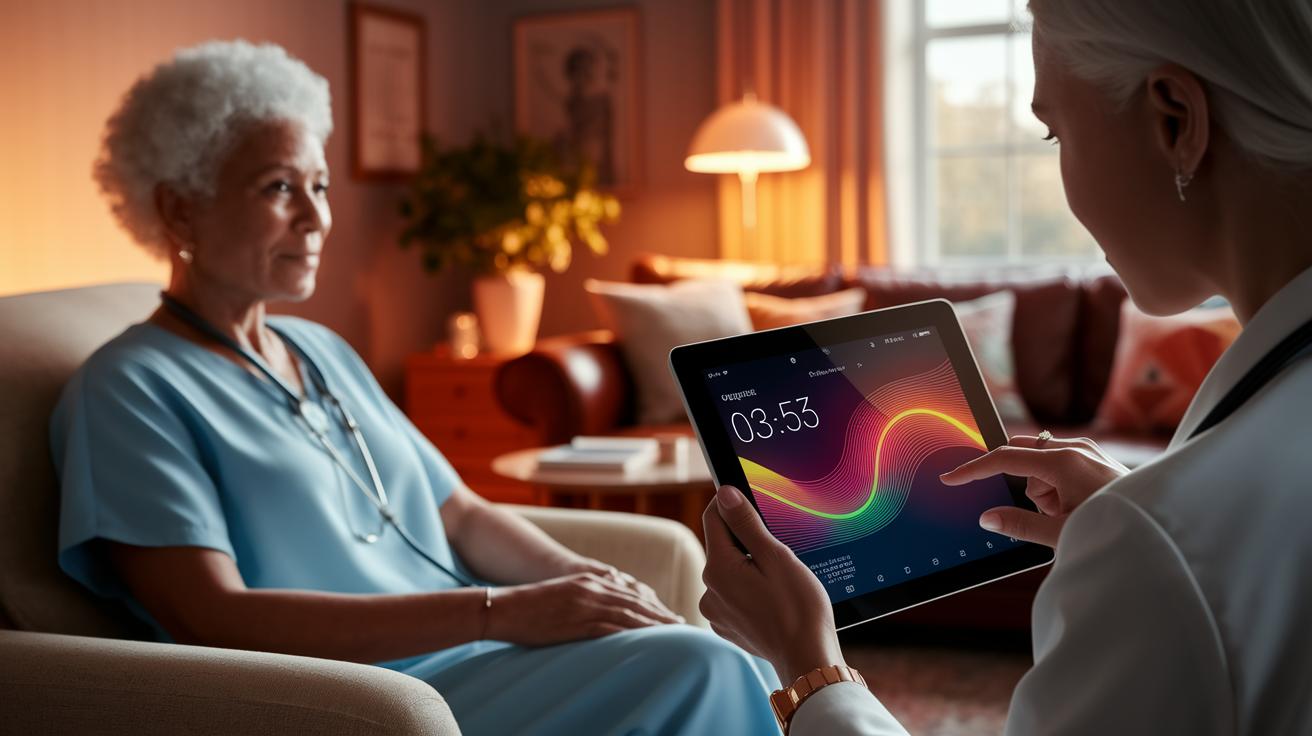
Wearable devices that help with remote patient monitoring are really changing how we manage long-term health problems. They track your heart rate, blood pressure, and oxygen levels in real time, so your doctor can notice changes right away. This constant stream of data makes you an active part of your own care, turning routine checks into a team effort. It feels good to know you’re in charge, doesn’t it?
This technology is also fueling a shift toward digital wellness platforms, which are designed to make keeping an eye on your health easy for everyone. Remember the first time you used a simple health app? Its gentle reminders and clear stats can work wonders in easing your day-to-day worries. You can learn even more about this important change at Remote Patient Monitoring Technology.
Key strategies for success include:
- Keep patient privacy a top priority.
- Adapt solutions to fit local market needs.
- Explore new categories of wearable devices.
There’s also a big push to protect your sensitive information. With new rules and a stronger focus on data privacy, companies are crafting devices that keep your details secure while still providing reliable readings. Experts believe that the market for these technologies will keep growing, bringing together everyday lifestyle data with trusted medical insights.
Industry experts are getting ready to seize new opportunities as the wearable market expands. They’re tweaking product security, adapting solutions for local differences, and investing in fresh, innovative device types. All these changes are geared toward smarter, more effective ways to manage chronic conditions around the globe.
Final Words
In the action, wearable health technology is making strides through smart fitness trackers, biosensors, advanced AI, and smart textiles. The market is blooming, driven by innovations like continuous heart rate monitoring, portable pulse measurement systems, and interactive devices such as smart rings and AR glasses.
Recent breakthroughs are paving a path toward personalized care and a solid healthcare network. Emerging trends in wearable health technology promise a future where managing your health feels as natural as checking your phone.
FAQ
What is the future of wearable technology in healthcare?
The future of wearable technology in healthcare means more advanced sensors, AI-powered monitoring, and innovative devices like those seen in 2025, all paving the way for continuous, personalized health insights.
What are the top wearable health devices and examples in the industry?
The top wearable devices include smartwatches, smart rings, and AR glasses. They offer continuous biometric tracking and interactive features, making daily health monitoring accessible and effective.
What trends are shaping the wearables industry and healthcare?
Trends shaping the industry include improved sensor accuracy, AI integration for real-time analysis, and seamless on-body integration, which together drive proactive health management and personalized wellness insights.
What does scholarly research say about wearable technology in healthcare?
Scholarly research in wearable technology emphasizes sensor innovations, AI-driven predictive analytics, and real-time biometric assessments, underscoring their growing role in enhancing patient care and chronic condition management.
How does wearable technology impact healthcare?
Wearable technology impacts healthcare by offering continuous monitoring, real-time health insights, and improved management of chronic conditions, empowering users to actively engage in their own health care.
What emerging innovations will drive wearable technology in 2025?
Emerging innovations for 2025 include integrated biosensor systems, smart textiles, and enhanced wireless connectivity, which facilitate advanced health tracking and provide more intuitive, responsive user experiences.