


Have you ever thought about how a doctor might use digital data during a tough surgery? Augmented reality is now in the operating room, helping doctors see important signals and patient images in real time. It turns complicated details into clear, easy-to-read pictures.
This cool tech makes decisions faster and care safer. And it’s not just about surgery, it’s opening up new ways to train doctors and treat patients. Isn’t it amazing how a simple overlay can change the way medicine feels?
How Augmented Reality Shapes Modern Healthcare
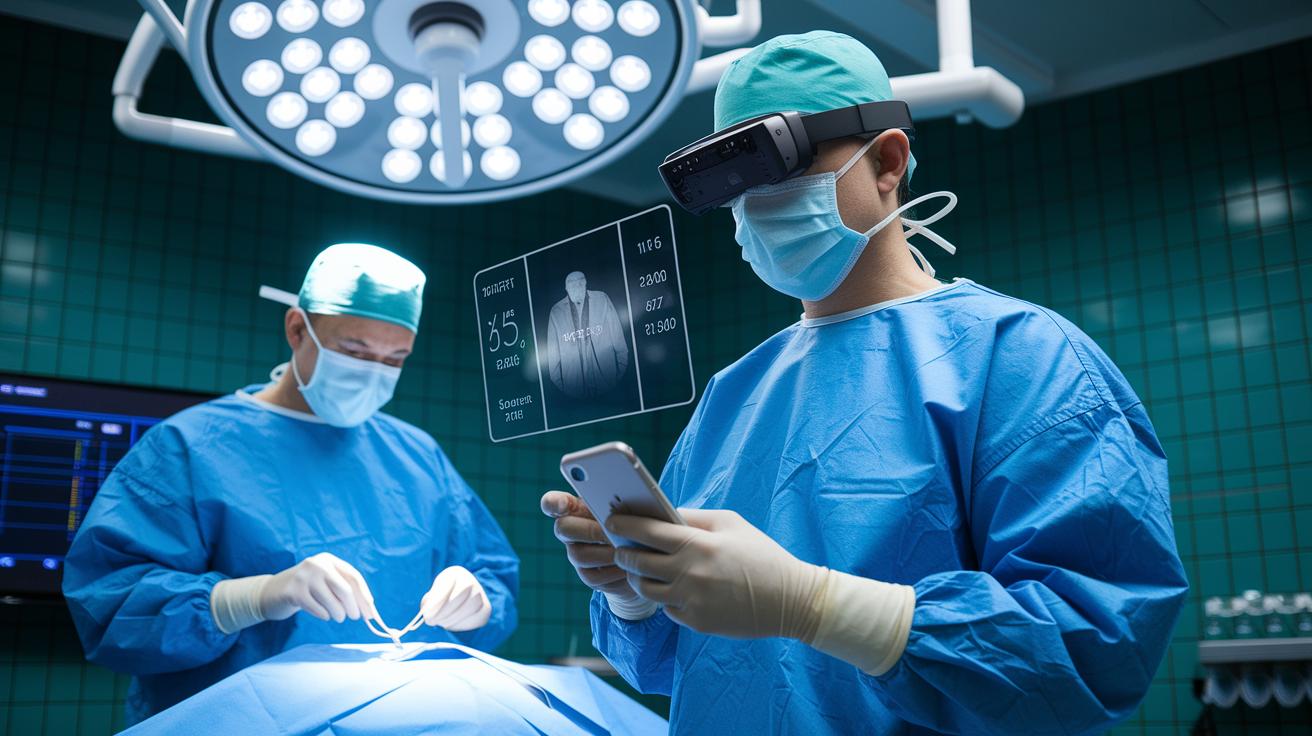
Augmented reality is changing healthcare in exciting ways. It mixes digital information with what you see in the world around you. Experts say that by 2030, the AR and VR market in health could grow to over $10 billion. This big jump comes from new ways to care for patients from afar, help during surgeries, and innovative training exercises.
Doctors now use head-mounted devices that show patient details like vital signs and images right when they need them. This means that complicated info turns into clear, smart visuals during a procedure. It almost feels like having a guided map that leads every step.
This technology uses crisp graphics, easy-to-understand text, sounds, and even a touch of vibration to create fun and useful experiences. For example, AR simulations let teams practice emergency drills and fine-tune their skills. This extra practice helps lower the chances of mistakes when real emergencies happen. Plus, immersive AR overlays make planning surgeries simpler and more accurate by showing detailed, real-time info.
For more on digital health ideas, visit health tech solutions.
Immersive Medical Training with Augmented Reality

Many health training programs are finding that students and professionals often miss out on real, hands-on practice. They usually work in low-risk settings that don't quite match the pressure of a real hospital. Experts even warn us that we could face a shortage of 124,000 doctors by 2034. That makes stepping up the training game a real must-have. Enter augmented reality (AR) digital learning. With AR, learners can actually experience realistic, hands-on practice without any danger.
AR and VR let you try out tough procedures and patient care routines in a safe, virtual space. Imagine practicing a complicated surgery or managing an emergency drill, all from your screen. These simulations bring classroom theory to life, showcasing details that textbooks just can’t match. For example:
- Hands-on surgical simulations that let you practice complex operations in a controlled virtual setup
- Emergency drills that mimic urgent care, helping you build confidence even under pressure
- Patient care exercises that recreate real treatment scenes to boost smart decision-making
- Digital anatomy lessons with interactive 3D models that show the body in clear detail
- Simple hand hygiene training where just a two-minute session helped over 80% of participants in Ireland and Scotland reach their goal
The best part is that you see real-time feedback. This means you can learn from each step right away, focusing on what you need to improve. Studies even show that these digital simulations cut down on training errors, making patient safety a top priority. In truth, by turning theory into engaging, real-life practice, AR is making healthcare training more effective and preparing a stronger, more confident workforce for tomorrow.
Augmented Reality in Surgical Planning and Navigation

In June 2020, a group of brain surgeons showed off how augmented reality helped during tough procedures like spinal fusion and tumor removal by using head-worn displays. This nifty technology projects a custom 3D model of the patient right onto the surgical area so surgeons can see hidden details like blood vessels and nerves in real time. It works like a live preview that helps plan each step and even lets doctors prepare for surprises. One surgeon described it as having a live map that guides every move, adding a clear sense of control to the room.
During surgery, these AR tools prove to be lifesavers. The built-in, real-time updates mean that if tissues shift unexpectedly, the digital images adjust on the spot. This keeps everything in sync and helps the whole team work together smoothly.
Smart surgical navigation systems take it a step further by overlaying critical structures such as vessels and nerves onto a live view. Using these tools, instruments can be controlled with sub-millimeter precision. This extra detail transforms the whole process, giving surgeons the confidence to handle even the trickiest parts of an operation.
Real-Time Diagnostics and Imaging via Augmented Reality

AR tools are changing how doctors spot problems and plan treatments right when you need them most. For example, Google's AR microscope acts like a smart helper. It shows potential cancer cells by putting digital markers on cells during a check-up. In simple terms, it points out what to look at closely. At the same time, AR can turn CT and MRI scans into easy-to-see 3D maps that sit right on the patient. Imagine a surgeon seeing your arteries and tumor edges in real time, just like a digital map over your body. It makes tough procedures easier to understand and safer to do.
Next, there are smartphone AR apps that scan parts of your body and add symptom data to the view. This lets both patients and remote health experts see and share clues about what might be going wrong. Picture using your phone to check if a spot on your skin might need a doctor’s visit. These smart imaging tools help detect issues early and give clear visuals that guide treatment and follow-up care. Mixing accurate digital images with live data lets doctors decide quickly and confidently.
| Application | Description |
|---|---|
| AR Microscope | Highlights potential cancer cells in real time, helping doctors catch problems early. |
| 3D Imaging Overlay | Turns CT and MRI scans into interactive maps that show key details during surgery. |
| Smartphone AR Scan | Scans body regions to overlay symptom data, making it easier to decide if you need extra care. |
When these AR tools become part of everyday care, diagnoses happen faster and with greater precision. This smooth mix of digital imaging with hands-on care not only speeds up treatment decisions but also makes clinical practices safer and more confident.
Enhancing Patient Engagement and Rehabilitation through AR
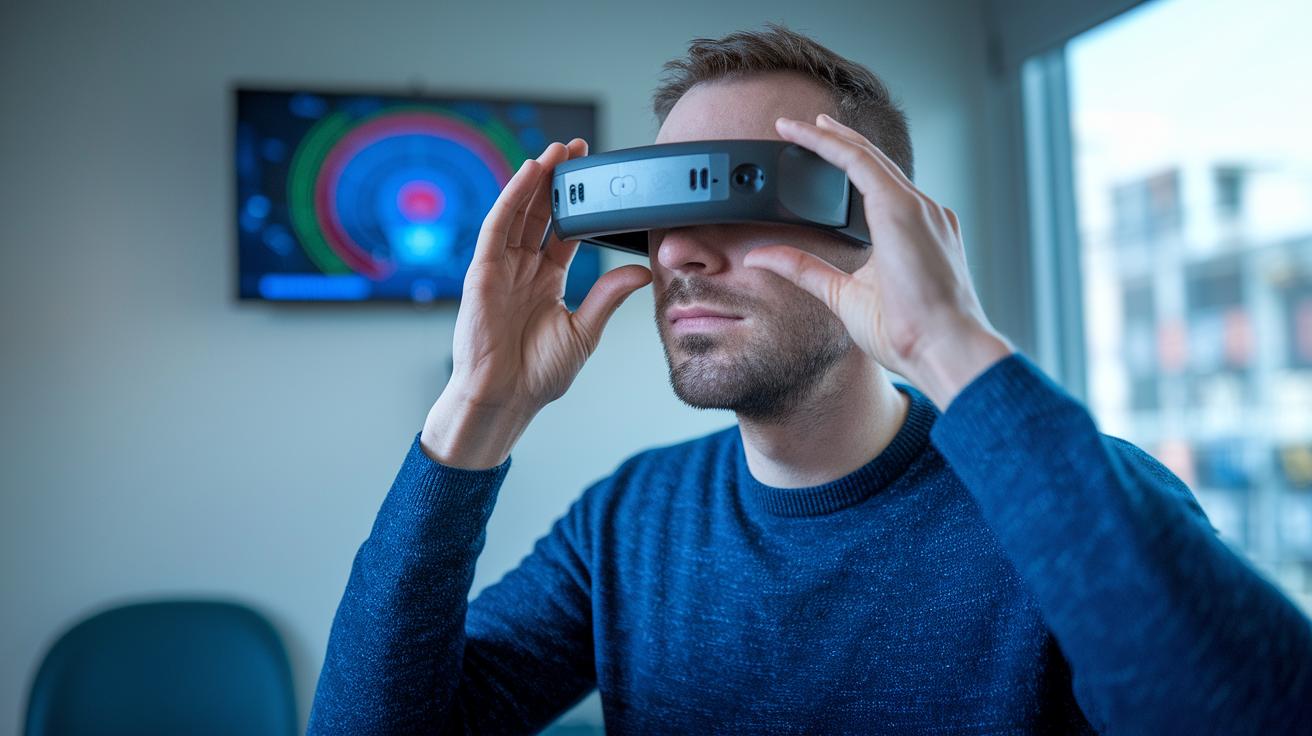
AR tech is making a real difference in how patients get involved in their health. With AR patient engagement tools, people receive care that feels personal and bridges digital tips with everyday needs. It creates interactive experiences that invite you to participate actively in your treatment. Whether you’re following movement demos during physiotherapy or enjoying game-like exercises in your routine, the approach is all about hands-on recovery. You can even watch your progress live as the tech offers constant feedback, keeping you motivated and confident in your journey.
AR-supported rehab brings fresh ways for patients to overcome challenges and stick to daily routines. Check out some cool AR features:
- AR physiotherapy apps that show realistic movement demos, turning exercises into engaging sessions.
- Virtual environments that help with exposure therapy for phobias, PTSD, and anxiety, so you get a safe, guided experience.
- Smartphone camera overlays guiding you step-by-step to hospital locations, easing the stress of finding care centers.
- Interactive AR manuals that offer clear, visual instructions for using home medical devices.
Telemedicine powered by AR is also changing the game, blending remote consultations with digital enhancements. Health professionals now use AR during virtual visits to explain treatment plans, giving you a clearer picture of your care. This immersive approach not only makes instructions easy to follow but builds trust, making remote interactions feel personal and effective. AR truly serves as a partner in creating safer, smoother, and more appealing healthcare routines.
Integration, Compliance, and Security Challenges for AR in Healthcare

Bringing AR into healthcare means connecting fresh technology with older systems, like electronic medical records and imaging tools. Older systems often don't easily work with new AR devices. Think of it like trying to use a fancy smartphone app on an old flip phone. When these systems struggle to chat with one another, it can slow down care when every second matters. IT teams must get creative with simple upgrades that keep everyday care running smoothly.
On the legal side, strict rules such as HIPAA set clear guidelines for handling patient data. Data traveling over networks and stored on devices must use strong encryption to stay safe. Healthcare providers need clear permission from patients before using AR tools, and they must remove personal identifiers to protect privacy. These rules can sometimes feel like extra locks on a door, making things tougher. It’s all about finding the right balance between innovation and keeping patient information secure.
A smart approach to risk management can help clear these hurdles. Working closely with trusted vendors and following safety protocols is the way to go.
Future Trends and Market Outlook for Augmented Reality in Healthcare

Smartphones are everywhere, and mobile tech is growing fast. This boost is helping augmented reality become a handy tool in diagnostics, training, and patient care. Hospitals and clinics are getting ready, as trends show a growing switch to digital tools that aim to improve how patients do. New cloud-based solutions and mixed sensory setups are paving smoother paths for AR, giving doctors live visuals and data right when they need it. This change not only makes care more interactive but also lets decisions be made quicker by blending digital tools with everyday health work.
Venture capital is buzzing around AR in health, with investors backing startups that focus on personal treatment planning and clear performance checks. Thanks to big data, these smart advancements can offer more accurate diagnostic insights and personalized care plans. In truth, future trends suggest that custom, interactive experiences will soon become the heart of patient care. This shift is set to drive more investments and usher in a new era of innovative, tech-driven health solutions.
Final Words
In the action, augmented reality in healthcare is transforming training methods, surgical planning, and patient diagnostics. Interactive tools and smart guides are now a part of everyday clinical care, making complex tasks simpler and more intuitive. These trends bring practical insights into everyday practice, offering a fresh look at achieving precise and personalized care. For more information on health tech solutions, visit https://ourmobilehealth.com?p=176 and experience a future that feels both bright and secure.
FAQ
What are some examples of AR and VR usage in healthcare?
The examples of AR and VR usage in healthcare include tools like AR headsets that overlay real-time patient data during surgeries and immersive VR simulations that train clinicians in procedures and rehabilitation exercises.
What are the benefits of AR in healthcare?
The benefits of AR in healthcare include faster decision making in the operating room, enhanced training via interactive simulations, and improved patient engagement with real-time data overlays that support better treatment outcomes.
What are some augmented reality healthcare products?
The AR healthcare products include head-mounted display systems for surgical assistance, smart glasses that show patient data, and smartphone apps that overlay diagnostic images, all designed to simplify complex procedures.
What is AR in healthcare?
The term AR in healthcare describes technology that overlays digital information—like patient vitals and imaging—onto the real world, helping clinicians make quicker, informed decisions during medical procedures.
What are the five domains of medical extended reality technology?
The five domains of extended reality technology in medicine cover training simulations, patient treatment, preoperative planning, diagnostic imaging, and rehabilitation, each offering unique digital support for healthcare settings.
What are the four types of augmented reality?
The four types of augmented reality include marker-based, markerless, projection-based, and superimposition-based AR, differing in how they display digital data on real-world views.
What are the disadvantages of augmented reality in healthcare?
The disadvantages of AR in healthcare include high costs of implementation, challenges integrating with existing systems, potential security concerns, and a learning curve for clinicians adapting to the new technology.
What topics do augmented reality in healthcare research papers cover?
AR in healthcare research papers cover the integration of digital overlays with clinical imaging, the efficiency of surgical simulations, data accuracy in real-time diagnostics, and overall impacts on patient care and workflow.