


Ever thought that the gadget on your wrist might actually save your life? With digital health monitoring systems, your vital signs are tracked and sent to your doctor right away. They mix everyday tools like blood pressure cuffs and smartwatches into a simple network that keeps you informed and cared for. This isn’t just about better results, it gives you a smoother, more connected care experience. Ready to see how these smart systems can help you stay on top of your well-being?
How Digital Health Monitoring Systems Work
Digital health monitoring systems help you keep track of your health day by day. They use everyday, modern tools like blood pressure cuffs, glucose meters, pulse oximeters, and wearable fitness trackers. Imagine checking your heart rate on a smartwatch or quickly measuring your blood sugar with a handy, portable meter. Every piece of data adds to a bigger, clear picture of your well-being.
Data moves simply and quickly through these systems. Think about how your blood pressure reading might jump from your cuff to your smartphone using Bluetooth. Then, it travels over cellular networks to a secure cloud platform. This smooth flow lets your doctor see your current data whenever needed, making care feel more connected and timely.
On top of that, these systems can also have a big financial impact. They can help cut down healthcare spending by billions each year, and can even generate nearly $1,900 in revenue per patient annually with smart billing methods. This model not only supports better patient care but also makes digital health monitoring more accessible for everyone.
Core Technologies in Digital Health Monitoring Systems

Digital health monitoring systems use smart sensors and strong connectivity to keep track of your health in real time. They use devices like blood pressure cuffs and continuous glucose monitors such as Dexcom G6 and FreeStyle Libre. These sensors work with Bluetooth and cellular networks, and they are built into many health devices. This way, every change in your vital signs is noticed and shared with your care team.
These systems send health data over secure networks quickly and reliably. Whether it’s a pulse oximeter checking oxygen levels or wearable devices like Fitbit and Apple Watch, your information flows steadily using standard connectivity rules. This constant update helps create care plans that are both proactive and personalized.
- Bluetooth blood pressure sensors
- Cellular-connected continuous glucose monitors
- Pulse oximeters for checking oxygen levels
- ECG modules for tracking heart rhythms
- Smart scales for weight measurement
- Wearable devices for overall health and activity tracking
Market Trends and Growth in Digital Health Monitoring Systems
The global market for remote patient monitoring devices is growing fast. It’s expected to jump from about $50.39 billion in 2024 to nearly $203.68 billion by 2032, with a steady annual growth rate of roughly 19.1%. North America is at the forefront, owning close to 48% of this market. These numbers show that more people are turning to digital health systems that use wearables, sensors that work with cell networks, and other smart devices to track health around the clock.
Have you ever noticed how technology makes healthcare easier? This surge in digital monitoring reflects a larger trend where care is shifting towards tech-based solutions. It’s like the healthcare world is blending traditional methods with around-the-clock, tech-powered support.
A big reason for this growth is the rise in chronic diseases, which means there’s a higher need for constant health checks. Meanwhile, new sensor technologies are making it easier to measure more and more aspects of health. Cloud health analytics add another layer by using great tools to review large piles of real-time data. And with better device connectivity and integration with healthcare systems, doctors are getting the insights they need to make smarter treatment choices.
All in all, we’re seeing a shift from the old, occasional check-up routine to a proactive system that keeps tabs on health continuously. This change sets the stage for better outcomes for patients and a smoother, more efficient healthcare process.
Advantages of Digital Health Monitoring Systems for Patients and Providers
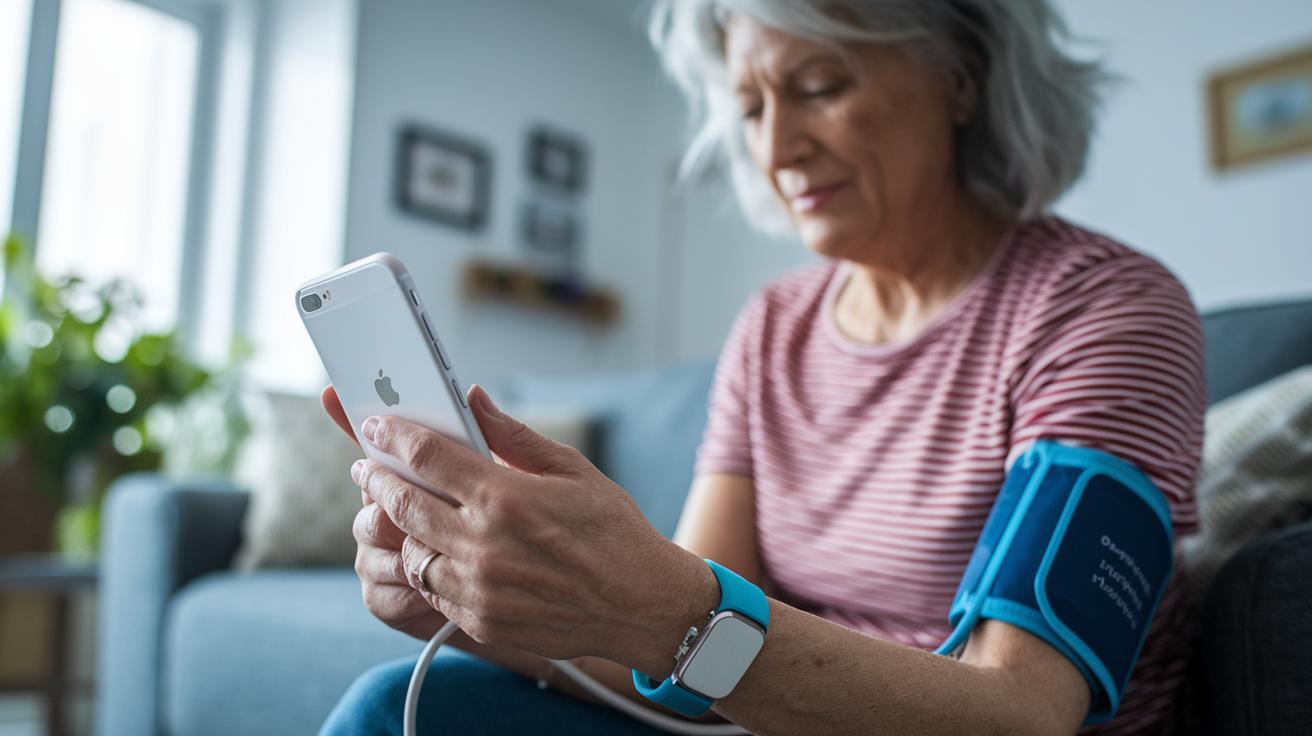
When patients keep track of their health every day, they feel more confident and in control. They know that handy devices like blood pressure monitors, glucose meters, and wearable trackers are quietly checking on their vital signs throughout the day. This live monitoring helps them manage conditions like heart problems, diabetes, or breathing issues on a daily basis. It’s like having a little health buddy by your side, making you feel secure and empowered.
On the provider side, these digital tools give doctors and nurses real-time information they can act on quickly. With constant updates, health teams can spot trends as they start and step in before small issues turn big. This means fewer unexpected hospital returns and a smoother way to handle ongoing conditions. It really helps them adjust treatments on the fly and keep everything running more efficiently.
-
Easier daily tracking and better self-care
-
Quick alerts when something feels off
-
Less worry because you’re always in the know
-
More fun and engagement with your wellness routine
-
Clear insights into your personal health trends
-
Early warnings to catch problems fast
-
A stronger bond between you and your care team
-
More organized work with automatic data collection
-
Choices based on solid, real-time health info during check-ups
-
Early action thanks to up-to-date patient data
-
Fewer surprises and lower chances of rehospitalization
-
Smarter handling of multiple long-term conditions at once
Integrating Digital Health Monitoring Systems with EHR and Telehealth Platforms
Digital health monitoring systems now work smoothly with big electronic health records and telemedicine platforms. They are designed so that devices can easily plug in and send patient data straight to a single reporting dashboard. This gives clinicians an easy-to-read view of patient trends without the hassle of endless manual charting.
The setup uses safe, secure data exchanges and standard connectivity tools. These systems work with both wired and wireless networks, which means patient data flows without hiccups between devices and EHR systems. For example, using simple protocols for connected devices helps keep telehealth integration steady and ensures that healthcare data moves smoothly.
In everyday clinic settings, this kind of integration means less paperwork and more time for direct patient care. Real-time updates help teams make decisions faster and cut down delays. Providers can easily handle appointments, check vital signs, and update patient records all in one spot, making daily tasks quicker and more efficient. This streamlined process improves how clinicians work and boosts patient care overall.
Ensuring Data Security and Compliance in Digital Health Monitoring Systems
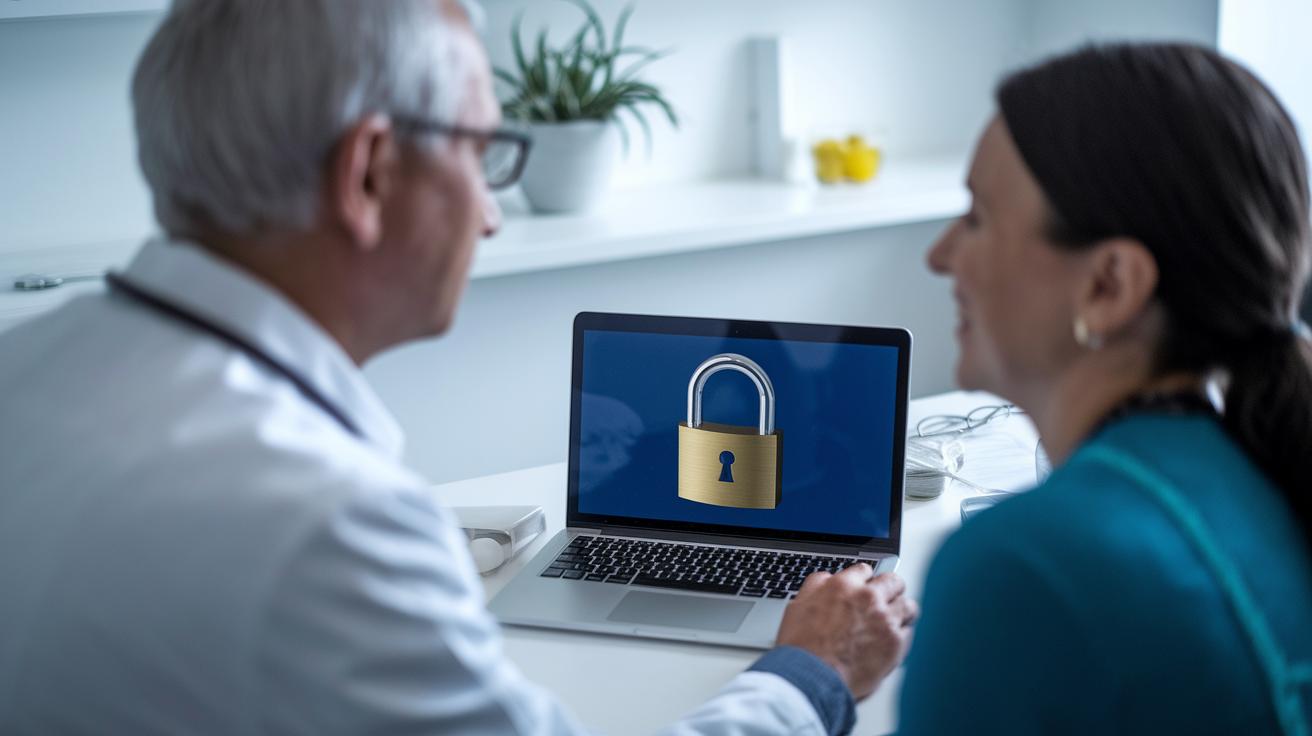
Digital health systems work hard to keep your personal information safe. They use robust methods like encryption, which scrambles your data from the moment it leaves your device until it reaches the right destination. Access is given only to the people who need it, thanks to role-based controls, and every action is logged so you know exactly what’s happening with your data. This careful setup helps block unwanted access and builds trust between patients and their health providers.
These systems also follow strict data protection rules like HIPAA, which lays out clear guidelines for safeguarding your health details. Regular updates, careful audits, and sticking to these standards not only improve security but also support reimbursement policies that benefit everyone. It’s a well-thought-out process that lets healthcare providers focus on your care while keeping your information secure and private.
Case Studies of Digital Health Monitoring Systems in Action
HealthSnap RPM Program Outcomes
HealthSnap's RPM program did some really cool work over a 12-month span. They saved $2.3 million and kept about 88% of patients engaged in their care plan. Patients used easy-to-handle devices like blood pressure cuffs and glucose meters that sent their readings over cell networks all the time. This constant stream of info helped doctors make quick decisions and fine-tune treatments. It’s like getting a daily peek at your health, guiding you toward personalized care.
Cadence Care Scalability
Cadence Care is doing amazing things with smart-device monitoring, keeping tabs on hundreds of thousands of patients every day. Their setup uses wearable gadgets and remote sensors to watch key signals like heart rate and blood pressure, so no important change slips by unnoticed. This system helps doctors step in fast, cutting down on unnecessary hospital visits. Imagine having a friendly, constant check on your well-being that keeps you safe while lightening the load for your healthcare team.
HRS PatientConnect Results
The HRS PatientConnect suite really made a difference by reducing readmissions and easing the pressure on clinicians. Using a mix of tablet tools and friendly voice reminders, the system helped patients stick to their meds and care plans. Health professionals received daily updates that let them spot trends early and step in before problems grew. This approach not only boosted patient confidence but also made care routines smoother for busy teams.
Future Innovations in Digital Health Monitoring Systems
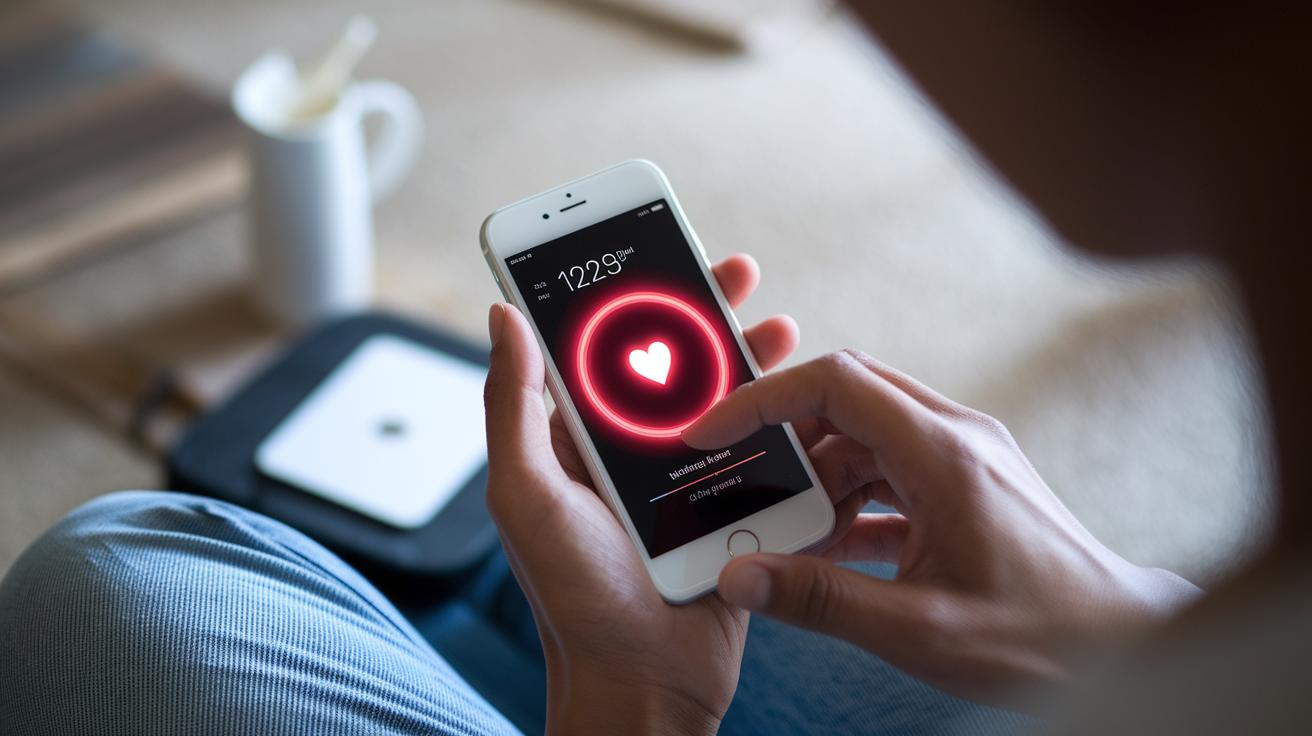
Our digital health tools are taking a big leap forward. Instead of waiting for a check-up after something goes wrong, these new systems help you stay on top of your health every day. They use smart computer learning (machine learning) to watch over your body signals in real time and catch small changes before they turn into bigger issues.
Think of it this way: your routine health data is like a little warning light. With new, predictive computer techniques, this light can tell you if something might need attention soon. It’s like having a gentle reminder on your phone that keeps you informed and ready to act.
Digital care is getting a cool upgrade too. Doctors and patients can now use tools that combine digital care tips with smart markers (digital biomarkers) to make care plans that really fit your needs. Advanced dashboards will show you clear, up-to-date health numbers all the time, so both you and your healthcare team have a clear picture.
- AI-powered tools help catch problems early
- Smart models predict risks before they grow
- Digital care tips and markers watch your health closely
- Clear dashboards offer real-time, personal health views
Final Words
In the action, we explored how digital health monitoring systems connect everyday wearable devices with secure data networks to support proactive care. The article broke down device types, the tech behind seamless data sharing, market trends, and how these systems transform patient and provider experiences. We also touched on integration with digital records and the safety measures that keep your data secure.
Reflecting on its potential, it's clear that digital health monitoring systems make managing health simpler and more empowering for everyone.