


Have you ever wondered why some hospitals run so smoothly while others seem to get stuck? It all comes down to how they share information. When a hospital’s computer systems work together, meaning they send important data back and forth quickly, doctors get the early hints they need. This helps cut down on mistakes and lets them act faster.
Think of it like a puzzle. Each piece of data fits neatly with the next, creating a picture of care that is clear and safe. In this post, we show how linking technology, team efforts, and streamlined processes builds a system that makes healthcare better and more reliable for everyone.
Defining Health Technology Interoperability for Seamless Clinical Data Exchange
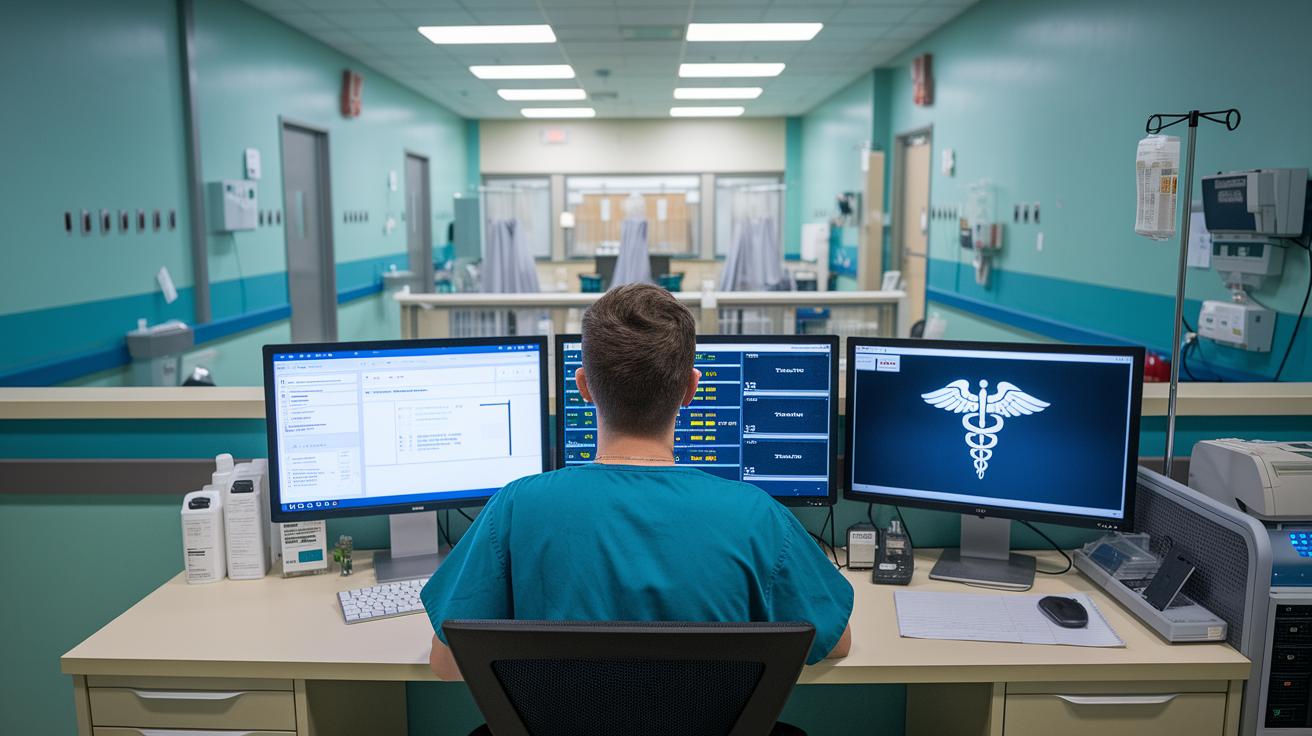
Interoperability means that different computers and software used in healthcare can share information in a way that everyone gets. This means doctors and nurses always see up-to-date patient details, which helps them decide on treatment fast and lowers the chance of mistakes.
But it's not just about linking electronic health records. It’s about connecting technology, people, processes, and the tools we use to talk. Imagine a hospital where the billing system, patient records, and lab tests all work together perfectly. It's like fitting puzzle pieces together so that doctors see the full picture of a patient's health. Think of it like a secure app that gives you a quick reminder to take your medication, it’s a little alert that makes a big difference in daily care.
When systems share data smoothly, clinical decisions get easier and patient care improves. When everyone speaks the same digital language, important information moves quickly and accurately. This lets clinicians make well-informed choices and focus on what truly matters: the patient's well-being.
Interoperability not only helps systems talk to each other, but it also builds trust among healthcare teams, ensuring that data stays safe and current.
The Four Levels of Health Technology Interoperability

Foundational interoperability is the starting step that lets data flow easily between systems. It works much like opening a valve that allows FHIR APIs to pass information from one health system to another. For example, a lab result shared via a FHIR API lets doctors see fresh values without any extra hassle.
Next, structural interoperability keeps the data neat and clear as it moves along. Systems use tools like direct messaging, FHIR guides, and C-CDA to arrange patient records in a simple, consistent way. When patient data is organized like this, there’s less chance of mistakes and sharing becomes much smoother.
Then, semantic interoperability steps in by using shared language, such as SNOMED CT and LOINC, in health records. This means every system understands the information the same way. For instance, a diagnosis code will have the same meaning no matter where it is seen, which helps reduce errors in treatment decisions.
Finally, organizational interoperability is all about trust and clear rules. It sets up policies and frameworks like TEFCA so that systems, people, and processes can work together safely. I remember during Hurricane Katrina in 2005, losing paper records showed just how risky it can be when trusted systems aren’t in place, important data ended up being unreachable when it was needed most.
When all these layers work together, they create a smooth digital highway where information moves fast, safely, and accurately. This approach is a real game changer in how care is delivered.
Key Standards and Protocols for Health Technology Interoperability

Take a moment to review the earlier section on the four levels of interoperability for the basic definitions. For instance, FHIR APIs help deliver data in real time. Imagine it as a quick ping letting a doctor know, "Your new lab result is ready for review."
When it comes to keeping records neat and the same, frameworks like C-CDA work like a puzzle guide. Each piece fits perfectly, so patient records are organized in a consistent format.
Shared vocabularies such as SNOMED CT and LOINC make sure everyone speaks the same language when it comes to a diagnosis. This means different systems understand the data in the same way, which helps prevent confusion in patient care.
Organizational frameworks like TEFCA create secure ways to share verified health information. Think about remote monitoring when quick, secure data sharing is essential. It is a practical way to support that kind of care.
For more details on how these standards work, check the earlier discussion on the four levels of interoperability.
Implementing Medical IT Integration Strategies in Healthcare

When it comes to syncing up your medical IT systems, it all starts with picking the perfect clinical communication platform. This tool should bring together your electronic health records, billing, practice management, and patient engagement apps under one roof. Imagine a time when clinics juggled separate systems for patient records and billing – that slow process really bogged things down. Now, having an integrated system makes everything smoother.
Taking a phased approach can really make a difference. Start by linking one department at a time. This helps everyone adjust without a big shock to the system and makes sure every piece fits perfectly into the larger puzzle. In truth, steady, little changes improve data flow and cut down on mistakes.
Now, think about supercharging your setup with an AI-powered, all-in-one healthcare platform. These platforms mix a bunch of useful tools in one place, which makes it a lot easier for your team to see all the important data they need right away. When doctors and nurses can get actionable insights fast using user-friendly decision-support tools, patient care gets quicker and hospital stays can shrink.
Key steps to consider are:
| Action | Why It Helps |
|---|---|
| Evaluate all-in-one platforms | They offer comprehensive integration of different systems |
| Implement a phased rollout | This eases staff transitions and minimizes disruptions |
| Train users on new systems | Proper training boosts smooth connectivity across platforms |
By following these steps, you not only improve the overall quality of care but also create a workspace where every system talks to each other. The result is smoother operations and better outcomes for your patients.
Overcoming Challenges in Health Technology Interoperability

Healthcare data sharing often hits roadblocks that slow down how quickly patient information passes along. Many providers use different methods to record data, which means that when systems don't "speak" the same language, it becomes a real challenge to mix all the information together.
Key barriers include:
- Different ways of formatting patient records across systems.
- Big worries about data security and privacy that require strict compliance with HIPAA and state laws.
- Separate systems that don't connect well, leaving data in isolated pockets.
- Money and resource limits, especially for smaller practices.
- The tricky task of linking data from labs, imaging, and specialists, which can lead to delays and mistakes.
Imagine a small clinic trying to sync information from many specialists. It's a bit like piecing together a puzzle with missing parts, and that can seriously affect treatment decisions.
So, how do we tackle these issues? First, using the same set of terms across systems can make a huge difference. Also, clear rules for data sharing help build trust among everyone involved. Training staff until they feel comfortable working with these systems is essential, too. And using proven connectivity models supports a steady and reliable flow of information.
When every system communicates clearly, patient data moves faster, safety gets a boost, and every crucial detail shows up just when it's needed most.
Regulatory and Security Considerations in Health Technology Interoperability

Health tech is all about keeping patient data safe. Following rules like HIPAA and your state's privacy laws builds trust when sharing care records. Policies cover everything from getting your permission to checking who accesses your data and letting you know if something goes wrong. For example, you might see a message that says, "A secure check confirms your record access, keeping it safe every step." Even small alerts show that strict rules are in place to block any unwanted access.
In hospitals and clinics, clear role-based access controls make sure only the right people see sensitive details. This reduces risks during everyday care. Trust frameworks like TEFCA set out clear agreements so everyone knows what data to expect and how to handle it. Tools like encryption (which scrambles data so only authorized people can read it) and secure channels like TLS or VPN protect your information when it's on the move or stored safely.
| Key Points |
|---|
| Follow data privacy laws consistently |
| Manage consent and track access with clear audit trails |
| Use role-based access controls to limit who sees sensitive data |
| Employ encryption to secure data both in transit and at rest |
When these measures are in place, health tech does more than just connect systems. It smooths out data sharing while keeping patient information safe and following the rules.
Future Trends in Health Technology Interoperability

New ideas are changing the way health data is shared. Blockchain and distributed ledger technology give us a super secure way to store records so that no one can change them. Imagine every lab result being locked in and unchangeable, it makes you feel a lot more confident about the data.
FHIR Bulk Data APIs are becoming popular too. They work like open highways for big piles of data, letting you pull up information in real time. Think of it as checking a complete patient history with just one quick tap on your device.
Real-time streaming via cloud platforms is another cool breakthrough. Picture a doctor keeping an eye on live heart-rate info from remote monitors during urgent care. At the same time, AI-powered semantic mapping is here to help, making sure every bit of data is understood clearly across different systems.
Marketplaces for interoperable app ecosystems are starting to appear, and as standards like TEFCA continue to improve, sharing between health institutions will get even smoother. All these innovations together are making data flow easier and helping drive a future filled with more secure and efficient healthcare.
Final Words
In the action of our discussion, we took a deep look at how health technology interoperability connects different systems for smooth data sharing in healthcare. We broke down each level and unpacked key standards that keep information flowing securely and clearly.
Practical integration strategies and real challenges were also explored, pointing to smarter, simpler care solutions. Every step forward fuels a future where accessing trusted, personalized health care is more achievable than ever.
FAQ
What are some interoperability in healthcare examples?
Interoperability in healthcare examples show how systems share data seamlessly. For instance, electronic health records exchange essential patient details with labs and imaging systems using standards like HL7 and FHIR, supporting quicker, informed care decisions.
What are the interoperability standards in healthcare?
The interoperability standards in healthcare include frameworks like HL7 and FHIR for basic data exchange and shared vocabularies like SNOMED CT and LOINC to maintain consistent meanings across diverse systems.
Why is interoperability important in healthcare?
Interoperability is important in healthcare because it lets providers access timely, accurate patient data. This improved information flow reduces errors, supports better treatment decisions, and enhances overall patient care.
What do interoperability in healthcare scholarly articles focus on?
Interoperability in healthcare scholarly articles focus on reviewing case studies and research. They discuss best practices, benefits, challenges, and solutions for seamless clinical data exchange across various medical IT systems.
What are the barriers to interoperability in healthcare?
Barriers to interoperability in healthcare include inconsistent data formats, data security concerns, and multiple siloed systems. These obstacles can delay data exchange and hinder seamless communication between health services.
What solutions exist for healthcare interoperability?
Healthcare interoperability solutions involve using integration platforms, adopting standardized data interfaces, and establishing governance frameworks. These methods help bridge gaps between diverse systems for reliable and secure information sharing.
What does EHR interoperability mean?
EHR interoperability means that electronic health records can exchange data with other systems reliably. This capability ensures clinicians have up-to-date patient information, supporting informed decisions and streamlining daily operations.
What are the benefits, challenges, and resolutions of interoperability in healthcare?
Interoperability in healthcare offers benefits like improved clinical decision-making and reduced errors. It faces challenges such as data standardization and privacy issues, with resolutions including common vocabularies, governance frameworks, and effective IT integration strategies.