


Ever wonder if a small health app could change your whole routine? Trends in digital therapies are paving the way for a future where technology and care come together in fresh, personalized ways.
Look at the numbers, they’re growing fast and investments are rising too, which shows that how we care for our health is really evolving. Picture an app that sends you a gentle reminder when you need it most or offers tips tailored just for you during a hectic day.
The stats tell us that digital therapies aren’t just a passing trend. They offer a smarter way to look after our well-being, making smart care available to everyone.
Current Landscape and Growth Trajectory of Digital Therapeutics

The digital therapeutics market is booming. In 2024, it stands at $5.4 billion, and experts say it could hit $12.5 billion by 2030. That means it’s growing at nearly 15% each year. This rapid growth shows that people are eager for new ways to care for their health with technology.
North America took the lead in 2023 by contributing 45% of the revenue, with Europe following at 25%. Meanwhile, the APAC region is growing fast, with a steady rise of 17% every year. This steady increase means more and more people are interested in digital health innovations.
Startups in this field are also on the rise. Last year alone, they secured $2.1 billion in venture funding, a 22% jump from before. Health systems and major tech companies are teaming up to launch software treatments that are backed by solid evidence. These partnerships are changing the way we think about health care.
Experts say that these trends aren’t just a passing phase. Leaders in health technology and medical care see digital therapeutics as a reliable method to improve patient outcomes and streamline care. Big investments, expanding market segments, and differences between regions highlight how digital health innovations are reshaping modern care.
The surge in e-therapy and growing investments in care technology paint a bright future. With clear growth figures and more funding, digital therapeutics are on the fast track. This change in health care is a huge opportunity for both patients and professionals to benefit from smart, tech-driven care.
Key Technologies Driving Innovation in Digital Therapeutics

Digital therapies now rely on smart, quick tech that adapts to our needs. Artificial intelligence helps by wading through loads of data, spotting trends, and fine-tuning care just for you. Think of it as having a friendly helper that learns from every bit of information. In fact, using these insights in diabetes care has bumped up program adherence by 18%.
Next comes predictive health analytics. This tech dives into numbers and makes real-time adjustments. It works like a gentle nudge during those testing times, cutting symptom duration by 25% in trials related to internet-based cognitive behavioral therapy. Really impressive, right?
Machine learning steps in to match each patient with the right treatment. Imagine your care plan feeling like it was made just for you, it’s that personal touch that makes all the difference. Meanwhile, remote patient monitoring, a part of what some call the Internet of Medical Things (IoMT), streams live data from devices. This system has helped reduce hospital stays for heart failure by 30% by alerting clinicians at the perfect moment.
Wearable devices are also changing the game. These clever gadgets, packed with biosensors, track heart rate, blood sugar, and daily activity with about 98% accuracy. That sort of trusted data gives both patients and caregivers peace of mind. And let’s not forget mobile therapy apps. They bring cognitive interventions right to your pocket, sparking a 40% jump in user engagement.
Interactive care technologies tie everything together. By connecting real-time patient feedback with clinical decisions, they make care even more responsive and human-focused.
| Technology | Impact |
|---|---|
| Predictive analytics | Boost adherence by 18% in diabetes programs |
| AI-driven adaptive treatment models | Cut symptoms 25% faster in ICBT trials |
| IoMT integration | Reduce CHF hospitalizations by 30% |
| Wearable biosensors | Achieve 98% accuracy in vital signs monitoring |
| Mobile therapy apps | Drive 40% growth in user engagement |
| Interactive care technologies | Raise patient engagement by 15% |
Software-Enabled Treatment Innovation in Digital Therapeutics

Software tools are creating a fresh way of caring for people by matching treatment to each person's needs. For example, one program that helps remind people to take their medication improved high blood pressure treatment by 22% in a 2023 trial. Other apps that offer talk therapy exercises increased user interest by 35% and showed clear drops in symptoms. At the same time, online care platforms connected with health records have lowered missed appointments by 15% because of constant remote coaching. Even fun, game-like asthma tools helped cut emergency visits by 12% in young patients.
These numbers aren’t just impressive stats. They tell a story of how digital tools are blending into daily life and changing the way care works. By mixing smart software with real-world health knowledge, these systems let you take charge of your health while keeping your doctor in the loop. This combination of tech and treatment makes healthcare feel more personal, quick to react, and efficient.
Mobile Delivery Systems
Mobile health systems use text reminders, app notifications, and remote coaching to help you keep up with your daily habits and medications. Think of it like a gentle nudge, it reminds you to take your pill or check your blood pressure exactly when you need to. With more people using health apps, many now pull live data to alert healthcare teams and adjust care on the fly. This constant connection between you and your care team means fewer missed doses and steady progress in managing your health.
Virtual Intervention Methodologies
Virtual care is more than just video chats. It offers video lessons, interactive tasks, and even virtual reality sessions that guide you through health exercises. With remote monitoring linked to these digital lessons, your care team can see how you’re doing and make quick changes if needed. These interactive tools let the treatment adapt to what works best for you. By opening up access to care in new ways, virtual methods help turn every digital session into a step toward better health.
Regulatory Shifts and Evidence Validation in Digital Therapeutics

The guidelines for digital therapies are getting a lot sharper these days. Instead of leaning on old ways like just checking blood tests, new standards focus on real, helpful results and how much people actually use the software. It’s almost like checking if a new app makes your day easier instead of just running lab tests.
Researchers are stepping up, too. Specialized groups are now creating studies just for digital treatments. This means the testing process is faster and speaks the language of technology, kind of like taking a quick test drive before a long road trip.
A few important points are:
- Evidence standards now put measurable, patient-friendly results in the spotlight.
- Trials focus on how well the algorithms perform and how much users interact with the software.
- Dedicated research teams are running studies tailored specifically to digital treatments.
- Clear reporting systems use real-world evidence to help guide payment decisions.
These new reporting methods give health planners and decision makers solid proof of what actually works. When doctors, patients, and insurers see this clear data, digital treatments become a trusted part of everyday health care. In simpler terms, as digital therapies prove their value in real-life use, more people will feel confident counting on them for their daily care.
Emerging Market Opportunities and Future Outlook for Digital Therapeutics
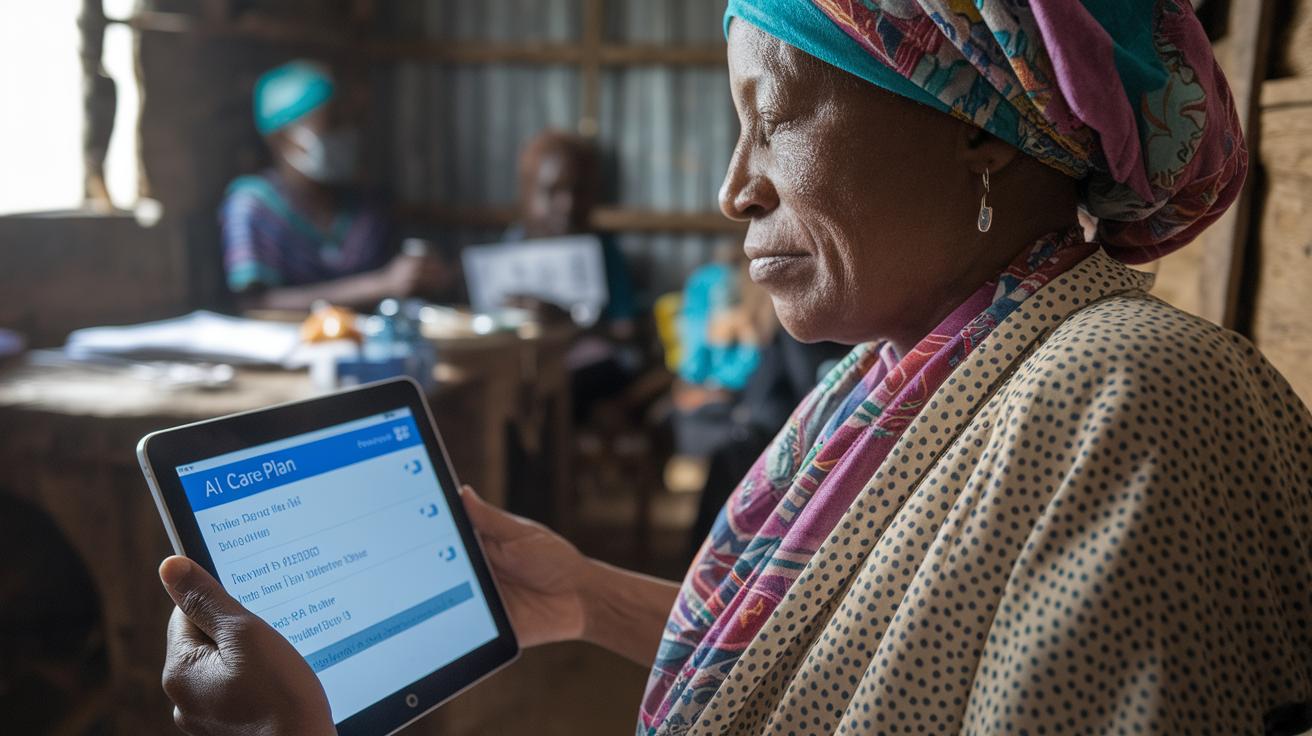
Personalized care is booming, with experts expecting growth of around 20% every year. Thanks to AI that tailors care to individual needs, it almost feels like an app can read your mind. Think of it like this: an app that refines your treatment plan with each check-in helps you feel truly seen.
In rural parts of the Asia-Pacific, digital care is making big strides too. Experts predict a 25% increase in virtual care users by 2026 as digital platforms reach people in less populated areas. This means care that was once hard to access is now just a tap away. Plus, new telehealth payment models are likely to boost provider revenues and drive even more investment in digital treatment tools.
What’s pushing these changes forward? A mix of interdisciplinary partnerships, real-world evidence studies, and direct-to-consumer methods are all in play. Together, they lead to smarter resource use and better data collection, which in turn sharpens treatment methods. Investors are excited by these trends because this blend of advanced care technology with strong patient engagement sets digital therapeutics up as a firm foundation for tomorrow’s care models.
These innovative drivers open up fresh opportunities where digital care can reduce costs and improve outcomes. Forecasts suggest that both established healthcare providers and fresh startups will keep developing versatile, virtual care solutions. Imagine remote monitoring paired with telecoaching to help patients stay on track. It’s a clear sign of how digital care can scale its impact on health and well-being.
Final Words
In the action of exploring today’s current market stats, breakthrough tech, and evolving rules, we saw how mobile delivery and innovative software drive health solutions. The blog highlighted global growth numbers, AI, wearables, and real-time monitoring that enhance care outcomes. It also touched on emerging market opportunities and expert partnerships that improve service. Embracing digital therapeutics trends positions us for a healthier future, one where care feels as personal and effective as a chat with a good friend.
FAQ
What did digital therapeutics trends indicate in 2020–2022?
The digital therapeutics trends in 2020–2022 show that early software treatments and improved patient adherence boosted industry collaboration, paving the way for today’s innovative, evidence-backed digital therapies.
What are the expectations for digital health trends in 2024 and 2025?
The digital health trends for 2024 and 2025 focus on expanding remote monitoring, increased venture funding, and evidence-based treatments, driving broader market adoption and improved patient outcomes.
What role does the Digital Therapeutics Alliance play in the digital health market?
The Digital Therapeutics Alliance connects innovators, researchers, and healthcare providers to set industry standards and enhance software treatments, helping to shape a robust digital health market.
How is IQVIA contributing to digital health trends in 2024?
The IQVIA digital health trends provide detailed market analysis, regional performance insights, and investment data that guide industry stakeholders in spotting key opportunities within digital health.
What does the current digital health market landscape look like?
The digital health market features rapid expansion fueled by increased funding, high mobile therapy app engagement, and strong partnerships between tech firms and health systems, driving modern care delivery.