


Have you ever wondered if your mobile health app truly makes a difference? When we set clear benchmarks, we can see the effect each tap has. We look at everyday numbers like how much people use the app and what the results are from their health visits (that means checking if the app is really helping you feel better). The numbers tell their own story, it’s not just guesswork. This post shows how simple measures bring together a complete picture of health outcomes so that you can see what works and why it really matters.
Key Performance Metrics to Evaluate mHealth Intervention Impact
Right from the start, picking clear, measurable benchmarks is key. When we set targets you can track, whether it’s symptom improvement or active user rates, the numbers begin to tell us a real story about success. Using digital healthcare tracking (which means keeping an eye on everything from user engagement to health improvements), we turn raw data into easy, understandable insights that guide smart tweaks to the program. For more on this, check out the Advantages of Mobile Health Technology page.
Focusing on how users interact with the app and watching clinical results creates a solid base for success. Metrics like daily active users and session lengths give us a feel for how engaged people are. Meanwhile, changes in things like blood pressure or HbA1c show clear signs of health improvements. In truth, a simple set of indicators can paint a full picture by linking everyday behavior with real clinical impact.
Consider these key metrics:
| Indicator | Description |
|---|---|
| Daily Active Users | The number of people who use the app each day. |
| Retention Rate | The percent of users who stick with the app over time. |
| Adherence Rate | How closely users follow the recommended guidelines. |
| Mean Change in Clinical Value | The average change in essential health metrics. |
| Cost per QALY | How much it costs for each quality-adjusted life year gained. |
| Number of Triggered Alerts | The count of health alerts sent out based on the data. |
| Technical Reliability Rate | A measure of how dependable the system is. |
Sharing these numbers in stakeholder reports turns raw data into ideas for action. Regularly checking each indicator helps make sure the intervention stays on track with both clinical goals and user needs.
Study Design Frameworks in Mobile Health Effectiveness Evaluation

Good study design is key to getting trustworthy results in mobile health research. When you start with a solid plan, it helps everyone, from app makers to healthcare workers, see what works and what doesn’t. Without clear guidelines, you might end up with findings that are more about chance than the true impact. A well-thought-out blueprint cuts the guesswork and makes digital health results much more reliable.
Randomized Controlled Trials
Randomized Controlled Trials are the go-to method when you want strong proof that an intervention really made a difference. In these studies, people are put into different groups by chance, so any changes are likely due to the treatment itself. It’s important to calculate the right number of participants and sometimes use blinding to avoid bias. Digital tools that collect data automatically add a layer of accuracy by recording answers and health numbers, that’s like having a digital helper keeping track for you.
Pre–Post Quasi-Experimental Designs
Pre–post Quasi-Experimental Designs work by comparing results before and after a treatment. They’re super useful in everyday settings where random assignment isn’t possible. By looking at the starting point and then checking in later, these studies capture changes over time even when it’s hard to control every factor. They’re practical for situations where life’s natural variations come into play.
Mixed-Methods Approaches
Mixed-Methods Approaches mix numbers with personal stories. You might see charts and stats alongside interviews or focus groups. This combination gives you the full picture, revealing both the hard facts and the personal experiences behind them. It helps explain not just the "what" but also the "why" behind the results.
Choosing the best framework depends on what resources you have and the questions you’re asking. If you need sharp precision, randomized trials are hard to beat. But if you’re focused on real-life application, a quasi-experimental design or a mixed-methods approach could be a better fit.
Data Collection and Management Strategies for mHealth Evaluation
Accurate and timely data capture is at the heart of trusted mobile health insights. We collect information from many sources to understand how people use our app and how their health changes over time. User logs, for example, record when a session starts and ends, giving us a clear picture of engagement patterns.
Wearable sensors provide real-time data like heart rate and steps, helping us track physical activity and important health outcomes. Self-reported surveys, such as symptom diaries or satisfaction forms, add a personal touch, offering context to behavioral shifts. Integrating electronic health records further enhances our view by linking lab results and diagnoses to clinical standards.
Each data source plays its part in building a reliable overall picture, and together they create a robust dataset that helps us make quick, informed decisions.
| Data Source | Description | Example Use |
|---|---|---|
| User logs | Tracks when app sessions begin and end | Measures engagement |
| Wearable sensors | Monitors real-time metrics like heart rate and steps | Tracks physical activity and outcomes |
| Self-reports | Includes symptom diaries and satisfaction forms | Assesses behavior changes |
| EHR integration | Connects lab values and diagnoses | Compares to clinical benchmarks |
We keep your data secure with strict rules, clear standards, and strong privacy protocols. Automated quality checks help address missing information or format issues, while real-time dashboards let us monitor data flows all the time. Encryption protects the links between sensor outputs and electronic records, ensuring the integrity and trustworthiness of our health evaluations.
Quantitative and Qualitative Analysis Methods in mHealth Outcome Measurement

When you mix different analysis methods, you get a clear and complete look at mobile health. Numbers give us strong evidence, while personal feedback shows us the real feelings behind those figures. Using both styles tells the whole story of how people use and benefit from mobile health.
Quantitative methods help crunch the numbers. For example, you might use tests like t-tests, regression, survival analysis, time-series analysis, or even machine learning (which is a way for computers to learn from data). Each method clearly shows changes over time.
On the other hand, qualitative methods give voice to the human element. They help explain what the numbers mean by exploring thoughts and emotions. Techniques like thematic interview coding, gathering insights in focus groups, or watching users during usability tests reveal subtler details about behavior.
Combining the solid numbers with personal stories lets researchers double-check their findings. Statistical results highlight trends over time, while personal feedback explains why these trends are happening. This balanced approach helps decision-makers understand measurable impacts and the reasons behind them. It also sparks ideas to improve mobile health programs, ensuring they meet real-world needs in a practical way.
Best Practices and Clinical Benchmarks for Mobile Health Effectiveness Evaluation
Researchers need to use proven methods to define outcomes in a clear way. This makes sure that results, like a percent drop in symptoms, are measured the same for everyone. They often use trusted tools such as the PHQ-9 to check depression or the SF-36 to see quality of life. By following privacy rules like HIPAA and GDPR, they keep data safe and earn trust. Registering study plans on clinicaltrials.gov and talking with many care experts also makes the study stronger. These steps create a guide that helps show real, useful results from mobile health tools. In the end, this careful plan leads to better health for every user.
Published studies give us clear targets to measure how well mobile health tools work. For example, researchers aim for a 10% boost in patients sticking to their treatment. They also work toward a 5 mmHg drop in systolic blood pressure as a sign of heart health improvement. And when managing diabetes, a 0.5% fall in HbA1c over three months is a typical goal. These clear numbers help health teams check if their plans are working and improve their care strategies along the way. With these benchmarks, everyone can learn and adjust, pushing mobile health innovations forward every day.
Case Studies Highlighting Measured Outcomes of Mobile Health Interventions
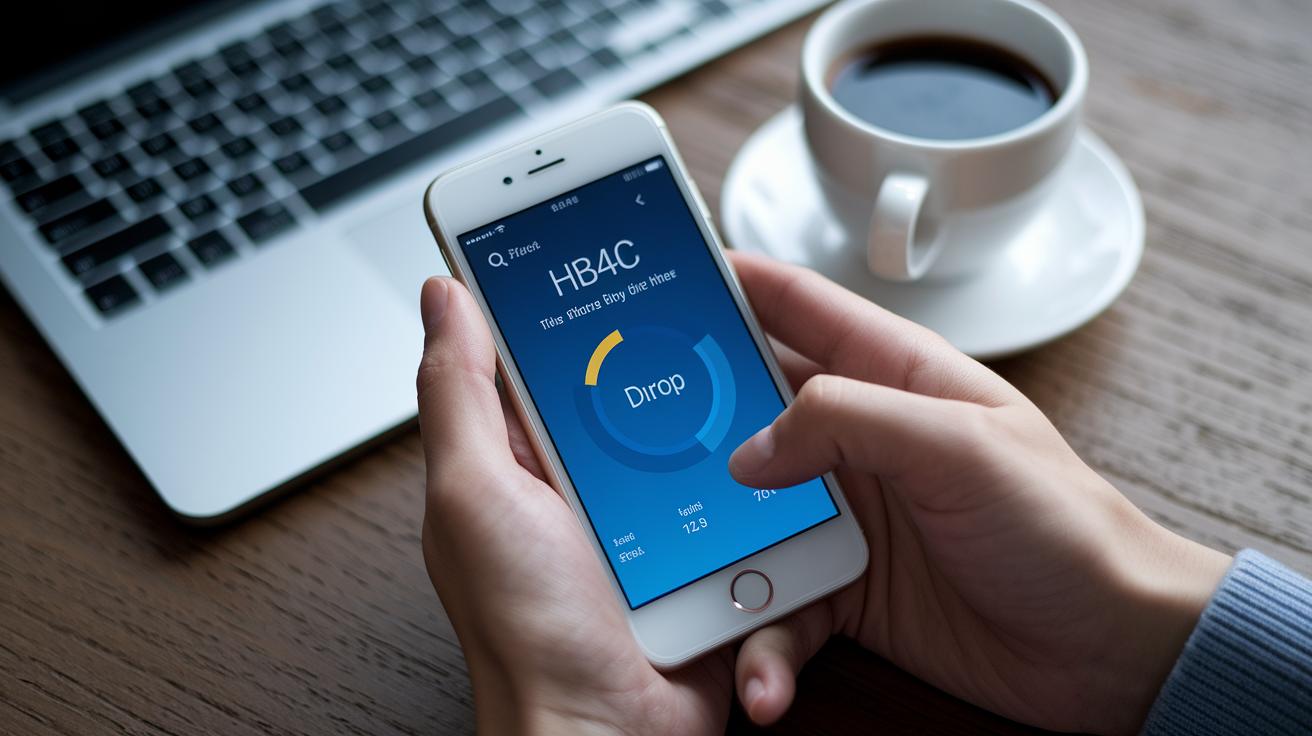
When we chose these studies, we really wanted to see clear, real-life benefits and measurable changes in health. We picked ones that shared both everyday behavior insights and clinical numbers. In other words, we looked for examples that showed lasting improvements over time, like better lab results or more active patient participation. This approach makes sure the findings mean something useful for everyday patient care.
Case Study 1: Diabetes Management App
- Users saw their HbA1c drop by an average of 0.7% over six months.
- About 80% of tasks were completed as expected.
- Three out of every four users stayed with the program until the end.
Case Study 2: Remote Cardiac Monitoring
- There was a 15% reduction in 30-day hospital readmissions compared to a control group.
- Daily data synced successfully for 65% of users.
- Patients rated their satisfaction at 4.5 out of 5 on surveys.
Both cases share some clear common factors. They started out with set goals and used mobile technology to track data in real time. This shows how blending digital monitoring with patient feedback creates a full and meaningful picture of success. By keeping data collection steady and using solid clinical benchmarks, decision-makers can feel confident about the results. Looking ahead, mHealth studies can really make a difference by focusing on both how well treatments work and how users behave. This dual approach can lead to better care and smarter program design.
Final Words
In the action of unpacking mobile health evaluations, this post covered key performance metrics, study design frameworks, effective data strategies, and mixed analysis methods. It also highlighted clear clinical benchmarks and concrete case studies that make evaluation straightforward.
Measuring the effectiveness of mobile health interventions shows us how practical tools bring better outcomes and support continuous care improvements. Embrace these insights and move ahead with a clear, confident approach to digital healthcare management.
FAQ
What are mHealth interventions?
mHealth interventions refer to mobile health programs that use devices like smartphones and wearables to help track, manage, and improve health outcomes through digital tools and data.
How can Google Scholar help me find research on mHealth interventions?
Google Scholar serves as a valuable tool for accessing academic studies and evaluations on mHealth interventions, making it easier to locate reliable evidence and scholarly insights on mobile health research.